REVIEW · AQABA
Wadi Rum Mountain Hike & Climb: Burdah, with a bridge at the top! + tour & Lunch
Book on Viator →Operated by Wadi Rum Desert Dreams · Bookable on Viator
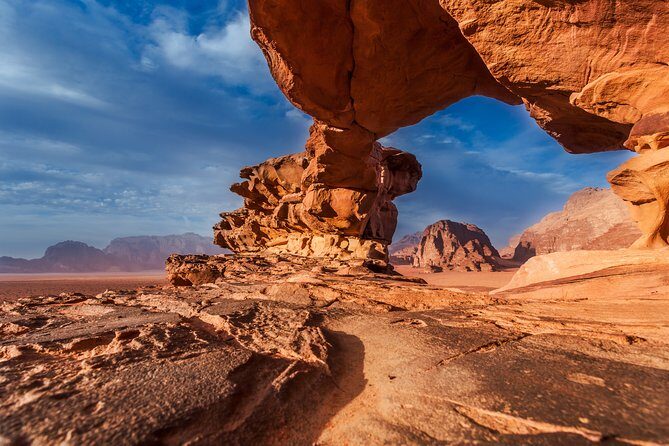
Burdah’s bridge makes hard steps feel worth it. This Wadi Rum hike targets the famous Burdah Mountain (1300 m) and its high natural bridge, with rocky footing, scrambling, and some steep climbing moments. I like that you still get a real Bedouin break at the top with fresh tea and big sky views, and I like that the day includes more than one desert wow moment, like extra bridges and a calm canyon walk.
One possible consideration: the trail is technical at points, so even if climbing experience isn’t required, you should expect uneven rock, steep bits, and moments where you’ll use your hands. If you don’t like heights or slipping hazards, pack smart and tell your guide early what feels okay.
In This Review
- Key highlights you’ll feel on the day
- Burdah Mountain and the Bridge at the Top
- Village Meeting and the First Wadi Rum Starts
- Inside the Burdah Climb: Scrambling Up, Resting at 1300m
- Lunch by Fire and a String of Bridges and Canyons
- Little Bridge, White Desert, and the Jeep Stretch
- Um Sabatah Sunset Viewpoint: Tea, Mats, and Timing
- Price, Value, and Practical Tips for a Smooth Day
- Should you book this Burdah hike and climb?
- FAQ
- What time does the tour start in Wadi Rum Village?
- How long is the Wadi Rum Burdah hike and climb tour?
- What is included in the price?
- Is prior climbing experience required?
- Where do you watch the sunset?
- What costs extra on the day?
Key highlights you’ll feel on the day
- Burdah Mountain hike to the rock bridge (1300 m), with scrambling and steep sections guided step-by-step
- Bedouin tea stop at the top, so the climb ends with a proper rest and photos
- Traditional lunch cooked outside on the fire, with rotating local sides like bread, hummus, yogurt, vegetables
- Stop-by-stop variety: Umm Fruth bridge, Abu Khashaba canyon, Little Bridge, then White Desert views
- Um Sabatah sunset viewpoint, where you sit on mats or in the sand with sweet tea by the fire
Burdah Mountain and the Bridge at the Top
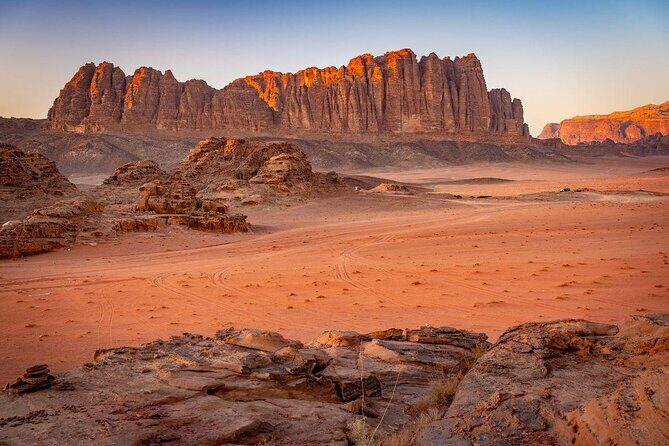
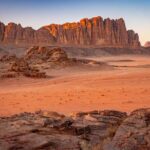
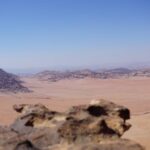
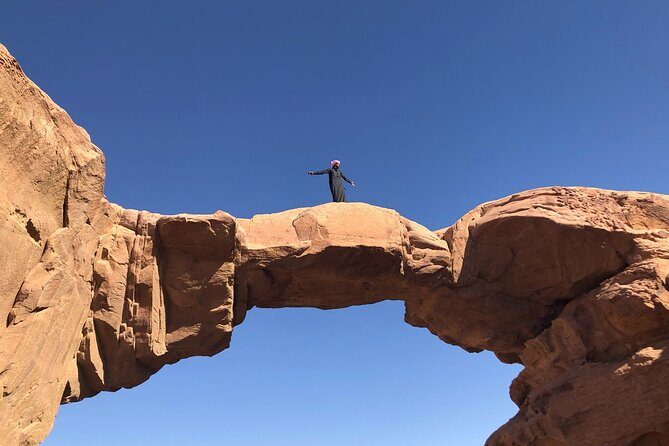
This is a Wadi Rum day built around one goal: hiking Burdah Mountain and reaching a natural bridge that sits high above the desert. The prize at the top is the kind of place where your brain goes quiet for a second. You’re not just looking at Wadi Rum—you’re standing in it, on rock shaped by time, wind, and water.
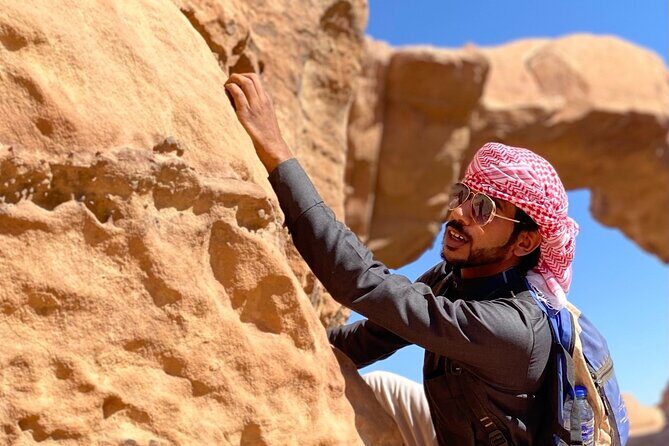
The trail is rocky, and that matters. You’ll be moving over uneven surfaces, and the route includes technically difficult areas where you’ll scramble and sometimes climb up steep rock. The good news is that the tour is designed for non-experts: climbing experience isn’t required. What you’ll need is basic balance, steady footing, and a willingness to slow down when the rock gets awkward.
I also like that the hike is paced around your group and your guide’s calls. Expect the Burdah climb to take about 2 to 3 hours depending on your tempo, and you’ll build in time at the top for photos, a relaxed pause, and Bedouin tea.
And if you want to turn this into more than a day trip, there’s an optional extension: add a night in a Bedouin camp, or even sleep outside in a cave under the stars. That’s the easiest way to stretch the Wadi Rum magic beyond one sunset.
A few more Aqaba tours and experiences worth a look
Village Meeting and the First Wadi Rum Starts
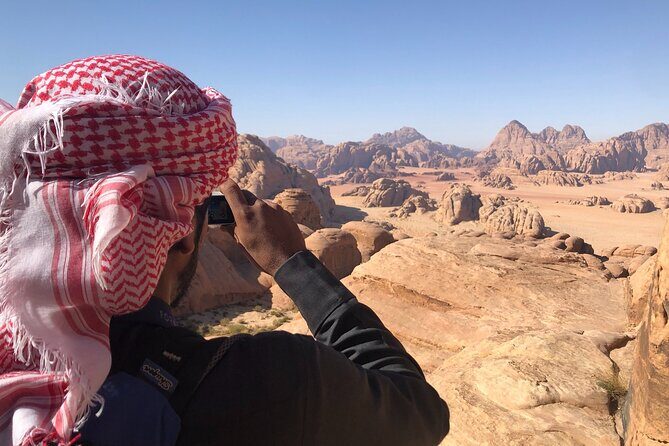
The day kicks off in Wadi Rum Village at the Rest House, with a meeting window between 9:30 and 10:00 a.m. Your start time is 10:00 a.m. From there, you’ll transfer to the protected area for the hiking portion, so you’re not fighting logistics mid-desert.
This start point is practical. The village area has a supermarket and a souvenir shop, and the tour office is nearby. If you’re the type who likes to top up water or double-check your essentials before leaving cell service behind, you’ll have a chance to do it before the hike begins.
The route also moves through a protected-area setting with multiple stops. That’s one reason the day feels full without feeling chaotic: each stop has a clear purpose—bridge views, a short canyon walk, quick photo climbs, then the bigger payoff near sunset.
And small group size helps. The tour runs with a maximum of 15 travelers, which makes it easier for guides to keep everyone together when the terrain gets tricky.
Inside the Burdah Climb: Scrambling Up, Resting at 1300m
This is the heart of the day. After meeting, you head into the protected area and work on the Burdah hike together with an experienced Bedouin guide. You’ll get stories along the way—about Bedouin life and about the plants and flowers you might spot during the climb. Those small details make the hike feel more grounded than a simple photo run.
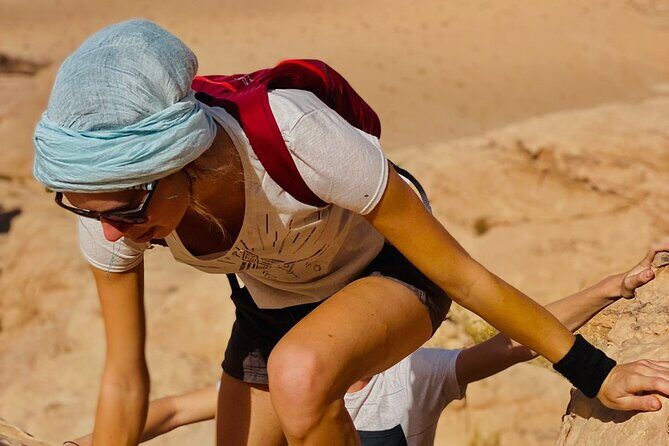
How it feels on your body: plan for a steady work-out, not a casual walk. The rocky surface means constant micro-adjustments. When the route turns steep or technical, you may need to scramble and sometimes climb. If you’re unsure about your comfort level, say something early. Your guide can guide your pace, and you’ll also see that the group moves together rather than racing.
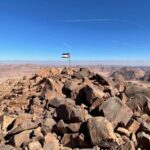
At the top, the pace changes. This is when you slow down on purpose. You’ll take time for pictures, enjoy the view, and drink fresh Bedouin tea. That tea moment is more than a break—it’s a cultural pause, a reminder that the hike is hard but not rushed. It’s also when the group energy usually shifts from effort to awe.
If you’re the kind of traveler who likes knowing exactly what you’re signing up for: the Burdah portion is the technical one. Everything after that is still active, but it’s less about steep climbing and more about walking, short climbs, and scenery.
Lunch by Fire and a String of Bridges and Canyons
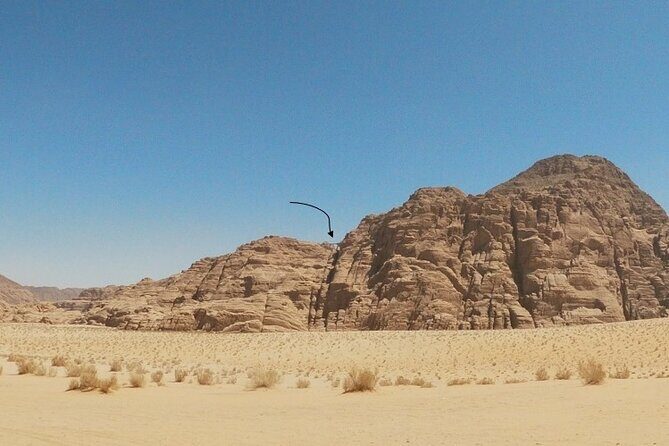
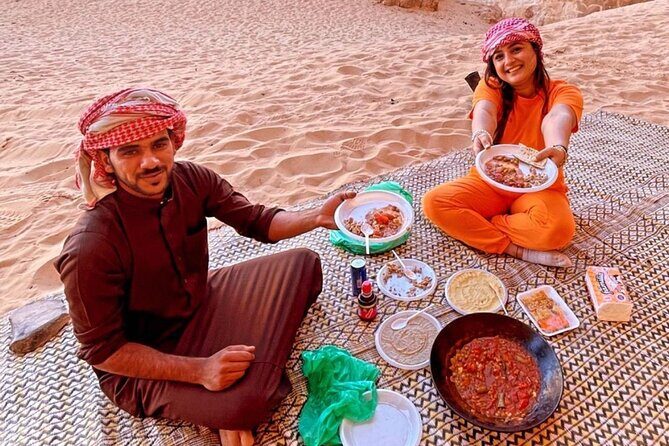
After the main climb, you’ll fuel up with a traditional Bedouin lunch cooked outside on the fire. Lunch is served as a warm, rotating mix of local favorites. You can expect staples like vegetables, bread, hummus, and yogurt, with other local treats added depending on the day. It’s not a fancy buffet-style setup—think hearty, desert-suitable food that actually tastes good after you earn it.
While the food cooks, you can choose how you want to spend the time. You can explore on foot in the area or just relax. Either way, you’re in a landscape of tall rock walls and open desert space, and you’ll feel the shift from climbing effort to “wander time.”
Then the itinerary keeps the momentum with several quick adventures:
- Umm Fruth Rock Bridge: a famous bridge about 15 meters high next to the Burdah bridge. It’s less challenging than Burdah, but it still involves a climb for photos. A nice practical tip: you’ll hand your camera or phone to your guide, who stays on the ground and helps capture a good shot from the bridge. Tourists can find the climb a bit challenging, but small holes are made in the rock to make it easier.
- Abu Khashaba Canyon: a short walk—about 30 to 45 minutes—through a deep narrow valley with tall rock walls. This stop is where Wadi Rum feels cooler and greener by contrast. You might notice trees and plants, hear lots of birds, and even see bottles hung up to collect rainwater for the birds.
These stops matter because they break up the day’s energy into manageable pieces. You’re not just doing one long hike. You’re collecting different kinds of desert moments: bridge drama, canyon calm, and photo-friendly rock.
Little Bridge, White Desert, and the Jeep Stretch
After lunch and canyon time, you’ll hit the shorter bridge and desert-color stops.
Little Bridge comes next. This one is called Little for a reason: it’s only a few meters high and generally easier than the bigger bridges. Still, the views are striking, and on photos it can look larger than it feels in person. When you come down, you’ll likely be in a Bedouin-tent rest area where sweet tea is waiting and you can browse souvenirs or relax with locals.
Then there’s the White Desert—totally different from the red-toned Wadi Rum most people imagine. It’s farther into the desert and usually feels more remote with fewer people around. You’ll see unusual rock shapes with names like Mushroom Rock and Chicken Rock. The color change alone is worth the stop, but the best part is seeing how quickly the desert’s character can shift.
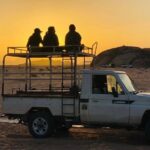
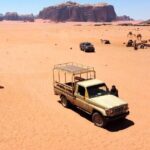
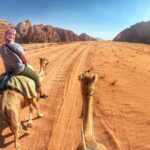
Finally, you’ll switch gears near the end with a jeep tour for sightseeing during the time you have left before sunset. This is smart pacing: the jeep helps you cover ground without burning all your energy before the most photogenic moment of the day.
If you’re worried about being too tired for sunset: this structure helps. You still do a lot of walking, but the jeep stretch keeps you from arriving drained.
You can also read our reviews of more hiking tours in Aqaba

Um Sabatah Sunset Viewpoint: Tea, Mats, and Timing
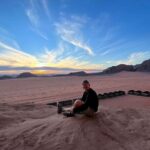
The day ends at Um Sabatah, widely known as one of the best places for sunset in Wadi Rum. The approach is simple: you’ll be taken to a more secluded viewpoint where you can overlook a broad view of the desert as the sun drops.
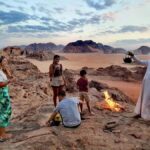
Here’s what you should expect on the ground: you can sit on mattrass (mattresses) or in the sand, and the team prepares sweet Bedouin tea on a fire while you watch the sky change color. This is the part where the earlier work pays off. From the Burdah bridge hike to the canyon walk, your eyes have been learning the terrain. At sunset, you finally get to see the whole place from above and feel how the rocks and shadows tell the story.
This isn’t a rushed finish. You’ll get around 30 minutes at the viewpoint, which is just long enough to watch the light shift and still feel like you could stay longer if you wanted.
If you’re the person who takes lots of photos, don’t panic. A relaxed plan works best: take a first set of wide shots early, then do close-ups as the light changes.
Price, Value, and Practical Tips for a Smooth Day
The price is $86.04 per person for an approximately 8.5-hour outing. That might sound like a lot until you line up what’s included. You get lunch, transfer to and from Wadi Rum Village, and bottled water plus tea. You also get a full day of multiple stops inside the protected area, not just a single hike.
A key value point: admission ticket fees for the stops are listed as free. You’re paying mainly for guide support, transportation between areas, and the organized timing that makes the day flow.
What’s not included is important to know early. Visitors Center transfer is an extra 10 JOD if needed. If you’re starting from somewhere that requires an extra hop, ask before you pay double.
Logistics that matter for comfort:
- The day requires moderate physical fitness. That means you don’t need to be a climber, but you should be ready to handle uneven rock and steep bits.
- The hike starts at 10:00 a.m., so arrive in the meeting window and be ready for terrain delays.
- Bring shoes with good grip. The trail is rocky, and your balance depends on it.
- Weather is a factor. The activity requires good weather, and if it’s canceled due to poor conditions, you’ll be offered another date or a full refund.
- The group max is 15 travelers, which helps, but you’ll still move at the pace of a shared group route.
One small human detail I like: the tour experience often runs with a local Bedouin guide (in at least some cases, someone named Bakhir) and support from the operator side for communication. That’s useful if you prefer clear messaging ahead of time.
Should you book this Burdah hike and climb?
If you want one day in Wadi Rum that combines a real climbing-style hike with classic desert stops and a sunset payoff, this is a strong choice. It’s especially worth booking if you like your travel days to feel active but not random: the route has a clear arc, lunch is taken care of, and the tea-and-pause moments are built in.
Don’t book it if you’re uncomfortable with steep, rocky scrambling or if you want only easy walking. This day includes technical terrain during the Burdah climb, and the rest of the itinerary keeps you moving.
If you do book it, send yourself a quick checklist before you go: good shoes, a water strategy (even though you get bottled water), and a mental note that the Burdah portion is the main workout.
FAQ
What time does the tour start in Wadi Rum Village?
The meeting happens at the Wadi Rum Rest House between 9:30 and 10:00 a.m., and the tour starts at 10:00 a.m.
How long is the Wadi Rum Burdah hike and climb tour?
It runs about 8 hours 30 minutes (approximately).
What is included in the price?
You get lunch, transfer to and from Wadi Rum Village, and bottled water and tea.
Is prior climbing experience required?
No climbing experience is required, but the Burdah hike includes rocky and technically difficult areas with scrambling and sometimes steep climbing.
Where do you watch the sunset?
The tour ends at the Um Sabatah Sunset Viewpoint, where you’ll have sweet Bedouin tea by the fire and about 30 minutes to enjoy the view.
What costs extra on the day?
A visitors center transfer is not included, and booking it separately is listed as 10 JOD.