REVIEW · AQABA
Wadi Rum: Camel Trek Adventure
Book on Viator →Operated by Wadi Rum Desert Eyes · Bookable on Viator
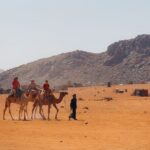
Wadi Rum is huge, and you should see it slowly. This private camel trek puts you in a traditional convoy with a guide who steers you to the main sights, without the shoulder-to-shoulder circus.
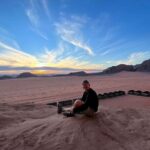
I especially like how the pace is built for photos and moments. You stop where it makes sense, ride when you’re comfortable, and you can linger for that orange sand light.
The only real drawback to plan for is the camel ride itself. Even with a gentle pace, you’ll feel it in your legs if you’re not used to riding.
In This Review
- What I like most
- Quick consideration before you go
- Key takeaways
- Why a private camel convoy makes Wadi Rum feel right
- Meeting at Wadi Rum Rest House: what the start feels like
- The 3–4 hour camel route: Protected Area, Lawrence Spring, and Red Sand Dune
- Why that half-day timing is smart
- Khazali Canyon petroglyphs: what you’re actually seeing
- Camel comfort, handling, and how the ride feels in real life
- Photo strategy that works on camelback
- Price and value: the real cost of a $91 private trek
- Who should book this trek (and who might rethink it)
- Who should be careful
- Booking smart: how to get the most out of your ride
- Should you book the Wadi Rum Camel Trek Adventure?
- FAQ
- How long is the Wadi Rum camel trek?
- Where do I meet the guide?
- Is the Wadi Rum entrance fee included?
- What’s included in the tour price?
- Is this tour private or shared?
- What should I know about fitness level?
- Is there free cancellation?
What I like most
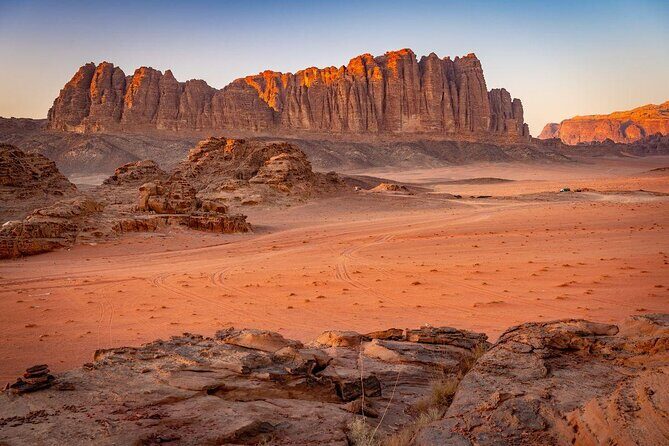
One thing I love is the clear structure: meet at Wadi Rum Rest House, follow your guide for the best route, then return after 3 to 4 hours. It’s simple, and it doesn’t eat your whole day.
Another strong point is the focus on the big Wadi Rum hits. Expect time in the Wadi Rum Protected Area, likely including Ain Abu Aineh (Lawrence Spring), the Red Sand Dune, and a stop at Khazali Canyon with ancient petroglyphs.
Quick consideration before you go
You’ll pay for the Wadi Rum entrance fee separately unless you have the Jordan Pass. It’s not a dealbreaker, but it changes the true total cost.
You can also read our reviews of more hiking tours in Aqaba

Key takeaways
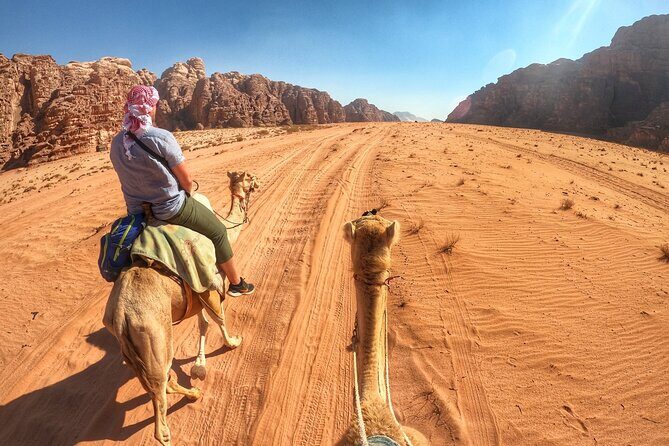
- Truly private: only your group, guided through Wadi Rum by a local team
- Photo-friendly pacing: stop often for views of dunes and rock formations
- Classic sights in one ride: Lawrence Spring, Red Sand Dune, and Khazali Canyon
- Water included: bottled water is part of the tour
- Easy half-day planning: you’re done in about 3 to 4 hours, then you’re free
Why a private camel convoy makes Wadi Rum feel right
Wadi Rum can swallow a schedule. One moment you’re near the village, the next you’re in a sea of sand and rock that feels like it goes on forever. A private trek matters here because it keeps your day from turning into a timing game.
With a traditional convoy style, you’re not just stuck on the camel and hoping you’ll see the best spots. Your guide is there to bring you to the big landmarks and keep the ride moving at an easy rhythm. That means you can enjoy the slow desert feel instead of constantly scanning for where the group went.
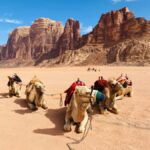
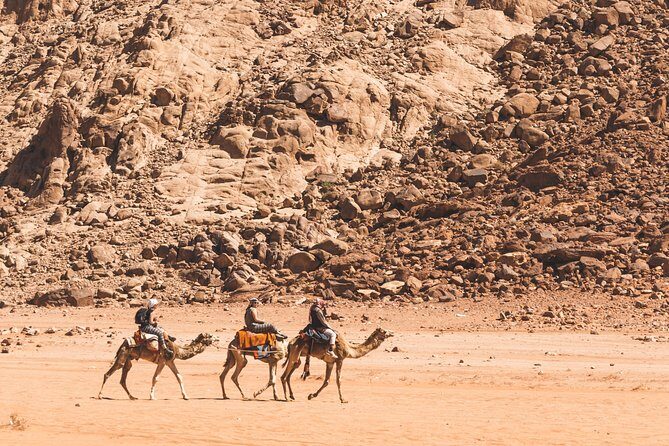
And yes, you’ll get lots of chances to photograph camels and scenery from a comfortable angle. One of the nicest parts of camel trekking in Wadi Rum is that you’re high enough to see the dunes sweep around you, but low enough to feel close to the textures—sand ridges, rock edges, and the canyon shapes that look different as the light shifts.
Meeting at Wadi Rum Rest House: what the start feels like
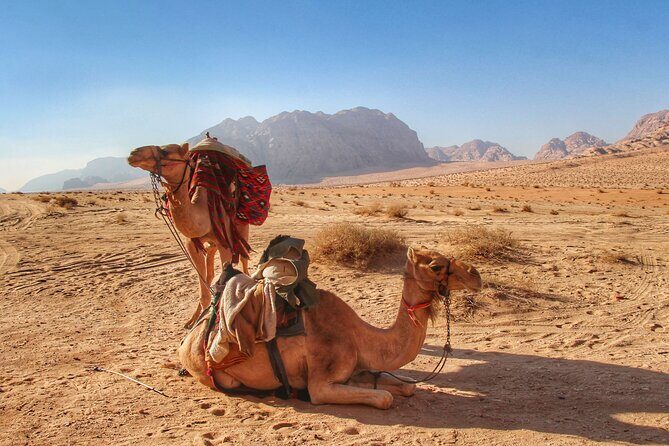
Your tour starts and ends at the meeting point around the Wadi Rum Rest House area in Wadi Rum Village. That matters because it keeps things straightforward. No complicated transfers are listed—just arrive, meet your guide, and head out.
Once you’re out, you follow your guide for the best route in Wadi Rum. Your guide sets the rhythm, and you’re not pressured to keep up with a long line of people. That’s one of the reasons guests rate this highly: it doesn’t feel rushed, and it doesn’t feel chaotic.
You’ll also want to remember that this is a moderate physical fitness kind of outing. Camel riding isn’t the same as hiking, but you’re still climbing on and off, holding your balance, and spending time in the saddle. If you’re comfortable with that, you’ll likely have a good time.
The 3–4 hour camel route: Protected Area, Lawrence Spring, and Red Sand Dune
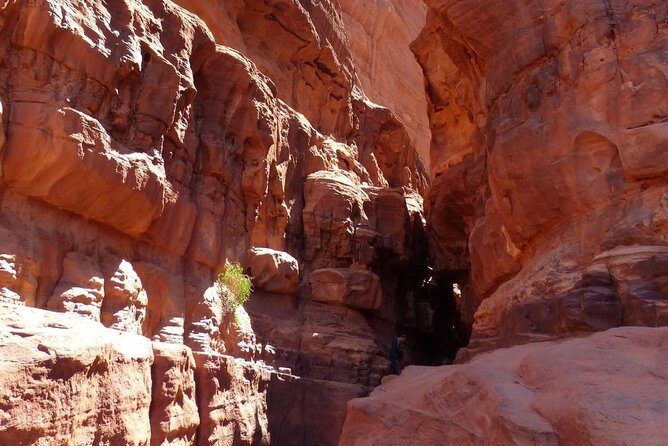
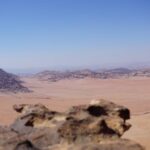
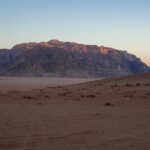
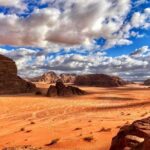
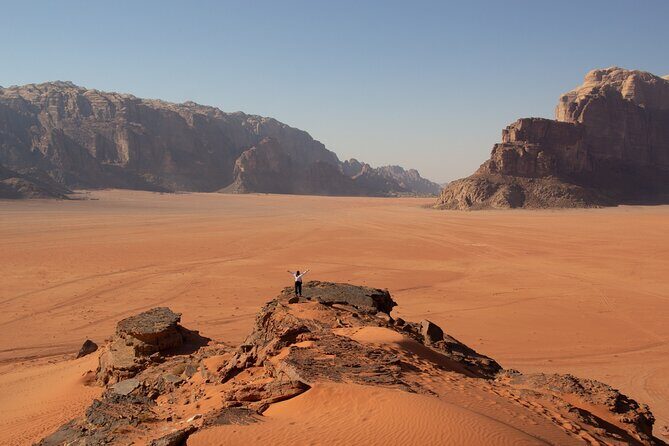
The core of the experience happens inside the Wadi Rum Protected Area. This is the part of the desert that most people come for: orange sand valleys, dramatic rock formations, and the sense that you’re riding through a set built for a movie—even when it’s just sand and stone.
Your ride is designed around major stops. The itinerary can vary depending on whether you’re going in the morning or afternoon, but the highlights usually include:
- riding from Ain Abu Aineh (Lawrence Spring) toward the Red Sand Dune
- visiting Khazali Canyon for ancient petroglyphs
Ain Abu Aineh (Lawrence Spring) is a standout because it connects to the wider Lawrence of Arabia story. Even if you don’t care about the literary details, it’s a useful anchor: it gives the ride a clear “this is where we’re going” feeling, rather than just wandering.
The Red Sand Dune stop is the kind of moment you remember later. You get the slow camel ride, then a chance to take in the open views from the right angle. It’s also where the light tends to make everything look extra warm, even on clearer days.
A nice practical detail: the tour includes bottled water. In desert conditions, that small thing helps. You’re not worrying about whether the water situation is covered, and you can focus on the ride.



Why that half-day timing is smart
This experience runs about 3 to 4 hours. After that, the rest of your day is free. For many people, that’s the hidden value: Wadi Rum isn’t just a day-trip show. If you have time left after the camel ride, you can build your own plan—stay in the area, explore nearby stops, or just take a breath and enjoy the slower pace.
Khazali Canyon petroglyphs: what you’re actually seeing
The big reason Khazali Canyon gets named is the artwork. It’s famous for ancient petroglyphs and inscriptions. This is the difference between Wadi Rum as scenery and Wadi Rum as place.
On the camel trek, you’re not turning into a museum tour. Instead, you get a small, guided visit inside the flow of the ride. The guide leads you to the right viewpoints so you can read the canyon features without feeling lost.
A practical tip: bring a phone or camera and clean your lens beforehand. The canyon environment can bring dust and grit into the air. When you’re trying to capture rock markings, a quick wipe can save a photo session.
Also, don’t rush this stop just to get back on the camel. The canyon engravings reward patience. Even if you don’t recognize the symbols, you’ll appreciate the scale and the fact that they’re still here.
Camel comfort, handling, and how the ride feels in real life
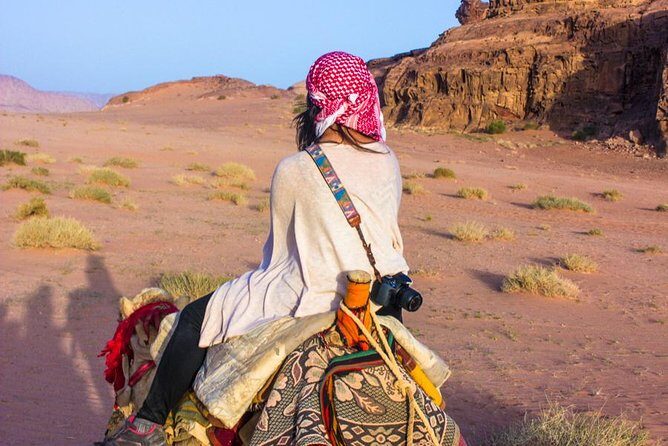
Camel rides sound simple until you’re on one. The good news is that the tour is built around a slow, controlled pace with stops for photos and viewing. Many guests highlight that the camels are well cared-for and described as healthy and gentle.
One review note that stands out: the camel handling is calm, with no aggressive behavior like whips. That doesn’t mean you should expect luxury comfort, but it does suggest the ride is managed with care.
Still, here’s the honest part: people also talk about soreness, especially after longer camel days. This specific tour is shorter (3 to 4 hours), so it’s more manageable than full-day treks. If you’re prone to leg fatigue, consider doing some stretching the morning you ride and wearing comfortable footwear.
Photo strategy that works on camelback
You’ll be tempted to hold your camera the whole time. Try this instead: alternate. Take a few steady photos, then put the camera down and actually look around. The desert has a way of pulling your attention from dunes to rock ribs to canyon walls, and the best photos often come when you pause and reframe calmly.
Also, plan for the fact that you’ll be moving. If you want crisp shots, focus on the horizon or big rock shapes rather than tiny details while the camel is walking.
Price and value: the real cost of a $91 private trek
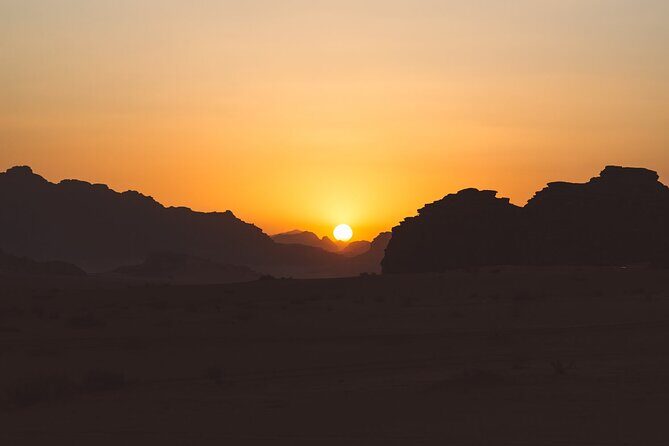
The listed price is $91 per person for a private camel trek around 3 to 4 hours, with bottled water included. That price can feel like a lot until you factor in what you’re buying: a private guide, camels, desert routing, and time in key Wadi Rum sites.
Your final total can change because the Wadi Rum entrance fee is not included. The stated entrance fee is 7 JD per adult, payable at the Visitor Centre, unless you’re covered with the Jordan Pass.
So your value check looks like this:
- If you already have the Jordan Pass, your main out-of-pocket is the tour price plus whatever else you choose that day.
- If you don’t have the Jordan Pass, add the entrance fee to your mental math. Still, the half-day format can be good value if it prevents you from stacking multiple separate tours.
Another small but practical advantage: the operation offers group discounts, and there’s a mobile ticket. If you’re traveling with friends or family, that discount can make the private feel even better.
And don’t ignore the review pattern: this tour is rated highly with a strong recommendation rate. In plain terms, that suggests people feel they got what they paid for—private time, cared-for camels, and the key Wadi Rum stops without hassle.
Who should book this trek (and who might rethink it)
This is a great fit if you want:
- the best Wadi Rum route with minimal hassle
- a private experience instead of a big group ride
- time for photos and a relaxed pace in the Protected Area
- a half-day plan so your afternoon stays open
It’s also a good choice for people who want a Bedouin-led vibe without committing to a full-day trek or multi-day camp plan. Some guests have done longer camel treks and even overnight camps, and the consistent theme across those experiences is that the guides and teams are organized and friendly.
Who should be careful
If you have knee issues or you struggle with balance when stepping up and down, camel riding can be uncomfortable. This tour asks for moderate physical fitness, so if you’re unsure, you might consider a shorter ride option or a different kind of desert activity (if available during your dates).
Also, plan your expectations about time and coverage. You’re not riding for a whole day. You’re doing a focused, high-impact route that hits several famous stops—then you’re back with your afternoon free.
Booking smart: how to get the most out of your ride
I’d book this when you want Wadi Rum to feel calm and personal. The private setup makes a big difference if you hate waiting, hate crowds, or hate being herded.
A couple of practical moves will help you enjoy it more:
- wear closed-toe shoes you can walk in, because you’ll still be stepping on and off
- bring sun protection since you’re outdoors and moving
- plan to spend a little extra time at stops like Khazali Canyon, not just snapping and rushing
If you’re traveling in a group, ask about the group discount option. Even small savings matter when you’re adding entrance fees and other Jordan costs into the same day.
Finally, remember the entrance fee piece. If you don’t have the Jordan Pass, confirm how you’ll handle that 7 JD per adult. Nothing kills the mood like scrambling at the last minute.
Should you book the Wadi Rum Camel Trek Adventure?
Book it if you want a private, guided camel ride that hits the key Wadi Rum sights in a 3 to 4 hour window. The value is strongest when you want less crowd energy, more photo time, and an easy half-day schedule afterward.
Skip or rethink it if you’re expecting a gentle, spa-like experience. Camel riding can be physically demanding in your legs and balance, even for a shorter tour. If that’s a concern, choose your footwear carefully and consider timing the ride when you feel most rested.
If you’re on the fence, I’d weigh this: you’re paying for access to the Protected Area route, plus a guide to get you to places like Lawrence Spring and Khazali Canyon without guesswork. That’s the sort of convenience that often turns into the best memories later.
FAQ
How long is the Wadi Rum camel trek?
It runs about 3 to 4 hours.
Where do I meet the guide?
You start at Wadi Rum Rest House in Wadi Rum Village, Jordan.
Is the Wadi Rum entrance fee included?
No. The entrance fee is 7 JD per adult, paid at the Visitor Centre. It can be free with the Jordan Pass.
What’s included in the tour price?
The tour includes bottled water.
Is this tour private or shared?
It’s private. Only your group will participate.
What should I know about fitness level?
The tour is for people with moderate physical fitness.
Is there free cancellation?
Yes. You can cancel up to 24 hours in advance for a full refund.