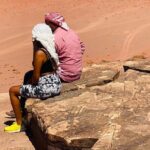
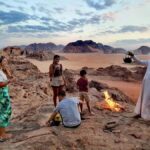
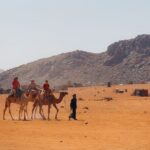
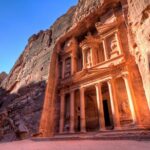
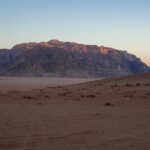
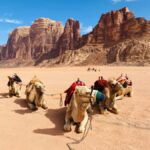
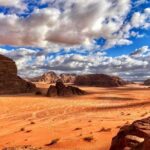
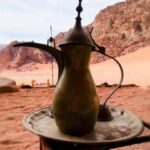
Wadi Rum feels like another planet. This full-day Wadi Rum tour strings together the desert’s best photo stops fast, from Lawrence Spring to Rockbridge, plus Bedouin tea breaks along the way.
I particularly like the pacing: you get a mix of walk-through canyon time and viewpoint hikes, without turning the day into an all-day endurance test. You’ll also see the kind of details that make Wadi Rum feel lived-in, not just scenic—plus guides such as Tawfiq (often with Sattam/Satam) who keep things friendly and clear.
One thing to consider: you’re out for about 4 hours 30 minutes, so each stop is timed (often around 30 minutes). Also, there’s an extra 5 JOD protected-area entrance fee unless you use a Jordan Pass.
In This Review
- Key highlights to know before you go
- Why this Wadi Rum route works so well in about 4.5 hours
- Morning logistics: pickup, timing, and what “private” means
- Stop-by-stop: what you’ll see and how to enjoy each part
- Lawrence’s Spring: a small oasis with big meaning
- Khazali Canyon: the narrow walk where petroglyphs matter
- Rockbridge (Um Fruth): the viewpoint climb you’ll remember
- Lawrence’s House: turn around for the payoff
- Inscription Rock (Anfashieh): Thamudic and Nabataean carvings
- Burdah Canyon: orange-rock scenery and sandy textures
- Dunes Resort stop: sand time, with surfing mentioned
- Food, water, and the Bedouin tea rhythm
- Price and value: what $110 really covers, and what might add up
- What I’d bring (and what to plan for)
- Who this tour fits best
- Should you book this Wadi Rum full-day tour?
- FAQ
- How long is the full-day Wadi Rum desert tour?
- What time does the tour start?
- Where does the tour meet?
- Is pickup included?
- Is the tour in English?
- What stops are included during the day?
- Do I have to pay an entrance fee to enter Wadi Rum Protected Area?
- What’s included for drinks?
- Is the tour private?
- Can I cancel and get a full refund?
Key highlights to know before you go
- Lawrence Spring: a real oasis pocket set in a harsh mountain area
- Khazali Canyon: a narrow 100 m fissure with petroglyphs and inscriptions
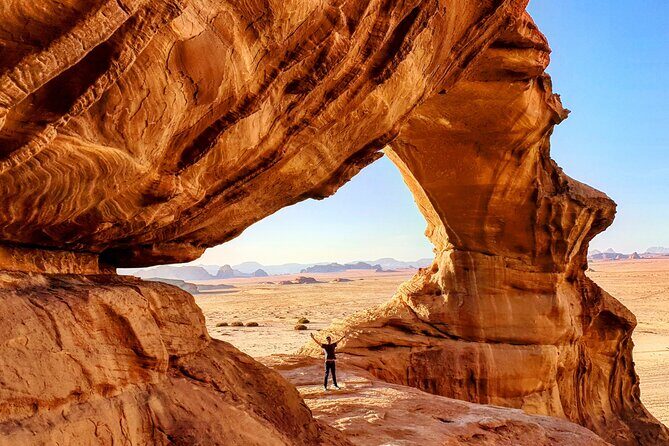
- Um Fruth Rockbridge: the iconic bridge, with a climb up for the payoff view
- Inscription Rock (Anfashieh): Thamudic and Nabataean writing plus animal and caravan drawings
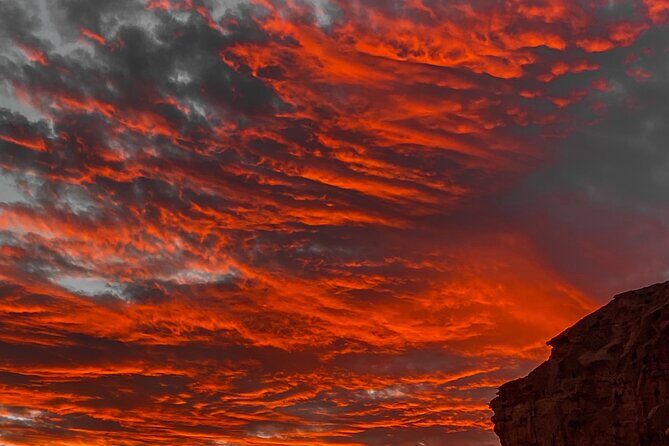
- Burdah Canyon: dramatic sand-and-rock scenery that looks especially good in early or late light
- Dunes Resort stop: sand time, with the option mentioned to surf/sandboard if you want
Why this Wadi Rum route works so well in about 4.5 hours
Wadi Rum is huge, and if you try to cover it with only one or two stops, you miss what makes it special: the way different rock cuts, springs, and carvings sit side-by-side in one compact area. This tour is built around variety.
You’ll start early (7:30 am) and move through the desert with a private setup for your group. That early start matters here. The morning light helps rock colors read better, and it’s easier to enjoy walking bits—especially in spots like canyon fissures or the climb toward the rock bridge viewpoint.
The other big reason the route works: you’re not just taking photos from the jeep window. Parts of the day include short, purposeful walking: Khazali Canyon is a real “go in and look closely” moment, and Rockbridge rewards you for making the climb for the top view.
A few more Aqaba tours and experiences worth a look


Morning logistics: pickup, timing, and what “private” means
The tour starts at Wadi Rum Village (start time: 7:30 am). Pickup is offered from the village centre, and you’ll return to the same place at the end.
Even though the price is per person and the operator mentions group discounts, the experience is listed as private for your party—so you don’t have to share your day with a crowd. In practice, that usually means fewer waiting moments between stops, and it’s easier to ask questions (especially about the Bedouin way of talking about the desert).
It’s also offered in English, and you’ll get a mobile ticket. Service animals are allowed, and the meeting area is near public transportation—useful if you’re building your own Aqaba-to-desert plan.
Stop-by-stop: what you’ll see and how to enjoy each part
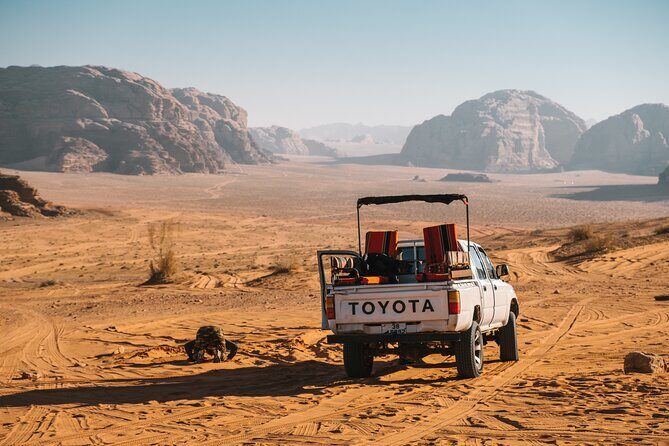
Lawrence’s Spring: a small oasis with big meaning
You’ll first head to Lawrence’s Spring. In Wadi Rum, springs are not just water spots—they’re life-support systems in a mountain setting where most surroundings are tough and dry. The area is described as having limestone tops and granite bases, and that makes the spring feel like a natural contradiction: an oasis in a landscape that seems built for survival.
This stop is about 30 minutes, and it’s a good early anchor. It helps you “get” the desert before the rock carvings and canyon walls start to throw you new visual information.
Tip: bring a moment of quiet here. Even if you’re there for photos, this is one of those spots where the calm is part of the experience.
Khazali Canyon: the narrow walk where petroglyphs matter
Next up is Khazali Canyon, a narrow fissure about 100 meters long. You get time to walk through it, looking for petroglyphs and inscriptions carved into the canyon surfaces.
This is not a long hike, but it is a close-up one. Canyons are good for learning because the walls force you to look at scale and detail. If you enjoy history that’s physically in front of you—writing carved by people who traveled through this area—you’ll likely find this stop more satisfying than a simple viewpoint.
Timing is again around 30 minutes, so don’t sprint through. You’ll get more from slowing down and letting the carvings come into focus.



Rockbridge (Um Fruth): the viewpoint climb you’ll remember
Then comes Rockbridge, specifically the Um Fruth rock bridge. It’s described as being about 15 meters up from the desert floor, and yes—the climb is part of why this stop is so famous.
You’ll spend about 1 hour here, which gives you time to get up, take photos, and enjoy the view rather than rushing back the second you reach the best angle. This is the point where Wadi Rum starts to look less like separate sights and more like one connected maze of rock shapes.
Practical note: wear shoes with grip for sandy or uneven footing. You don’t need mountaineering gear, but you do want steady steps near drops and slick patches.
Lawrence’s House: turn around for the payoff
Lawrence’s House is a structure named for TE Lawrence, who reportedly slept here during his time in the desert. When you visit, you’re told not to forget to turn around—because the structure sits at the top of a slope, and the view across the valley is part of the experience.
This stop is about 30 minutes, so it’s more about the moment than a long wandering session. The best way to make it work is to spend the first part looking at the structure itself, then switch to the view and let your eyes scan the mountain shapes across the valley.
If you like desert photography, this is a good place to try a few different angles—wide, then a closer framing of rock layers across the valley.
Inscription Rock (Anfashieh): Thamudic and Nabataean carvings
Next is Inscription Rock Petroglyphs at Anfashieh. This mountain is known for both its formations and its inscriptions. You’ll see Thamudic and Nabataen inscriptions, plus drawings of animals, humans, and camel caravans.
This is the stop that rewards curiosity. If you enjoy understanding what you’re looking at, ask your guide to point out what’s significant—because once you know what to search for, these carvings stop being random scratches and start reading like messages from trade routes and passing lives.
Timing: about 30 minutes. That’s enough time to get the main impressions, but not enough time to fully decode every figure—so focus on what jumps out first, then do one slower second pass.
Burdah Canyon: orange-rock scenery and sandy textures
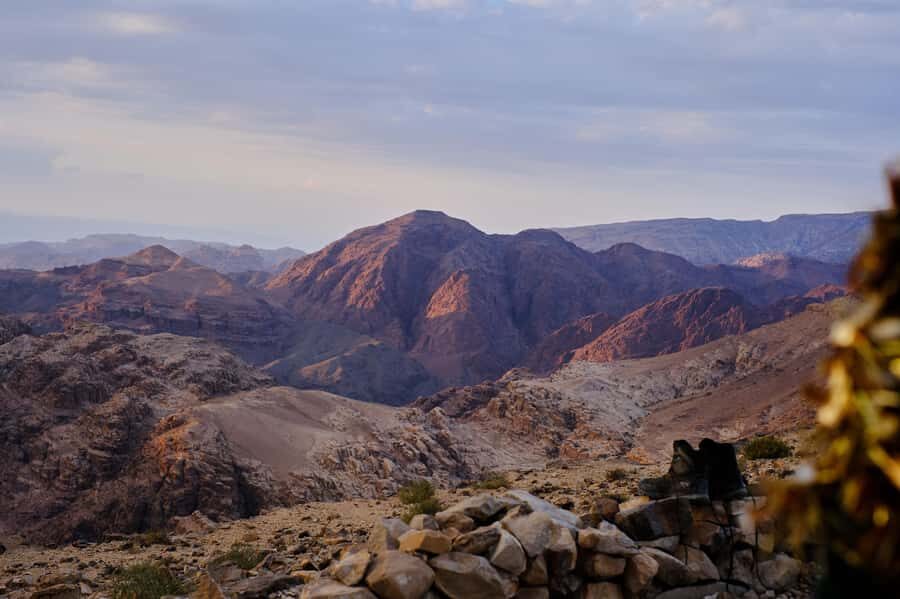
Burdah Canyon is the deep canyon stop. It’s described as very beautiful especially in early morning or late evening when the sun turns the rock deep orange.
This tour gives you about 1 hour here, and that’s a big deal. Canyon light changes fast, so the extra time helps you catch a better color moment instead of seeing everything under harsh, flat midday sun.
What to watch for: sand pockets and dramatic rock walls. The combination of deep canyon cuts and sandy textures is part of why Burdah Canyon feels so cinematic.
Dunes Resort stop: sand time, with surfing mentioned
You’ll finish with a dunes resort-style stop described as Oceanfront Myrtle Beach Lodging (the name is unusual, but the point is the dunes experience). The day’s final push is about slowing down and enjoying the desert through the sand.
The description even mentions that if you’re brave enough you can surf. In real-world terms, this is where people often try sandboarding or similar dune sliding, depending on what’s set up at the time.
Timing: about 30 minutes. It’s short, but it’s exactly the kind of reset you want at the end of a canyon-and-carvings day.
Food, water, and the Bedouin tea rhythm
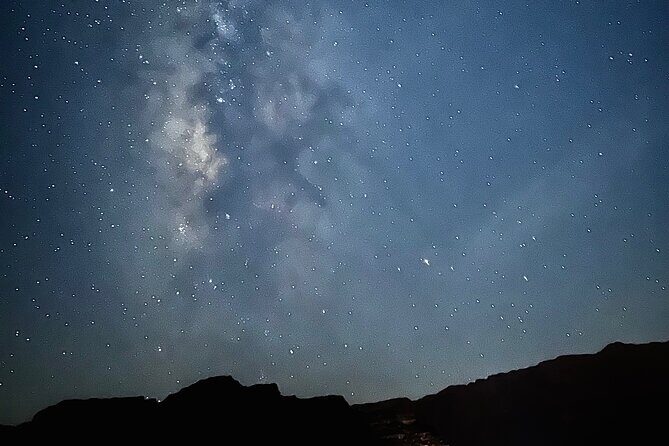
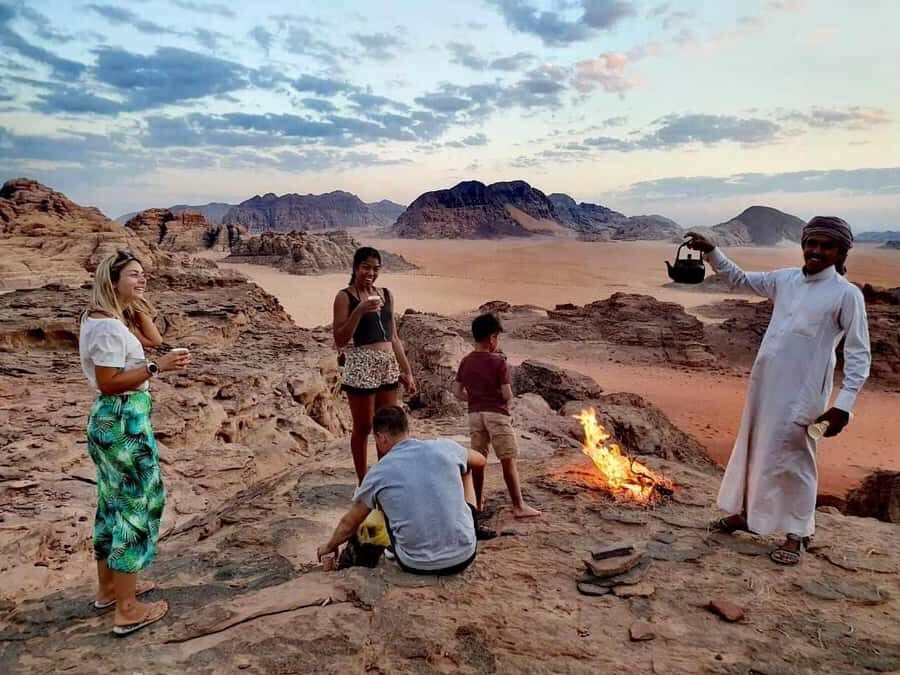
Even with a short tour day, you don’t just get dropped at each sight and left alone. The experience includes a free bottle of water and Bedouin tea.
And in practice, you should expect a traditional lunch break during the day. That matters more than it sounds. In Wadi Rum, food isn’t just fuel—it’s part of the social rhythm of the desert. Tea breaks also give you a chance to cool down and ask questions about what you just saw.
If you’re sensitive to heat, use the tea time like a timer: cool down, hydrate, then head back out for the next stop.
Price and value: what $110 really covers, and what might add up
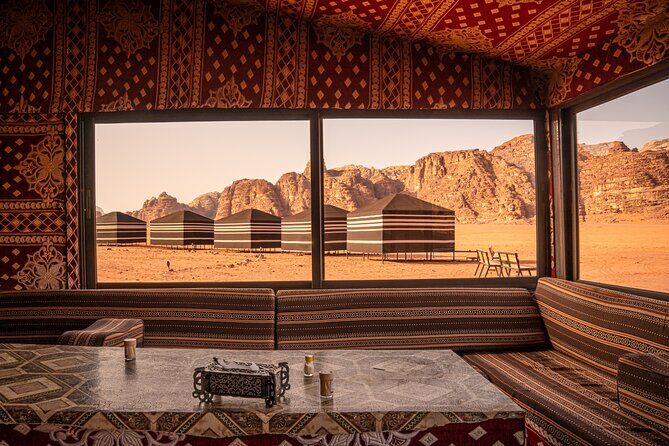
The price is $110 per person for the tour (about 4 hours 30 minutes). For a desert day like this, you’re paying for the practical stuff that’s hard to DIY: transport between stops, local guiding, and the route that hits multiple signature sites.
What’s not included is the 5 JOD entrance fee for the Wadi Rum Protected Area. If you have a Jordan Pass, the fee is waived. The info also lists a $7.00 per person figure, so when you book, confirm the exact total on your confirmation message so you don’t get surprised at the start.
Is it good value? For many people, yes, especially if you want a high-hit itinerary in a limited time window. But if you’re already staying inside Wadi Rum, or you have your own car and plan, this may feel pricier than a single-sight option. The value is in the combination: spring, canyon carvings, rock bridge, viewpoint, and dunes.
What I’d bring (and what to plan for)
Nothing fancy, but a few basics make the day easier:
- Closed-toe shoes with grip for sand and uneven rock
- A hat and sunscreen (morning helps, but sun still hits hard)
- A light layer if the morning feels cool when you start at 7:30 am
- Your camera ready for quick climbs and fast-changing canyon light
Also, expect short stop times. This is a “see a lot, learn enough” format, not a slow, hours-long nature study.
Who this tour fits best
This works best if you:
- Want a packed but manageable Wadi Rum day without committing to a full-day hike
- Like a blend of walk-through sights (canyon) and viewpoint payoff (rock bridge and slopes)
- Want a guide who talks through what you’re seeing and keeps things comfortable
It might be less ideal if you:
- Want long, uninterrupted time at just one or two sites
- Have limited tolerance for short sandy walking or uneven steps during climbs
On the plus side, the experience notes that most people can participate, and service animals are allowed.
Should you book this Wadi Rum full-day tour?
If you’re doing Wadi Rum for the first time and you’re short on time, this is a smart pick. The route hits the signature moments—Lawrence Spring, Khazali Canyon, Um Fruth Rockbridge, Lawrence’s House, Anfashieh inscriptions, Burdah Canyon, and the dunes stop—and it does it with a pace that keeps the day lively rather than exhausting.
I’d book it if your goal is: see the best of Wadi Rum, get out photos and memories, and still have time to feel the desert instead of just racing through it.
Just confirm the entrance fee situation with your booking and plan for sandy footing on the rock bridge climb and canyon walk. If you do that, you’ll have a day that feels like Wadi Rum in miniature—one route, many ways to look at the same red rocks.
FAQ
How long is the full-day Wadi Rum desert tour?
It runs for about 4 hours 30 minutes.
What time does the tour start?
The start time is 7:30 am.
Where does the tour meet?
You meet at Wadi Rum Village, at the village centre.
Is pickup included?
Yes, pickup is offered from the Wadi Rum Village centre, and you return to the same place.
Is the tour in English?
Yes, it’s offered in English.
What stops are included during the day?
The tour includes Lawrence’s Spring, Khazali Canyon, Rockbridge (Um Fruth), Lawrence’s House, Inscription Rock petroglyphs at Anfashieh, Burdah Canyon, and a dunes resort stop for sand time.
Do I have to pay an entrance fee to enter Wadi Rum Protected Area?
Yes. There is a 5 JOD entrance fee for the protected area, and it is waived for Jordan Pass holders.
What’s included for drinks?
A free bottle of water and Bedouin tea are included.
Is the tour private?
Yes. It’s listed as private, so only your group participates.
Can I cancel and get a full refund?
Yes. Free cancellation is available up to 24 hours in advance for a full refund, and within 24 hours the amount paid is not refunded.