REVIEW · AQABA
Wadi Rum 4 hours morning tour or sunset tour Desert Highlights
Book on Viator →Operated by Wadi Rum Desert Calm · Bookable on Viator
Wadi Rum works best when you don’t waste daylight. This 4-hour jeep tour is a smart way to hit major sights—Lawrence Spring and the Al Ramal red dune—without spending your whole trip figuring out roads.
I also like the human side: meeting Bedouins, sipping traditional tea, and getting a guide who explains what you’re seeing instead of just pointing. One thing to consider: this is desert touring with real climbs and uneven footing, so bring good footwear and don’t expect a fully gentle stroll at every stop.
In This Review
- Quick Hits: What You’ll Remember After 4 Hours
- First Stop: Wadi Rum Village Rest House and How the Timing Feels
- Lawrence Spring: Cool Water, Camel Hangouts, and Ancient Inscriptions
- Al Ramal Red Sand Dune: Iron-Oxide Color and the Sandboarding Option
- Jebel Khazali Canyon: Petroglyphs, Caravan Traces, and Quiet Canyon Green
- Little Bridge and the Bedouin Tent Tea Moment
- Um Frouth Rock Arch and Lawrence’s House: Big Photos With Real Climbing
- Mushroom Rock and Abu Khasaba: Morning Canyon Walk or Sunset Viewpoint
- Morning option: Abu Khasaba Canyon walk
- Sunset option: viewpoint and tea by fire
- What’s Included (and Why It Matters When You’re in the Desert)
- What to Bring for a Smooth, No-Drama Day
- Who This Tour Is Best For (and Who Might Want a Different Pace)
- Price and Value: Is $42 a Good Deal for Wadi Rum?
- Should You Book This Wadi Rum Desert Calm Jeep Tour?
- FAQ
- How long is the Wadi Rum jeep tour?
- Where do I meet and where does the tour end?
- What is the price per person?
- Is the tour morning or sunset, and what changes?
- What’s included in the price?
- What should I pay attention to if I’m coming from the Visitors Center?
- How many people are in a group?
- Is sandboarding part of the experience?
- Can I cancel for a full refund?
Quick Hits: What You’ll Remember After 4 Hours
- Fast, focused route: 4 hours that actually cover the key Wadi Rum landmarks.
- Lawrence Spring vibes: cool water, camel hangouts, and Thamudic-style inscriptions nearby.
- Al Ramal red dune: iconic iron-oxide red sand plus time to climb and sandboard.
- Rock formations with stories: Khazali Canyon, Lawrence’s House, Um Frouth, and Mushroom Rock.
- Two tour flavors: morning canyon walk or a sunset viewpoint with tea by fire.
- Small group feel: max 15 travelers, so you’re not swallowed by a crowd.
First Stop: Wadi Rum Village Rest House and How the Timing Feels
You start at the Wadi Rum Rest House in the Wadi Rum Village area. From there, your guide gathers your group and you roll out together in jeeps. On the morning-style departures, you’ll typically start around 10:10, so you’re using the day while the light is nice.
The big practical thing to know is how the time gets divided. Most stops are around 15–25 minutes, which is perfect if your goal is “see a lot, get the highlights, take photos, move on.” It can feel a bit quick if you’re the type who loves lingering. But if you want a classic Wadi Rum overview, this pacing is exactly what you want.
If you’re short on time in Aqaba, this also helps your schedule. You spend your daylight in the desert, not on transfer guesswork.
You can also read our reviews of more evening experiences in Aqaba


Lawrence Spring: Cool Water, Camel Hangouts, and Ancient Inscriptions
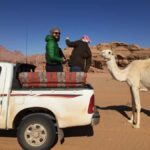
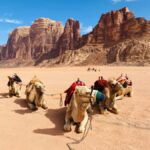
One of the most relaxing stops is Lawrence’s Spring. It’s a natural water source in Wadi Rum, and the water runs down the mountains into troughs like a tiny oasis in the red rock. You’ll find small trees and green moss around the water, and the whole scene is usually a favorite hangout spot for camels.
There’s also the “look closer” side. The spring area is described as having inscriptions of Thamudic origin, meaning you’re not just watching water—you’re seeing evidence of how people read and marked the landscape long before modern tourism.
Drawback: this spot is more of a pause than a hike. If you’re hoping for a long walk here, you won’t get that. But if you want a break from heat and a chance to sit and watch camels approach the water, it’s a great reset.
Al Ramal Red Sand Dune: Iron-Oxide Color and the Sandboarding Option
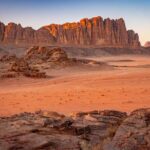
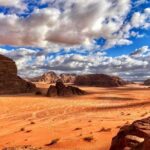
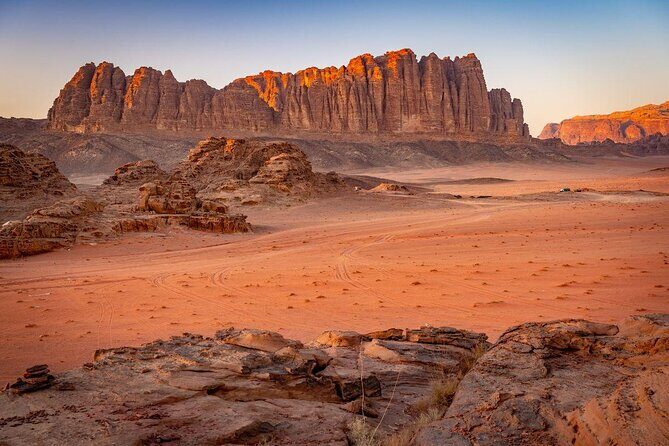
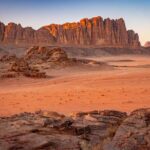
Next comes the classic Wadi Rum moment: the Al Ramal Red Sand Dune. This is the famous red dune in the area, with that intense color tied to high concentrations of iron oxide. It looks simple from the base. Then you start climbing—and the sand starts fighting back.
Soft sand can make the climb slow and tiring, especially in warm months. You may feel it in your legs by the time you reach the top. The upside is that the view from the dune is the kind of wide, clean sight you’ll want to photograph from multiple angles.
Time at this stop includes a chance to run or sandboard your way back down. That’s one of the fun “Wadi Rum credits” you can cash in fast—no need to plan a separate activity.
Practical tip: wear closed-toe shoes with grip. Sand plus rock plus one slick moment on the way down is how a great day turns into a scraped knee story.
Jebel Khazali Canyon: Petroglyphs, Caravan Traces, and Quiet Canyon Green
If you like the more human side of Wadi Rum, Khazali Canyon is a standout. You’ll move between split mountains, where the canyon walls carry layers of meaning: Thamudic, Nabatean, and Islamic inscriptions, plus petroglyphs of humans, animals, and even soles of feet.
The stop is described as a route once used by merchants and pilgrims traveling toward places like Egypt, Damascus, and Mecca. Even without getting overly dramatic about it, you can feel the logic of why people passed through here—shelter, a corridor, a way through.
You’ll also see man-made rock-cut basins for water collection at the end of the canyon. That detail matters because it shows how practical desert life was. People didn’t just survive with luck; they engineered ways to capture limited water.
Drawback: this is not a wheelchair-friendly stop as described. You’re walking around canyon terrain with uneven ground. If you have limited mobility, ask your guide how they’ll handle footing and where you can safely stay.
Little Bridge and the Bedouin Tent Tea Moment
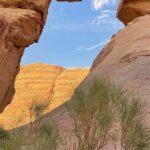
Then you’re off to Little Bridge in the Khor El Ajram area. It’s called a bridge for a reason—years of severe weather shaped a rock formation that looks like one. Even with the name, it’s described as not too high and relatively easy to climb, which makes it more approachable than some of the other rock ascents on this route.
This stop is built for photos and short climbing efforts. From the bridge you get wide desert views, then you descend and head to a Bedouin tent moment with sweet tea. You can also pick up small souvenirs there and hang out briefly with locals.
The tea part is more than a nice touch. It’s a chance to cool down and reset your energy before the more challenging viewpoint stops. On tours where the group is moving fast, that break can be the difference between “I’m exhausted” and “I’m having a great time.”
A few more Aqaba tours and experiences worth a look
Um Frouth Rock Arch and Lawrence’s House: Big Photos With Real Climbing
After Little Bridge, your route gets more “adventure” again with Um Frouth Rock Arch. This is a natural rock bridge that offers dramatic photo opportunities. Your guide helps you with positioning, and the plan includes time to take an impressive top photo using your phone or camera.
Still, it’s described as challenging for tourists, with small footholds created to make the ascent easier. That means you’ll want steady shoes and calm movement. No rushing. Your best photos come when you take a few extra seconds to set up and balance.
A bit later comes Lawrence’s House. This spot is tied to the real-world Wadi Rum caravan history, starting with Nabateans laying foundations more than 2000 years ago. It later became known in connection with TE Lawrence, the figure behind the Lawrence of Arabia story. You’ll also see piles of stones—described as road markings used by Bedouins—plus far desert views for photos.
Drawback: both Um Frouth and Lawrence’s House can involve short climbs on uneven ground. If you hate heights or you’re traveling with someone who does, talk with your guide early about safe alternatives.
In at least one past outing, guides like Majid have been praised for explaining what you can and can’t climb and why, which is exactly the kind of reassurance that helps you relax and enjoy.
Mushroom Rock and Abu Khasaba: Morning Canyon Walk or Sunset Viewpoint
At Mushroom Rock, you’ll see sandstone shaped into a mushroom-like form by wind and rain over centuries. This is the kind of stop that’s quick and fun: it’s easy to photograph and offers a little shelter vibe in the sun. Bedouins used it for centuries as shelter, which gives the rock more meaning than just a photo prop.
Then your tour splits depending on whether you booked morning or sunset.
Morning option: Abu Khasaba Canyon walk
For the morning-style tour, you’ll do a canyon walk in Abu Khashaba Canyon. It’s described as a deep, narrow valley with tall mountain walls and a surprising amount of green. You’ll hear birds chirping and see trees and plants that look out of place in the red desert.
There’s also a neat detail: locals hang bottles to collect rainwater so birds can drink. That’s a small system that turns the canyon into a real oasis of peace. The walk takes 30 to 45 minutes, and your guide picks you up on the other side.
Sunset option: viewpoint and tea by fire
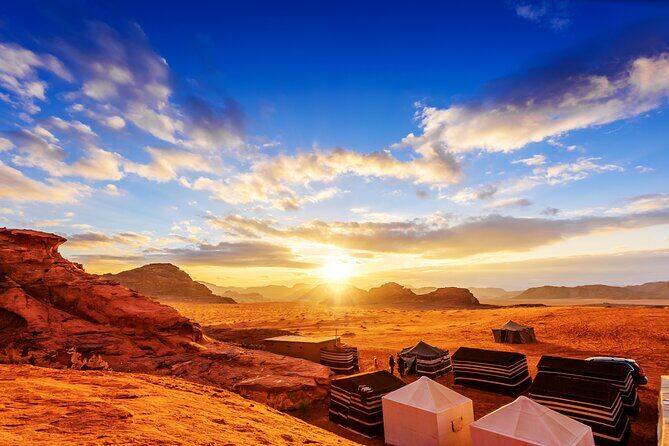
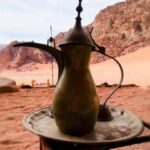
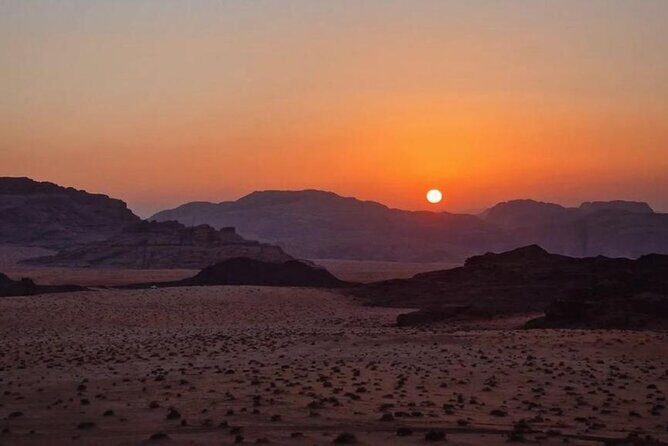
For the sunset-style tour, you’ll go to a secluded sunset viewpoint area with a wide panoramic view. The plan includes sweet Bedouin tea prepared on a fire. You sit on a mattress or in the sand and watch the light change over the desert.
This is where the timing matters. Wadi Rum sunsets are the headline, and this tour builds your day around that payoff rather than dumping it at the end as an afterthought.
If you’re sensitive to heat, either option is worth it—but sunset tours often feel more comfortable because temperatures drop as the sky turns gold.
What’s Included (and Why It Matters When You’re in the Desert)
This tour includes the stuff that keeps you from thinking too hard: transfer to and from Wadi Rum Village, plus bottled water and tea. That’s a real value in Wadi Rum, where it’s easy to underestimate how fast you lose energy.
You should also know about a common extra cost: transfer from the Visitors Center isn’t included. If you need it, you can book an extra transfer for 10 JOD.
Small-group size helps too. The max is 15 travelers, so you usually aren’t stuck watching your guide manage chaos. In one past experience, the driver and guide were praised for being accommodating with limited time, and for keeping things organized even when it got hot.
Speaking of hot: even with water and tea provided, you’ll still want your own basics.
What to Bring for a Smooth, No-Drama Day
Even with water and tea included, you’ll have a much better time if you come prepared. Based on practical guidance from guides and past travelers, I’d pack:
- Proper footwear for climbing and sand (closed-toe shoes with grip)
- Sun protection (hat or cap) and sunglasses
- A layer for changing temperatures (especially for sunset)
- Sunscreen and anything you need for your eyes
- Extra water if you know you drink a lot
Also think about camera setup. You’ll get time at dunes and rock arches to get shots from above. If you bring a phone grip or small tripod, you’ll use it—just make sure you’re safe on footholds.
Who This Tour Is Best For (and Who Might Want a Different Pace)
This tour makes sense if you want a “highlights sweep” in Wadi Rum with minimal hassle. It’s ideal for:
- First-time visitors to Wadi Rum who want the big scenes
- People with a tight schedule from Aqaba
- Anyone who likes short walks plus photo stops
- Travelers who enjoy cultural context along with nature
It may not be ideal if:
- You want long hikes at every stop
- You dislike climbing on uneven sand/rock
- Your group needs fully accessible terrain all day
The good news is your guide should help you understand where climbing is optional and where it’s safer to watch. Guides such as Sabah have been described as patient and hospitable, which fits this kind of tour style.
Price and Value: Is $42 a Good Deal for Wadi Rum?
At $42 per person, this tour feels like a “smart middle.” It’s not the cheapest way to get into the desert, but it also doesn’t pretend you’ll have all-day freedom. You’re paying for:
- Guided driving between major sites
- Multiple stops with photo opportunities
- Included water and tea
- Admission tickets listed as included for most major stops
Where the value really shows is in the stop selection. You see Lawrence Spring, the red dune, canyon inscriptions, rock bridges/arches, and then the canyon walk or sunset viewpoint depending on your option. With a full-day private driver, you might get more time in fewer places. With a longer self-guided plan, you’d spend time sorting transport. Here, you buy efficiency—and efficiency is the thing most people need in Wadi Rum.
One consideration: because stops are short, you’re not buying “slow adventure.” If you want slow, pick a longer tour.
Should You Book This Wadi Rum Desert Calm Jeep Tour?
I’d book it if you’re aiming for the classic Wadi Rum experience in a manageable timeframe. The mix of iconic red sand scenes plus canyon inscriptions, rock arches, and either a canyon walk or sunset tea makes the 4 hours feel full but not rushed.
I wouldn’t book it if you need fully level walking the whole time or you want lots of quiet, long pauses in just one place. This is a highlights tour—designed for seeing more, not for disappearing into the desert.
If you do book: bring solid shoes, sun protection, and a flexible mindset. Your best moments will come when you treat climbing stops like short challenges, not obstacles.
FAQ
How long is the Wadi Rum jeep tour?
It runs for about 4 hours.
Where do I meet and where does the tour end?
You meet at the Wadi Rum Rest House in Wadi Rum Village, and the tour ends back at the same meeting point.
What is the price per person?
The price is $42.00 per person.
Is the tour morning or sunset, and what changes?
There are two versions. The morning option includes a canyon walk in Abu Khasaba Canyon. The sunset option takes you to a sunset viewpoint with sweet Bedouin tea on fire.
What’s included in the price?
Transfers to and from Wadi Rum Village are included, along with bottled water and tea. Admission tickets are listed as included for the main stops.
What should I pay attention to if I’m coming from the Visitors Center?
Visitors Center transfer is not included. You can book an extra transfer for 10 JOD.
How many people are in a group?
The maximum group size is 15 travelers.
Is sandboarding part of the experience?
At the Red Sand Dune stop, you can run or sandboard your way back down, based on the tour description.
Can I cancel for a full refund?
Yes. Free cancellation is available up to 24 hours in advance for a full refund.