REVIEW · AQABA
Full-Day Jeep Tour & Overnight
Book on Viator →Operated by VisitWadiRum · Bookable on Viator
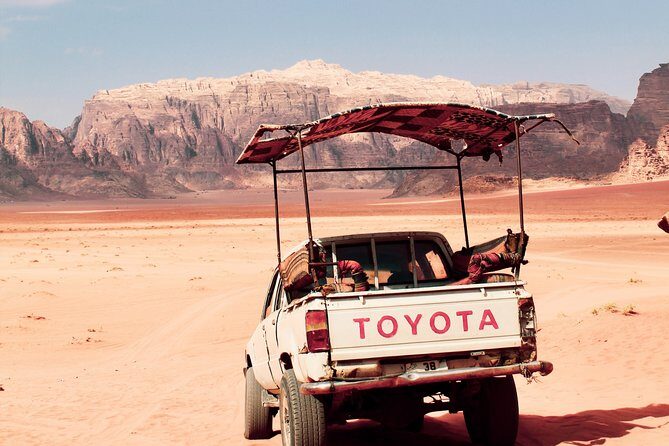
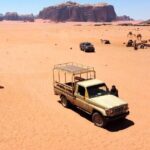
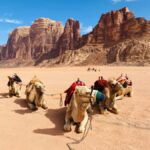
One day in Wadi Rum, then sleep under stars. This private jeep route hits famous rock formations and key cultural stops, then finishes with a true desert night at a Bedouin camp. I really like the Bedouin camp setup and the way meals are handled, so you’re not scrambling for food once the sun drops.
I also like how the drive mixes big-name sights with smaller “stop-and-look” moments, including the Nabatean Temple and Lawrence’s Spring with Thamudic inscriptions nearby. One thing to consider: this is not a sit-in-your-seat tour. There are short climbs and a canyon hike (plus a lot of time in sand and dust), so plan for sturdy footwear and a bit of bumpy jeep time.
In This Review
- Key Points to Know Before You Ride
- How This Wadi Rum Jeep Tour Works (And Why the Overnight Matters)
- Nabatean Temple to Lawrence Spring: Your First Cultural Stops
- Jebel Khazali and Rock Art: Where the Canyon Gets Personal
- Red Sand Dunes and Natural Arches: The “Yes, I’m in Wadi Rum” Part
- Two Um Frouth Views: The Big Arch, Two Ways
- Mushroom Rock and Lawrence’s House: The Last Stops Before Camp
- Bedouin Camp Night: Dinner, Breakfast, and Real Desert Timing
- The Guides and Service: What Makes It Feel Private
- Price and Value: Is $80 Fair for This Much Day + Night?
- What to Expect at Each Stop Time-wise (So You Don’t Feel Rushed)
- Practical Tips So Your Day Feels Comfortable
- Who Should Book (And Who Might Prefer Something Else)
- Should You Book This Wadi Rum Jeep Tour with Overnight Camp?
- FAQ
- How long is the jeep tour and overnight experience?
- What’s included in the price?
- Is this a private tour?
- Where do you meet and where does it end?
- Do I need admission tickets for the listed stops?
- What is the cancellation policy?
Key Points to Know Before You Ride
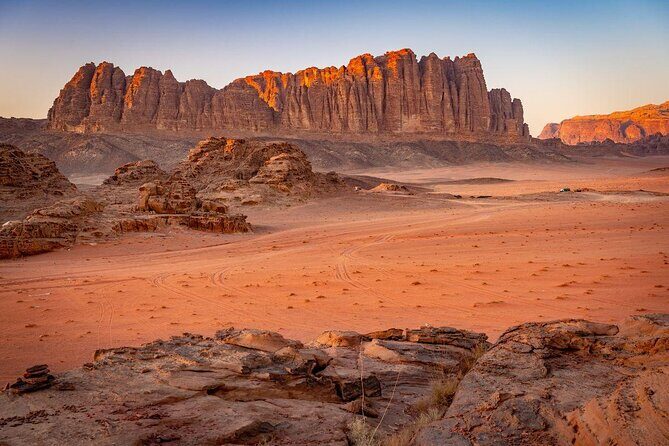
A full-day jeep route plus an overnight camp means you get sunset and dark skies, not just a drive-by stop.
Meals are included (lunch, dinner, breakfast), so the desert day stays easy to manage.
Cultural stops are built into the itinerary with Nabatean sites plus Thamudic and Kufic inscriptions.
You get frequent photo chances at arches, red dunes, and formations like Mushroom Rock.
Short hikes are part of the deal, including a canyon walk where your guide waits for you.
Private-tour feel means it’s just your group, with responsive guidance and pacing.
How This Wadi Rum Jeep Tour Works (And Why the Overnight Matters)

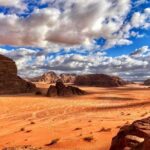
Wadi Rum is famous for a reason: it looks like another planet. What makes this experience practical is that you don’t only get the big photo moments. You also get the slower rhythm of the desert at night.
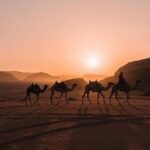
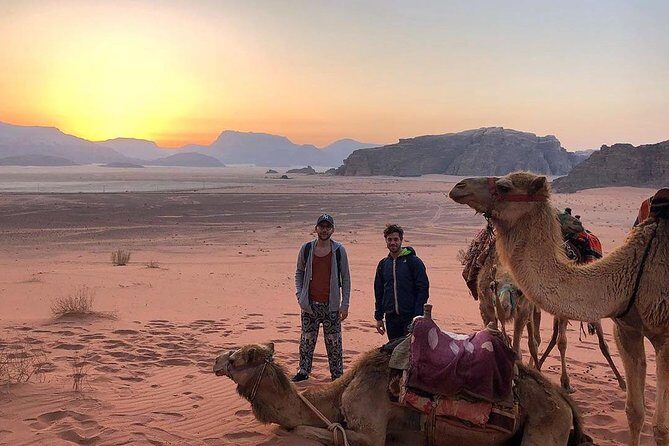
That overnight is the key. A same-day tour can rush sunset and then send you away. Here, you’re still in the desert after dark, sleeping at a Bedouin camp with dinner and breakfast included. The result is a more complete day: desert heat, changing light on the rocks, then cooler air and sky full of stars.
You’ll start at the Wadi Rum Rest House in Wadi Rum Village, and the tour ends back at the same meeting point. Expect a full day of jeep travel with multiple stops, then camp life.
A few more Aqaba tours and experiences worth a look

Nabatean Temple to Lawrence Spring: Your First Cultural Stops
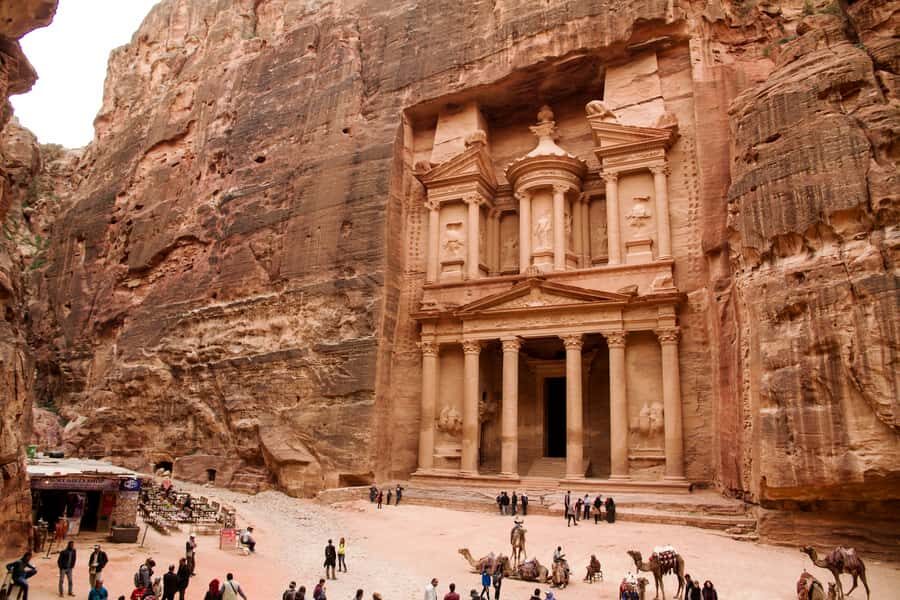
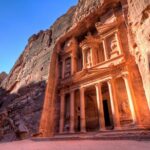
The itinerary begins with a heavy-hitter: The Nabatean Temple. This structure was built by the Nabateans between 9 BC and 4 AD and is dedicated to the goddess Allat (Lat). It also worked as a civic and administrative center, which gives you more than a quick “old rocks” stop. You’re seeing how people in this region organized their world long before modern roads.
Right after, you head to Lawrence’s Spring (Abu ’Aina). It’s a natural spring with Thamudic inscriptions on a boulder nearby. The name matters for Jordan history lovers: it’s connected to T. E. Lawrence, who mentions it in Seven Pillars of Wisdom (1926). Even if you’re not a book person, the point is that you’re standing at a real place tied to a famous story.
These early stops are worth your attention because they set the tone. Wadi Rum isn’t just dunes and rocks—it’s also a place where writing, worship, and survival all show up in stone.
Jebel Khazali and Rock Art: Where the Canyon Gets Personal
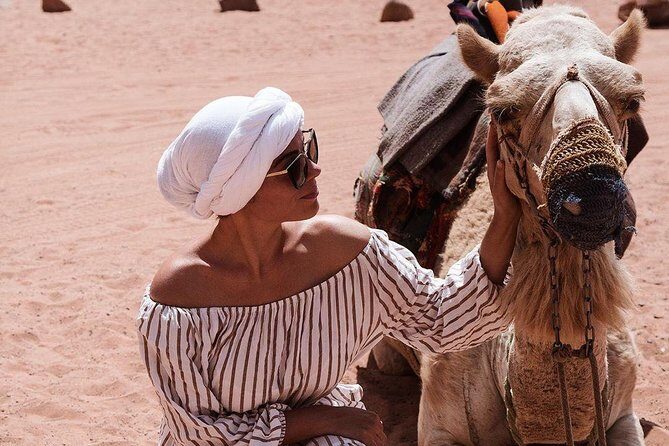
Next comes Jebel Khazali, a narrow canyon you can access fairly easily. Here, you’ll find Thamudic and Kufic inscriptions on both sides, along with rock art depicting people, feet, and animals.
This is one of those stops where your guide’s pacing makes a difference. If you rush, you’ll miss details. If you take your time, you’ll start noticing patterns—how feet are shown, how animals appear, and how the inscriptions sit within the canyon walls.
A short stay can still be satisfying because the canyon itself does the work: it funnels your attention to what’s right in front of you.
Red Sand Dunes and Natural Arches: The “Yes, I’m in Wadi Rum” Part
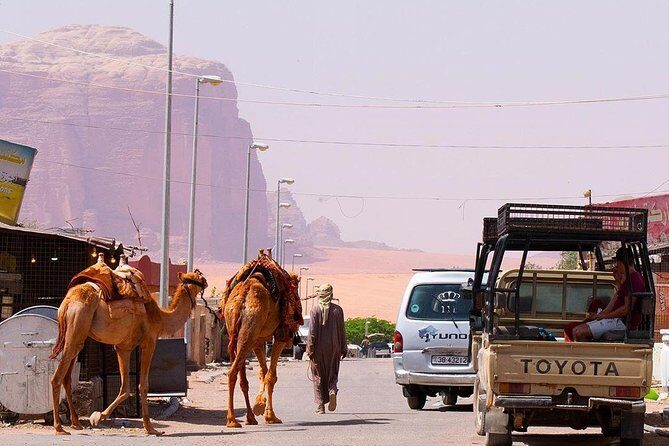
Then the itinerary shifts into that unmistakable Wadi Rum look.
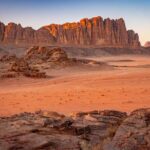
First, you’ll reach Al Ramal Red Sand Dune, a soft golden dune on the side of a small mountain. You can climb to the top for a wide view. The dunes here feel different from generic desert sand because the terrain is rugged and sculpted around the dune, so your view frames dunes, rock faces, and passes all at once.
After that, you go to Little Bridge. This is a natural arch you can climb in under about five minutes, then cross it to reach a lookout. It’s a short, doable adventure, and it changes your perspective quickly—suddenly the desert feels like it opens up around you.
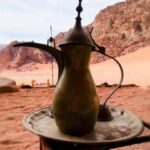
Next up is Abu Khasaba Canyon, where your day pauses for lunch and Bedouin tea. Then you cross to the other side of the mountain by hiking through the canyon, with your guide waiting for you at the far end. This segment is one of the best parts for stretching your legs without turning it into a long trek.
Two Um Frouth Views: The Big Arch, Two Ways
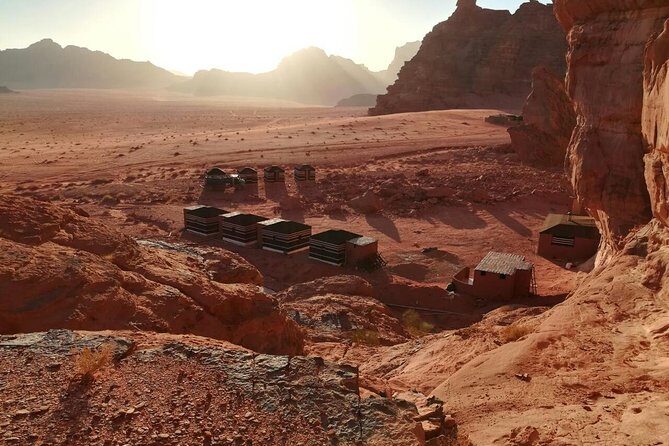
The itinerary includes Um Frouth Rock Arch twice, with two different approaches.
The first is the smaller, easier-to-reach view: a 15-meter-high natural arch where you can climb easily for photos in about 25 minutes. This is your “grab the classic shot” moment, where the arch reads clearly and you can enjoy the view without turning it into an all-day climb.
The second visit is about context. Here you see a taller arch rising on top of Burdah Mountain (about 30 meters high) from the ground, because reaching it requires at least two hours of climbing. In other words, you get the awe without the full commitment. If you want to walk more, that information alone helps you decide what you might tackle on another trip.
Either way, arches in Wadi Rum don’t just look cool. They show you how time and water-shaped the stone, leaving openings that guide your eye and frame the desert.


Mushroom Rock and Lawrence’s House: The Last Stops Before Camp
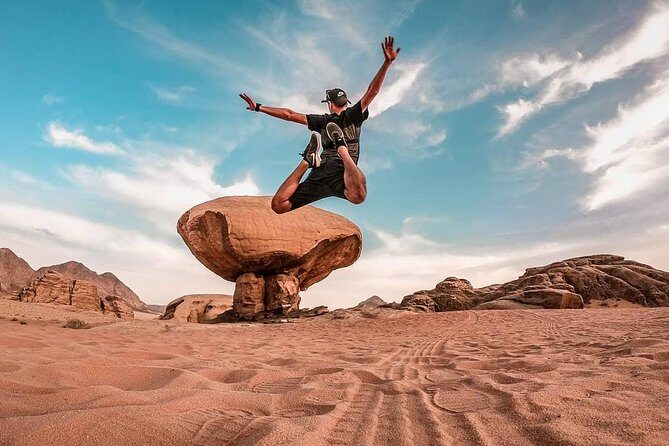
After the arches, you visit Mushroom Rock. It’s a pedestal rock shaped over thousands of years by weathering and erosion, which results in a mushroom-like form. This is a good “reset” stop: you can step back, take a breather, and just watch how the formation changes in the light.
Finally, you end with Lawrence’s House. What remains today is a building built using stones from an ancient Nabatean cistern. Locals believe T. E. Lawrence stayed here during the Arab Revolt. It’s not a museum-style stop—it’s more like tracing footsteps in stone, connecting the modern name Lawrence to the physical place.
Bedouin Camp Night: Dinner, Breakfast, and Real Desert Timing
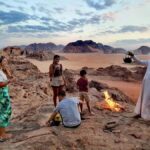
Once you reach camp, the experience shifts from sightseeing to living the day’s story.
Dinner and breakfast are included, and that matters because it protects your energy. If you’ve spent the day climbing and driving on rough terrain, you’ll feel it. Having meals arranged means you can focus on the desert night instead of planning.
Based on guest feedback, the camp experience is often described as clean and comfortable, and some camps are described as brand new. That’s a practical win in a place where you might otherwise expect only basics.
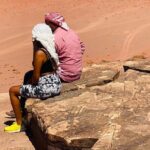
The night sky is the other big reason for the overnight. You’re sleeping under the stars after sunset in the desert, and guests specifically mention the moonlight feeling as enchanting. It’s also a good reminder that the desert can get dusty, so if you’re sensitive to sand in the air, a face covering idea like a light dust mask can be useful. One guest even pointed out that something like a flight-style face mask wouldn’t have been a bad idea.
The Guides and Service: What Makes It Feel Private
Even with a private tour label, you still want to know if the guidance is actually good. The consistent theme in the feedback is that communication is fast and practical, often handled via WhatsApp.
A name you’ll hear is Eid, praised for responding quickly and helping solve issues like transfer problems. That kind of responsiveness matters in Wadi Rum where timing can shift. Guests also credit guides by name, including Abdullah, Mafleh, and Süleyman/Suliman, for friendly care and solid English.
The big service value here isn’t fancy extras. It’s that your day runs smoothly: pick-up and drop-off work out, your driver knows the route, and camp setup feels organized when you arrive tired and dusty.
Price and Value: Is $80 Fair for This Much Day + Night?
At $80 per person, you’re paying for a lot more than a quick jeep ride.
You’re getting:
- A full-day jeep route with multiple major stops
- An overnight at a Bedouin desert camp
- Lunch, dinner, and breakfast
- A private experience for your group
That’s why the price can feel fair. Desert tours can get expensive fast, especially once you add food and lodging. Here, meals are included, so you’re not doing the usual math of: dinner costs, breakfast costs, and then snacks for the drive. Also, you’re not just watching the desert from the road. You get climbs, canyon walking, and multiple photo stops.
Two “value” notes:
- The itinerary includes several stops listed as admission ticket free, which keeps costs from creeping upward.
- The overnight adds real value because it turns sunset and stargazing from an afterthought into part of the plan.
If you like hands-on exploring and you want time in the desert after dark, this price looks like a sensible deal.
What to Expect at Each Stop Time-wise (So You Don’t Feel Rushed)
The stops are short enough to keep the day moving, but long enough to actually look around.
You’ll spend roughly:
- about 10–30 minutes at cultural sites like the Nabatean Temple and inscription areas
- around 20–25 minutes at formations like the red dune, Little Bridge, and the first Um Frouth arch
- about 35 minutes at Abu Khasaba Canyon, including lunch/tea and the canyon crossing
- about 15 minutes at Mushroom Rock
- about 15 minutes at Lawrence’s House
That tempo works well if you’re the type who likes photos but also wants a moment of quiet for details. It can feel less ideal if you hate any walking on uneven ground. But most of the hikes are short segments, and your guide is there the whole time.
Practical Tips So Your Day Feels Comfortable
You don’t need to overthink it, but you should prep.
- Wear shoes that handle sand and rock. Some stops involve short climbs and a canyon walk.
- Bring a light layer and something to protect your face if dust is a problem. Guest comments point to dust sensitivity at night.
- Plan your photo battery. This tour has repeated “turn around, look again” moments at arches, dunes, and rock art spots.
- Bring water habits in mind. The itinerary includes tea and lunch, but you’ll still be outside a lot.
Also, keep an eye on the timing around sunset. One guest noted the added time after sunset on the way to camp felt even more amazing than a dedicated sunset-only option. Translation: don’t panic if the schedule shifts slightly. The payoff is the full desert night.
Who Should Book (And Who Might Prefer Something Else)
This is a great fit if you:
- want a mix of desert adventure and cultural stops
- care about getting to camp and experiencing the night, not just sunset
- like private, group-focused guiding
- appreciate sites tied to Nabateans and T. E. Lawrence stories
It might be less ideal if you:
- want zero physical movement. There are short climbs and a canyon hike.
- get uncomfortable in dusty conditions. A face covering can help, and you’ll be outside for long stretches.
If you’re traveling as a couple, a small family, or a group of friends, the private feel helps. Some feedback also mentions the experience felt safe and respectful for women traveling alone, which is worth noting if that matters to you.
Should You Book This Wadi Rum Jeep Tour with Overnight Camp?
I’d book it if your priority is a complete Wadi Rum day: jeep route, iconic rock formations, cultural sites, and then the calm of the desert after dark. The big reason is the overnight plus meals. That combination turns a “tour day” into a real memory.
Skip it only if you’re expecting a pure luxury lodge transfer with no walking at all. This experience is active, outdoors, and built around seeing the desert up close.
FAQ
How long is the jeep tour and overnight experience?
The duration is listed as about 7 hours, and it includes an overnight stay at a Bedouin desert camp.
What’s included in the price?
The tour price is $80 per person and includes lunch, dinner, and breakfast.
Is this a private tour?
Yes. It’s a private tour/activity, so only your group participates.
Where do you meet and where does it end?
The start is at Wadi Rum Rest House in Wadi Rum Village, Jordan, and the activity ends back at the same meeting point.
Do I need admission tickets for the listed stops?
The itinerary lists admission ticket free for the stops mentioned, including The Nabatean Temple and Lawrence’s Spring.
What is the cancellation policy?
You can cancel for a full refund up to 24 hours in advance. If you cancel less than 24 hours before the start time, the amount paid is not refunded.