REVIEW · AQABA
Full Day Jeep Tour and Overnight in Bedouin Camp with Meal
Book on Viator →Operated by Bedouin Roads · Bookable on Viator
Wadi Rum has a way of grabbing you fast. This full-day jeep tour plus Bedouin camp overnight puts you with a local Bedouin guide as you bounce between signature sights, then slow down for dinner, tea, and a night in a tent.
What I like most is how the day mixes famous stops with quieter moments, including a spot where you’re basically alone with your guide. I also love the hands-on details, like sweet tea after the Little Bridge and the way the bridge stops turn into great photos (with the guide running the shot from the ground while you climb). The one thing to consider is that several stops involve real walking and some climbing in soft sand, so you’ll want decent shoes and a bit of patience in heat.
In This Review
- Key Highlights Before You Go
- From Aqaba to Wadi Rum: How This Tour Feels Day One
- Lawrence’s Spring and Khazali Canyon: Water, Then Ancient Writing
- Red Sand Dune, Little Bridge, and Lawrence’s House: Classic Wadi Rum Moments
- Outdoor Bedouin Lunch: Food With a View (and Less Hurry)
- Abu Khashaba Canyon to Umm Fruth Bridge: Walking, Waiting, and Photo Magic
- Mushroom Rock and Burdah Bridge: Funny Shapes and Big-Air Views
- White Desert and the Secluded Sunset Tea: The Day Turns Cinematic
- Bedouin Camp Overnight: Dinner, Fire Stories, and Star Chances
- Day Two Morning: Breakfast With Sunrise Views and an Easy Ending
- Price and Value: Is $120 Reasonable for 2 Days?
- Who Should Book This Tour, and Who Might Want Another Option
- Should You Book Bedouin Roads’ Full Day Jeep Tour and Camp Overnight?
- FAQ
- How long is the full day jeep tour and overnight Bedouin camp?
- Where does the tour start and end?
- What is the price per person?
- What’s included with the overnight part?
- Are there meals during the tour?
- How big are the groups?
- Can I cancel and get a full refund?
Key Highlights Before You Go
- Lawrence’s Spring oasis: cool water, mossy greens, and camel vibes where the herds used to pause
- Khazali Canyon inscriptions: Thamudic, Nabatean, and Islamic marks plus petroglyphs and old caravan traces
- Umm Fruth photo moment: a 15-meter bridge where your guide handles the camera while you climb
- White Desert contrast: white sand world-change with a better shot at seeing flora and wildlife
- Sunset tea in a secluded spot: sweet tea by the fire with time to actually watch the sky shift
- Bedouin camp night with story around the fire: a genuine-feeling end to a long day
From Aqaba to Wadi Rum: How This Tour Feels Day One
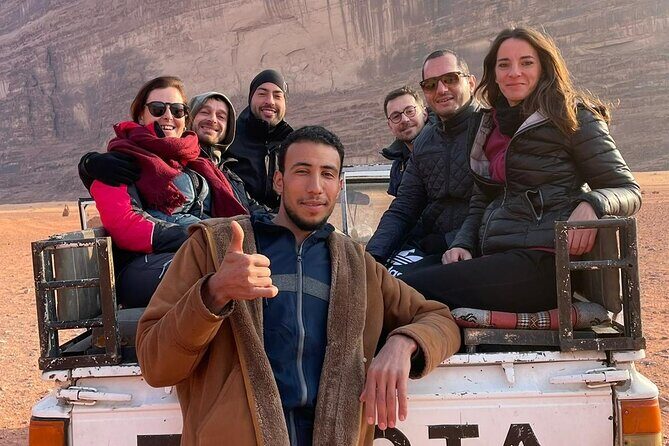
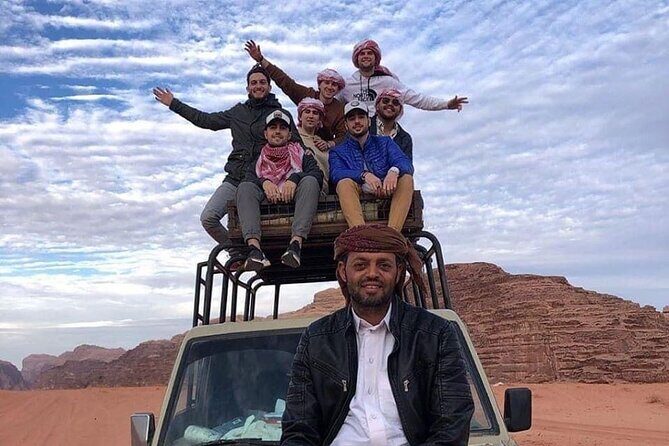
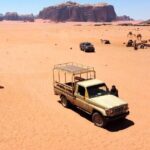
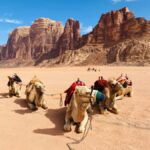
Wadi Rum is built for slow awe and fast movement. This experience is set up to do both: you ride in a jeep across the red sand country, then step out for short hikes, photo climbs, and canyon walks that fit most travelers. The group stays small, with a maximum of 16, so you’re not stuck with a crowd shouting over each other.
You start at the Bedouin Roads office in Wadi Rum Village, and the tour ends back at that same meeting point. Along the way, you’ll likely meet guides such as Zaid (often mentioned) and Mohammed/Muhammed (also frequently named), and both styles of guiding show up: history talk when you’re at the inscriptions, and practical desert guidance when you’re moving over sand and rocks.
A few more Aqaba tours and experiences worth a look

Lawrence’s Spring and Khazali Canyon: Water, Then Ancient Writing
Your first big win is Lawrence’s Spring. This is a natural water source where cool water runs down the mountains, pooling below with moss and small trees in a way that feels almost unreal in the desert. It’s also a great warm-up stop because the walk and time here are relaxed, and you can watch camels gravitate toward water like it’s the main event.
Then comes Jebel Khazali (Khazali Canyon), which shifts the mood from oasis calm to a history-and-symbols kind of experience. Inside the canyon between split mountains, you’ll spot traces linked to merchants traveling routes from Egypt to Damascus, plus pilgrims who passed toward Mecca. The canyon is known for Thamudic, Nabatean, and Islamic inscriptions, along with petroglyphs of humans, animals, and even soles of feet, plus basins tucked deeper in.
Practical note: canyon walls mean you’ll be walking at normal pace, but the setting rewards slow looking. Give yourself time to actually read what you can, because the best details show up when you stop rushing.
Red Sand Dune, Little Bridge, and Lawrence’s House: Classic Wadi Rum Moments
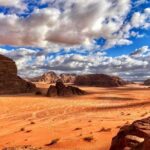
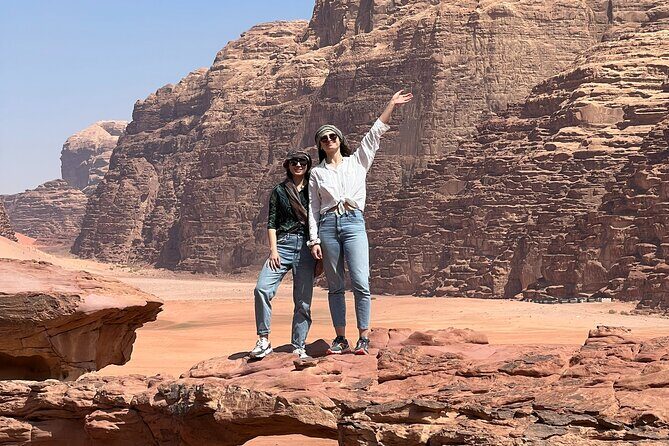
Next you hit the kind of scenery that makes Wadi Rum famous. The Red Sand Dune stop is described as a climb that looks simple but turns into soft-sand work fast. For tourists it can feel like you’re wrestling the sand; for locals it’s just another day, and it makes for a fun contrast. From the top, you’ll get panoramic valley views, and the descent is often the best part, especially if you try sandboarding or just let gravity do some work.
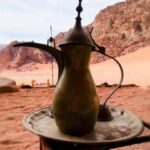
After that, Little Bridge is the gentler bridge stop. It’s only a few meters high and called Little because it’s easier to reach, which makes it a smart pick if you don’t want a long climb. You’ll also get a sweet tea moment back in the Bedouin tent area, plus the chance to browse souvenirs or simply rest.
Lawrence’s House is a different kind of landmark: it’s tied to caravan-stop history and the Lawrence of Arabia story. Expect a short climb to a viewpoint with huge piles of stones, explained as road markers stacked by Bedouins in the past. The wide view from here is also handy for photos, especially if you want to catch the desert plain stretching out beyond the immediate rocks.
Consideration: if you’re traveling with anyone who struggles with uneven footing, focus on pace. Most of these stops are time-boxed, but the ground can still be challenging.
Outdoor Bedouin Lunch: Food With a View (and Less Hurry)
This is one of the best “reset” parts of the day. The traditional Bedouin lunch is cooked outside on a fire in a spot with a good view, and the menu changes day to day. Still, you can expect a warm meal with things like vegetables, bread, hummus, yoghurt, and other local treats.
What makes lunch more than just food is the setting and timing. While the meal cooks, you can explore nearby with a hike or just slow down and sit with the desert around you. This is also a good moment to hydrate, wipe off sand, and mentally switch from climbing mode to listening mode.
If you’re picky about food: tell your guide what you need before the cooking starts. The whole approach is guided and personal, not a mass buffet where you have zero influence.
Abu Khashaba Canyon to Umm Fruth Bridge: Walking, Waiting, and Photo Magic
After lunch, your legs get a turn. Abu Khashaba Canyon is a deep, narrow valley walk with tall walls, where the red sand sits next to green contrast. You’ll hear birds chirping, and you may see locals’ bottle setups used to collect rainwater for birds to drink from. The walk is typically 30 to 45 minutes, and your guide picks you up on the other side, which keeps you from having to retrace every step.
Then comes the standout photo stop: Umm Fruth Rock Bridge. It’s a well-known bridge about 15 meters high, famous mainly for the image it creates. The guide stays on the ground and takes your photo while you climb up, and there are small holes in the rock that make the climb easier for tourists. Locals can run up and down, but you don’t need to imitate them. Go slowly, use the holes, and enjoy the fact that your work pays off with a proper “this is why I came” shot.
If you’re traveling with less confidence on rocks: take your time at Umm Fruth. It’s not described as a long climb, but it is vertical.

Mushroom Rock and Burdah Bridge: Funny Shapes and Big-Air Views
Mushroom Rock is exactly what it sounds like: erosion shaped it into a rounded, shelter-like form. It’s a fun stop for pictures, and it also gives you something practical—shade or shelter—if you need a break from sun and wind. Bedouins historically used rock formations like this for shelter after long hot walks, so it connects the geology to daily desert survival.
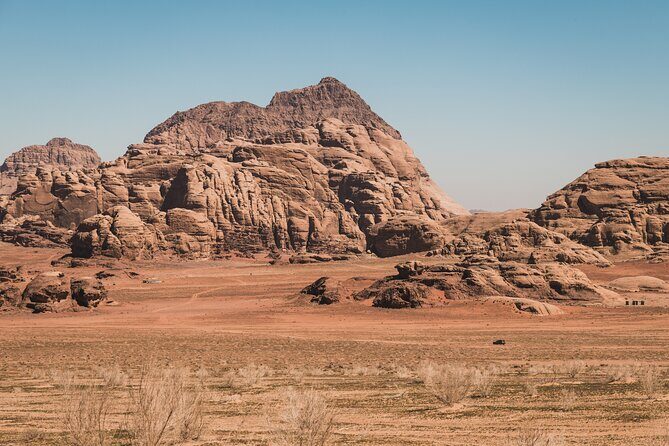
Then you’re headed toward higher drama with Burdah Rock Bridge. This is described as one of the highest natural rock bridges in the world, and during the jeep tour you make a stop close by to admire it from the distance. Important detail: the total climb to actually reach the bridge can take up to 4 hours, and that isn’t included in the jeep tour. If you want it, you’d need a separate hiking arrangement or a request for an added option.
Practical note: don’t treat Burdah as optional in your head. If you’re short on time or your group has mixed energy levels, the distant viewpoint is still the right kind of experience.
White Desert and the Secluded Sunset Tea: The Day Turns Cinematic
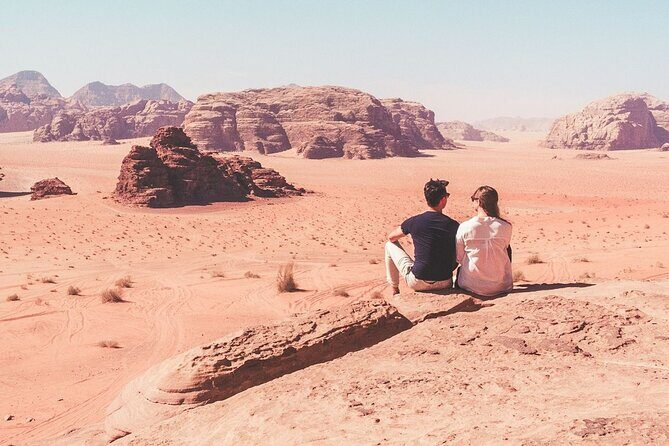
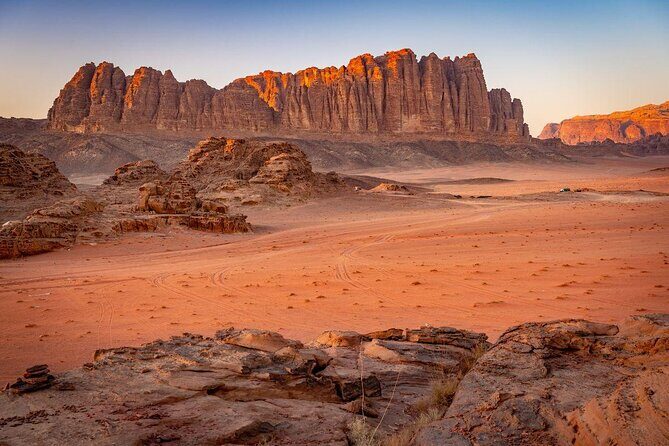
By the time you reach the White Desert, you feel like you’ve changed zones entirely. Wadi Rum is known for red sand, but further south the terrain shifts into pale sand and a different world of rock and ground texture. This area is described as less heavily visited, which can mean more flora visibility and a better chance at spotting wildlife.
The transition in color and texture is the point. Stand in the white sand and look back toward the red area, and you’ll get a real sense of how quickly the desert changes under the same sky.
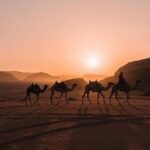
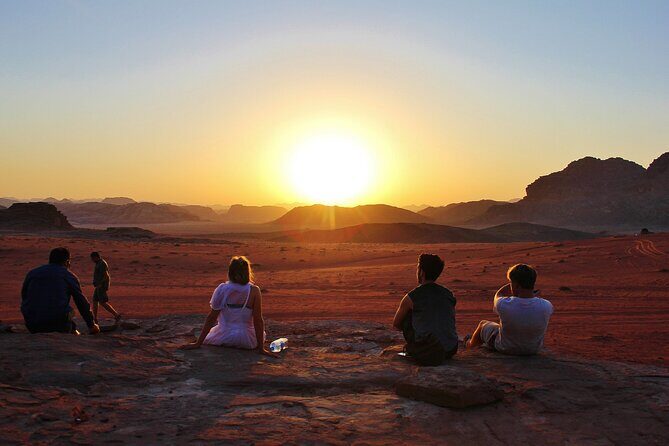
Then you finish Day One at a sunset viewpoint that’s described as secluded. You’re brought to an area overlooking a wide panoramic view as the sun drops, and sweet Bedouin tea is prepared on the fire. You’ll sit on a mattress or in the sand and have time to watch without the feeling of being hustled along.
If you care about photos: sunset is where timing matters. Bring your energy. Also, if you have limited mobility, this is often easier than cliff climbs because you can sit and enjoy the view.
Bedouin Camp Overnight: Dinner, Fire Stories, and Star Chances
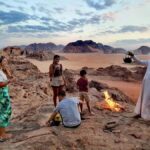
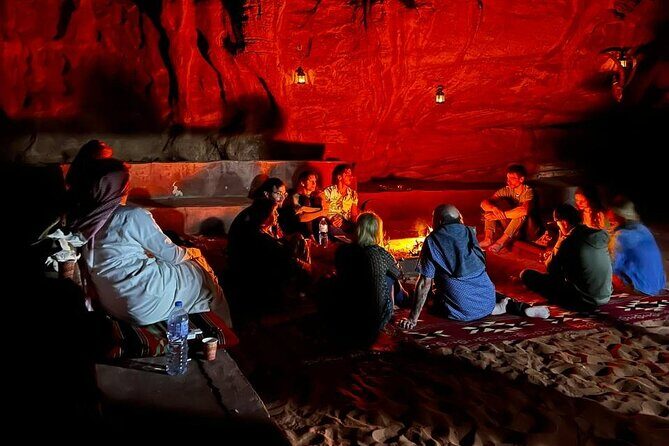
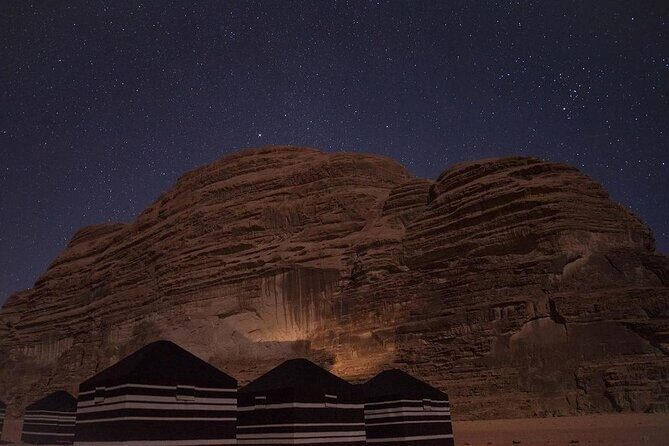
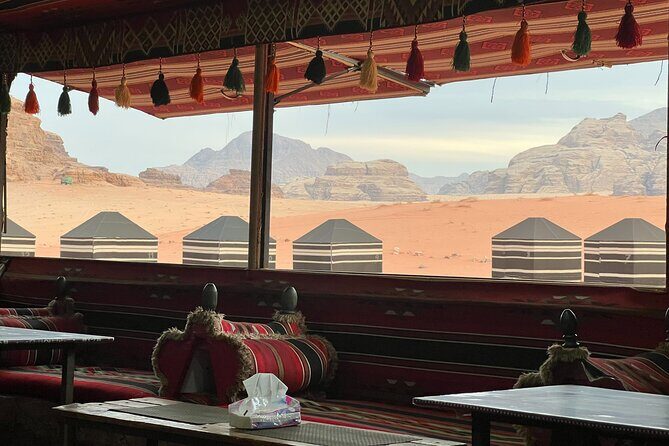
Now for the part that makes this tour more than a drive-by photo set: the night in a Bedouin-style tent camp. After sunset, you spend the night at the camp and enjoy dinner, then set around the fire for a Bedouin story. It’s the kind of ending that makes sense after a day of jeep tracks and canyon steps.
From guide style to camp comfort, the feedback here is strong. People repeatedly highlight clean tents, hospitality, and meals that are plentiful and tasty. One detail that stands out is the cozy communal setup for meals, plus a relaxed tea/chat lounge outdoors where the night doesn’t feel rushed.
Stars matter in Wadi Rum. On clear nights, you may be able to see the Milky Way, and at minimum you’ll get that desert-dark sky feeling. Just be ready for temperature swings: desert nights can cool down fast.
Day Two Morning: Breakfast With Sunrise Views and an Easy Ending
Day Two is lighter and more human. You wake up in the camp with a panoramic desert view and can see sunrise near the camp. Breakfast is typically served around 07:00 to 08:00, and it’s a traditional setup after the overnight warmth of the Bedouin camp life.
This morning portion is one of the best moments to breathe. After the walking and climbs of Day One, a calm breakfast with morning light over Wadi Rum can feel like your reward for sticking with the schedule.
Then you head back to the Bedouin Roads office meeting point. The tour ends where it started, so you’re not left guessing how to get back to where you began.
Price and Value: Is $120 Reasonable for 2 Days?
$120 per person for a two-day, full-day style experience in Wadi Rum can be a good value, mainly because you’re not paying just for driving. You’re paying for a guide, a planned route across major Wadi Rum highlights, and the core included parts: the overnight with dinner, a traditional breakfast, and the meal experience built around cooking outdoors. You also get multiple stops that are more than quick look-ins, including canyon time with inscriptions and bridge moments that turn into photos you’ll remember.
Where value tends to show up for me is in the mix: you get both the famous points (Lawrence’s name, Umm Fruth bridge) and the quieter feeling stops (like the secluded sunset viewpoint). You also get a group size that stays relatively small, with a maximum of 16, which makes the day feel more personal than big-bus tourism.
If you want a checklist approach: if you’re planning to see Wadi Rum on a jeep, eat Bedouin meals, and sleep in a tent camp, this price is in the right neighborhood for what you’re getting.
Who Should Book This Tour, and Who Might Want Another Option
This works best if you want a classic Wadi Rum package with real guide time and a proper camp night. It’s also a good fit for people who enjoy short hikes, don’t mind sand, and want photos at meaningful places like Umm Fruth and Lawrence’s House.
It may not be ideal if your group needs very low-impact walking. The dune climb, bridge climbs, and canyon walks mean you’ll be moving on uneven ground. If you’re with someone who has trouble with steps or vertical surfaces, you’ll want to plan which climbs they attempt and which they skip.
Also, bring expectations: Burdah’s highest-bridge climb isn’t part of the jeep tour. You’re getting the viewpoint, not the full hike, unless you add it on your own.
Should You Book Bedouin Roads’ Full Day Jeep Tour and Camp Overnight?
Yes, I’d book this if you want the full Wadi Rum rhythm: iconic sights in one day, then dinner and stories that make the night feel Bedouin rather than just a place to sleep. The combo of tea at sunset, outdoor meals, and camp time is what separates this from a basic “ride and look” tour.
I’d skip or switch if your priority is a totally easy, couch-level experience. This is more active than that. But if you can handle some sand and a few climbs, you’ll get a real feel for Wadi Rum, plus the kind of night sky and fire-side storytelling that turns a visit into a memory.
FAQ
How long is the full day jeep tour and overnight Bedouin camp?
It’s listed as 2 days (approximately), with a full day of sightseeing on Day 1 and a shorter morning on Day 2.
Where does the tour start and end?
The start is the Bedouin Roads office in Wadi Rum Village, Jordan. The activity ends back at the same meeting point.
What is the price per person?
The price is $120.00 per person.
What’s included with the overnight part?
You spend the night in a tent with Bedouin style, and you get dinner. You also have breakfast on Day 2.
Are there meals during the tour?
Yes. There’s a traditional Bedouin lunch cooked outdoors during Day 1, plus dinner at the camp and breakfast on Day 2. Sweet tea is also part of the experience at certain stops.
How big are the groups?
The tour has a maximum of 16 travelers.
Can I cancel and get a full refund?
Free cancellation is available up to 24 hours in advance for a full refund. If you cancel less than 24 hours before the experience start time, the amount paid is not refunded.