REVIEW · AQABA
Aqaba Walking Tour : History ,Culture & Food
Book on Viator →Operated by Suhaila Cooking Class & Walking Tour in Aqaba · Bookable on Viator
Aqaba is more than beach photos. This evening walking tour is a smart way to see the town’s old streets, markets, and landmarks while food does the explaining. You start with a seaside walk, hit the fish and vegetable market world, and end with souk stops that smell like spices and fresh bread.
What I like most is the small group size capped at six, which keeps questions from getting lost and makes it easier to adjust the pace. I also love that the tasting list is practical and varied, from tea and cookies to Jordanian savory favorites—and yes, Aqaba fries and refreshing local drinks.
The one thing to consider is that this is a 2.5-hour walk at 6:30 pm, and the tour depends on good weather. If you’re hoping for a totally low-footwork evening, keep that in mind.
In This Review
- Key highlights you should know
- Aqaba at 6:30 pm: why the timing feels right
- Small-group walking: the $35 experience feels personal
- Seafront start: history gets easier when you walk beside it
- Fish market to Sayadieh: learning Aqaba through the plate
- Aqaba Fort (Mamluk Castle): a landmark you can actually place
- Arab Revolution Plaza viewpoint: Red Sea photos without the rush
- Old Souk + spice shop + bakery: snack routes with real character
- Food value at $35: how this price adds up in real life
- Who should book this Aqaba food-and-history walk
- Should you book it? My decision checklist
- FAQ
- What is the duration of the Aqaba walking tour?
- How much does the Aqaba walking tour cost?
- What time does the tour start?
- How many people are in the group?
- What food is included during the tour?
- Where does the tour start and end?
- What if the weather is poor or I need to cancel?
Key highlights you should know
- Six travelers max, so you get real back-and-forth with your guide
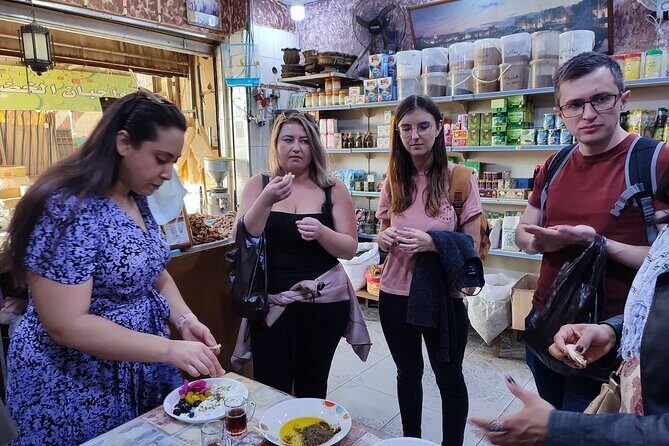
- Sayadieh tasting with spiced rice and caramelized onions at the fish market
- Aqaba Fort (Mamluk Castle) stop with historic context you can picture
- Arab Revolution Plaza viewpoint for Red Sea photos during golden hour vibes
- Souk route with spice shop and bakery stops plus tea, cookies, and fries
Aqaba at 6:30 pm: why the timing feels right
Starting at 6:30 pm is a big part of why this works. You get out of the late-afternoon heat, and the seaside air is usually comfortable enough for a relaxed walking pace. Plus, the light near sunset is ideal for spotting details in the Old Town without feeling rushed.
You’ll also appreciate the flow of an evening tour in a place like Aqaba. Markets and shopfronts feel different after the day’s busiest hours. You’re not just passing buildings—you’re walking through the daily rhythm of where people shop for dinner ingredients and where snacks are something you grab along the way.
One practical note: this experience runs when the weather is good. If conditions aren’t right, you may be offered another date or a full refund. So don’t book your flights assuming this must happen on one specific evening.
You can also read our reviews of more walking tours in Aqaba
Small-group walking: the $35 experience feels personal
The tour caps groups at six, and that small number changes how the whole evening feels. You’re not squeezed into a line trying to keep up. Instead, you can actually ask questions—about food, about the Fort, about why certain streets matter—without your guide repeating the same answer for the whole crowd.
This also helps with the tasting stops. If you’ve ever done a food tour where you just get handed something and move on, you’ll notice the difference here. The stops are built into the walk, with enough time to try items, ask what they are, and understand what locals look for.
The guide is central to the experience. Names like Mohammed show up in people’s feedback, and the common thread is casual, clear explanations rather than a lecture. That matters, especially if you want history without getting buried under facts.
Seafront start: history gets easier when you walk beside it

Before the markets and Fort, you begin with a warm gathering and introductions. Then you move along the seaside, where your guide shares stories that connect Aqaba’s present to its past. Starting here is smart because you see the setting first: the Red Sea is right there, and you can connect maritime trade and strategic importance to what you’re about to explore.
Even if you’ve only skimmed Aqaba’s surface as a beach town, this seaside segment helps you build basic mental geography fast. You’ll learn where the Old Town sits relative to the coast, and it makes later stops like the Souk and Fort feel less random.
Expect this opening walk to be short but meaningful. It’s not a long scenic hike. It’s a setup: get oriented, learn the tone of the town, and then start eating your way through it.
Fish market to Sayadieh: learning Aqaba through the plate
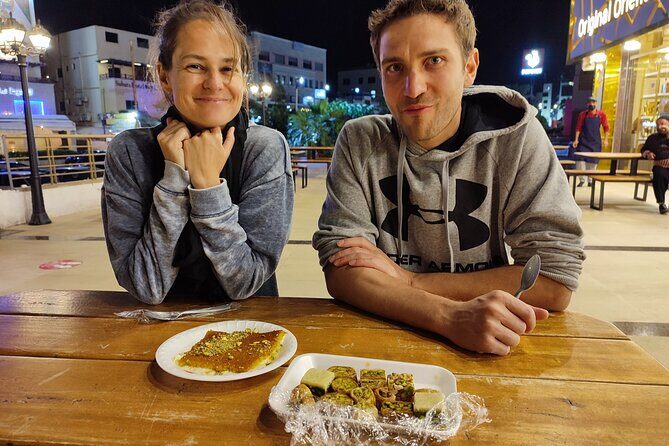
The fish market stop is one of the clearest examples of why this tour is more than a snack run. You’re not only tasting food—you’re seeing where the ingredients and instincts come from. Fish markets are sensory places: the smells, the colors, the conversations. Even if you’re not buying anything, you get a real sense of everyday life.
Then the tasting brings you straight to Sayadieh, Aqaba’s signature seafood dish. What you’ll try is Sayadieh rice with sauce, built on fragrant spiced rice plus caramelized onions. That combination is a big clue to the local flavor style: warm spices, slow-cooked sweetness, and seafood that isn’t hidden behind heavy sauces.
When you eat it on the spot, the dish makes more sense. You’re able to connect the market environment to why this flavor works—especially if you’re used to seafood dishes that feel light on spice or heavy on mayo-style sauces. Here, it’s the rice and onion base that does the heavy lifting.
Practical tip: go in hungry, but don’t worry if you have a smaller appetite. The tour spaces tastings across several stops, so it feels like bites rather than one huge meal.
Aqaba Fort (Mamluk Castle): a landmark you can actually place

After you’ve tasted and walked through the market world, you shift from food and daily commerce to a strong historic anchor: Aqaba Fort, also known as the Mamluk Castle.
This stop gives you a way to understand Aqaba’s strategic significance—how coastal cities matter when trade routes and control of the sea are part of the story. Your guide’s job here is to make the stone and architecture feel relevant, not just scenic.
The Fort also works well in an evening setting. You’re not standing in peak midday sun, and you can better focus on shapes, vantage points, and the overall layout. If you like photos, it’s the kind of stop where you can frame shots that show the way the coast and town connect.
The only “consideration” here is simple: if you’re expecting a hands-on museum visit, you might find this more about explanation and viewpoint than inside-the-building details. It’s still worth it because it ties the rest of the walk together.
You can also read our reviews of more food & drink experiences in Aqaba


Arab Revolution Plaza viewpoint: Red Sea photos without the rush
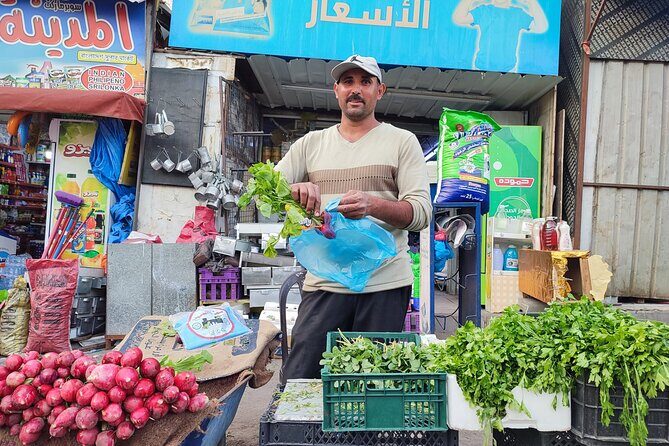
Next comes Arab Revolution Plaza, where you get a panoramic view of the Red Sea. This is a classic walking-tour move done right: you go from market and Fort history to an open-sky moment where your brain can reset.
You’ll have time to take photos and just look. And if you’re new to Aqaba, the view helps you understand why the town’s history keeps circling back to the coastline—people lived here, traded here, guarded here.
If you want the best shots, keep an eye on the light and choose one angle where you can include both water and town cues. You don’t need to chase perfection; the point is to capture what makes Aqaba feel like Aqaba.
Old Souk + spice shop + bakery: snack routes with real character
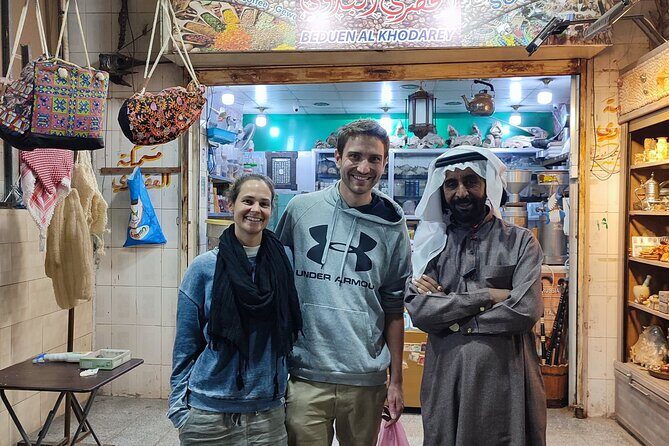
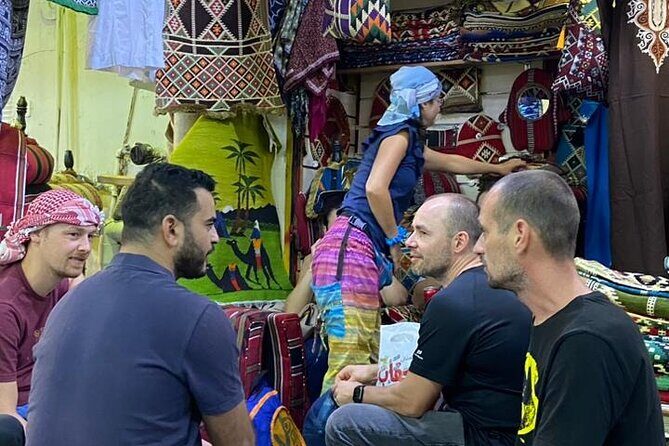
Now you enter the Old Souk area, where the pace becomes about curiosity. This is where you can ask questions as you walk through the atmosphere of the souk, and you’ll feel the difference between places built for tourists and places built for everyday purchases.
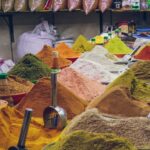
Along the way you stop at a spice shop. The value here isn’t just smelling spices—it’s learning how they’re used and what stands out in Jordanian flavor traditions. Even if you don’t buy anything, you’ll leave with a better sense of what to look for when you see spice mixes later.
Next is a local bakery, and this stop is pure sensory payoff. Fresh-baked treats add a warm rhythm to the evening. Tea and cookies also fit neatly here, giving you a sweet pause that keeps your energy steady for the rest of the walk.
And then you try Aqaba’s famous fries plus refreshing local drinks. Fries might sound like an afterthought, but in a food-focused walk they work. They’re quick, familiar, and incredibly useful as you move between tastings. If you’ve ever ended a tour hungry for something simple, this is the moment that fixes it.
Vegetarian note: this is a strong option if you eat vegetarian. People have specifically called out vegetarian-friendly choices like falafel and peta with fries, so you’re not stuck just “picking around” on one or two plain items.
Food value at $35: how this price adds up in real life
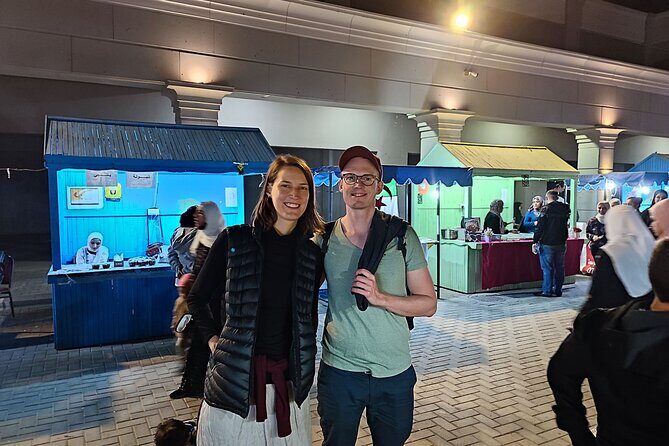
At $35 per person, this tour offers more value than it looks like on paper. It’s a 2 hours 30 minutes evening walk, with multiple included tastings rather than one plated course. Included stops cover tea and cookies, Jordanian savory specialties, Sayadieh with spiced rice and caramelized onions, plus fries and local drinks.
Here’s the honest way to think about value: if you were to buy these things separately—fish market food, a traditional seafood dish, snack stops, and drinks—you’d likely spend more than $35 in most settings. What makes the price fair is that the cost isn’t only for food; you’re also paying for guidance that explains what you’re seeing and connects each stop to Aqaba’s culture.
Also, the group cap at six improves value. A crowded tour turns into a blur. A small group turns into a conversation, and you get better understanding of what you’re tasting.
One more practical plus: there’s a mobile ticket. It keeps things easy the day-of and reduces hassle when you’re already juggling evening streets and photo stops.
Who should book this Aqaba food-and-history walk
This tour is a good fit if you want:
- A starter-friendly introduction to Aqaba beyond the beach strip
- Food tastings tied to places, not random restaurant sampling
- An evening plan that feels social but not chaotic, thanks to six-person maximum
- A guided way to see the Old Town and souk area without getting turned around
It’s also ideal for people who like history but don’t want a long museum-style format. You’ll touch major landmarks like Aqaba Fort and viewpoint spots like Arab Revolution Plaza, but it’s all woven into an easy walking rhythm.
If you hate walking at night, or if you’re sensitive to standing in busy market areas, you might want to choose a different style of tour. This one is still manageable for most people, but it is a walk.
Should you book it? My decision checklist
Book it if you want an evening that mixes food, views, and town history in one tidy 2.5-hour loop. The biggest reasons are the small group size and the fact that tastings match the places you’re standing in—fish market to Sayadieh, souk to spices and bakery, viewpoint to Red Sea photos.
Skip it if you’re looking for a long, deep historical lecture or a highly structured sit-down dining experience. This is a moving, eating, asking-questions kind of tour.
If your ideal night in Aqaba includes warm spices, street-level snacks, and a Fort viewpoint with context, this is a solid pick. And with a low per-person price, it’s an easy bet even if you’re only in town for a couple days.
FAQ
What is the duration of the Aqaba walking tour?
The tour lasts about 2 hours 30 minutes.
How much does the Aqaba walking tour cost?
It costs $35.00 per person.
What time does the tour start?
The tour starts at 6:30 pm.
How many people are in the group?
The group is capped at a maximum of 6 travelers.
What food is included during the tour?
Included tastings include tea and cookies, Jordanian savory specialties, Sayadieh rice with sauce, Aqaba fries, and local drinks. You’ll also visit a spice shop and a local bakery.
Where does the tour start and end?
It starts at the meeting point in Aqaba (G2H2+VG Aqaba, Jordan) and ends back at the same meeting point.
What if the weather is poor or I need to cancel?
The experience requires good weather. If it’s canceled due to poor weather, you’ll be offered a different date or a full refund. You can cancel up to 24 hours in advance for a full refund.