REVIEW · AQABA
Wadi Rum Short Tours
Book on Viator →Operated by Wild Wadi Rum Tours · Bookable on Viator
Red dunes and old stories, in a few hours. This Wadi Rum short jeep tour strings together the must-see arches and canyons, starting with Bedouin tea at Wadi Rum Village and rolling through the classic Lawrence stops.
I love the tight pacing. You get a real taste of Wadi Rum’s rocks, dunes, canyons, and big mountains without signing up for a whole day. I also like the hands-on moments, from climbing the big red sand dune to scrambling at arches and walking narrow canyon sections.
One heads-up: this is not a sit-back-and-do-nothing ride. Expect some climbing and walking on sandy ground, so plan accordingly if mobility is an issue.
In This Review
- Key highlights to watch for
- Why Wadi Rum short tours work in the real world
- Wadi Rum Village starts with tea and local rhythm
- Lawrence’s Spring: a movie-famous stop with real desert logic
- Inside the protected area: the big red dune and the view that sells the whole trip
- Jebel Khazali: canyon time plus Nabatean inscriptions you can actually interpret
- Um Frouth Arch: scrambling for photos with the sky as your backdrop
- Abu Khashabah Canyon: the narrow walk-through moment
- Little Rock Arch: small arch, big panorama
- Lawrence’s House and the caravan route logic
- Anfeshiyeh inscriptions: route marks, warnings, and camel race signals
- Food, water, and optional add-ons (camel rides, sandboarding, hikes)
- Timing your desert: sunset starts vs daytime clarity
- Price and value: what $45 buys you in Wadi Rum
- Quick practicalities: meeting point, duration range, and comfort
- Should you book this short Wadi Rum tour?
- FAQ
- How long is the Wadi Rum short tour?
- What stops are included on the short tours?
- How big is the group?
- Where do I meet the tour and how do I redeem tickets?
- What’s included in the price?
- Can I add a camel ride, and what does it cost?
- Is free cancellation available?
Key highlights to watch for
- Bedouin tea welcome at Wadi Rum Village to start the day the local way
- Lawrence of Arabia sites on your route including Lawrence’s Spring and Lawrence’s House
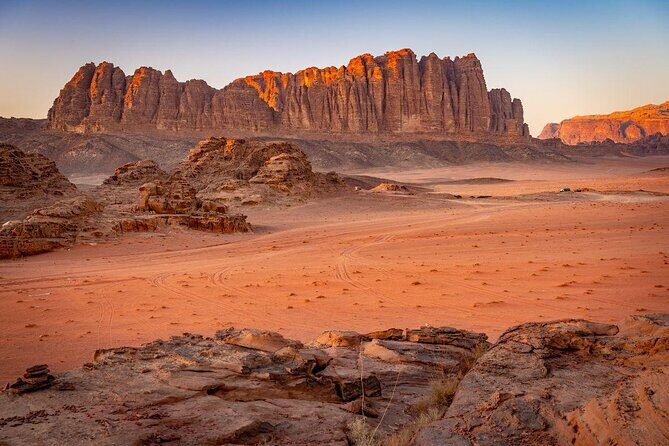
- Big Red Sand Dune time for views, photos, and that classic run-down moment
- Jebel Khazali and Nabatean inscriptions explained by your English-speaking guide
- Arches and canyons you can scramble and walk through like Um Frouth Arch and Abu Khashabah Canyon
- Small groups (max 6) for easier questions and a more comfortable pace
Why Wadi Rum short tours work in the real world
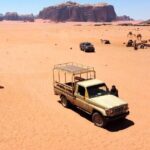
Wadi Rum can feel huge. So it’s smart that this tour is built to cover a lot fast, without feeling like a stunt. You’re in a jeep, stopping where the scenery matters most, then moving on before daylight becomes a problem.
This is also a good fit if you’re basing yourself near Aqaba and you don’t want to lose an entire day to logistics. The tour runs about 2 to 6 hours, depending on the option you choose, so you can match it to your energy level and the time you’re willing to spend in the desert.
The biggest value for me is the mix. You’re not only chasing views. You’re also learning what the places meant to people who moved through the desert long before cars existed. Your guide points out historic meanings at several sites, and it’s totally fair game to ask questions about Bedouin life and culture.
The group size is also a quiet win. With a maximum of 6 travelers, you’re less likely to feel like you’re in a crowded bus. It’s easier to stop for photos, ask why an inscription is there, or clarify something about what you’re looking at.
You can also read our reviews of more tours and experiences in Aqaba.
Wadi Rum Village starts with tea and local rhythm
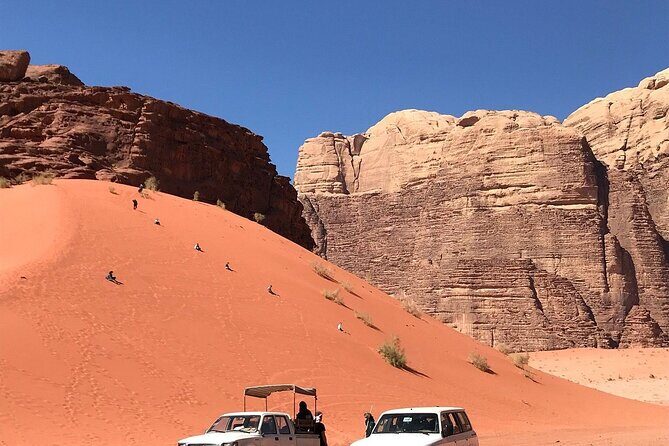
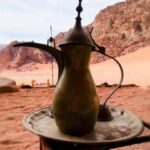
The tour begins at Wild Wadi Rum Tours in Wadi Rum Village. Instead of launching straight into driving, you’re welcomed at a family house with a cup of Bedouin tea. It’s a small moment, but it sets the tone. You’re not just visiting rocks. You’re being introduced to how people live around them.
This first stop is short, around 10 minutes, and the admission ticket is free. Don’t overthink it. The point is the greeting and a chance to settle in before you head toward the protected area.
Practical note: tea is usually paired with a little chat. If you have questions about the desert, Bedouin culture, or what to expect later on, this is the easiest time to ask while everyone is fresh and still near the village.
Lawrence’s Spring: a movie-famous stop with real desert logic
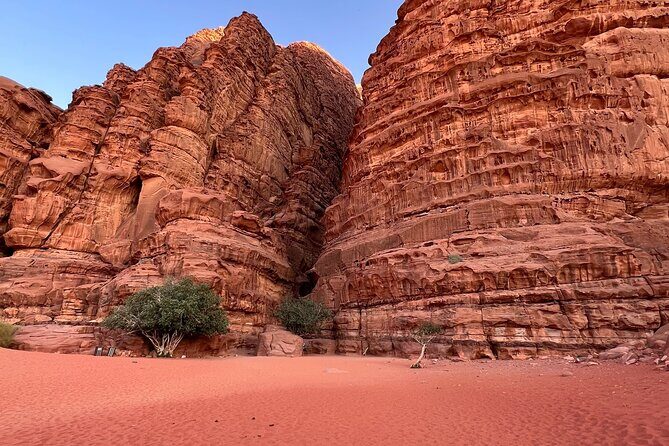
Next you’ll head to Lawrence’s Spring. The name alone pulls attention because it’s tied to the 1962 movie Lawrence of Arabia. But the real reason this stop matters is the practical one: it was an important ancient water hole for travelers moving through the area.
Expect about 20 minutes here. It’s free to visit, and your guide can explain why water sources made certain spots essential along desert routes. Even if you’re not a movie person, it helps you understand what you’re seeing later—why inscriptions show routes, why arches get attention, and why certain dunes and canyon cuts become landmarks.
One gentle caution: since it’s a spring tied to route travel, don’t expect a modern setup or a long walk. Think of it as a meaningful stop that connects desert geography to human movement.
Inside the protected area: the big red dune and the view that sells the whole trip
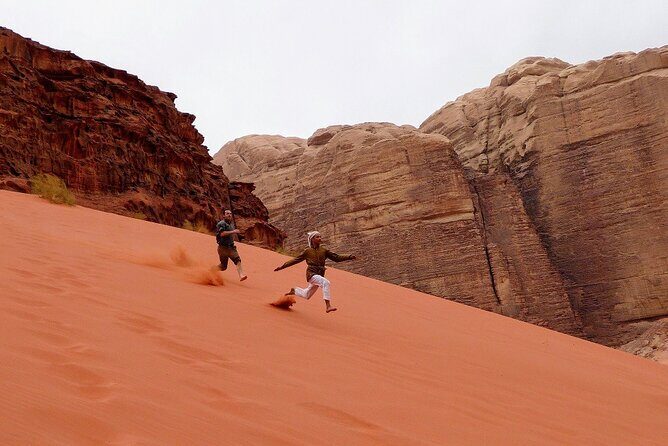
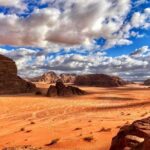
Your next stretch brings you into the Wadi Rum Protected Area, and it’s designed for that classic Wadi Rum payoff: the big red sand dune.
You’ll get about 25 minutes for the climb. This is the part where you go from seeing dunes to feeling them. You can climb up for the view, then run or jump back down if you want. Whether you do that depends on your comfort level, but the option is there.
If you’re booking a short tour because you want the real Wadi Rum look fast, this is a main reason why. The color, the scale, the sense of space—this stop delivers it quickly.
What to consider: sand takes energy. Even on a short climb, breathing harder is normal, especially in hot weather. Bring water (it’s included), and don’t let the climb turn into a competition. You’re there to enjoy the scenery and the feeling of the desert under your feet.
Jebel Khazali: canyon time plus Nabatean inscriptions you can actually interpret
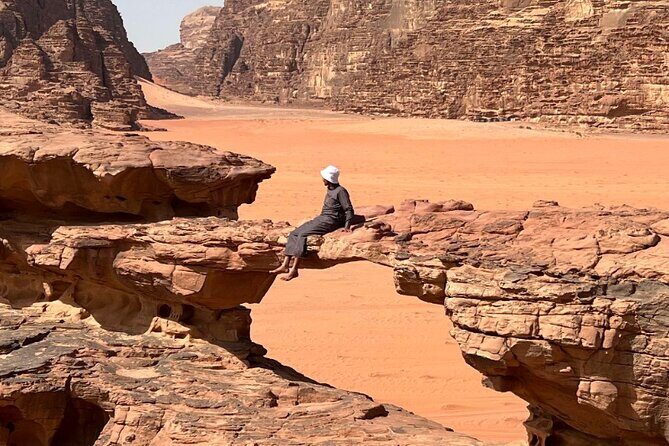
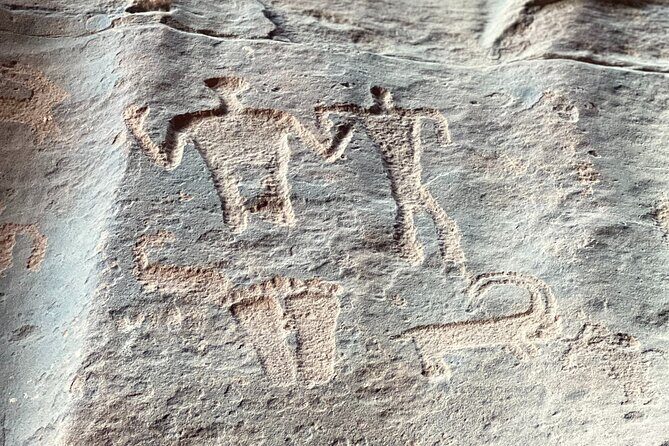
After the dune, you’ll move to Jebel Khazali with about 25 minutes on site. This is a canyon that holds a lot of Nabatean-era inscriptions—marks and signs from long ago. Your guide points out nearby landmark signs and explains what they mean.
This is one of the stops where a guide makes a visible difference. On your own, inscriptions can feel like random scratches. With the explanations, you start seeing them as communication: route signals, local warnings, and reminders to travelers who knew they’d need help navigating a harsh place.
The best approach here is to slow down for a minute. Take in the canyon shape, then look at the inscriptions like they’re part of a travel map. Your guide’s job is to help you “read” what you’re seeing.
A minor drawback: like most desert canyon spots, it’s not always the most comfortable footing. Sand and rock textures change fast. Wear footwear you trust.




Um Frouth Arch: scrambling for photos with the sky as your backdrop
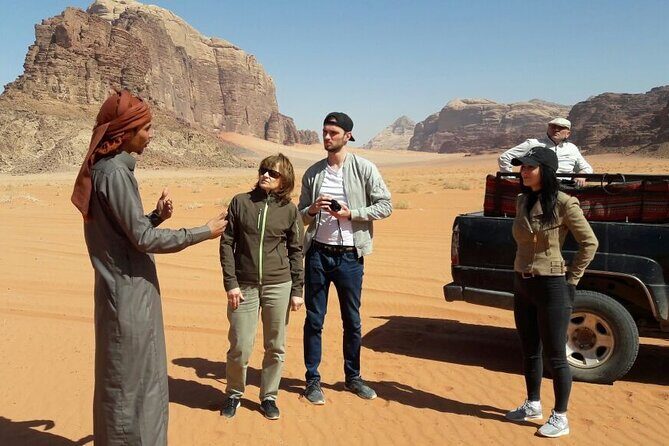
Next up is Um Frouth Arch, another 25-minute stop in the protected area. This one is described as amazingly stunning, and you can scramble up to get pictures standing on top.
If you like scenic photo moments that don’t feel staged, this is one. The arch framing and the height give you that unmistakable Wadi Rum geometry. And the scrambling option is part of the fun—when it feels safe for you, take the chance.
Safety note, without being dramatic: treat it like a climb. Keep your balance on sandy rock, go slowly, and don’t rush because you see other people moving fast. Your guide can help with where to step.
Abu Khashabah Canyon: the narrow walk-through moment
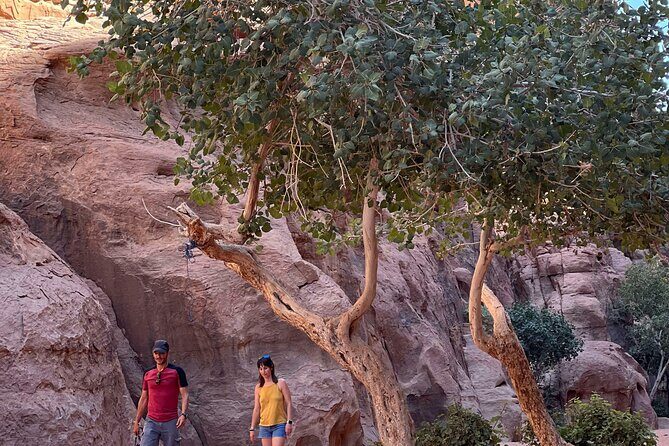
Then comes Abu Khashabah Canyon, about 25 minutes. This is described as a narrow sandy canyon you can walk through to the other end. Think of it as a short “walk your way through the rock” break from the open dune views.
This stop can be a favorite because it changes the whole feel. Instead of wide-open horizons, you’re moving through a corridor of rock and sand. It’s quieter, more enclosed, and the canyon walls make the light shift as you go.
Consideration: since it’s a sandy canyon, you’ll want to be careful with footing. If you’re the kind of person who hates slipping on uneven sand, plan your pace and let the guide set the flow.
Little Rock Arch: small arch, big panorama
You’ll wrap up a set of rock features at Little Rock Arch in Wadi Rum, with about 20 minutes here. It’s called the smallest natural arch in Wadi Rum, and it gives panoramic views over the top of Kor al-Ajram, Jebel Rum, and Khazali Canyon.
That’s a key detail: even if the arch itself isn’t as visually massive as the big dune moments, the viewpoint can feel huge. You’re basically earning a broad outlook from a compact spot.
This is also one of those places where timing can matter. If light is good, the view feels crisp. If you’re visiting under harsh sun, you might want to pause in the shade where possible and keep your eyes protected.
Lawrence’s House and the caravan route logic
Back on the trail, you’ll stop at Lawrence’s House for about 20 minutes. Long before Lawrence passed through, Bedouins took shelter here from wind and bandits. The site is an old Nabatean station placed on a caravan route from Hijaz to Petra and Damascus.
This stop connects your earlier inscriptions theme to real travel routes. It’s not just a famous name. It’s a story about why people built shelter in a landscape where the difference between safe passage and trouble could be a matter of water, timing, and route knowledge.
The views from here are part of the payoff too: you can look out across the sweeping valley floor to Jebel Raqqa.
Anfeshiyeh inscriptions: route marks, warnings, and camel race signals
The final included thematic stop is Anfeshiyeh Inscriptions, around 10 minutes. These are Nabatean inscriptions etched to mark routes and give signals to passing travelers. Some point out water sources, while others warn of dangers. Others record the winners of winter camel races that once circled a mountain in the area.
That last detail matters more than it sounds. It makes the desert feel used and lived in—not just visited for photos. People traveled, competed, and left messages in the places where movement mattered.
This is a fast stop, so don’t try to become a scholar in ten minutes. Let your guide pick out a few key marks and focus on what makes them practical.
Food, water, and optional add-ons (camel rides, sandboarding, hikes)
Included with the tour is cold bottled water, with water brought from an ice box. In a desert setting, this is more meaningful than it sounds. Even short tours can dehydrate you, and cold water is the difference between power-through and misery.
English-speaking guides are included too. And the guide is doing more than translating. They’re explaining meanings at several stops, and they’re open to questions about Bedouin life and culture.
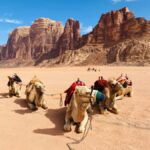
Now for the add-ons. Depending on the option you select, you might get extras like sandboarding, hikes, or camel rides. One review specifically mentioned sandboarding on the dunes, which is a big reason some people choose this style of short tour.
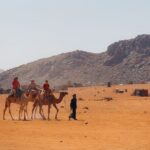
Camel rides are not included by default, but you can add a short 1-hour camel ride for 10 JD per person.
If you want food after arrival, you can add lunch options:
- Light lunch after arrival: 5 JD per person
- Cooked lunch of chicken and rice: 10 JD per person
If you’re trying to keep the day simple, consider grabbing lunch as an add-on rather than planning your own meal stops. Desert time moves quickly.
Timing your desert: sunset starts vs daytime clarity
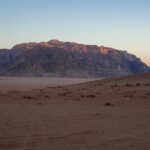
The tour has a built-in option for sunset. If you want to see the desert go gold and slow down, you can request an afternoon start.
Sunset is usually the best time for colors and softer light. But daytime can be best for clarity, especially if you want to see inscriptions and canyon details without squinting.
Either way, remember this is a good-weather experience. The tour notes it requires good weather. If it gets canceled due to poor weather, you’ll be offered a different date or a full refund.
Pack for the time you’ll be outside. Bring a hat, protect your eyes, and wear breathable clothing that won’t make you regret being warm later.
Price and value: what $45 buys you in Wadi Rum
At $45 per person, this is priced like a serious “high value per hour” desert outing. That’s largely because the tour is designed to hit major sites efficiently: tea welcome, Lawrence stops, the big red dune, key canyon and arch points, and the inscriptions—all within a short time window.
Group discounts are mentioned, and that can matter if you’re traveling with friends or family. Also, with a maximum group size of 6 travelers, you’re not fighting a crowd for attention.
Compared to tours that only promise driving time, this one spends time at specific named places, with explanations built in. And bottled water helps justify the price because you’re not scrambling to buy what you need mid-desert.
My practical advice: choose the option that matches the activities you care about most. If sandboarding or camel rides are on your wish list, make sure that activity is included in your selected option. If your plan is mostly photos and viewpoints, stick with the core jeep route and save your budget for water, lunch, or a camel add-on.
Quick practicalities: meeting point, duration range, and comfort
You start at Wild Wadi Rum Tours in the Wadi Rum Village area, and the tour ends back at the meeting point.
Ticket redemption is listed at the Wadi Rum Visitor Center (JCQM+MPH). If you’re arriving early, it’s worth familiarizing yourself with the visitor center so check-in feels stress-free.
Duration varies by option, from 2 to 6 hours. That range is useful. It means you can keep your day light if you have other plans around Aqaba.
Service animals are allowed, and most people can participate. Still, if you know you struggle with sandy footing or scrambling near arches, pick your comfort level early and ask the guide what’s involved before you try harder climbs.
Should you book this short Wadi Rum tour?
I’d book it if you want the big Wadi Rum names and shapes—arches, canyons, inscriptions, and the big red dune—without the commitment of a full-day expedition. The short format is a feature, not a compromise.
It’s also a smart pick if you like learning while you travel. The combination of historic meanings at multiple sites and a guide who speaks English turns the stops into more than picture moments.
Skip it (or at least rethink your expectations) if you want a purely low-movement experience. There’s enough walking and occasional scrambling that you’ll feel the desert under your feet.
If your goal is to get your bearings fast in Wadi Rum, this tour has a strong hit list and a pace that respects your time.
FAQ
How long is the Wadi Rum short tour?
The duration is about 2 to 6 hours depending on the option you choose.
What stops are included on the short tours?
The short tours include stops at Lawrence’s house, the big red sand dune, Khazali Canyon, and Little Rock Arch, plus other featured stops during the route.
How big is the group?
This tour has a maximum of 6 travelers.
Where do I meet the tour and how do I redeem tickets?
The start is at Wild Wadi Rum Tours near Wadi Rum Protected Area, School Street, Wadi Rum Village, Jordan, and the activity ends back at the meeting point. Ticket redemption is at the Wadi Rum Visitor Center (JCQM+MPH).
What’s included in the price?
Included items are cold bottled water and English-speaking guides.
Can I add a camel ride, and what does it cost?
Yes. A short 1-hour camel ride can be added for 10 JD per person.
Is free cancellation available?
Yes. You can cancel for a full refund up to 24 hours in advance. If you cancel less than 24 hours before the start time, the amount paid is not refunded.