REVIEW · AQABA
Suhaila (connecting through cooking)
Book on Viator →Operated by Suhaila Cooking Class & Walking Tour in Aqaba · Bookable on Viator
A family kitchen beats a scripted tour. In Aqaba, this experience pairs hands-on cooking with real Jordanian food stories, told by chef Mohammed and his family, so you learn what you’re making and why it matters. I especially liked the chance to cook together in a home setting, and I really liked eating the meal in the traditional way, sitting on the floor with everyone gathered. One thing to consider: this is mainly a cultural cooking evening, not a long, high-production lesson with endless dishes, so your menu learning will depend on the group and what they’re preparing that night.
If you’re worried about cooking skills, relax. This is set up for anyone to join, and you can request vegan or vegetarian options ahead of time. The class runs about 3 to 3.5 hours, starting at 6:00 pm, and it stays very small, with a maximum of 4 travelers, which makes the conversation and hands-on attention feel personal rather than rushed.
In This Review
- Key Takeaways Before You Go
- Where You Start in Aqaba: Mohammed’s Family House at 6:00 pm
- The Cooking Flow: What You’ll Make and How the Class Feels
- Jordanian Food Stories at Home: Culture, Ingredients, and Everyday Life
- Eating Like Locals: Floor Seating and a Meal You Share
- Getting the Recipes After: The PDF Cooking Book You Receive by Email
- Price, Time, and Group Size: Is $45 Worth It?
- Who This Cooking Class in Aqaba Works Best For
- Should You Book Suhaila Cooking Class & Walking Tour in Aqaba?
- FAQ
- Where does this experience take place?
- What time does it start?
- How long does the class last?
- How large is the group?
- Can I request vegetarian or vegan food?
- Is cooking experience required?
- What do we do during the class?
- Do I get recipes to take home?
- What is the price?
- What if the experience is canceled due to minimum travelers?
Key Takeaways Before You Go
- Chef-led, hands-on cooking in a real family house with Mohammed guiding you step-by-step
- Small group size (max 4) for more personal attention
- Traditional meal setup, eaten sitting on the floor together
- Vegetarian and vegan options available by request
- You leave with a PDF cooking book emailed to you after the class
- Cultural talk is part of the meal, including food history and everyday Jordanian life
Where You Start in Aqaba: Mohammed’s Family House at 6:00 pm
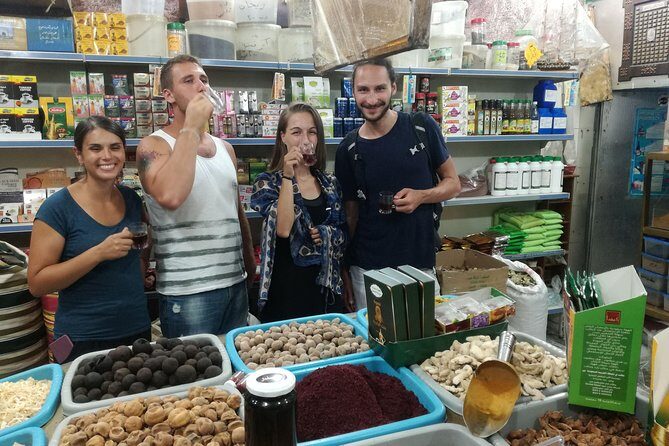
This is not a workshop in a hotel kitchen. Your evening begins at a local meeting point in Aqaba, using a specific location in the area of Wadi Rum, Aqaba (listed with a plus code). It starts at 6:00 pm, so plan your day so you’re not sprinting across town at the last second.
When you arrive, you’re stepping into a family home environment. The host setup is described as a home cooking experience with Mohammed, his wife, his daughter, and even a very young child in the household. That family context matters: it’s the difference between watching someone cook and actually getting pulled into the rhythm of a real meal being prepared.
Also, the experience is described as near public transportation, so you shouldn’t need a private car to make it work. And since the group is capped low, you won’t be herded in a crowd. You’ll have enough time to orient yourself, ask questions, and get into the cooking flow without feeling like you’re interrupting.
You can also read our reviews of more tours and experiences in Aqaba.



The Cooking Flow: What You’ll Make and How the Class Feels
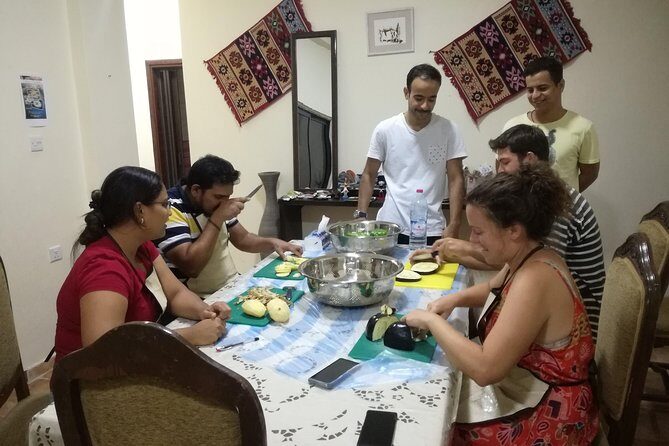
The core of the experience is a hands-on Jordanian meal prepared together in the household. The format is straightforward: you join the cooking, learn as you go, and then eat what you help make.
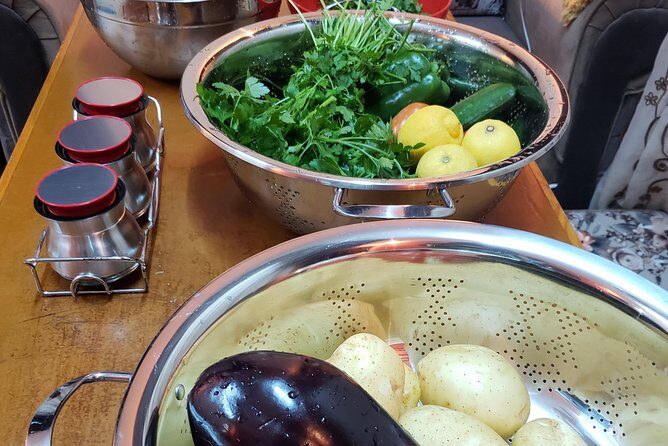
From the information provided, you’ll cook typical Jordanian dishes, and they’re able to adapt for vegan or vegetarian requests. The reviews back up what that cooking looks like in practice. One common takeaway is that you end up making items such as lentil soup, plus vegetables, and a dip (and sometimes what’s described as a salad as part of the meal).
Here’s the part that makes or breaks your expectations: you shouldn’t expect a huge, all-day cooking curriculum. This is a 3 to 3.5 hour cultural cooking session, and they aim to get you practical results. In a shorter time window, that means the meal may include a smaller set of dishes rather than a long menu of many recipes.
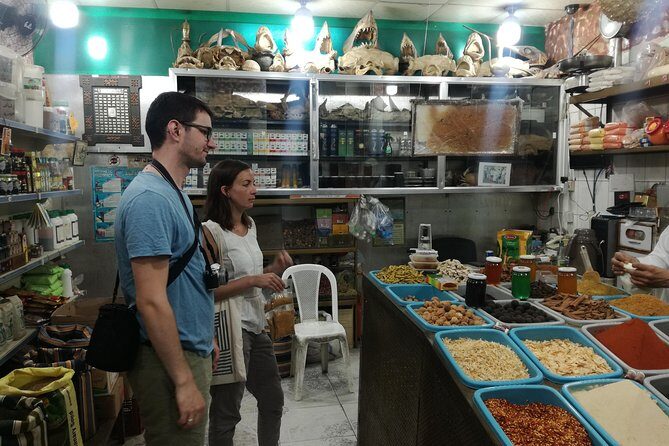
If you go in expecting market stops, a full ingredient-shopping route, or a very large number of separate recipes, you might feel let down. If you go in wanting a warm, hands-on night with a family, plus a few solid recipe takeaways you can reproduce, you’ll likely feel the value quickly.
The good news for skill level: there’s no stress about cooking ability. It’s presented as a low-pressure experience for anyone, and the point is learning culture through food, not testing your technique.
Jordanian Food Stories at Home: Culture, Ingredients, and Everyday Life
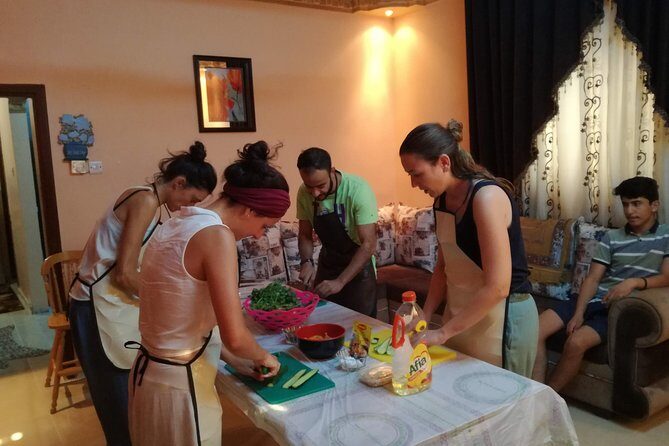
The cooking itself is only half the show. The other half is the talk at the table while you cook and eat—stories and context about Jordanian culture and food history.
This experience is framed as an authentic cultural exchange through both stories and food. That shows up in the way Mohammed shares not just what to do, but why certain ingredients and dishes matter. You’ll also spend time chatting about local life and traditions, which is where the home setting really shines.
One of the strongest themes from the reviews is conversation that reaches beyond food. I like that because it changes the experience from a one-time meal into something more lasting: you’re learning how Jordanian people connect, what they value, and how religions and daily life intersect. Even if you’re not a history buff, these kinds of human details are what make the food feel personal instead of generic.
There’s also a very practical reason this storytelling matters. When you understand what a dish means to the people making it, you’re more likely to remember the recipe steps later. Food names can blur. Stories stick.
Eating Like Locals: Floor Seating and a Meal You Share
After cooking, you sit down and eat together in the traditional way—on the floor. That detail might sound small, but it changes the whole mood. You’re not facing a screen or separated by a table layout; you’re gathered. It’s harder to keep things formal, and that tends to make conversation flow more naturally.
Because the group stays very small, you’ll be eating with people you actually talk to, not a pass-through crowd. You also get to experience the meal as it would be served within the home, which is part of the authenticity this experience is built around.
And if you asked for vegetarian or vegan, the meal is still structured as a family-style dining experience. You’re not eating a side plate separate from everyone else. You’re still part of the table rhythm—cooking, sitting, sharing.
One more note: this kind of dining style can be surprisingly memorable. Sitting on the floor for a full meal makes you slow down. You notice flavors more. You pay attention to how the food is meant to be eaten.
Getting the Recipes After: The PDF Cooking Book You Receive by Email
A lot of cooking classes end with a good meal and a vague memory of what you did. This one has a cleaner payoff: after the class, you receive a PDF cooking book by email. The goal is simple—help you recreate the dishes when you’re back home.
I like this approach because it supports real travel value. You can enjoy the evening in Aqaba, then keep the recipes practical later. If you’re the type who cooks after a trip, this PDF gives you something more useful than photos.
Just keep expectations realistic: the PDF is helpful, but you’ll still benefit from recalling the steps you did live. The best time to absorb the method is during the cooking, when you can ask questions and adjust as you go.






Price, Time, and Group Size: Is $45 Worth It?
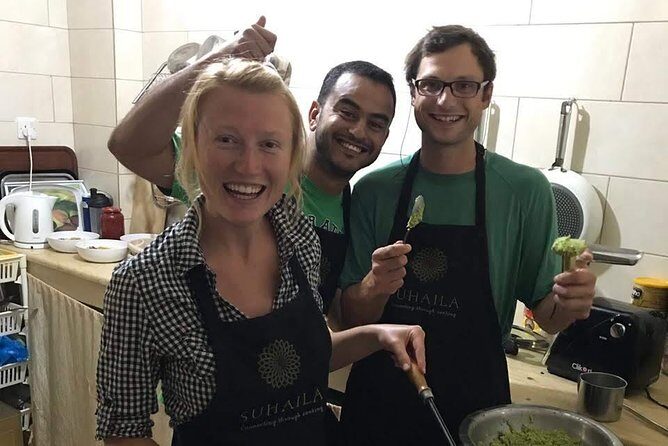
At $45 per person for about 3 to 3.5 hours, this sits in the “affordable but not dirt cheap” zone. The value comes from three places:
1) You’re eating what you cook, in a real family home setup.
2) Group size is tiny (maximum 4), so attention and interaction are more likely to be personal.
3) You get a PDF recipe guide afterward, which extends the experience beyond the evening.
Now the fair consideration. One review criticized the price as too high for what was prepared, mentioning they made only a soup, a main dish, and a dip. Another mention said the market visit that was implied didn’t happen. The host response explained that part of the price covers booking platform fees and food costs, and that when the group was very small they still worked to prepare a full-enough meal.
So how should you decide? Ask yourself what you want most:
- If you want a family home meal plus cultural conversation and a few recipe takeaways, this is likely a good deal.
- If you want a long list of dishes, a shopping/market walkthrough, and a more structured multi-recipe syllabus, you might feel like you paid for something smaller than you expected.
Either way, the small-group format is the big lever here. With fewer people, you often get more conversation and more hands-on guidance, which supports the price.
Who This Cooking Class in Aqaba Works Best For
This experience is ideal if you:
- Want Jordanian culture through food, not just a meal for fuel
- Like hands-on activities where you can ask questions in the moment
- Enjoy meeting local families and learning everyday life details
- Are traveling solo, as a couple, or with a small group and want something personal
It’s also a strong pick for vegetarians or vegans since vegan/vegetarian meals are available by request.
Where it may not fit as well:
- If your top priority is a big sightseeing checklist or lots of separate cooking stations
- If you expect an included market tour route (the cooking itself is the focus, and the structure isn’t described as a shopping itinerary)
Should You Book Suhaila Cooking Class & Walking Tour in Aqaba?
I’d book it if you’re in Aqaba and you want one unforgettable evening that mixes real home hospitality, practical cooking, and cultural stories you can’t copy from a cookbook. The combination of cooking together, eating family-style on the floor, and getting a PDF recipe book later is exactly the kind of travel value I like.
I’d skip or switch to a different option if you’re mainly chasing a very wide menu of recipes, a market-shopping program, or a more classroom-style cooking course. At $45, you’re paying for the family connection and the meal, so make sure that’s what you’re after.
If you do book, show up curious, come ready to talk, and don’t overthink your cooking ability. The whole point is that you’re joining the process, not performing it.
FAQ
Where does this experience take place?
It’s a home cooking experience in Aqaba, where guests join the host family in their house.
What time does it start?
It starts at 6:00 pm.
How long does the class last?
Plan for about 3 to 3.5 hours.
How large is the group?
The activity has a maximum of 4 travelers, with a very small group feel throughout.
Can I request vegetarian or vegan food?
Yes. Vegan and vegetarian options are available per request.
Is cooking experience required?
No. The experience is designed to have no stress about cooking skills, and anyone is welcome.
What do we do during the class?
You join the family to cook a typical Jordanian meal together, then eat the meal together sitting on the floor in the traditional way.
Do I get recipes to take home?
Yes. After the class, you receive a cooking book in PDF form via email.
What is the price?
The price is $45.00 per person.
What if the experience is canceled due to minimum travelers?
If it’s canceled because the minimum isn’t met, you’ll be offered a different date/experience or a full refund.