REVIEW · PETRA
Petra Back-Road Trail and Hike
Book on Viator →Operated by The professions - Petra Back-door Trail and Route Hike · Bookable on Viator
Petra from the back door saves your day. This Petra back-road trail keeps you moving through smaller sites first, then ramps up to the big-ticket views.
I especially like the way it builds a crescendo ending at Al-Khazna (the Treasury), instead of giving it all away at the start. The second thing I like is the small group size (up to 6), which makes the pacing and photo stops feel less chaotic.
You’ll be walking for hours, including up-stairs stone sections and a long route through multiple Petra zones. If you have knee issues or you hate steep climbs, this one will feel like work, not a stroll.
In This Review
- Key Points I’d Use to Plan Your Day
- First Stop: Little Petra (Siq al-Barid) and Beidha’s Neolithic Village
- The Big Climb to Al-Dayr (Monastery) and Why It Feels Different
- Back Toward Petra: Colonnaded Street and the Street of Facades
- The Royal Tombs Section: Urn Tomb, Silk Tomb, and the Stairs Factor
- Reaching the Treasury: Shamasah, Siq Ghorab, and the Wadi Araba View
- Finishing Touches: Nymphaeum Foundations and the Byzantine Church Ruins
- Price and Tickets: Is It Worth $380 Per Group?
- Who Should Choose This Petra Back-Road Hike
- The One Caution Sign: Guide Expectations and What You Want From the Day
- Should You Book the Petra Back-Road Trail and Route Hike?
- FAQ
- What time does the tour start?
- Is pickup available?
- How long is the Petra back-road hike?
- How many people are in a group?
- Is the tour suitable for someone with moderate physical fitness?
- Are mobile tickets used?
- Are admission tickets included for every stop?
- What happens if weather is poor?
Key Points I’d Use to Plan Your Day
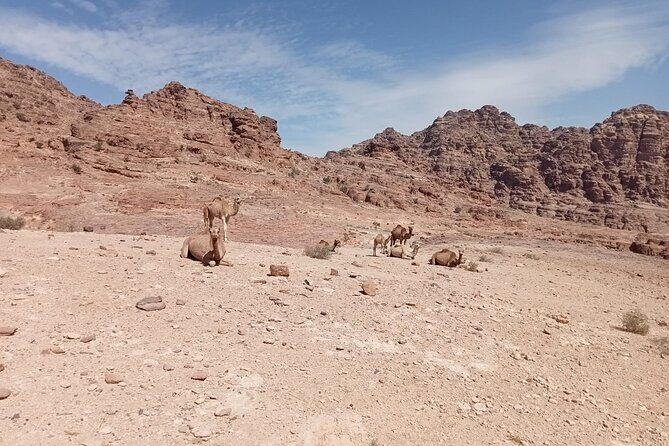
- Back-door route to the Treasury: you reach Al-Khazna after a hike, so the arrival feels earned
- Little Petra + Neolithic Beidha: good warm-up with rock-cut features and an older settlement to spot
- Al-Dayr (the Monastery) is the star climb: one of Petra’s biggest monuments and a route with real steps
- Roman-era touchpoints: colonnaded street and facades give you variety, not just one canyon
- Some major sights aren’t ticketed: Royal Tombs and the Treasury may require your own entry
- Group capped at 6: you get more guidance and easier timing than big group bus tours
First Stop: Little Petra (Siq al-Barid) and Beidha’s Neolithic Village
Most days start bright and early at 9:00 am, either with pickup or a meet-up at Little Petra. You’ll begin with a short intro walk in Little Petra, then transition to a route that’s shorter than the main Siq that most people walk to the Treasury.
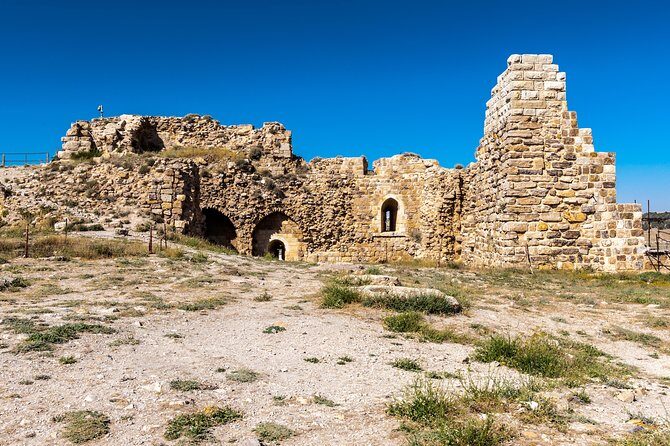
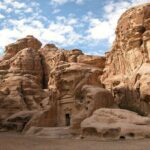
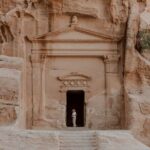
Little Petra here is also known as Siq al-Barid, a cold canyon name that matches the feel of the narrow passage. It’s not the long, crowd-squeezing main canyon—so you can actually look around at the rock-cut spots. The trail occasionally opens into areas with rock-temple cuts and remains like painted houses, which helps you connect the dots before you reach Petra proper.
After that, you move on to Al-Beidha, a Neolithic site tied to one of the oldest settlement periods in Jordan. What makes Beidha valuable on this kind of hike is pacing: you get context before you start doing the bigger Petra climbs. It’s a good reminder that Petra wasn’t just about later monuments and tomb facades.
You can also read our reviews of more hiking tours in Petra
The Big Climb to Al-Dayr (Monastery) and Why It Feels Different
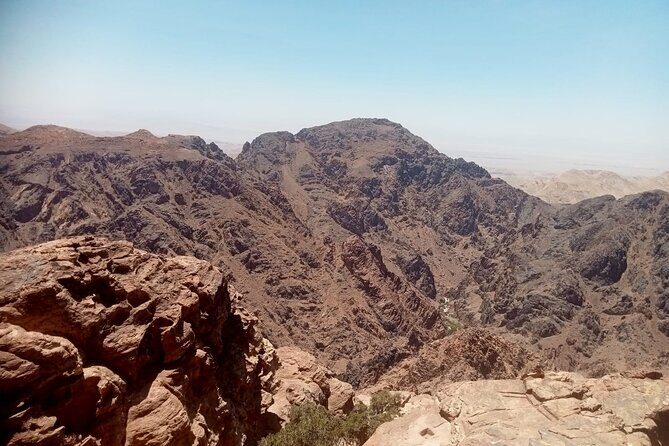
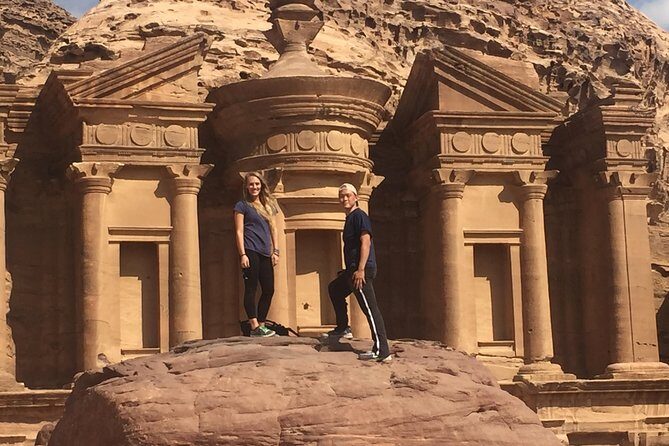
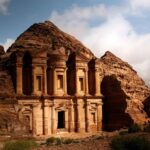
The heart of the experience for many people is Al-Dayr (the Monastery), built as a Nabataean tomb in the 3rd century BCE. The monument is enormous—about 50m wide and 45m high—and it’s designed in a style similar to the Treasury, but with a bigger, more commanding presence.
The approach matters. You follow an ancient rock-cut path with more than 800 steps, starting from the Basin Restaurant area. That means you don’t just see the Monastery; you earn it. Even if you’ve visited Petra before, reaching Al-Dayr by this kind of step-heavy procession changes the way you experience the monument.
Inside, there are carvings that include crosses, linked to later Byzantine use as a church. The result: you’re seeing layered history in stone—Nabataean tomb architecture that later gets a Christian chapter. It’s also a good break from the tight canyon sections, because when you reach the Monastery area you get more room to take in the shape of the hills around it.
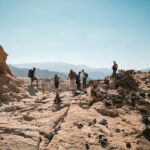
If you’re the type who hates long, steady climbs, this is the section to think about. Plan your hydration, slow your pace, and don’t rush it. The payoff is huge once you’re at the top.
Back Toward Petra: Colonnaded Street and the Street of Facades
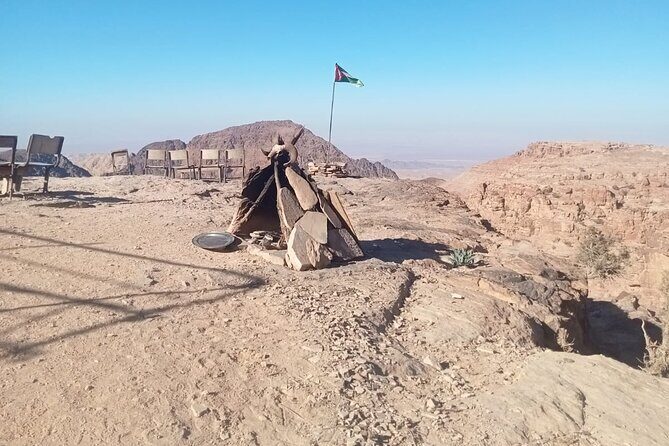
From Al-Dayr, you work your way back toward Petra’s main zones. One stop is the Colonnaded Street, a Nabataean construction later renovated in the Roman era. There’s a specific detail worth looking for: by 106 BC, the street was restored to about 6 meters wide, and excavations suggest there once were road-side structures that sat above the street level.
Walking this stretch is useful because it helps you “read” Petra as a city rather than just a canyon of monuments. The street layout gives you a sense of how movement and public space worked—especially when you compare it to the narrow Siqs you already walked through.
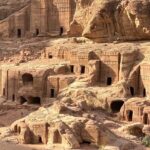
Next comes the Street of Facades, where you’ll encounter tombs cut into the rock faces. A key detail here is that some of these tombs are more accessible than many other Petra tombs. You’ll also find a standout example: tomb number 67, notable for a funeral chamber in the upper story.
Time-wise, this part stays relatively short, which is perfect. You don’t get stuck in one area waiting for the group; you keep momentum while still getting close enough to see differences between tomb styles and placements.
The Royal Tombs Section: Urn Tomb, Silk Tomb, and the Stairs Factor
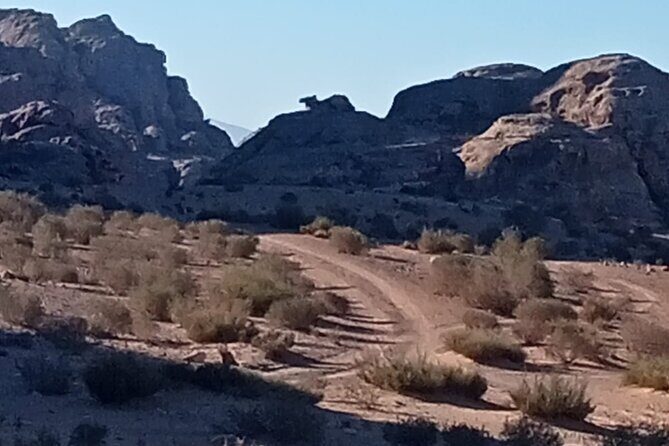
After the facades, the route includes the area people often call the Royal Tombs—a cluster of large mausoleums with dramatic facades carved into the western slope of the Jabal al-Khubtha rock massif.
To reach them, you’ll need to ascend a staircase to get to the Urn Tomb. This is also where the Byzantine era comes back into the story: the urn site served as a devotion point in that later period. Next to it is the Silk Tomb, described by its deep shade of sandstone—an easy detail to connect when you’re standing there. After that, other named tombs appear in the sequence, including the Palace Tomb, the Corinthian Tomb, and the Tomb of Sesto Fiorentino.
One practical note: this section lists admission ticket not included. That doesn’t mean you can’t go—it means you should budget for entrance in addition to the tour price, at least for some major sights. If you prefer everything handled in one go, you’ll want to confirm what’s included in your booking and what you’ll need to pay on-site.
Also, this is another “stairs and slope” moment. If your plan is to arrive at the Treasury feeling fresh, treat the Royal Tombs climb like a steady hike, not a sprint.
Reaching the Treasury: Shamasah, Siq Ghorab, and the Wadi Araba View
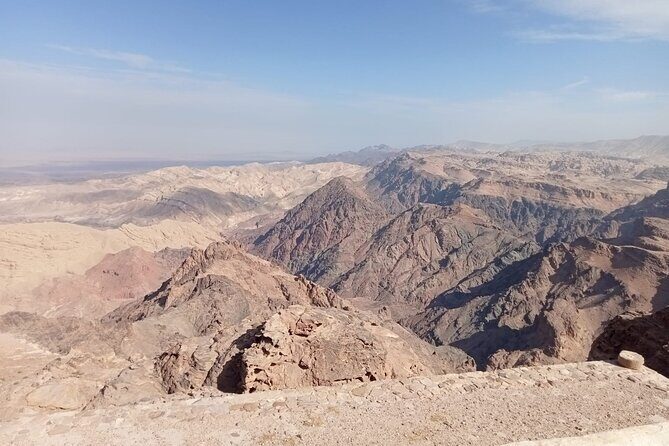
This tour’s signature trick is timing. You move through a route tied to a place called Shamasah, accessed through a large canyon known as Siq Ghorab. That matters because it reshapes the mental order of Petra: you don’t get the Treasury immediately. You build toward it.
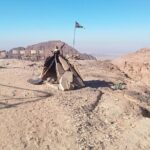
Along the way, you’re guided to a panoramic view over Wadi Araba and the west bank mountains. That viewpoint segment is the kind of break that makes the walking feel worth it. It’s not just a photo stop; it helps you understand where Petra sits in a much wider world of valleys and rock ridges.
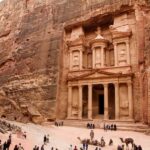
Then comes the moment people came for: Al-Khazna (the Treasury). It’s roughly 40 meters high, with ornate exterior carvings, including Corinthian-style capitals, friezes, and human figures. The famous urn-at-the-top detail is wrapped in folklore about treasure, but you’ll also be shown what’s known about its purpose as a royal memorial.
The Treasury is also a classic study in layered architectural planning: two stories, each about 25.30m wide and 39.1m high, with three chambers on the outside face—one centered and two on either side. Even if you’ve seen photos, being close up helps you notice the engineering and repetition that the Nabataeans used to make a monument look carved from one massive piece.
Just keep one thing in mind: the Treasury is marked as admission ticket not included. Make sure you arrive with the right entry expectations so you aren’t stuck in a ticket scramble while your group waits.

Finishing Touches: Nymphaeum Foundations and the Byzantine Church Ruins

After the Treasury, the route doesn’t end in a wall of crowds. You continue to Nymphaeum, a grand public fountain that once ran along Petra’s Colonnaded Street. Today, only foundations remain, often in the shade of a tree, which means it’s more of a “look and imagine” stop than a dramatic ruin.
Next is the Byzantine Church in Petra—a ruin connected to a church architecture style from the Byzantine period. You’ll see that it was not discovered until the 1990s, and the church uses materials connected to earlier periods, including pieces associated with Nabatean and Roman eras.
Time-wise, these two stops are short, which is good. You finish the day with a couple of context anchors: water in public life (Nymphaeum) and later Christian reuse of older spaces (Byzantine Church).
Price and Tickets: Is It Worth $380 Per Group?
At $380 per group (up to 6), the price can look high until you do the math for who’s sharing. With the group cap at six, you’re paying for a guided day that covers multiple Petra zones, with a route designed to reduce the usual same-day-feels crowd pattern.
Here’s the value logic I’d use: you’re not just buying access to one monument. You’re paying for route planning, a guided walking day across key sites (Little Petra, Beidha, Al-Dayr, Royal Tombs area, Treasury, and finish stops), and a pacing that aims for the Treasury as a payoff.
The one cost complication is admissions. The tour notes admission ticket included for some stops and not included for others—specifically Royal Tombs and the Treasury. So your all-in cost will depend on what entrance fees you pay on the day. Before you go, I’d double-check your booking notes so you know what you’ll handle at the gates.
Also, with pickup offered (or meet at Little Petra) and a mobile ticket option, the tour aims to make start-time easier. That’s not flashy, but in Petra it matters, because you’re trying to maximize the hours you’re actually walking and seeing.
Who Should Choose This Petra Back-Road Hike
This is a strong fit if you want a guided Petra day with structure, and you like the idea of reaching the Treasury after doing other monuments first. The back-door approach tends to feel better because you’re not stuck with the same crowd flow everyone else follows.
It’s also ideal for people who enjoy variety: canyon passages, a Neolithic settlement area, a huge monument climb at Al-Dayr, then tomb facades and city streets.
I’d be cautious if you have low stamina for stairs and long walking. The route includes more than 800 steps on the Monastery approach and additional stair climbing for the Royal Tombs area. Moderate physical fitness is the stated level, so bring good shoes and a slow, steady pace.
If you’re booking close to peak times, it can help that this experience is often booked about 22 days in advance. In other words: it’s not just you making plans.
The One Caution Sign: Guide Expectations and What You Want From the Day
With any Petra guide service, your experience depends a lot on what you want to get out of the day. One low-star experience I took seriously wasn’t about the monuments—it was about expectations for guidance and historical context. The complaint pointed to the feeling that a more professional, context-rich guiding style was missing.
So here’s my practical advice: before the day starts, decide what you want most—tombs and architecture details, cultural timeline storytelling, or mostly route clarity and viewpoint timing. If you’re expecting deep history, ask for it early and set the tone.
Done right, this type of route is a win because the monuments are connected by a walking story. Done halfway, it can feel like “just walking from site to site.”
Should You Book the Petra Back-Road Trail and Route Hike?
If your priority is a more rewarding approach to Al-Khazna—plus a full day touching Little Petra, Beidha, and the big Monastery climb—then yes, I think you should book it. The combination of a back-door route and a guided, small-group rhythm is exactly the kind of structure that makes Petra feel human-sized.
Before you commit, do two things: confirm what’s included for entrance on the Treasury and Royal Tombs stops, and honestly assess your tolerance for stairs. If you can handle that, this is one of the smarter ways to see Petra without getting stuck in the most obvious flow.
FAQ
What time does the tour start?
The tour starts at 9:00 am.
Is pickup available?
Yes. Pickup is offered, or you can meet at Little Petra.
How long is the Petra back-road hike?
Expect 8 to 9 hours (approx.).
How many people are in a group?
This experience has a maximum of 6 travelers.
Is the tour suitable for someone with moderate physical fitness?
The tour is described as suitable for travelers with a moderate physical fitness level, and the route includes long walking and stair sections.
Are mobile tickets used?
Yes. This activity includes a mobile ticket.
Are admission tickets included for every stop?
No. Admission ticket included applies to some stops (like Little Petra/Beidha, Al-Dayr, Colonnaded Street, Street of Facades, Nymphaeum, and the Byzantine Church), while admission ticket not included is listed for the Royal Tombs and the Treasury.
What happens if weather is poor?
The experience requires good weather. If it’s canceled due to poor weather, you’ll be offered a different date or a full refund.