REVIEW · PETRA
Petra to Wadi Rum Trek – 6 Days
Book on Viator →Operated by Experience Jordan Adventures · Bookable on Viator
Petra to Wadi Rum feels like going off-grid. This 6-day, rugged Jordan Trail trek connects two UNESCO sites with long desert days, remote camps, and big scenery changes from sandstone mountains to flat sandy stretches. I like how much of the route keeps you away from the usual tourist lanes while you still start close to Petra’s historic core.
What I really love is the mix of guided hiking plus hands-on logistics: you get a local English-speaking hiking guide, transfers at key points, and meals every day the trek runs. The second thing I like is that the itinerary grades your effort, with a big, tough opener followed by shorter days and then a final climb into the Wadi Rum plateau. One thing to consider: this is strong-legs trekking with very steep going on Day 1 and at least some sections that are not waymarked (so you need to trust the guide and your footing).
In This Review
- Key Highlights You’ll Feel on the Trail
- What This Petra to Wadi Rum Trek Really Delivers
- Price and What $995 Really Buys You
- Day 1: The Petra-to-Wadi Musa Start That Quietly Wears You In
- Day 2: South Through Rural Desert Mountains and Oleander-lined Dry Valleys
- Day 3: Wild Desert Mountains Toward a Camp Near the Jordan Valley
- Day 4: Canyons, Rock Formations, and Sand Dunes Before Another Campsite Night
- Day 5: The Long Gradual Climb Out, Then Jeep Into Wadi Rum (Abassiya)
- Day 6: One Last Morning in Wadi Rum Protected Area
- What the Guide and Small Group Size Mean for Your Experience
- How Difficult Is This, Really? A Straight Answer
- Practical Prep: What to Bring for a Remote Petra-to-Wadi Rum Hike
- Should You Book It? My Decision Rules
- FAQ
- Where does the trek start and where does it end?
- What’s included in the price?
- Is pickup offered?
- Do I need the Jordan Pass for Wadi Rum?
- How difficult is the trekking?
- How long is the trek?
- How big is the group?
Key Highlights You’ll Feel on the Trail
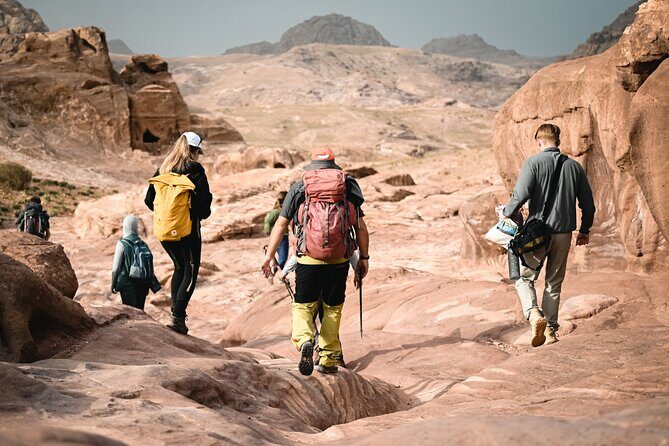
- Jordan Trail between UNESCO sites: real desert route, not just sightseeing from a vehicle.
- Small group size (max 14): more flexibility and less crowd energy on narrow paths.
- Transfers built into the hard parts: hotel-to-trailhead on Day 1, then Hummeima to Wadi Rum on Day 5.
- Camp life for 5 nights: you sleep in the desert, not in towns every evening.
- Unmarked desert sections: navigation is part of the experience (guide-led).
- Wadi Rum protected area finish: you end where the dunes and sandstone formations do the talking.
What This Petra to Wadi Rum Trek Really Delivers
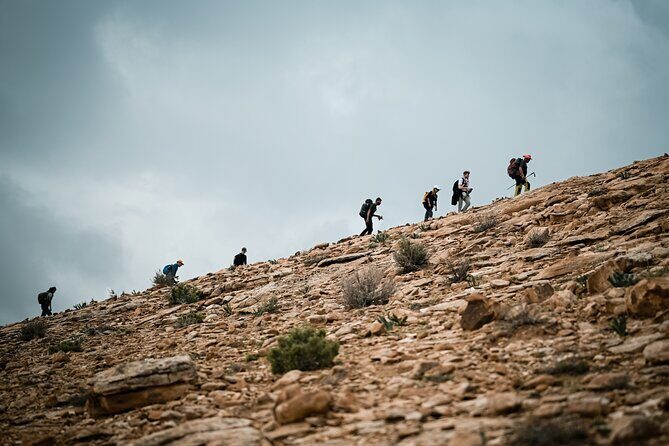
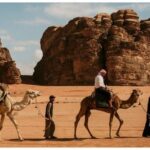
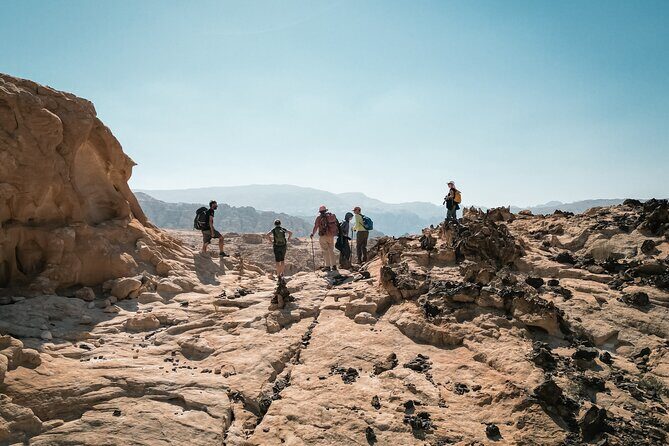
This trek is for people who want the Jordan you see from the road less often. The route runs south from Petra’s area and then pushes into the southern desert mountain range, the Wadi Araba region, and finally the higher-elevation desert terrain around Wadi Rum. The shift is noticeable day by day: sandstone ridges and dry valleys early, then wider, sandier ground later.
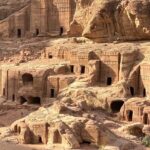
You’re also getting a rare combo: a UNESCO-adjacent start plus a finish in one of Jordan’s most cinematic protected desert zones. Petra can be loud and packed if you only do it the usual way. Here, you start in the Petra neighborhood, then turn off from the main tourist trail and keep going.
Finally, this is not a “walk a little, take photos, repeat” trip. It’s measured trekking days with real elevation work. If you’re fit and comfortable hiking long distances, you’ll get a sense of reward that feels earned.
You can also read our reviews of more hiking tours in Petra
Price and What $995 Really Buys You
At $995 per person for roughly 6 days, you’re paying for far more than a guide and a few meals. The cost is covering:
- 5 nights of accommodation during the hike
- A local English-speaking hiking guide
- Transfers: hotel in Wadi Musa to the start point (Day 1), and from Hummeima to Wadi Rum (Day 5)
- Meals included for the trek days (5 breakfasts, 5 lunches, 5 dinners)
That matters because it removes the two biggest trip headaches in a remote trek: getting to the trail start and keeping you supplied while you’re off the main route. It also means you’re spending less of your energy on logistics and more on pacing yourself.
What’s not included is also clear, and you should plan around it:
- Jordan Pass is not included (it covers your entry fee to Wadi Rum)
- Tips, travel insurance, airfare, and personal expenses are on you
If you already have airfare and know you’ll need the Jordan Pass anyway, this price is easier to swallow. If you’re trying to reduce costs as much as possible, you’ll mainly save money by booking the Jordan Pass separately and budgeting tips and insurance yourself.
Day 1: The Petra-to-Wadi Musa Start That Quietly Wears You In
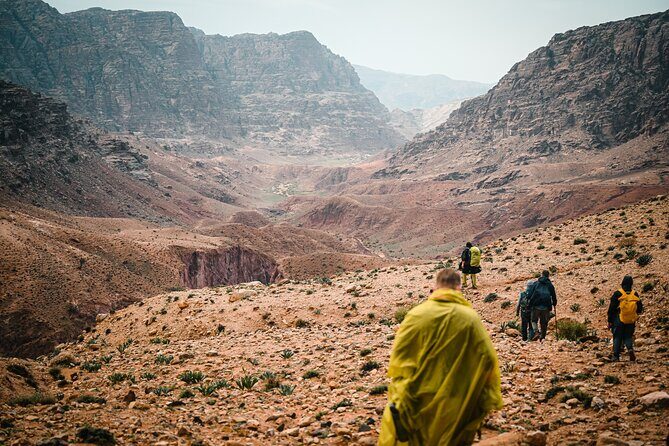
You start at 7:30am from the Petra Museum area (meeting point listed as Petra Museum, Wadi Musa). Then you head off the main trails, leaving the heavier tourist flow behind while still staying inside the wider Nabatean Petra settlement region.
The numbers here are the tone-setter:
- Distance: 24 km
- Time: 6 to 8 hours
- Difficulty: Difficult
- Elevation: about 380 m up and 740 m down
That down is the part people feel later. Descents can be harder than they look because they stress your knees and quads. If you tend to go too fast early, this is where you pay for it. I’d plan your pace like you’re saving energy for tomorrow, not spending it all on Day 1.
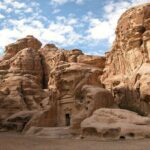
You’ll also pass known landmarks like the Sabra Amphitheatre, which gives you a sense of connection to Petra before the route becomes more remote. The night is spent in a remote campsite, so you’ll likely experience the quiet that comes when you’re not near the main Petra circuits.
Day 2: South Through Rural Desert Mountains and Oleander-lined Dry Valleys
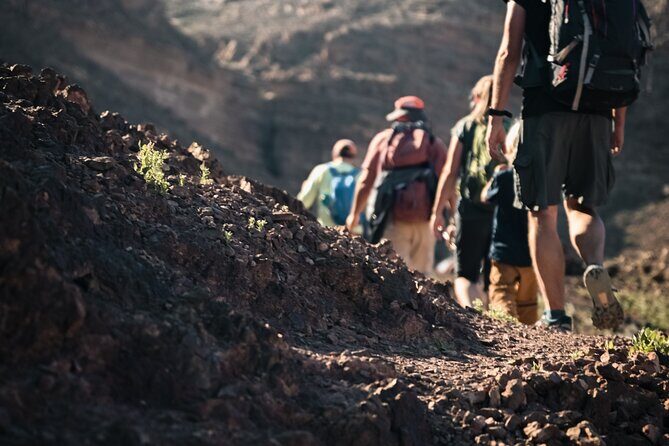
Day 2 keeps you moving south:
- Distance: 15 km
- Time: 4 to 5 hours
- Difficulty: Easy (trail challenge moderate)
- Waymarked: No
- Elevation: about 290 m up, 320 m down
This day is shorter and easier on paper, but the “not waymarked” note is important. It doesn’t mean you’re alone or unassisted—you’ll have a guide. It does mean you should be mentally ready to follow instructions, stay alert at junctions, and accept that the route may look less obvious than classic marked hiking paths.
The scenery is described in grounded terms: rocky valleys, rural desert mountain areas, and oleander plants. That’s a nice reminder that desert trekking isn’t just about sand dunes. Sometimes it’s about scrubby slopes, dry channels, and the feel of walking through a more agricultural edge of the desert.
If you’re the type who likes steady progress without steep suffering, Day 2 is where you can relax your pace a bit and let your legs catch up.
Day 3: Wild Desert Mountains Toward a Camp Near the Jordan Valley
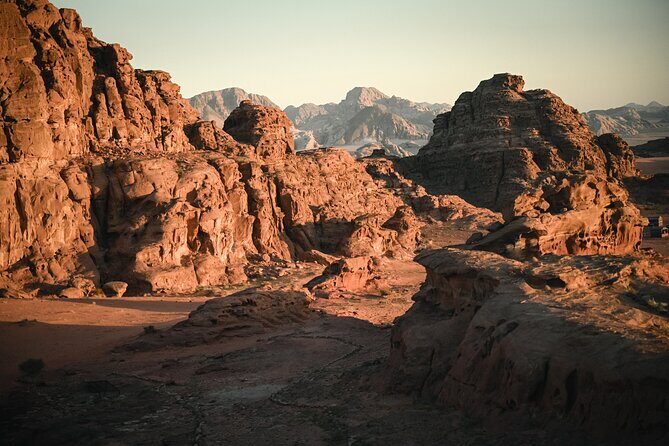
Day 3 is one of those days where the route is described more by feeling than by exact landmark names. You’ll continue south through wild desert mountain terrain and desert valleys, passing a cluster of mountains as you work your way toward a campsite near the Jordan Valley.
What you should take from that description is that you’re still in remote country. That’s good news if you want fewer people and more sense of space. It can also mean you’ll need to be comfortable with:
- fewer obvious path cues than a city park
- longer stretches where you rely on your guide’s rhythm
- variable footing as the terrain shifts between rocky and more open ground
Day 3 is a bridge day: after the first big effort and then the shorter Day 2, you’re heading into the home stretch where the route becomes more canyon-and-dune oriented later.

Day 4: Canyons, Rock Formations, and Sand Dunes Before Another Campsite Night
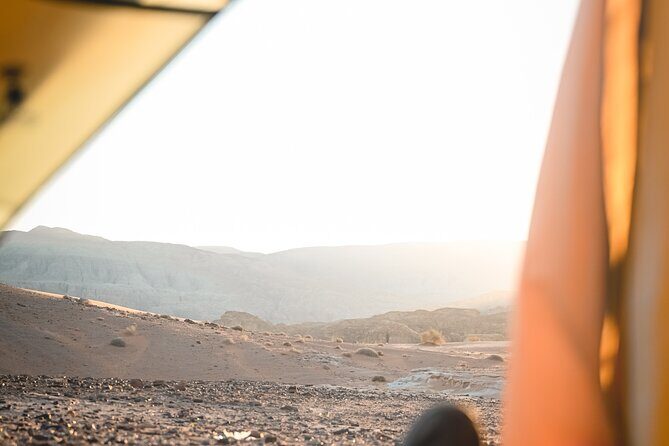
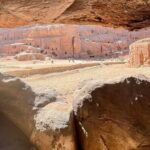
Day 4 is where the “wow” factor tends to ramp up. The route features:
- colorful canyons
- rock formations and wide vistas
- up-and-down hiking that ends at a campsite in a beautiful location
This is also one of the most balanced days in terms of variety. You’re not just walking from one view to the next. You’re moving through different kinds of terrain and likely getting more frequent visual shifts—rocky sections giving way to sandier patches, and then back again as the trail changes character.
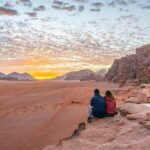
The end point is another campsite. That’s key. Some people underestimate how much camping changes the experience. With a trek like this, the camp night isn’t a pause button—it’s part of the adventure. You’ll go from physical effort to desert calm, and then wake up to a totally different lighting world in the morning.
Day 5: The Long Gradual Climb Out, Then Jeep Into Wadi Rum (Abassiya)
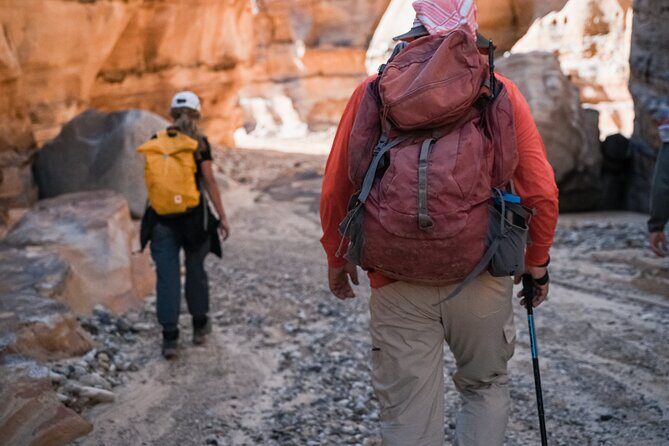
Day 5 is described with one clear challenge: a long, gradual ascent as you hike up and out of the Jordan Valley. Then later you reach the desert plateau in the Wadi Rum area.
After that, you switch modes:
- When you reach the Bedouin village of Abassiya, you take a jeep transfer to Wadi Rum
And the bigger logistics point: you’re also told you’ll get a transfer from Hummeima to Wadi Rum on this day. So expect Day 5 to be a mix of hiking time, then vehicle time, then camp setup in the Wadi Rum protected area.
Why this structure works: it lets you earn the climb while still making sure you’re not trying to do everything under your own steam late in the trek. The “hike then jeep” combination is common in remote trekking because it protects the experience from turning into an all-out slog on the last day.
Also, the Wadi Rum area is included as a Protected Area stop, and the tour notes that Wadi Rum entry is tied to Jordan Pass (so don’t forget to plan for that).
Day 6: One Last Morning in Wadi Rum Protected Area
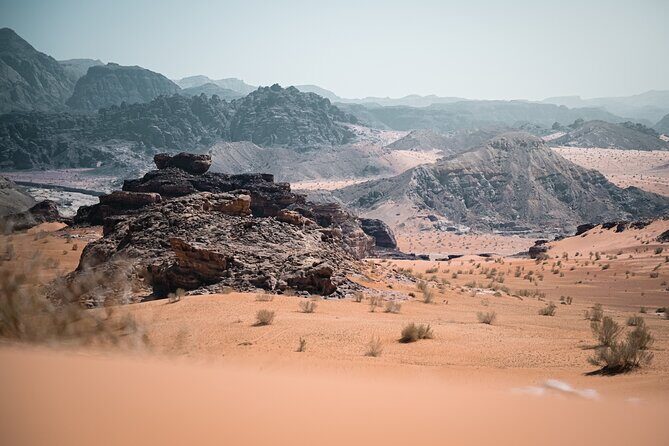
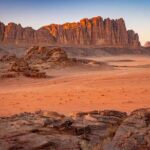
You end by waking up and spending time in Wadi Rum Protected Area: red sand dunes, sandstone mountains, and rock formations. Then the tour ends there, with options for what you do next.
The tour ends the morning after the hike at the Wadi Rum campsite. That’s a helpful detail: you’ll likely feel you’ve “arrived” without having to immediately continue trekking again the moment you step into Wadi Rum.
If you want to stretch your Jordan week, the tour notes common add-on routes:
- some people continue to Aqaba and the Red Sea
- some go to the Dead Sea
- others head back straight to Amman
Even if you don’t book an extension through the operator, it’s good you’re not locked into one single follow-up plan.
What the Guide and Small Group Size Mean for Your Experience
The tour caps at 14 travelers and includes a local English-speaking hiking guide. In practice, this combination usually means the trek feels more like a group you can manage than a cattle line. You’ll likely get:
- clearer pacing decisions during tougher sections
- more chance to ask questions about what you’re walking through
- help with route-finding in those unmarked or visually confusing stretches
One theme from the operator’s broader trekking reputation is that guides often bring explanations to the walk, including historical context and practical commentary on desert life. Names like Motaz, Mutaz, Raja, and Mahmood Attal show up in that guiding style in past feedback for the company. Even if your guide is different, the key point you can use is this: the operator seems to take guiding seriously, not just logistics.
Also, the logistics team behind the scenes matters on a trek like this. When camping is involved and distances are long, the people handling the campsite setup are part of why the trek can stay comfortable enough to enjoy.
How Difficult Is This, Really? A Straight Answer
The tour clearly says you should have a strong physical fitness level, and the day-by-day distances support that.
- Day 1: 24 km and difficult, with heavy downhill (740 m descent). Expect this to be the toughest day of the whole trip.
- Day 2: shorter and marked “easy” but trail challenge is still moderate, plus it’s not waymarked.
- Day 3: described as continued mountain-and-valley trekking, remote and rugged by nature.
- Day 4: canyons and sand dunes with up-and-down effort.
- Day 5: a long gradual climb out of the Jordan Valley, then plateau walking, then jeep transfer.
If you’re currently training for hills, endurance walks, or multi-day treks, you’ll likely handle it well. If you’re expecting a casual hike, you’ll probably feel worn down—especially on Day 1.
Practical Prep: What to Bring for a Remote Petra-to-Wadi Rum Hike
Even though the tour details focus on logistics and route, you’ll still want to pack smart for desert trekking conditions. I’d treat this like a serious outdoor hike, not a city walk.
Think about:
- Footwear with real tread for rocky descents and sandy patches
- Layers for temperature swings between Petra area evenings and desert nights
- Sun protection because the route includes open desert and dunes later in the trek
- A simple day system (small pack that keeps essentials accessible while walking)
Also, because the route includes at least one explicitly not waymarked day, don’t rely on your phone alone. Follow the guide and keep your own pace steady—rushing is how people slip.
Finally, keep weather in mind. The experience notes it requires good weather. If conditions are poor, the operator may adjust by offering another date or a full refund. Desert terrain changes fast when the weather shifts.
Should You Book It? My Decision Rules
Book this trek if you want:
- a real desert hiking experience between Petra and Wadi Rum, not just transfers and viewpoints
- a guided route that still feels remote and adventurous
- camp nights and long days where the reward is the walking itself
You should pause before booking if:
- you don’t handle long distances well (Day 1 alone is 24 km and difficult)
- you have knee issues or know downhill hiking punishes you
- you’re expecting fully marked trails end-to-end (at least Day 2 is not waymarked)
If you fit the fitness profile and you like the idea of earning your desert views, this is a strong value because so much of the hard-to-organize parts—accommodation, meals, guide, and major transfers—are handled for you. The big tradeoff is effort. But the payoff is that Petra and Wadi Rum become part of the same journey, stitched together by days on the Jordan Trail.
FAQ
Where does the trek start and where does it end?
The trek starts at the Petra Museum area in Wadi Musa, and it ends at the Wadi Rum Protected Area. The tour ends the morning after the hike at the Wadi Rum campsite.
What’s included in the price?
Included are 5 nights of accommodation, a local English-speaking hiking guide, transfers (including Wadi Musa hotel to the hike start on Day 1 and Hummeima to Wadi Rum on Day 5), and meals: 5 breakfasts, 5 lunches, and 5 dinners.
Is pickup offered?
You get a transfer from your hotel in Wadi Musa to the start point on Day 1, and there are other transfers during the trek, including the Day 5 transfer to Wadi Rum.
Do I need the Jordan Pass for Wadi Rum?
Yes. The Jordan Pass is not included, and it covers your entry fee to Wadi Rum.
How difficult is the trekking?
It’s best suited to people with strong physical fitness. Day 1 is difficult (24 km, 6–8 hours, with significant descent). Day 2 is shorter and labeled easy, but the trail can still be challenging and is not waymarked.
How long is the trek?
It runs for 6 days approximately, starting at 7:30am on Day 1.
How big is the group?
The tour has a maximum of 14 travelers.