Jordan hits different when you chain the big sites together. This private 5-day route strings Amman history to Petra and Wadi Rum overnight without you playing chauffeur. You get a dedicated driver, scheduled guided time at Jerash and Petra, and stays split between cities and desert—so each day has a job.
I like how practical the flow is: Roman Amman in the morning, then Roman Jerash, then Petra’s walk through the Siq to the Treasury, then a 4×4 ride through Wadi Rum’s red rock. I also like the human factor. Zaid Tours and Travel has a reputation for responsive planning, and drivers such as Hasan and Bassam Shalabi have been praised for making the long drives feel smooth and calm.
One consideration: you’ll pack a lot into a short window. The driving day-to-day is real, Petra involves sustained walking and stairs, and Wadi Rum camping is outdoors—great for the experience, but not the same comfort level as a hotel bed.
In This Review
- Key highlights that make this tour click
- How the Amman-to-Petra route stays manageable
- Amman’s Roman Theater, Citadel views, and everyday city life
- Jerash: the Roman city that’s actually worth slowing down for
- Petra day: Siq to the Treasury plus time for the harder climbs
- Wadi Rum camping night: 4×4 dunes and red-rock silence
- Madaba and Mount Nebo: small stops with big spiritual meaning
- Dead Sea hotel swim: easy on the body, practical to plan
- Private tour value: what your money is really buying
- Who this tour fits best
- Should you book it?
- FAQ
- FAQ
- Where does the tour start?
- How long is the tour?
- What’s included for hotels?
- Are airport transfers included?
- Do I get a guide in Petra and Jerash?
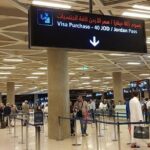
- Is a Jordan Pass included?
- What meals are included?
- Is Wadi Rum explored by Jeep?
- Can I visit churches anytime during the day?
- What should I pack for the trip?
- What if I need to cancel?
Key highlights that make this tour click
- Private vehicle + English-speaking driver: you move efficiently between far-apart sites.
- Classic Jerash time with a local guide: you get the names and stories behind the stones.
- Petra by the Siq to the Treasury: this is the main spine of the city, not a rushed drive-by.
- Wadi Rum overnight camping: you trade a day trip for real desert time.
- Madaba mosaics and Mount Nebo viewpoints: quick stops that add religious and scenic context.
- Dead Sea float with hotel downtime: you end with a body-friendly reset.
How the Amman-to-Petra route stays manageable
This is a big Jordan sampler, but it’s built to keep you from bouncing between buses, tickets, and timing gaps. You start with an airport transfer into Amman, then settle into your hotel for dinner and sleep. The next morning begins with a panoramic sweep of the city, which is smart: Amman is spread out, so you want a high-level map view before you go deeper.
On a private setup, the driver becomes your real timekeeper. You’re not stuck waiting for group slowpokes, and you can usually absorb the day’s pace better. Also, the schedule includes hotel pickup and pickup-driven touring days, which matters in Amman because parking and navigation can be annoying.
Practical tip: bring hats and sunscreen. Jordan sun can be blunt even when the temperature feels reasonable early in the day. Comfortable walking shoes are not optional when Petra and Jerash are on the list.
You can also read our reviews of more private tours in Amman
Amman’s Roman Theater, Citadel views, and everyday city life
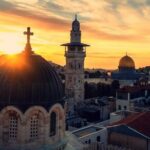
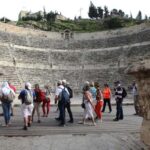
Your Amman day is designed to give you two things at once: the ancient core and the modern city feel. You pass the city center and downtown, including the Roman Theater area and the Citadel viewpoint. Then you move through traditional markets, where you get the rhythm of local life rather than just monuments on a grid.
You’ll also pass churches and mosques as part of the panorama. That’s useful, because it helps you understand how layered the city is—Roman-era stones beside living religious spaces. Just note the dress code: visits to churches are not allowed during prayer times, and modest clothing is required when you do visit.
One subtle drawback: some listed sites have entrance fees that may not be included. The schedule says tickets are free for certain stops, but the tour’s exclusions also list admission fees for mentioned sites and the Amman Citadel/Roman Theatre. If you’re relying on a Jordan Pass, verify that the pass you buy matches the sites you plan to enter.
Jerash: the Roman city that’s actually worth slowing down for
Jerash is where Jordan flexes its Roman credentials. Even without getting lost in details, you’ll feel the scale fast: wide streets, long colonnades, and big temple spaces that are still readable after almost two thousand years.
You get around two hours with a local guide, which I find is the sweet spot. Too little time and you see ruins like scenery. Enough time and you start recognizing patterns: the way the city was laid out, why the temples sit where they do, and how crowds would have moved through the street grid.
The tour focuses on the main corridor experience—temples like Zeus and Artemis, then the colonnaded street and other key spaces. That structure helps you avoid the common problem in Jerash: wandering without knowing what you’re looking at.
Footing matters here. Jerash is mostly outdoors and uneven in places. If you have mobility limits, you’ll want to talk ahead with the operator. The tour notes clients with mobility issues should contact them.
Petra day: Siq to the Treasury plus time for the harder climbs
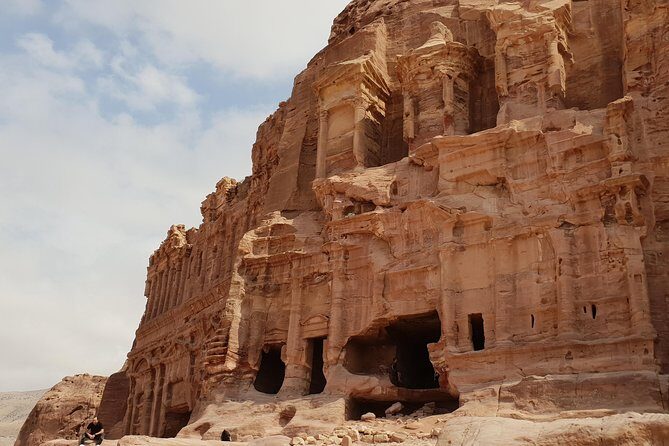
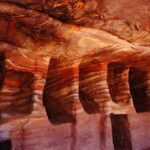
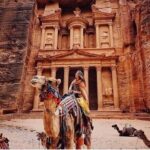
Petra is the headline, but what makes this tour feel right is how you enter. Instead of treating Petra like a parking-lot checklist, you walk the Siq, the dramatic 1-mile entrance gorge lined with looming sandstone cliffs. It funnels you into the city and builds anticipation without anyone needing to sell it.
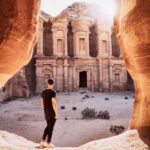
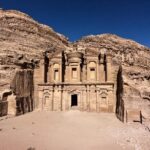
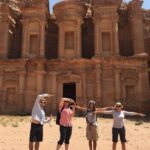
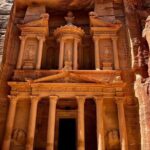
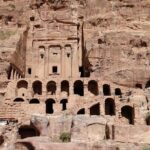
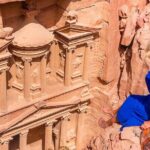
Then you hit the moment most people come for: the Treasury (El-Khazneh). You get time to pose for photos right in front of it, and you’re also guided through the broader Nabataean story—how Petra functioned, how the carving and façades worked, and what you’re seeing beyond the iconic face in the cliff.
After that, the itinerary includes Petra Church and room to explore more on your own. You also get free time to climb either the Monastery or the High Place of Sacrifice if time permits, plus an optional stop at the Petra Museum. That flexibility is valuable because Petra has two tempos: the classic route and the effort route. Pick your vibe.
Two practical notes:
- Petra involves walking plus stairs and uneven stone. Bring patience and water.
- If you plan a church visit, remember the prayer-time restriction and modest dress code.
One more logistics detail to watch: entrance fees for Petra and other sites may be separate depending on your Jordan Pass. The tour indicates a Jordan Pass is purchased directly by travelers, and entrance fees for certain classic visits are listed under not included. I’d confirm before you go so you don’t get surprised at the ticket gate.
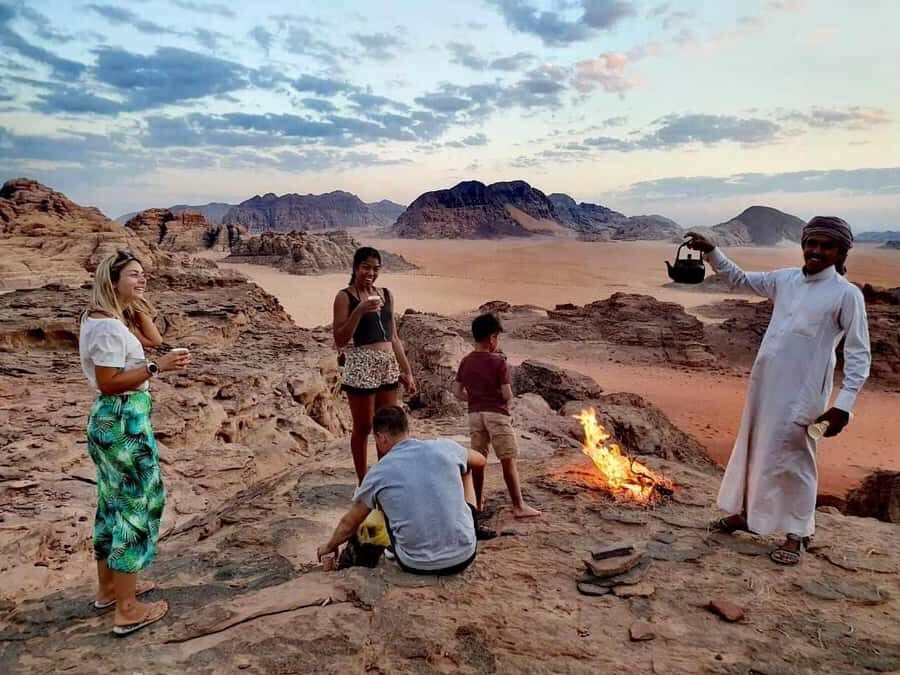
Wadi Rum camping night: 4×4 dunes and red-rock silence
Wadi Rum is a change of pace in a good way. After Petra’s stone maze, the desert feels like exhale time. You transfer from Petra to Wadi Rum for dinner and an overnight camp, which is the part people regret skipping when they choose a shorter day trip.
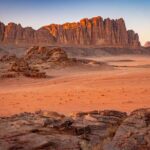
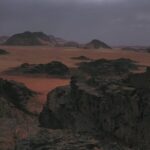
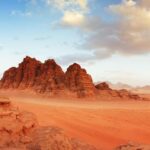
You then get a two-hour Jeep exploration in a 4×4. That’s the right amount of time to see the shape of the desert without turning it into a scramble. You’ll be in dunes and massive mountains rising through the rosy red sand—with cliffs in brownish, reddish, and golden tones. It’s also where movie fame has a connection: the Martian and Lawrence of Arabia are both referenced, plus Star Wars: The Rise of Sky Walker.
What I’d count as the real value here is the overnight. Even if you never take a single movie-related photo, the desert at night does something to your brain. It’s wide, quiet, and honest in a way cities can’t manage.
What to plan for:
- Camping means basic outdoor comfort compared with your hotel nights.
- Temperature swings can happen, so bring layers even if the day feels warm.
Also, swimsuit is required for Dead Sea swimming later, so if you can, pack that early and keep it easy to reach.
You can also read our reviews of more historical tours in Amman


Madaba and Mount Nebo: small stops with big spiritual meaning
The next morning shifts to two quick, high-impact stops: Madaba and Mount Nebo.
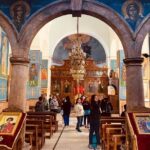
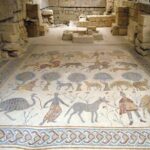
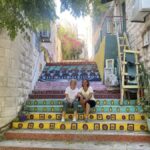
Madaba is called the City of Mosaics, and you’ll visit the Church of Saint George, which houses a map of the Holy Land made in 571 A.D. That’s the kind of detail that rewards time. Even if mosaics aren’t your personal passion, this is the map-world concept in one room—an old visual anchor for people who came long after it was made.
Then you head to Mount Nebo, known as the tomb of Moses. From the summit you get a view of the Jordan Valley. It’s a short visit, but the point is the perspective. You’re not just seeing a hill—you’re seeing the long sightlines that shaped stories and beliefs.
These stops are tight time-wise. If you’re the type who likes to wander slowly, you’ll appreciate having the private schedule doing the driving work for you, because you can then focus on the photos and the view instead of transportation hassles.
Dead Sea hotel swim: easy on the body, practical to plan
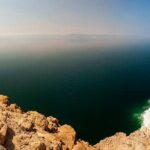
Your final major stop is the Dead Sea, described as the lowest point on earth and a natural spa. You’ll check in at your Dead Sea hotel and get free time to use facilities—beach and pool swimming—and you may use the spa on your own expense.
This is where the tour’s pacing pays off. By the time you arrive, you’ve done Petra’s stairs, Jerash’s walking, and Wadi Rum’s desert movement. The Dead Sea gives you a chance to do less, laugh more, and let your body float for a bit.
A couple of practical pointers from the program details:
- Swimsuit is required.
- If you plan spa services, expect extra cost since spa use is not listed as included.
Also, bring a plan for salt. The tour calls it a natural spa and highlights the Biblical context, but regardless of your beliefs, the Dead Sea is famously salty. You’ll want to rinse and protect your eyes and skin.
Private tour value: what your money is really buying
At $711.26 per person for a roughly 5-day stretch, this isn’t the cheapest way to do Jordan. But you’re buying four things that add real value:
- Transport in a private air-conditioned vehicle with an English-speaking driver. That saves time and stress between regions that aren’t close together.
- Guided time where it counts, especially at Jerash and on the classic Petra visit. Ruins are much more satisfying when someone connects what you see to what it meant.
- Lodging variety: a night each in Amman, Petra, Wadi Rum (camping), and the Dead Sea area. That changes the feel of the trip.
- A coherent route: you’re not reinventing your own itinerary with constant ticketing and drive planning.
What’s not included matters for budgeting. The tour explicitly lists that a Jordan Pass is not included and should be purchased directly. Entrance fees and the Wadi Rum classic 2-hour jeep tour visit are also listed under not included, even though the schedule includes those activities. So the value depends on how your Jordan Pass covers entrances and whether the Wadi Rum jeep fee is handled as part of what you purchase.
My best advice for getting full value: treat the Jordan Pass purchase as part of booking strategy, not an afterthought. If you’re paying out of pocket for entrance fees you expected to be covered, the per-person deal can feel less sweet.
Who this tour fits best
This tour makes the most sense if you want big Jordan hits without the hassle of independent driving. I’d put it high on the list for:
- First-time Jordan visitors who want Petra + Wadi Rum overnight as a package
- People who prefer a private setup with an English-speaking driver and scheduled guided time
- Travelers who like variety: cities, Roman ruins, desert camping, mosaics, viewpoints, and a Dead Sea swim
It may be less ideal if you hate early starts or you’re very sensitive to long days of walking. Petra and Jerash require stamina. Wadi Rum camping is outdoors, and Dead Sea swimming needs your swimsuit ready.
Should you book it?
If your goal is to see Petra and Wadi Rum properly, and you want your logistics handled with a private driver, I’d say this tour is a strong choice. The itinerary hits the key sites in a logical order, and the guided time at Jerash and during Petra’s classic walk is exactly where a guide helps the most.
I’d hesitate only if you’re trying to do Jordan on a tight budget without factoring the Jordan Pass and site entrance fees. For the full value, plan that piece early. If you do, you’ll get a well-paced trip where every day has a reason to exist—and you’ll end with the kind of Dead Sea float that makes the whole effort feel worth it.
FAQ
FAQ
Where does the tour start?
It starts with an airport transfer from Queen Alia Intl Airport to your selected hotel option in Amman.
How long is the tour?
The duration is listed as 5 days approximately, covering 4 nights of accommodation plus activities on multiple days.
What’s included for hotels?
You get 4 nights total, with 1 night in Amman, 1 night in Petra, 1 night in Wadi Rum (camping), and 1 night in the Dead Sea, with hotel star level options for Amman, Petra, and the Dead Sea areas.
Are airport transfers included?
Yes. Arrival and departure airport transfers are included.
Do I get a guide in Petra and Jerash?
Yes. The itinerary includes a local English-speaking guide for Petra’s classic visit and for the Jerash visit. Spanish and French guides may be subject to availability.
Is a Jordan Pass included?
No. Jordan Pass and Jordan visa entry are not included, and you’re asked to purchase the Jordan Pass directly.
What meals are included?
Breakfast and dinner are included for 4 breakfasts and 4 dinners, based on the program.
Is Wadi Rum explored by Jeep?
The schedule includes a 2-hour exploration in a 4×4 local Jeep, but entrance fees for the classic Wadi Rum jeep tour are listed as not included, so you may need to confirm what you’ll pay.
Can I visit churches anytime during the day?
No. Visits to churches are not allowed during prayer times, and there is a modest dress code.
What should I pack for the trip?
Bring hats and sunscreen, comfortable walking shoes, and a swimsuit for the Dead Sea swimming.
What if I need to cancel?
You can cancel up to 3 days in advance for a full refund, and weather-related cancellations may result in a different date or a full refund.