REVIEW · EILAT
From Eilat, Jerusalem, Tel Aviv: Petra & Wadi Rum 3-Day Tour
Book on GetYourGuide →Operated by Tourist Israel Tours · Bookable on GetYourGuide
Petra and Wadi Rum in three days is a rare combo. You’ll see Khazneh (the Treasury) with a real guide, then switch gears to Wadi Rum’s desert views by jeep safari and a night in a Bedouin camp. One thing to keep in mind: the border day can be long, with waiting and handoffs.
I like that this tour gives you guided time when you need it most, then hands you a full day to wander Petra your way. If you’re choosing between the shorter versions, the extra time in Petra matters for pacing and for working in the Monastery hike. The main drawback is that comfort can vary in Petra’s included hotel and in the “tent-style” camp setup, so read your own expectations before you go.
Overall, it’s a solid value route for first-timers: big Jordan hits, organized logistics, and just enough flexibility to make it feel personal. Expect comfortable shoes and sun protection to be non-negotiable, because you’ll walk more than you might plan for.
In This Review
- Key takeaways before you go
- Crossing into Jordan from Israel: Aqaba first, then desert
- Wadi Rum jeep safari: when the desert feels real
- Bedouin camp at night: dinner by fire, stars above
- Petra day 1: guided Khazneh and the Nabateans in context
- Petra day 2: your full free day to explore at your pace
- The Monastery hike: worth it if you can climb
- What the included logistics really mean for you
- Money and tips: Petra and Wadi Rum have a border bill
- What to pack: simple items that stop travel misery
- Who this 3-day tour fits best (and who should skip)
- Potential downsides to plan around
- Should you book this Petra and Wadi Rum 3-Day Tour?
- FAQ
- What sites does this 3-day tour include?
- Where do I meet the tour?
- How much are the border and visa fees?
- Do I need to pay for entrance fees?
- What is included for meals and accommodation?
- Is the tour guided in English?
- What should I bring?
- Is this tour suitable for people with mobility impairments?
Key takeaways before you go
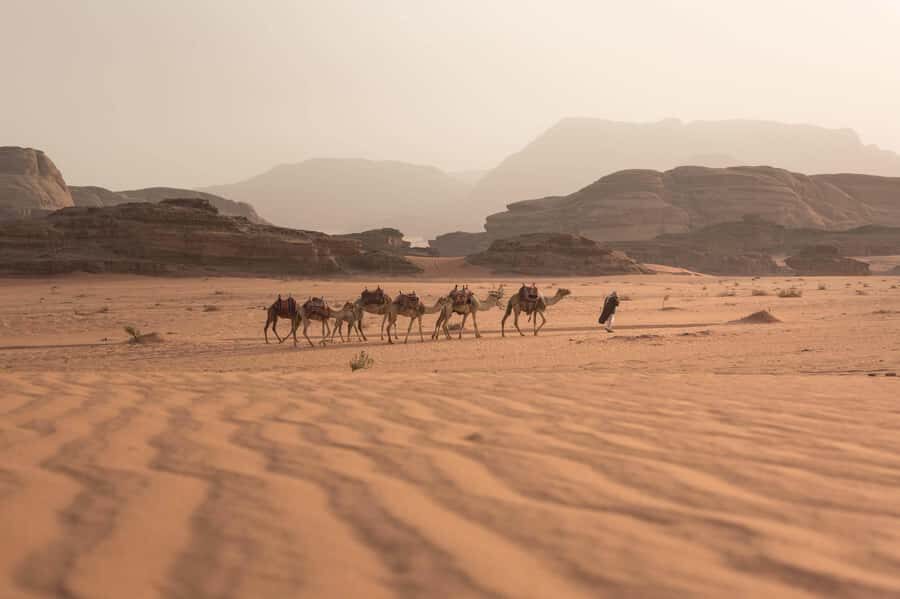
- Jeep safari with a Bedouin guide in Wadi Rum: this is the day that turns scenery into an adventure.
- One night in a Bedouin camp: dinner around the camp fire plus a sky full of stars.
- Guided Petra focus on Khazneh: you’ll get context for what you’re seeing, not just photos.
- A full free day in Petra: you can slow down, re-visit, or hike up to the Monastery.
- Border fees and visa costs to budget: cash and timing on both sides can shape your day.
- A 3-star hotel stop in Petra: it’s convenient, but standards can feel uneven.
Crossing into Jordan from Israel: Aqaba first, then desert
If you start from Jerusalem, Tel Aviv, or Eilat, your day begins with a pickup option tied to your route. After crossing into Jordan, the first major stop is the port city of Aqaba. That matters because it gives you a breather before the desert takes over.
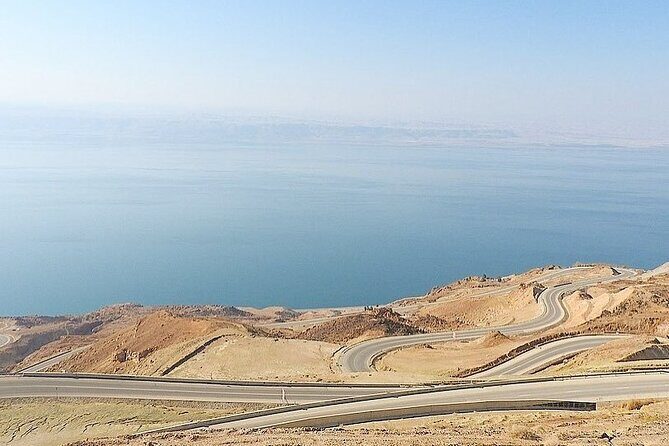
Aqaba isn’t just a checkbox. It’s a good chance to grab water, stretch out after travel, and reset your head for Petra and Wadi Rum. Depending on the group plan, you might also get added natural-time like a boat cruise and even swimming in the Gulf of Aqaba, but don’t build your entire trip around that being guaranteed.
Once that first stretch is done, you continue on to Wadi Rum. And you’ll feel the shift fast: the air changes, the roads thin out, and everything gets quieter—exactly what you want before a jeep safari.
You can also read our reviews of more tours and experiences in Eilat.
Wadi Rum jeep safari: when the desert feels real

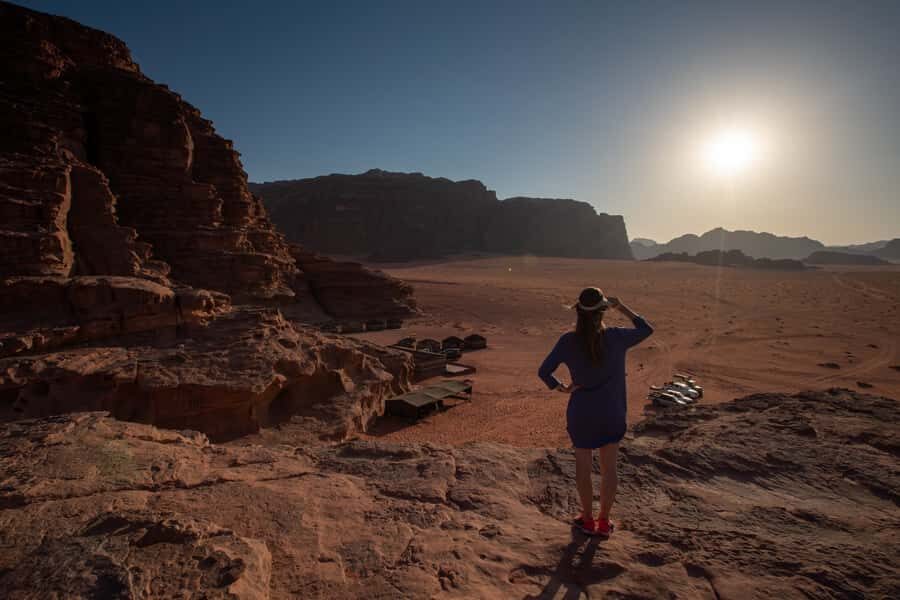
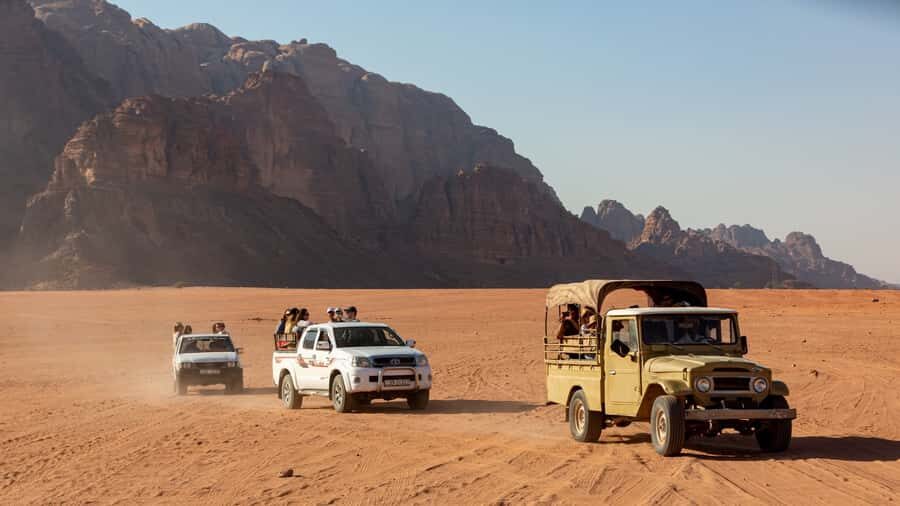
Wadi Rum is famous for a reason. The red rock formations, the wide open space, and the weirdly cinematic light at sunset make it hard to believe this is right next door to everyday life. This tour’s big win is the desert jeep safari with a Bedouin guide, which turns driving into storytelling and navigation.
You’ll go out in the afternoon as the sun starts to drop. That timing is smart because it’s cooler, and the shadows exaggerate every ridge and canyon. It’s also when photos stop looking flat and start looking dramatic.
This is also the part of the trip where your guide really helps. In some groups, a guide named Nizar has been called out for detailed explanations paired with good humor, which makes the trip feel like more than a scenic ride. Even if your guide’s style is different, ask questions. Good Wadi Rum guides can connect rock shapes, routes, and Bedouin life in ways that make the desert easier to read.
Bedouin camp at night: dinner by fire, stars above
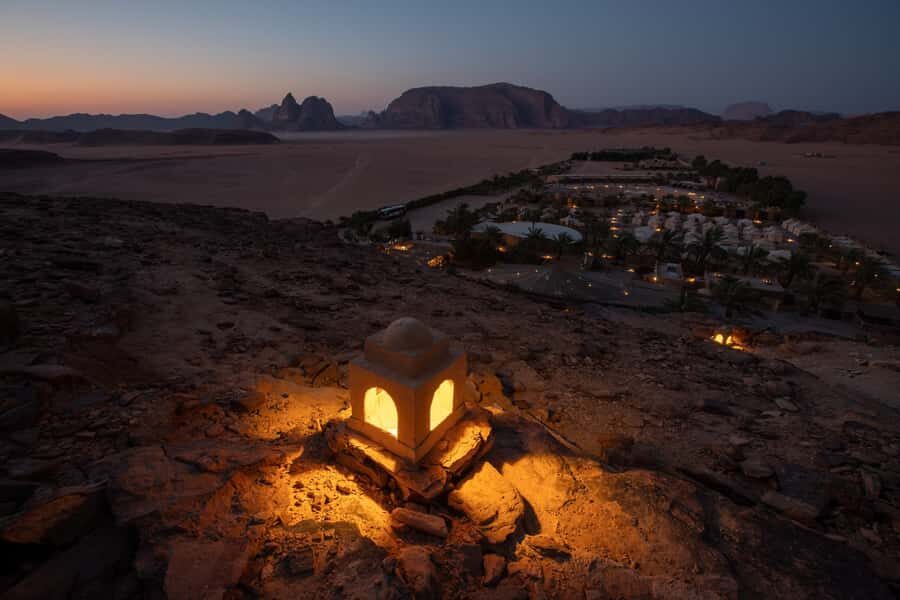
After the safari, you sleep in a Bedouin camp in Wadi Rum. This is the “Jordan in real life” segment: you’re not staying in a city hotel, and you’re not rushing to the next checklist item. You’ll settle in, take in the darkening desert, and then enjoy dinner around the camp fire.
Here’s the practical note from past experiences: some “camp” stays are more comfortable than you’d imagine. People sometimes expect bare-bones tents and instead find tent-covered rooms. That can be a plus if you want safety and comfort, but it can also be a disappointment if you specifically came for rougher desert camping.
Either way, the night sky is usually the payoff. You’ll be far from city lights, and the stars can look close enough to touch. Bring something warm if you’re sensitive to temperature swings, because desert nights cool down quickly.
Petra day 1: guided Khazneh and the Nabateans in context
Petra is the main event, and Day 2 is structured to help you land the essentials. You’ll travel from Wadi Rum to Petra in the morning, then start with a fully guided visit. The goal is to help you understand what you’re looking at before you go off on your own.
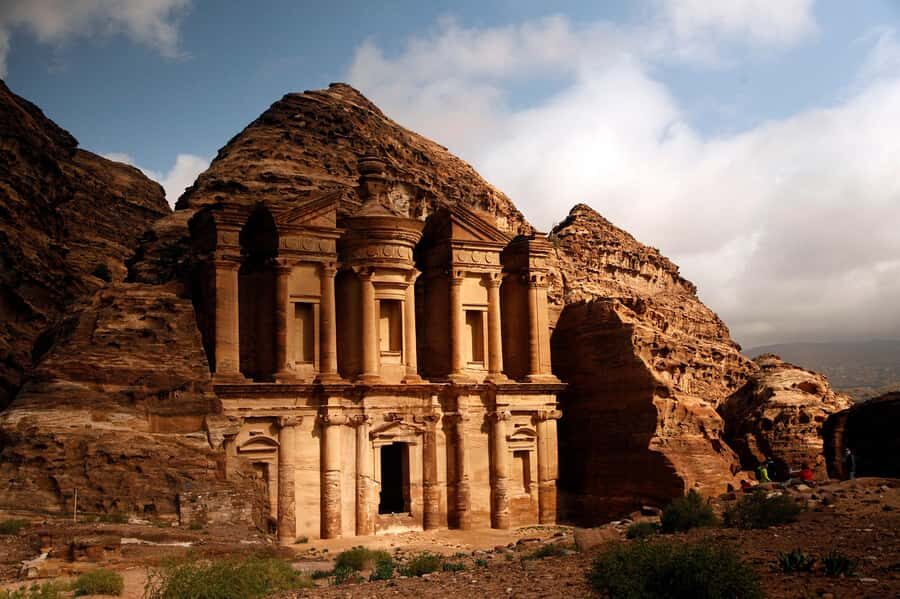
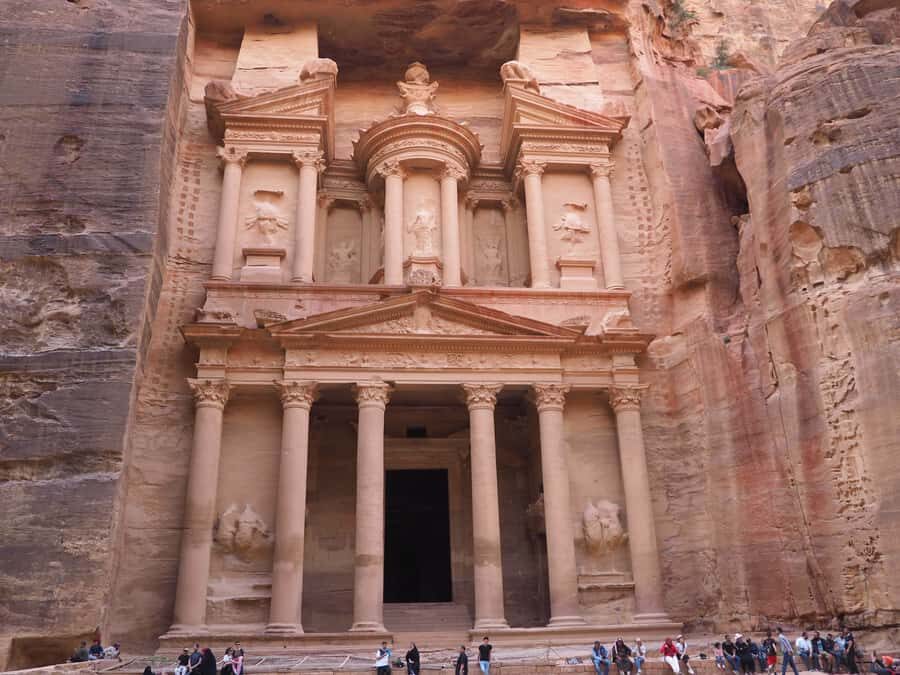
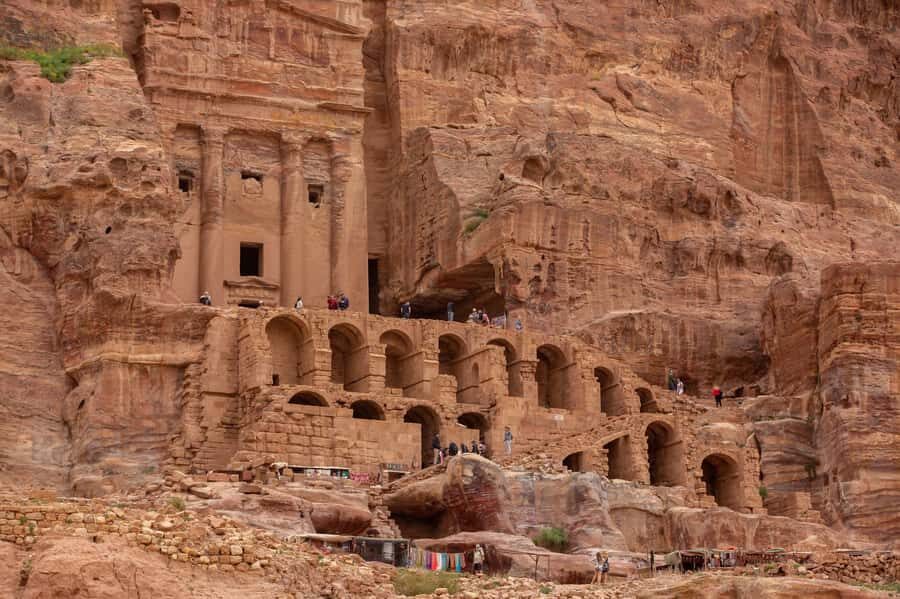
You’ll see major highlights including Khazneh, often called the Treasury. What’s useful about a guided start is that you’re not just admiring a famous façade. You’re learning how the Nabateans built and used this place—where the water, trade routes, and architecture fit together.
This first day also tends to set your mental map. Petra is big, and it can feel confusing if you show up cold. A guided “greatest hits” approach gives you anchors: where the main sights are, how paths connect, and what to prioritize once you get your free time.
Then you sleep in a hotel in Petra. That’s a big deal for comfort because you’ll want rest after walking. Just note that the included hotel standards can vary. Some people have found it fine; others have felt it didn’t match expectations, so keep yours realistic.
Petra day 2: your full free day to explore at your pace
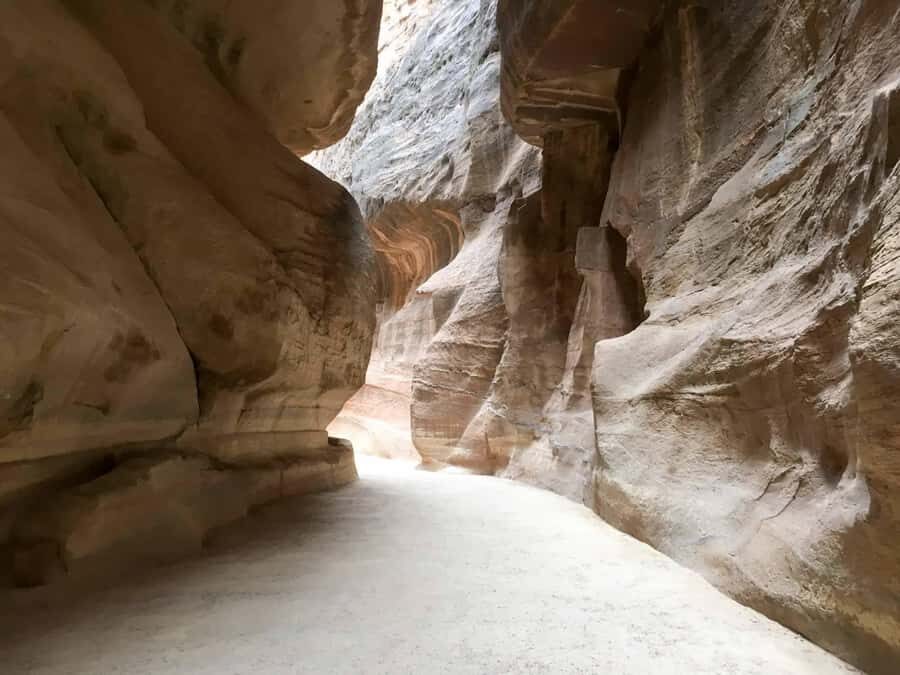
This tour gives you a full day in Petra on your own. That’s one of the best parts. A guided tour can show you what’s important, but a free day lets you decide what’s worth repeating and what you skip.
Use this day to pace yourself. Start early if you can, and don’t treat every archway and doorway like it needs a full stop. Petra rewards a slower rhythm—especially when the light changes and you’re walking through sections that feel quieter than the most photographed spots.
You can also revisit what you saw the day before. That’s not a waste of time in Petra. It’s how the site starts to click: the second time you see Khazneh, you’ll notice different details, and you’ll better understand how the complex is laid out.

The Monastery hike: worth it if you can climb
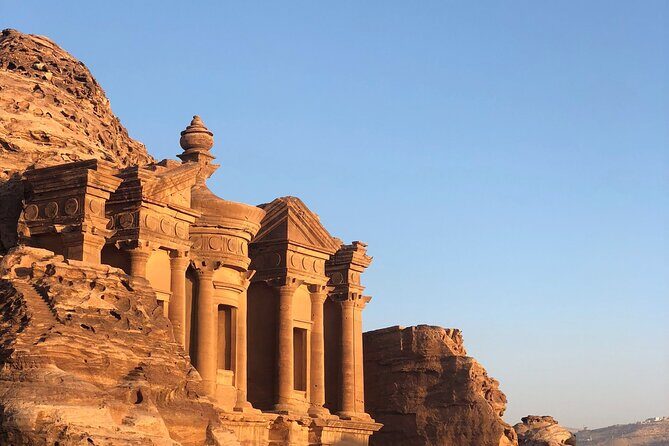
On the third day’s free exploration, the Monastery is a clear target. It’s also a test of stamina: you’ll climb and you’ll walk. If you’re the type who likes viewpoints and wants a less interrupted experience, the Monastery route can feel like a reward after your first Petra morning.
Some people also prefer spending less time in the very top-of-list areas and more time in quieter zones. The Monastery hike works well for that mindset because it shifts the day from “see the main thing” to “earn a viewpoint.”
If you’re planning this, make sure your shoes are genuinely comfortable for uneven stone. And bring sun protection like a hat and sunscreen—you’ll thank yourself when Petra’s open sections reflect heat back at you.
What the included logistics really mean for you
This tour includes pickup and drop-off from your meeting point, transportation to all major sites, entrance fees, and bottled water. That’s not glamorous, but it’s what makes the trip workable, especially when you’re crossing borders.
It also means you don’t have to solve the hardest part—getting from Israel into Jordan smoothly—on your own. Past travelers have noted that helpers on the Israeli side can speed up the handoffs, and once you reach the border area, you may get support walking across to meet your Jordan guide. That can matter a lot if you’re carrying a phone with limited signal or you don’t want to negotiate the process alone.
One more “real life” detail: small delays can happen at the border or during the day. It’s not something you can control, so plan your energy around it. If you arrive stressed, you’ll feel every minute more.
Money and tips: Petra and Wadi Rum have a border bill
The price is $399 per person for a three-day package. Value is best when you count what you’re avoiding: independent transport, multiple entrance fees, and the hassle of border logistics. You’re also paying for a lot of time-savings and guide time at the exact places you need it most.
But budget carefully for the extra costs that aren’t included:
- Border crossing fee: US$70 (230 NIS), paid on the Israeli side in cash or by credit card.
- Visa fee: US$60, paid on the Jordanian side in cash (USD or JOD).
- Tips: a suggested $5 per person per day for the driver and guide.
There’s one line you should take seriously: you’re told no visa fee is required for stays of 2 nights or longer. Since your trip includes two overnights, you should check your paperwork and confirm what applies to your exact entry process on the day. Don’t assume the fee will disappear automatically.
Then bring cash for the visa and tips. Credit cards don’t replace everything here; the tour info clearly points to cash for some parts.
What to pack: simple items that stop travel misery
You don’t need special gear for Petra and Wadi Rum, but you do need the right basics. Pack your passport and plan for cash. For daytime comfort, bring:
- Comfortable shoes for walking on stone
- Sun hat, sunglasses, and sunscreen
- Comfortable clothes and modest clothing (no revealing midriff, no short skirts)
- Swimwear, since Aqaba time may include swimming
- A scarf if you prefer extra sun coverage or modesty
One more small but important point: be ready at your hotel about 15 minutes before pickup. That helps avoid missed departures and the stress that comes with rushed mornings.
Who this 3-day tour fits best (and who should skip)
This experience fits best if you want a guided entry into Petra and a real “desert day” that you couldn’t easily manage on your own. It’s also a good match if you like a mix of structure and freedom—guided highlights plus a full free day.
It’s not suitable for people with mobility impairments. Petra’s walking demands and the terrain around viewpoints are not friendly for limited mobility, and the tour doesn’t claim accessible alternatives.
If you’re the kind of traveler who hates border uncertainty, this tour may still work because helpers and guides can make the process smoother—but understand that border time can be slow.
Potential downsides to plan around
No tour is perfect, and this one has a few patterns you should consider:
- Border crossings can take several hours. Even with help, there are handoffs and waiting.
- Petra’s included hotel and camp setup can feel uneven compared with your expectations, especially if you expect very basic camping.
- Some parts of the day can feel rushed due to timing. It’s not a slow, purely leisurely tour.
- In Aqaba, time can feel shorter than you want. You might get limited freedom there depending on the day’s plan.
The way to reduce these issues is simple: keep your expectations flexible, prioritize your footwear and sun protection, and treat the tour as a guided framework with room for your own choices.
Should you book this Petra and Wadi Rum 3-Day Tour?
Book it if you want the classic Jordan highlights in a tight schedule, and you like the idea of guided Petra starters plus a true free day to explore. The biggest reason I’d recommend it is the structure: Wadi Rum jeep safari + Bedouin night + Petra with both guidance and freedom.
Don’t book it if you need rock-solid hotel comfort standards, hate border-day delays, or have mobility limitations. Also, if you’re very price-sensitive, do the math including the US$70 border fee, US$60 visa cash budget (or confirm if waived), and suggested $5/day tips.
If you’re ready for a mix of comfort and adventure—and you want Petra without planning every detail yourself—this is a practical way to see Jordan’s headline sights.
FAQ
What sites does this 3-day tour include?
It covers Wadi Rum (including a jeep tour and an overnight Bedouin camp stay) and Petra (a guided visit and then a full day in Petra for independent exploration).
Where do I meet the tour?
The meeting point can vary by option. Pickup is listed as being from Bakery Coffee Market and Arava Border Crossing Station, depending on your booking.
How much are the border and visa fees?
The border crossing fee is US$70 (230 NIS). The visa fee is US$60. The tour info says the border fee is paid on the Israeli side (cash or credit card) and the visa fee is paid on the Jordanian side (cash in USD or JOD). It also notes no visa fee may be required for stays of 2 nights or longer, so confirm with your entry situation.
Do I need to pay for entrance fees?
Entrance fees are included in the tour.
What is included for meals and accommodation?
You get an overnight stay at a Bedouin camp in Wadi Rum (with dinner around the camp fire) and breakfast. You also get overnight accommodation at a 3-star hotel in Petra.
Is the tour guided in English?
Yes, the live tour guide is listed as English.
What should I bring?
Bring your passport, comfortable walking shoes, a sun hat, sunscreen, sunglasses, modest clothing, and cash (plus swimwear is suggested).
Is this tour suitable for people with mobility impairments?
No, it is listed as not suitable for people with mobility impairments.