REVIEW · AMMAN
Explore Jordan Tour 6 day tour 5 nights
Book on Viator →Operated by Jordan Horizons Tours - private & custom Jordan Tours & Trips · Bookable on Viator
Jordan hits you fast. This private 5-night circuit links Petra, Wadi Rum, and the Dead Sea with the kind of logistics help that keeps your trip feeling smooth. I especially like how the plan takes care of the hard parts—airport welcome, A/C transfers, entrance fees, and a proper Petra guide—so you can spend your energy on the sights, not schedules. One more plus: the Wadi Rum day is built around a real desert rhythm with sunset/camp time and an English-speaking Bedouin-led 4×4.
There is one catch to plan for: hotel quality can be “fine” rather than fancy, and breakfast is not always a standout. Also remember tips aren’t included, and a couple of optional rides involve extra cash on the spot.
Key highlights worth your attention
- Petra with a 3-hour English-speaking guide focused on the Siq, Treasury, and the right pace
- Wadi Rum camp night with sunset, stargazing time, Bedouin tea, and an included 4×4 jeep safari
- Jerash + Ajloun pairing: Roman scale in Jerash, then 12th-century Crusader-era sights in Ajloun
- King’s Highway route moments: Wadi al-Mujib viewpoint and Karak Castle breaks up the driving
- Built-in meals and drinks: breakfast daily, some lunches, Bedouin tea, and mineral water on board
In This Review
- Meeting in Amman: visa help, A/C transfers, and your first real day
- Jerash and Ajloun: Roman Theatre scale, then Crusader-era views
- Madaba mosaics and Mount Nebo: the day you see why names matter
- Petra with the right structure: 3 hours guided, then you roam
- Wadi Rum camp night: sunset, Bedouin tea, and a 4×4 jeep safari
- Dead Sea floating and an easy finish back in Amman
- Price and value: what $1,123.08 covers, and what to plan for
- Who this private Jordan plan is best for (and who should rethink it)
- Book it or skip it: my practical recommendation
- FAQ
- What is included in the Explore Jordan 6-day / 5-night tour?
- Is this tour private or shared?
- Do I need a guide for Petra and Wadi Rum?
- Are entrance fees covered?
- Is horse riding in Petra included?
- Is camel riding included in Wadi Rum?
- What meals are included?
- What should I know about cancellations?
- How much physical fitness is needed?
Meeting in Amman: visa help, A/C transfers, and your first real day
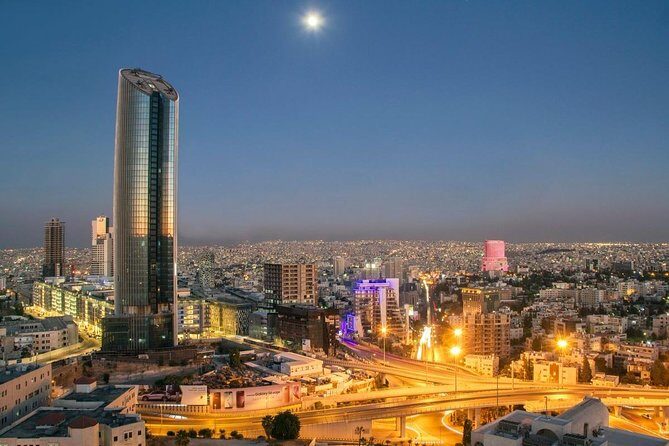
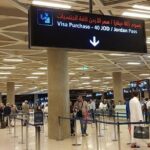
Your trip starts in Amman, usually in the evening, when you land at Queen Alia International Airport. You’ll be met by a representative who helps with visa formalities if you qualify for the Jordanian Visa Waiver. Then a driver takes you by vehicle with A/C to your hotel.
I like this approach because it prevents the usual “What do we do now?” scramble at the airport. Jordan is easy to navigate once you’re moving, but the first evening matters. Getting settled quickly lets you start enjoying the city rather than managing logistics.
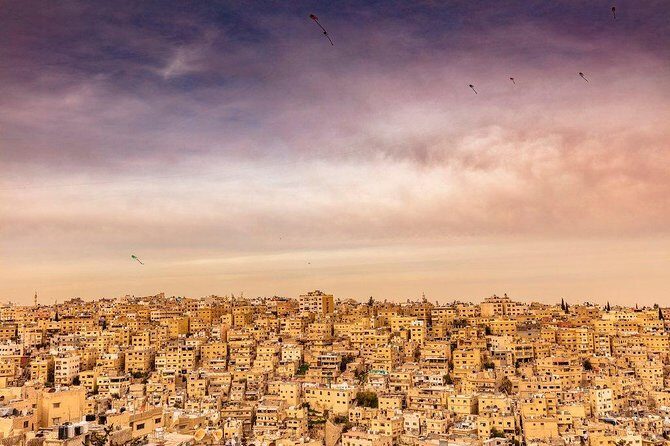
Amman itself is a split personality. You’ll spend time in the downtown historic core with a guided-style walk through big anchors like the Citadel and the Archaeological Museum. The Citadel ties together Roman-to-early Islamic remains, so it’s a quick way to understand how layers pile up here. Then the museum brings you into a more specific story, including an excellent collection such as the Dead Sea Scrolls.
You finish the Amman portion with classic streets-and-stones scenes: a Souq stroll to get the daily-life feel, plus the Roman Theatre from the 2nd century (with room for about 6,000). It’s not the kind of stop where you have to “perform” knowledge. You just stand there and absorb the scale.
One practical note: Amman days can involve more walking than you expect because the sightseeing clusters in downtown. If you’re traveling with someone who gets tired easily, wear supportive shoes and take micro-breaks in the shade.
Jerash and Ajloun: Roman Theatre scale, then Crusader-era views
Day 2 is where Jordan starts to feel huge—in a good way. You drive roughly north to Jerash, often called Pompeii of the East, and yes, it really does feel like Roman architecture got frozen mid-sentence.
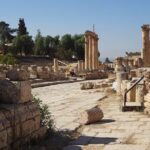
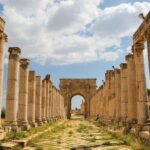
Jerash is built for big-picture sightseeing. You’ll pass major set pieces like Hadrian’s Arch (erected in 130 AD for Emperor Hadrian), then move through the Hippodrome (designed for around 15,000 spectators). The Forum and Temple of Artemis sit right in the middle of it all. A detail worth remembering: Artemis’s columns were about 12 meters high, and each drum is described as weighing 20–40 tons. You don’t need the math, but knowing it helps you understand why the ruins feel so weighty.
You’ll also see the Colonnaded Street and the Nymphaeum, which gives you a sense of how public spaces worked—procession, crowds, and water features—before the collapse and centuries of change.
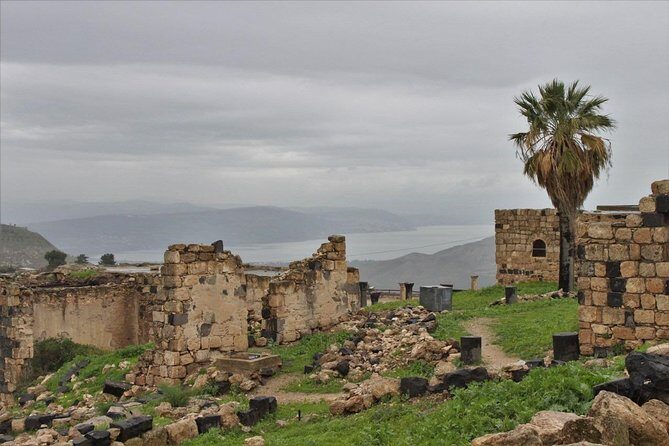
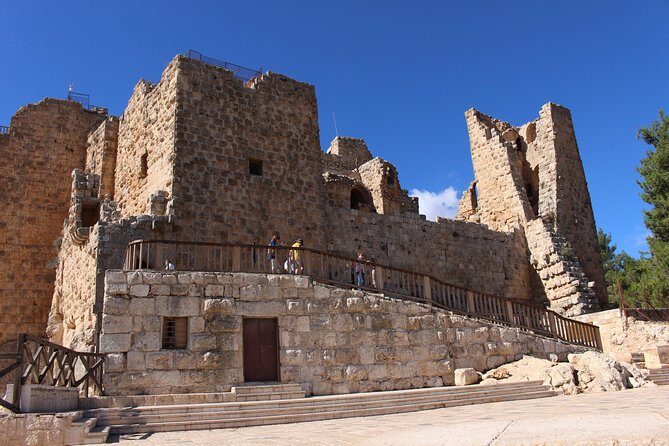
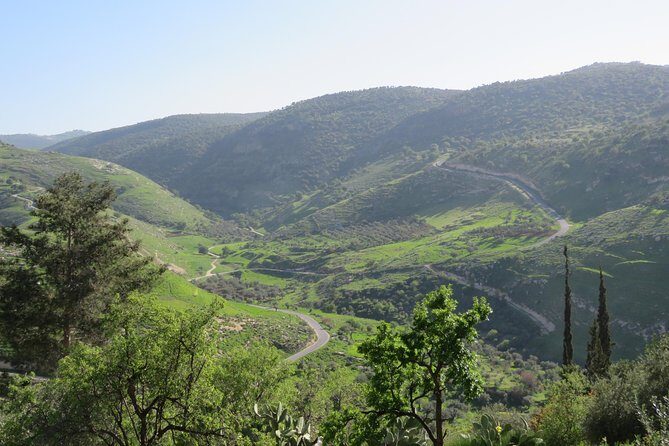
Then you shift gears to Ajloun. It’s a much more relaxed change of scenery: pine forest and olive groves on the drive, then the castle complex at Ajloun. Al-Rabid Castle, a 12th-century Crusader-era fortress built by one of Saladin’s lieutenants, brings a different kind of Jordan story. It’s not about mosaics or long-gone empires; it’s about defense, vantage points, and the way people controlled movement.
The main drawback here is timing. It’s a full day with several distinct stops. If you’re sensitive to long drives, you’ll want to snack and hydrate early, because the day is designed to keep momentum.
A few more Amman tours and experiences worth a look
Madaba mosaics and Mount Nebo: the day you see why names matter
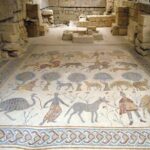
Day 3 starts with Madaba, famous for Byzantine and Umayyad mosaics. The star is the 6th-century Mosaic Map of Jerusalem and the Holy Land. It’s made from about two million pieces of vividly colored local stone. That’s not trivia for trivia’s sake—the map becomes a visual way to understand how the region was imagined and navigated long ago.
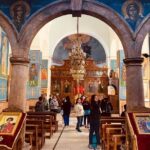
Madaba’s mosaic is laid into the floor of the Greek Orthodox Church of St. George. The church itself dates to 1896, built over earlier 6th-century Byzantine layers. The mosaic panel was originally massive—roughly 15.6 by 6 meters—and only about one quarter survives. Standing there, you can feel how fragile and enduring the art is at the same time.
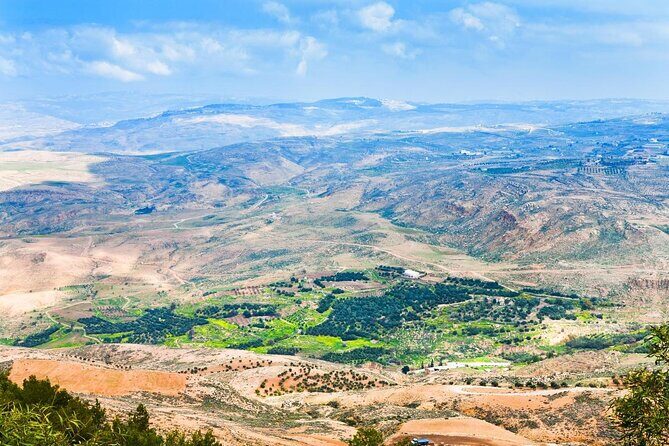
From there you head to Mount Nebo, where Moses is said to have stood and looked out to the Promised Land. It’s a spiritual stop, but it’s also a practical one because it helps you read the land. Even if you don’t connect the site religiously, the viewpoint gives context for why people return to certain horizons.
You then get a scenic break on the King’s Highway route with a viewpoint stop at Wadi al-Mujib. This is a short stop (about 15 minutes), but it breaks up the driving with a dramatic sense of terrain.
Finally, you reach Karak for a castle visit. Karak Castle is a famous Crusader structure built by King Baldwin I in the early 12th century. If you’ve been looking at ruins all day, Karak helps you switch from “tourist archaeology” mode to “fortress geography” mode.
By the time you roll toward Petra, you’ll feel like you’ve been building a Jordan puzzle—layered history, then layered terrain.
Petra with the right structure: 3 hours guided, then you roam
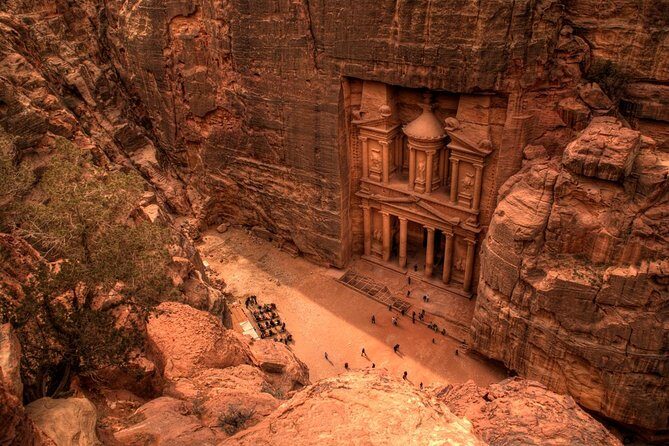
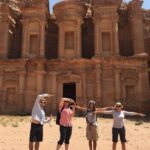
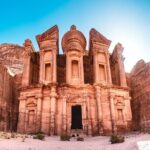
Petra is the reason many people come. This tour approaches Petra in a smart way: you start with an English-speaking guide for about 3 hours, covering the key route.
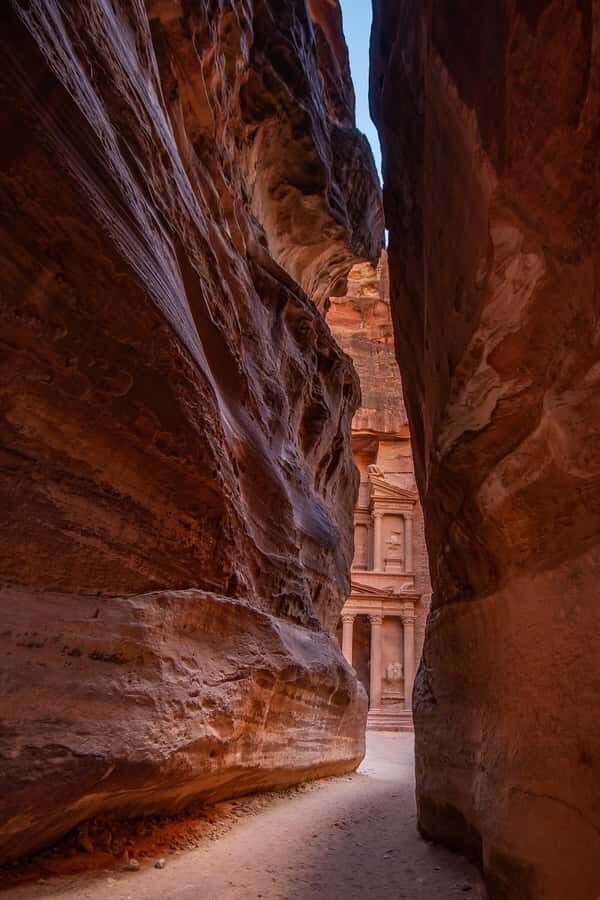
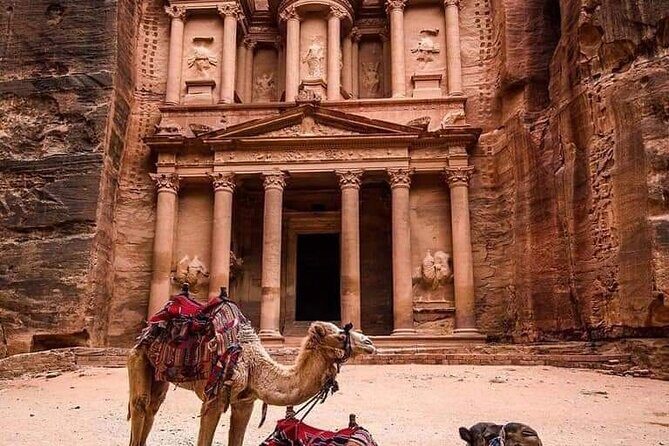
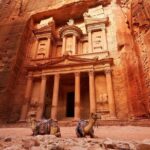
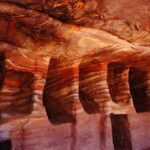
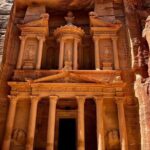
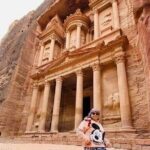
You meet at the Visitor’s Centre and then move through the Siq, the narrow gorge that funnels you into those first close views of the sandstone. Then it’s on to the Treasury, one of Petra’s most iconic facades. After that, you’ll walk through the Street of Facades toward highlights such as the Royal Tombs, the Theatre, and Qasr Al Bint.
What I like here is the pacing. A guide keeps you pointed at the meaningful bits without rushing you. Then you get free time to continue at your own pace and take in the parts that click for you.
There’s also an included horse option: a 700-meter ride from the main gate area. It’s not mandatory, and the horse handler expects a tip. If you’d rather walk, do it. If someone in your group has mobility issues, it can be a useful trade-off—but plan to budget for the tip if you use it.
Petra is a lot of walking in warm weather. So do this: start early where possible, carry water, and treat shade like treasure. The best photos often happen when you’re not sprinting to “beat the crowd,” but when you’re willing to pause.
Wadi Rum camp night: sunset, Bedouin tea, and a 4×4 jeep safari
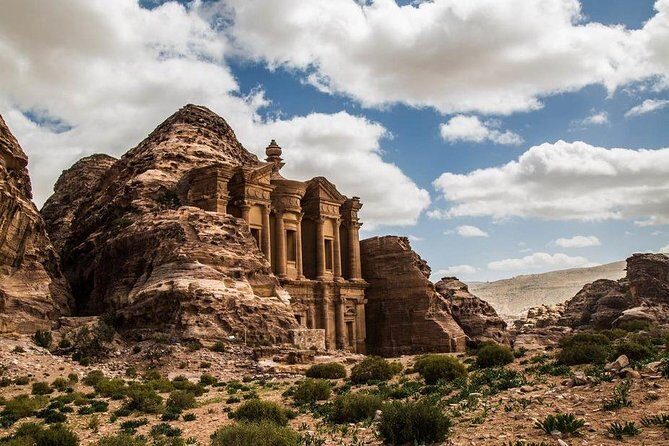
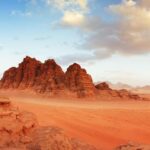
Wadi Rum is where Jordan stops being “sites” and starts being a feeling.
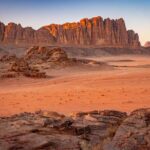
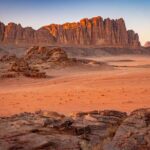
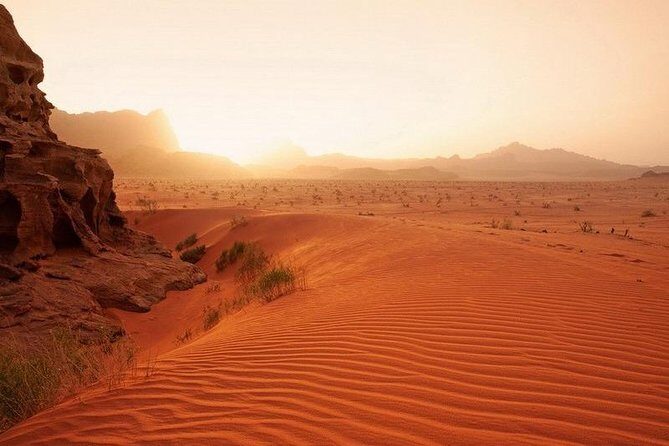
After arriving in the late afternoon, you transfer about an hour and a half to the Wadi Rum area. Then comes the camp experience: you watch sunset and spend time under a desert sky while enjoying Bedouin hospitality. The tour includes Bedouin tea and mineral water as part of the experience.
Then you sleep at the foot of the mountains rising out of the desert. The next morning begins with breakfast and sunrise at the camp—exactly the kind of timing that’s hard to DIY unless you’re already organized.
Now the big event: the included 4×4 jeep tour, about 4–5 hours, led by an English-speaking Bedouin. You’ll go across sand dunes and rock bridges and hit named stops such as the Nabatean Temple, Lawrence Spring, Khazali Canyon, and several bridges/arches associated with Lawrence of Arabia (including Lawrence House and Burdah Rock Bridge/Burdah Arch). You’ll also visit Um Frouth Rock Bridge and other nearby highlights.
If you want optional extras, you can add a camel ride on the way back—about 1 hour—at an additional cost (10 JD / 15 USD per hour per camel). This is one of those choices where you decide what kind of memory you want. A camel ride can be fun and photogenic, but the jeep safari is already the core of the day.
My honest advice: pack a light layer for the morning and keep your phone ready. Wadi Rum can change fast from cool to warm, and the light quality becomes part of the show.
Dead Sea floating and an easy finish back in Amman
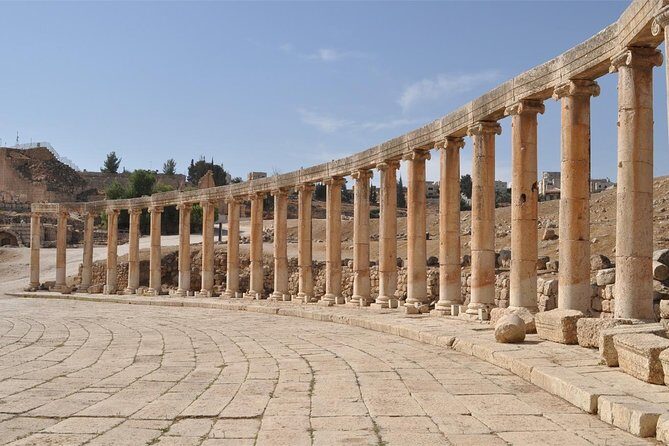
After Wadi Rum, you travel about 3.5 hours to the Dead Sea region, check into your hotel, and shift into low-effort mode.
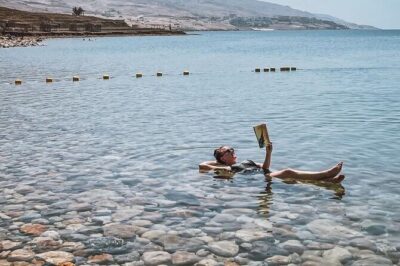
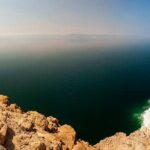
The Dead Sea itself is simple: you float in extremely salty water and use the hotel facilities while your body resets after days of stairs, stones, and sand. You’ll have free time on the afternoon/evening depending on your arrival. This is a real benefit of the tour’s pacing. Not every Jordan plan gives you a decompression day, but this one does.
The next day includes more free time. You can keep it slow, splash around, and enjoy the hotel setup before returning to Amman or the airport.
If you’ve done a lot of walking lately, this is also where you’ll appreciate the design of the itinerary. You get to end with a “recovery activity,” not one more museum.
Price and value: what $1,123.08 covers, and what to plan for
At $1,123.08 per person for a 6-day / 5-night private tour, you’re not just paying for sightseeing. You’re paying for the machinery that makes the route work: A/C vehicle transfers, entrance fees at the main stops, and the guiding time where it matters.
Here’s what’s clearly included:
- Door-to-door transfers by new vehicles with A/C and English-speaking driver/assistant support
- Entrance fees for Madaba, Mount Nebo, Karak, Amman sites, Jerash, Ajloun, Petra, and Wadi Rum
- Petra: an English-speaking guide for about 3 hours, plus an included 700-meter horse ride option (not mandatory)
- Wadi Rum: an included 4–5 hour 4×4 jeep safari with an included box-lunch through/during the tour, plus Bedouin tea and mineral water
- Accommodation for 2 nights in Amman, 1 night in Petra, 1 night in Wadi Rum (with dinner and breakfast), and 1 night at the Dead Sea (with breakfast)
- Meals: breakfast is included every day shown (5 breakfasts), plus two lunches, and dinner is included (the tour specifies dinner, tied to Wadi Rum’s night)
What isn’t included is the part that often surprises people:
- Tips for guides and driver
- Travel insurance and personal expenses
- Any dinners or lunches not listed as included
So the value question isn’t just the price. It’s how much of the day-to-day hassle this plan removes. If you tried to stitch this route together on your own—driving, arranging guides for Petra, booking a Wadi Rum safari, paying entrance fees—the time and coordination would add up fast.
One more small reality check: some guests note the hotels were not always “luxury.” That doesn’t mean the trip falls apart, but it does mean you should set expectations accordingly. You’re buying the route and the experiences more than a spa-grade stay.
Who this private Jordan plan is best for (and who should rethink it)
This works best if you want:
- A structured route from Amman to Petra to Wadi Rum to the Dead Sea without car rental stress
- A private format for your group, with pickup and A/C transfers
- Guided Petra time and a Bedouin-led 4×4 day in Wadi Rum
- A pace that mixes intense days with at least one genuine recovery block at the Dead Sea
It may be less ideal if:
- You demand consistently “top shelf” hotels and highly varied breakfasts
- Your group hates road time. There are several drives, including a 3.5-hour transfer to the Dead Sea
On the plus side, the private structure helps families and mixed-age groups. I’ve seen this kind of plan praised for smooth organization, friendliness, and staying on time—especially when the guide is calm and practical.
Book it or skip it: my practical recommendation
I’d book this if you want a classic Jordan lineup—Petra, Wadi Rum, Dead Sea, Jerash, and the mosaic sites—and you’d rather spend your energy on sights than planning. The included entrance fees, the Petra guide, and the Wadi Rum 4×4 with camp time are the core wins here.
I would think twice if hotel comfort is your top priority. Set your expectations so you’re not disappointed by “basic to good” rather than “wow” for every night.
If you go, do a small prep checklist: pack good walking shoes, bring sunscreen, plan for tips, and keep one day’s worth of flexibility in your head for weather or timing changes.
Overall: for first-time Jordan visitors, this is a strong, low-stress way to get the highlights in a tight schedule.
FAQ
What is included in the Explore Jordan 6-day / 5-night tour?
It includes airport meet-and-assist with visa help for those who qualify for the Jordanian Visa Waiver, door-to-door A/C transfers with an English-speaking driver/assistant, entrance fees for major sites (Madaba, Mount Nebo, Karak, Amman sites, Jerash, Ajloun, Petra, and Wadi Rum), a Petra guide for about 3 hours, the Wadi Rum 4×4 jeep tour with a box-lunch, mineral water and Bedouin tea, and accommodation for 2 nights in Amman, 1 in Petra, 1 in Wadi Rum (with dinner and breakfast), and 1 at the Dead Sea (with breakfast). Breakfast is included daily (as listed) plus two lunches, and dinner is included.
Is this tour private or shared?
It’s private. Only your group participates.
Do I need a guide for Petra and Wadi Rum?
Petra includes an English-speaking guide for about 3 hours. Wadi Rum includes an English-speaking Bedouin-led 4×4 jeep tour.
Are entrance fees covered?
Yes—entrance fees are included for the main stops listed in the tour.
Is horse riding in Petra included?
A 700-meter horse ride in Petra from the main gate is included, and it’s not mandatory. The horse handler expects a tip if you use it.
Is camel riding included in Wadi Rum?
Camel riding is optional. It’s not included, and the cost listed is 10 JD / 15 USD per hour per camel.
What meals are included?
Breakfast is included (5 breakfasts as listed), plus two lunches (2). Dinner is included (the tour specifies dinner with the Wadi Rum night).
What should I know about cancellations?
You can cancel up to 6 days in advance for a full refund. If you cancel 2–6 full days before, it’s a 50% refund. Less than 2 full days before the start time isn’t refunded. If the experience is canceled due to poor weather, you’ll be offered a different date or a full refund.
How much physical fitness is needed?
The tour states you should have a moderate physical fitness level.