REVIEW · UMM QAIS
Explore Northern Jordan:Amman to Jerash, Ajloun,and Umm Qais
Book on GetYourGuide →Operated by Mais tours · Bookable on GetYourGuide
Fast views, then Roman streets. Northern Jordan can feel like a highlight reel, and this Amman-to-Jerash-Ajloun-Umm Qais route keeps it moving without rushing the story. I love the way Jerash gives you a rare, walkable sense of Roman city life, and I also like how your English-speaking driver (Khalil gets special credit from past guests) keeps the pace practical while still letting you explore at your own speed.
I also really enjoy the lookouts—Ajloun Castle and Umm Qais offer wide, famous views over the Jordan region. One drawback to plan for: entrance tickets and lunch are not included, so the day can cost a bit more once you add those essentials.
If you want a packed but well-balanced history-and-views day, this is a strong fit.
In This Review
- Key things I’d watch for on this Northern Jordan day
- How a 10-hour Northern Jordan day works from Amman
- Jerash Roman ruins: Oval Plaza and Temple of Art in one walking day
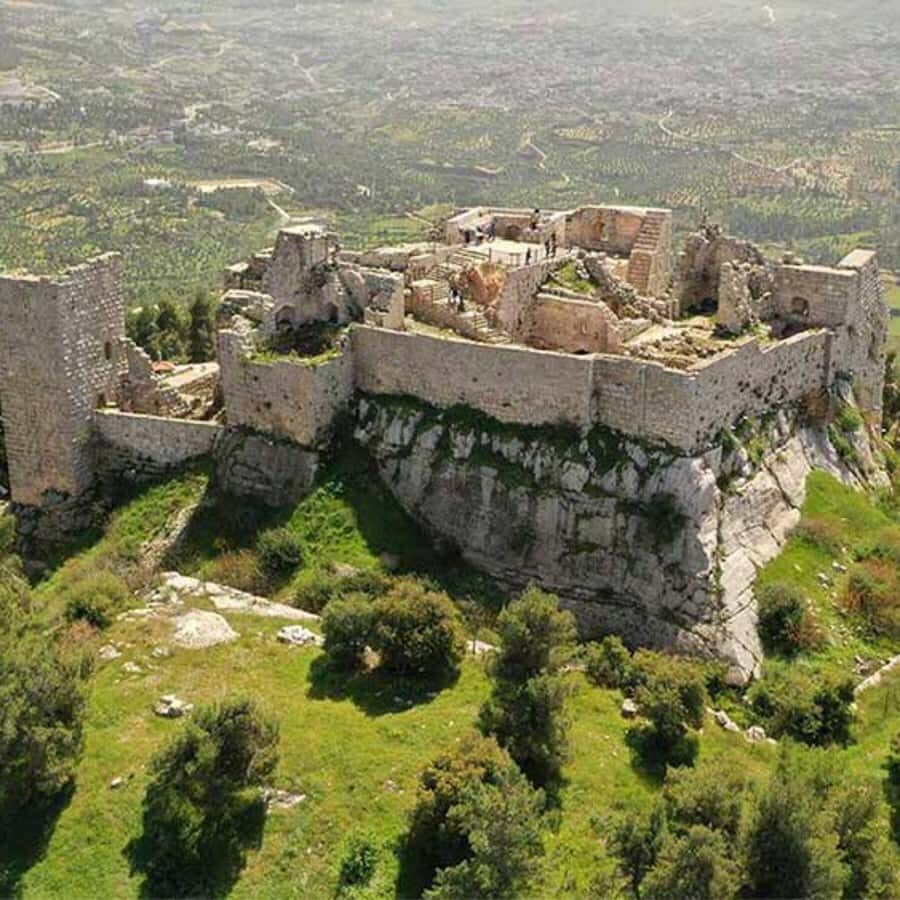
- Ajloun Castle: a 12th-century fortress with Jordan Valley panoramas
- Umm Qais (Gadara): amphitheater ruins plus Sea of Galilee views
- Your driver, the small group, and how Khalil-style flexibility helps
- Price and value at $102: what’s included and what you must budget
- Who this Northern Jordan route is best for
- Should you book this Amman to Jerash, Ajloun, and Umm Qais tour?
- FAQ
- Is pickup included for this Northern Jordan tour from Amman?
- What is the duration of the tour?
- What’s included in the price?
- Are entrance tickets and lunch included?
- How large is the group?
- Is this tour wheelchair accessible?
Key things I’d watch for on this Northern Jordan day
- Small group (up to 7 people) means less crowding when you stop for photos and walk the ruins.
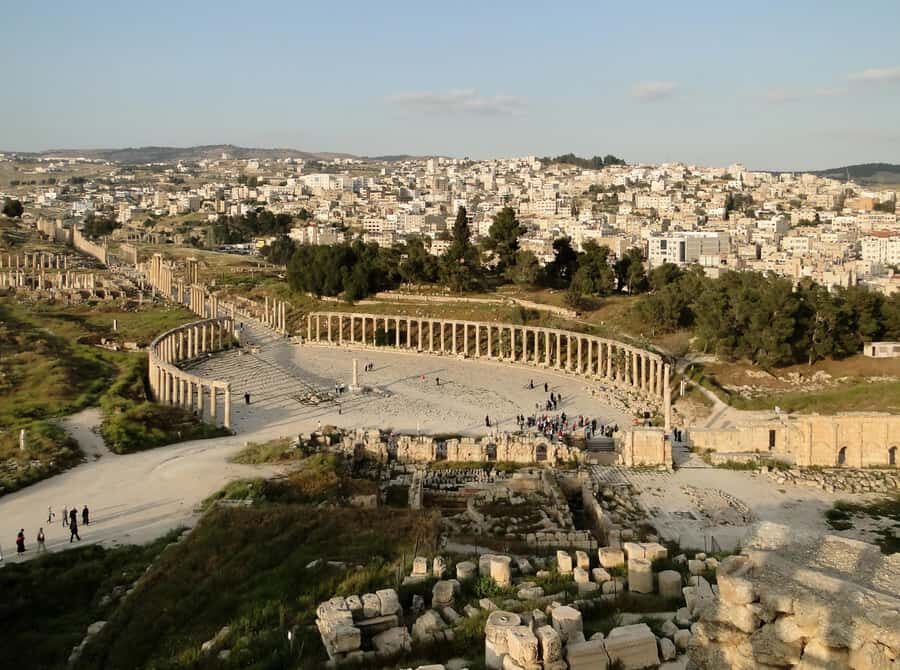
- Jerash focus includes the Oval Plaza and the Temple of Art, two spots that anchor the whole Roman-city feel.
- Ajloun Castle as the viewpoint stop: a 12th-century fortress on a hill with panoramic countryside views.
- Umm Qais/Gadara ruins with big-sky scenery: you’ll take in views toward the Sea of Galilee, the Golan Heights, and the Yarmouk River.
- Khalil-style guiding: past guests note he’s attentive but gives freedom to explore when you want to slow down.
- Car comfort with Wi‑Fi and water helps on a 10-hour day where you’ll be moving between sites.
How a 10-hour Northern Jordan day works from Amman
This tour is designed for people who want the classic northern sites without the hassle of stitching together separate trips. With a modern car and pickup from your Amman hotel or the city area, you start already on the right track instead of spending time figuring out transfers.
The whole experience is built around three “story chapters.” You begin with Roman grandeur in Jerash, then shift to a strategic, medieval high point at Ajloun, and finish with the layered ruins at Umm Qais, tied to the ancient city of Gadara. That progression makes sense because each stop adds a different kind of context: architecture and urban life in Jerash, defense and control in Ajloun, and then viewpoint geography plus ancient street-level remains in Umm Qais.
Because it’s a 10-hour day, you should expect a full schedule. The good part is that you’re not doing complicated planning, and the driving time is part of the deal—Jordan’s north rewards road travel with frequent “stop-worthy” scenery.
One more practical note: the tour includes bottled water, plus Wi‑Fi, so you’re not stuck trying to locate refreshments mid-route. Lunch isn’t included, though, so I’d plan your day with that in mind and budget time to eat on your own where you’re instructed to do so (details vary by the day, but the key point is you’ll handle it).
You can also read our reviews of more tours and experiences in Umm Qais.
Jerash Roman ruins: Oval Plaza and Temple of Art in one walking day
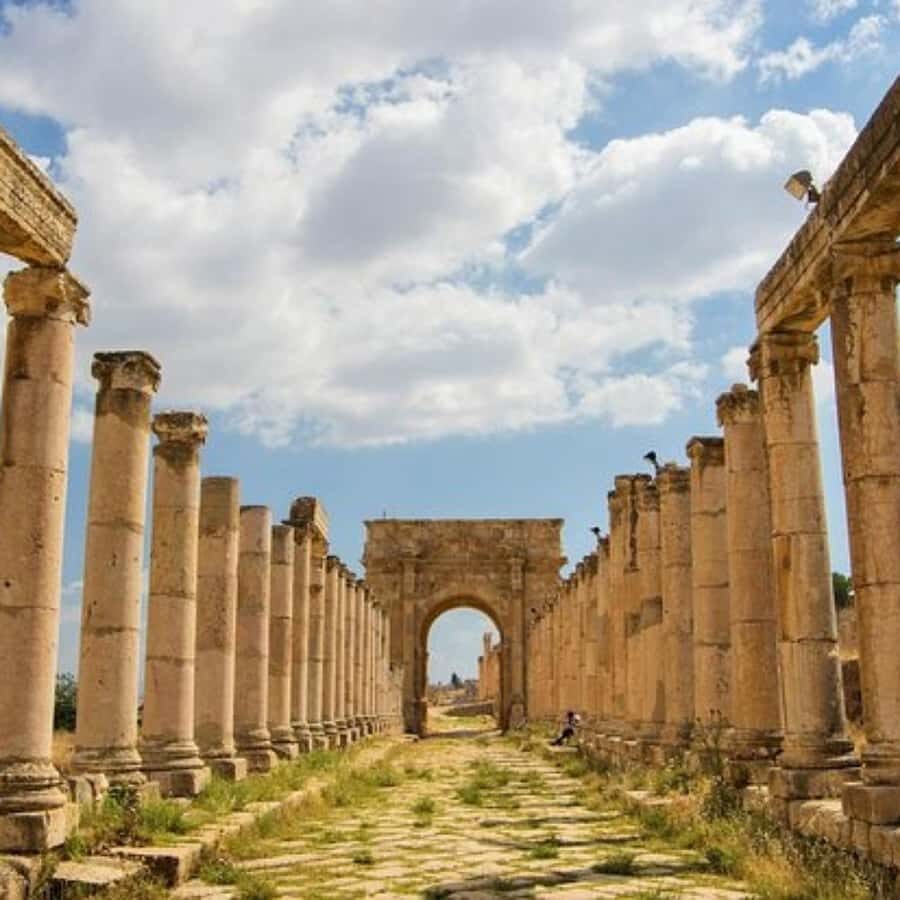
Jerash is the kind of place that makes history feel physical. You’re not just looking at stones from a distance—you’re walking through a Roman city that’s preserved enough to understand how people moved through public space. This stop is a main event on the day, and it’s why this tour works so well for first-time visitors to Jordan’s north.
The Oval Plaza is one of the big anchors. It’s the kind of monumental public space that tells you Jerash wasn’t a small town—it was built for crowds, ceremonies, and public life. If you like architecture you can actually measure with your own eyes, this is a highlight because the plaza layout helps you “read” the city as it was designed.
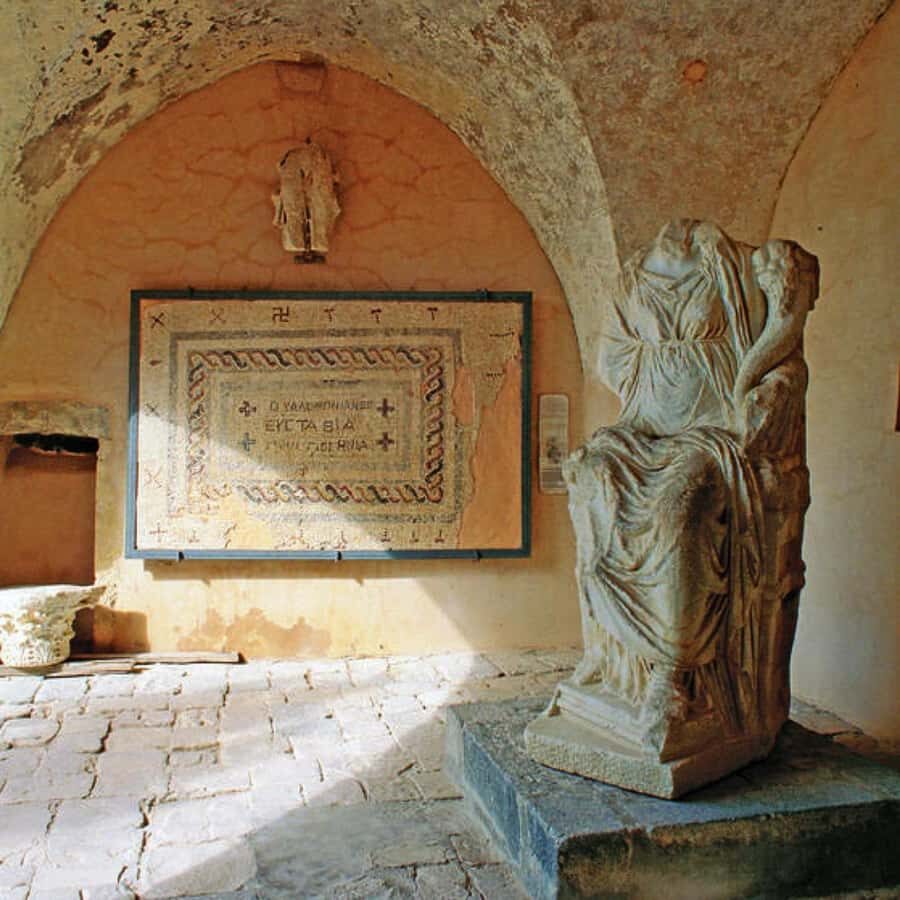
Then there’s the Temple of Art. Even if you don’t know the fine details of every Roman-era reference, the fact that the site is named and visited as a focal point helps you connect the ruins to the cultural life of the city. It’s also a spot where you can pause and orient yourself: once you understand what the ruins are trying to communicate, the rest of Jerash feels more coherent.
You’ll also see impressive theaters and other major structures. That matters because theaters are one of the fastest ways to grasp Roman influence—entertainment and civic identity were tightly linked. When the day includes theaters along with plazas, you don’t just learn facts; you get a sense of daily rhythm.
What I like here most: Jerash doesn’t feel like one hurried stop. It gives you enough space to move through, take photos, and linger without turning every minute into a sprint. That’s a big reason small-group tours score points—they feel easier to manage when the walking starts.
What to consider: you’ll likely want to have your priorities straight before you enter. If you’re the type who wants to stand and read every plaque, your time could feel tight. If you want the overall feel and key sights, this is a very efficient way to do Jerash in a day.
Ajloun Castle: a 12th-century fortress with Jordan Valley panoramas
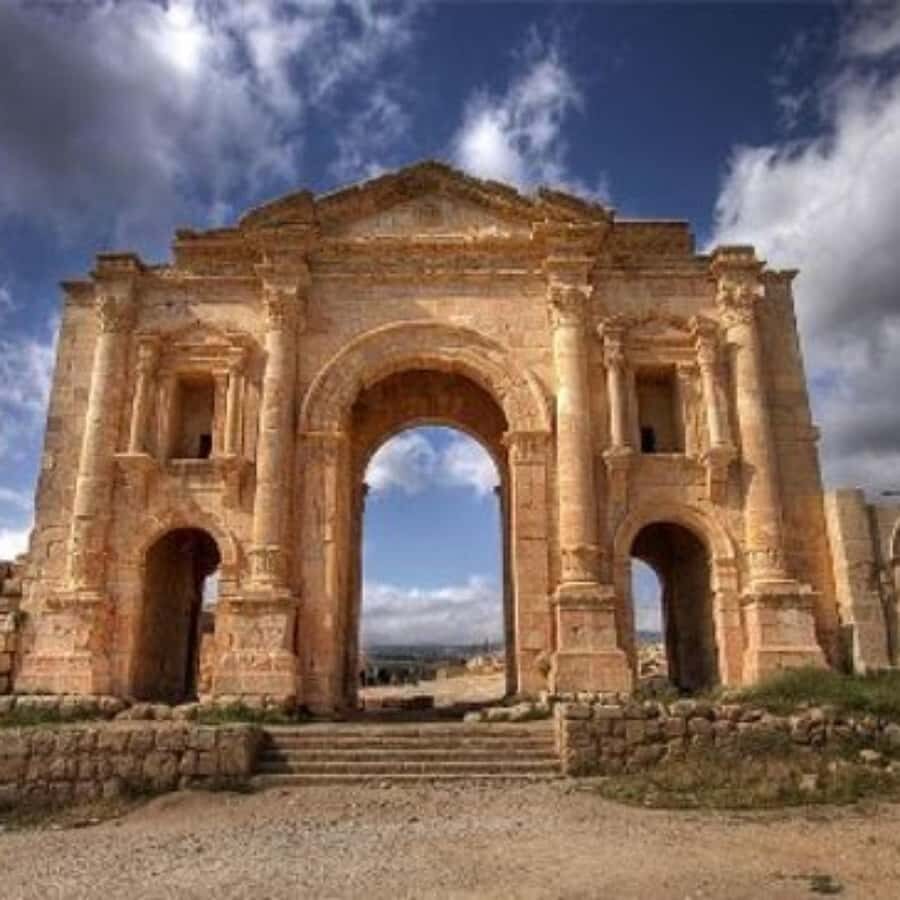
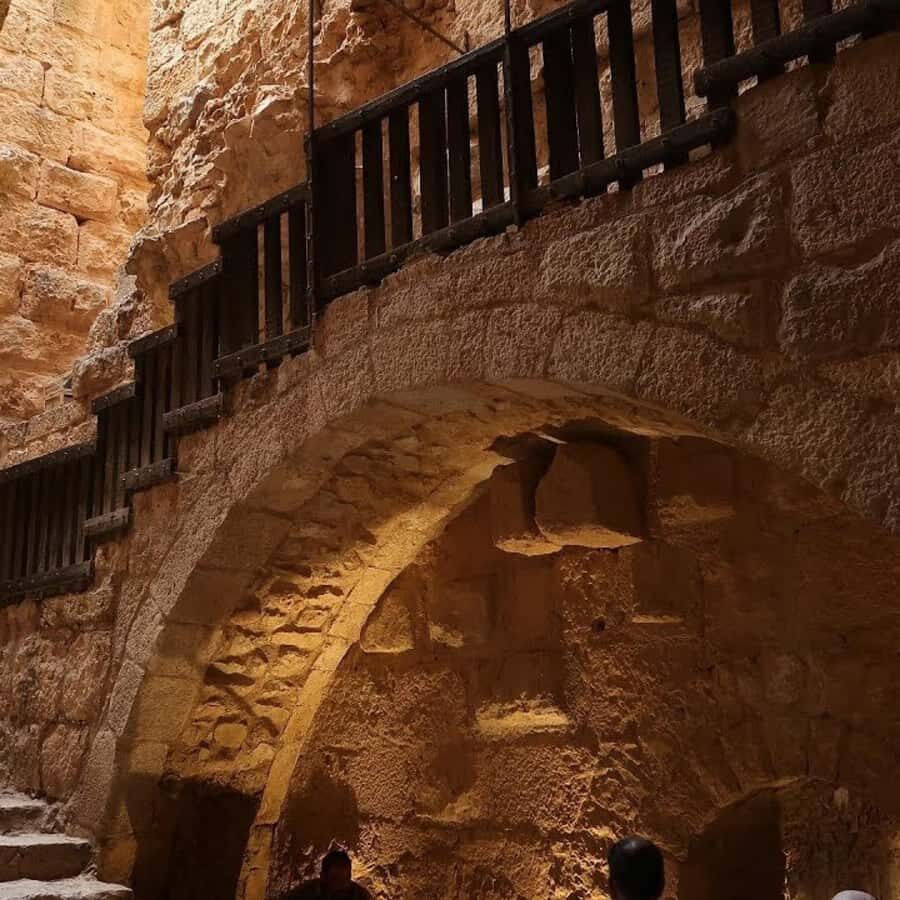
After Jerash, the mood changes. Ajloun Castle isn’t about city crowds—it’s about elevation, control, and views. The fortress dates to the 12th century, and that age matters here because it’s not just a historical label. You can feel how the hilltop location would have mattered for defense and communication.
The best part of Ajloun is that you’re not stuck staring at walls all day. You get panoramic views of the surrounding countryside, which is exactly what makes a hilltop fortress worth the visit. When you can look across the terrain, you understand why someone built a stronghold there in the first place.
Ajloun also adds greenery around the area, so the stop feels like a break from the heavy stone of Roman ruins. That contrast is real: Jerash gives you dense urban architecture, while Ajloun gives you openness and a sense of space. Even if you’re not a “castle person,” the viewpoints can do a lot of the heavy lifting.
If you like photos, this is one of your best chances to step back and frame the scene. Wide angles work well here, and it’s the kind of stop where your eyes keep wandering because there’s always another ridge line or patch of valley to notice.
My practical tip: wear shoes you trust. Even though this is a single stop, you’ll still be walking on uneven ground while you look around. Bring water (you’ll have a bottle during the tour), but make sure your clothing can handle a big temperature swing if your day is outdoors for long stretches.
Possible drawback: because Ajloun is a viewpoint stop, wind and sun can be intense depending on the day. If you burn easily, plan for it with sun protection before you get there.
Umm Qais (Gadara): amphitheater ruins plus Sea of Galilee views
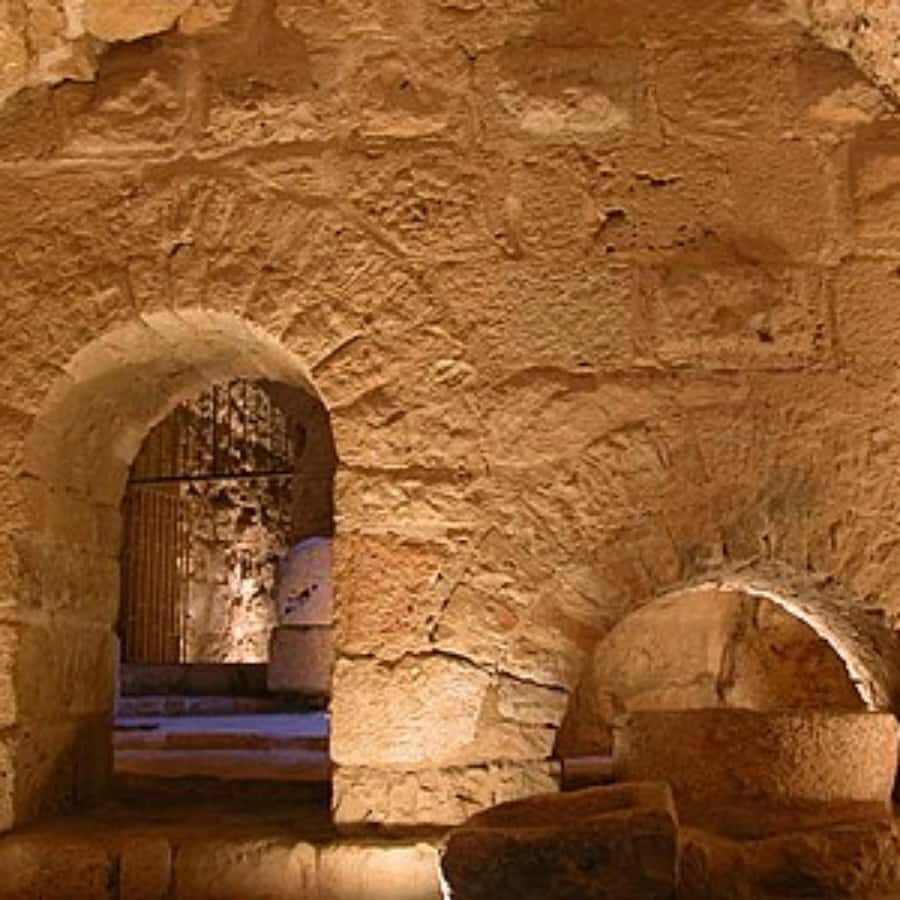
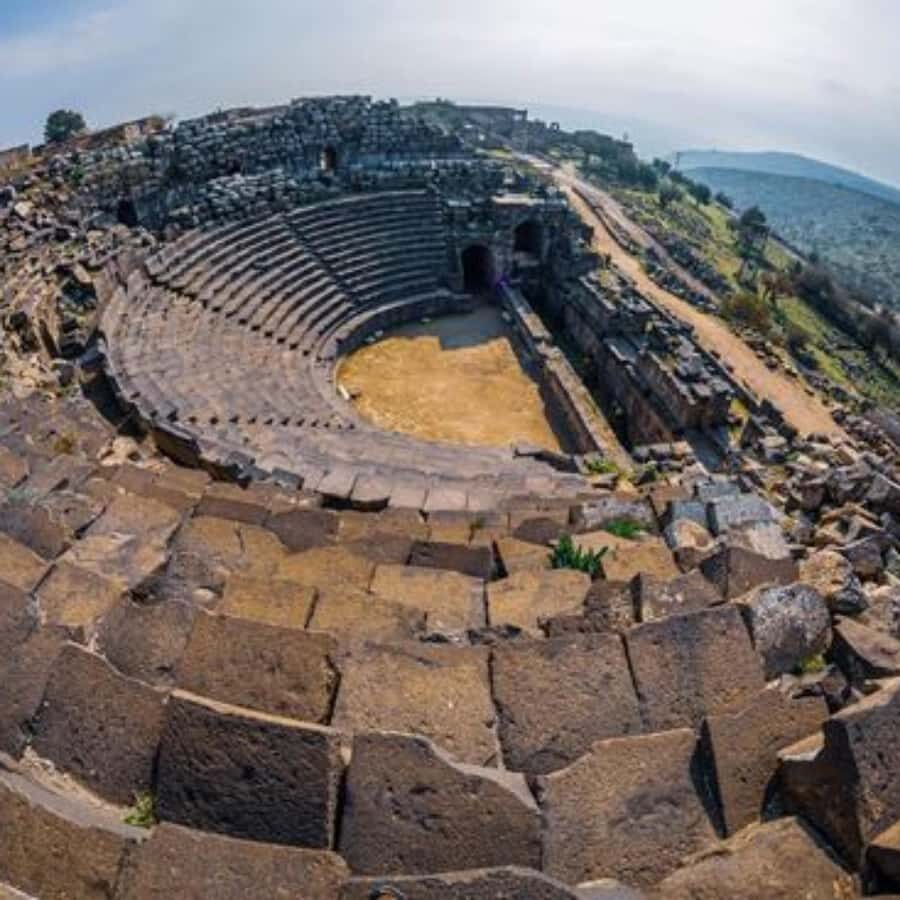
Umm Qais is where the day gets scenic in a serious way. The ruins are tied to ancient Gadara, and the area has that rare combo: you get well-preserved Roman-era remains, plus a view that makes the history feel connected to geography.
The ruins include an amphitheater that stays strong visually, even when you know it’s not fully intact like a modern venue. Standing near it, you can start to picture the scale and how people would have gathered for events. Amphitheaters are basically Roman social media—public, shared, and designed to draw attention to the city.
The reason Umm Qais can hit harder than you expect is the skyline of sightlines. From this area, you can see toward the Sea of Galilee, the Golan Heights, and the Yarmouk River. Those names aren’t just trivia—they help explain why civilizations cared about this part of the world. When you connect ruins to the places they could control or trade with, the stones feel less random.
If you enjoy photography, this is your “step away from the ruin and let the view do the work” moment. It’s also a calmer stop in tone compared with Jerash, because the open sightlines give you mental space even while you’re looking at real history.
What you’ll probably appreciate: the way Umm Qais feels like it sits inside the landscape instead of being placed next to it. Even though you’re walking on ruins, your attention keeps being pulled outward—toward distance and horizons.
What to watch for: because the view is the point, you might want to arrive ready to spend a little time looking. If you only plan for one quick photo and move on immediately, you might miss the best part of the stop.
Your driver, the small group, and how Khalil-style flexibility helps
This tour runs with a small group capped at 7 participants, and that matters more than it sounds. Fewer people means less waiting at entrances and easier movement through the sights. It also makes it easier for your driver to manage pacing without turning the day into a strict factory line.
You’ll travel in a modern car with Wi‑Fi and bottled water. That sounds simple, but on a 10-hour day, it’s actually useful—especially if you’re juggling maps, messaging, or just trying to keep yourself comfortable between stops.
One of the most praised details from past guests is the approach of Khalil as an attentive driver/guide. The important part isn’t that he talks a lot—it’s that he’s described as responsive while still giving freedom to explore each place based on your needs. That’s a rare balance: you get enough guidance to understand what you’re looking at, but you’re not trapped behind a rigid script.
Because the tour includes an English-speaking driver (and not a separate local guide), you should expect interpretation to come through your driver’s explanations. That can be totally fine, especially if you’re the type who likes a conversational style instead of formal lectures.
My practical expectation: you’ll likely get a mix of driving updates, context at the main stops, and enough flexibility to handle your own pace inside the sites.
Price and value at $102: what’s included and what you must budget
At $102 per person for a 10-hour day, you’re paying for convenience plus transport and on-the-ground time. You get a modern car, bottled water, Wi‑Fi, an English-speaking driver, and pickup from Amman hotel/city pickup. For many people, that’s the real value: not needing to arrange separate rides or organize the day yourself.
The costs you should plan for are clearly listed: attractions entrance tickets and lunch are not included, and there’s no separate local guide included. In other words, your final cost depends partly on how you handle site entry fees and food.
So is it good value? For most visitors, yes—because you’re packing three major stops into one day with a small group and pickup included. It’s especially worthwhile if you don’t want to spend your energy coordinating transportation between Jerash, Ajloun, and Umm Qais.
If you’re the type who loves to spend hours inside each site with deep, formal commentary, you might find the “no local guide” detail limiting. But if you want smart highlights, solid context, and a manageable day, this price structure is fair.
Who this Northern Jordan route is best for
This tour is a strong match for first-timers to northern Jordan who want the big trio: Jerash, Ajloun, and Umm Qais. It’s also great if you care about views as much as ruins, because the itinerary includes viewpoint-heavy stops rather than only museum-style wandering.
You’ll probably enjoy it most if:
- You like Roman-era cities and want a walkable feel rather than distant sightseeing.
- You enjoy medieval architecture and understand it as defense and geography.
- You want natural scenery and long sightlines at the end of the day, not just more ruins.
It may be less ideal if:
- You want a dedicated local expert at each site (since only the English-speaking driver is included).
- You need wheelchair access, since the tour is not suitable for wheelchair users.
- You prefer a very slow pace with long breaks and long meals built in.
Should you book this Amman to Jerash, Ajloun, and Umm Qais tour?
I’d book it if your goal is a high-value day with clear highlights and easy logistics. The small group size, pickup convenience, and the balance of Roman ruins plus hilltop and viewpoint stops make it a practical way to see Northern Jordan without overplanning.
I’d think twice if you hate adding costs like entrance tickets and lunch later, or if you want a very guided, site-by-site deep lecture. But for most people, the mix of preserved Jerash sights, the 12th-century Ajloun Castle perspective, and Umm Qais/Gadara’s amphitheater plus far-reaching views is exactly the kind of day you remember.
If you book, do one smart thing first: decide what you care about most—plazas in Jerash, the fortress viewpoints in Ajloun, or the Gadara amphitheater and horizons at Umm Qais—then let the rest be bonus.
FAQ

Is pickup included for this Northern Jordan tour from Amman?
Yes. Pickup is included from Amman Jordan city and hotel.
What is the duration of the tour?
The tour lasts 10 hours.
What’s included in the price?
The tour includes a modern car, bottled water, Wi‑Fi, and an English-speaking driver.
Are entrance tickets and lunch included?
No. Attractions entrance tickets and lunch are not included.
How large is the group?
It’s a small group limited to 7 participants.
Is this tour wheelchair accessible?
No, it is not suitable for wheelchair users.