REVIEW · UMM QAIS
Jordan Trail: Dana to Petra 4-Day Trekking Tour
Book on GetYourGuide →Operated by Jordan Hiking Experts. · Bookable on GetYourGuide
Petra feels earned when you hike in. This 4-day Dana to Petra trek follows the Jordan Trail with a certified local guide, wild canyon walks, and a first view of Petra from a back-route that feels almost secret. I love two things most: the chance to camp under real dark skies and the steady rhythm of traditional Jordanian meals after a long day. The main drawback to consider is that hiking is the priority, and if you want constant, hands-on coaching every hour, you’ll need to speak up early for more guidance.
You’ll cover about 84 km over roughly 4 days, typically hiking 6–8 hours a day with daily distances around 15–20 km. The scenery shifts fast between mountain paths, canyons, and remote Bedouin valleys, and the small-group limit of 15 keeps it from feeling like a conveyor belt. Expect moderate to challenging terrain, so you should come in with solid hiking fitness and steady pacing.
Practical perk: daily luggage transfer means you carry only a daypack, while tents and mattresses are provided. I also like that the tour builds in a Turkish bath after the Petra visit, which is a smart reset after dusty feet and long stone steps. Just remember you’ll need to bring a sleeping bag and the usual sun protection, because daytime heat and chilly nights are both part of the deal.
In This Review
- Key Highlights You’ll Care About
- Jordan Trail From Dana to Petra: The Real Point of This Hike
- Day-by-Day Hiking Rhythm Through Wadi Dana and Bedouin Valleys
- Camping Nights: Tents, Stars, and Food That Makes the Walk Worth It
- How You Enter Petra: Little Petra First, Then the Main Site
- Guide Style Matters: Essa and Ahmad/Ahmed, Plus Solo Traveler Realities
- Fitness, Footing, and Packing: What Your Body Will Need
- Price and Value at $499: What You’re Paying For
- Who This Dana to Petra Trek Is For (and Who Should Skip It)
- Should You Book Jordan Trail: Dana to Petra?
- FAQ
- How long is the Dana to Petra Jordan Trail trekking tour?
- What is the hiking distance and daily time commitment?
- Is there an English-speaking guide?
- What group size should I expect?
- Are meals included, and do you have vegetarian or vegan options?
- What camping gear is provided?
- What should I bring for the trek?
- Does the tour include Petra entry and Dana Biosphere Reserve fees?
Key Highlights You’ll Care About
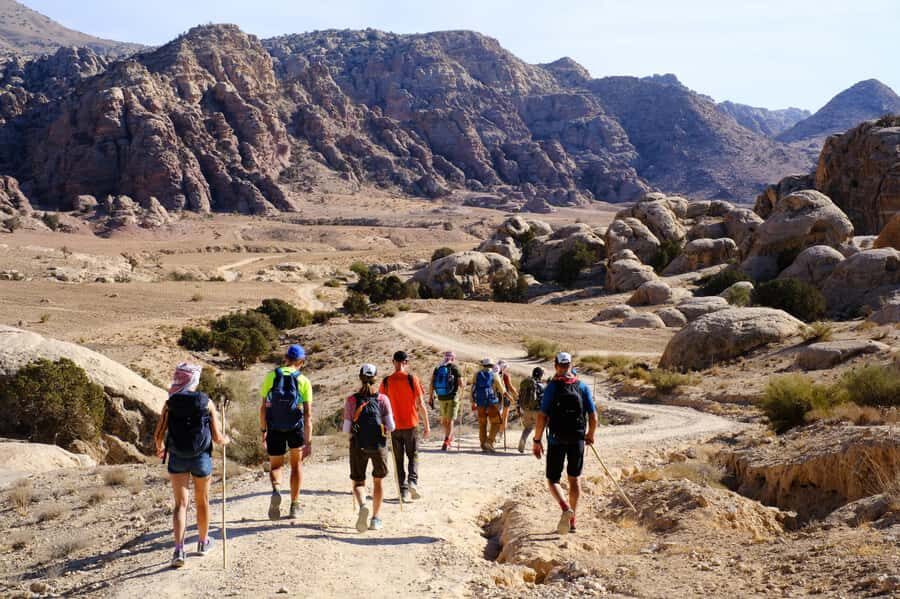
- A certified local guide on the Jordan Trail: You follow the route with someone who actually knows the terrain and local context.
- Back-trail entry to Petra via Little Petra: You get that first wow moment from the side, not the front gate stampede.
- Camp under the stars with Jordanian meals: Real food at the end of the day, not just snacks and good intentions.
- Daily luggage transfer and provided camping gear: You hike light, with tents and mattresses ready for you.
- Small group of up to 15: Easier to ask questions, stay aware, and keep the experience human.
Jordan Trail From Dana to Petra: The Real Point of This Hike
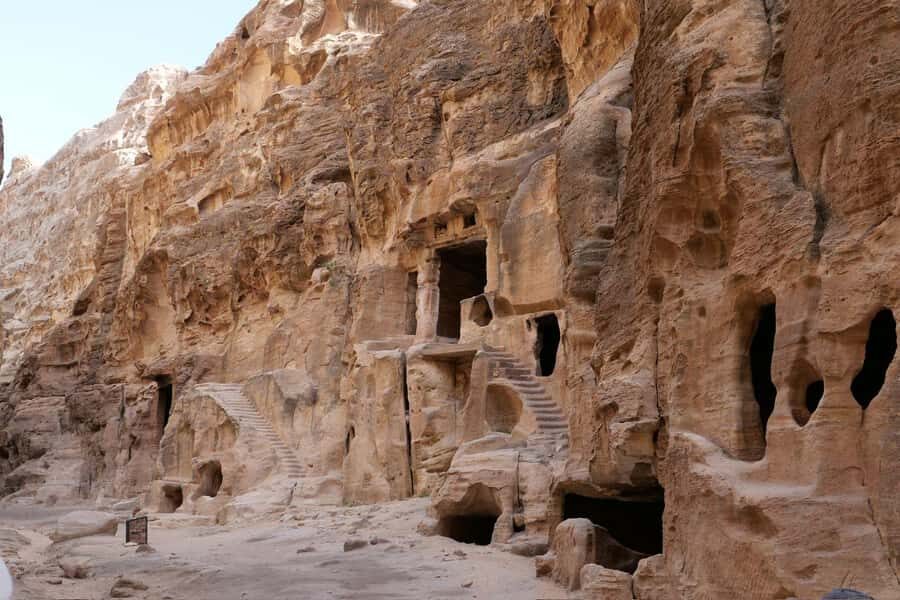
This trek is for people who like their travel with sweat, silence, and a little uncertainty you can handle. The Dana to Petra route is built on one of the world’s great long-distance treks, and the magic is how quickly it changes from greener nature zones to rough desert country.
You’re not just walking to “see Petra.” You’re hiking through the kinds of valleys and canyon cuts that shaped how people live here for centuries. And when you finally reach the Petra area, it lands differently because your legs have already paid the entry fee, figuratively speaking.
Two things stand out for value. First, the local guidance isn’t just route talk; it’s the kind of on-the-ground explanation that helps you understand what you’re actually stepping through. Second, the meals are part of the cultural rhythm, including vegetarian and vegan options inspired by traditional Jordanian cuisine.
One consideration: the tour is still hiking-first. Even though guides are part of the experience, the pace and route structure matter most. Some people get a very connected, chatty vibe. Others report feeling less guided than expected on certain days. That’s not something you can fully eliminate, but you can manage it.
You can also read our reviews of more hiking tours in Umm Qais
Day-by-Day Hiking Rhythm Through Wadi Dana and Bedouin Valleys
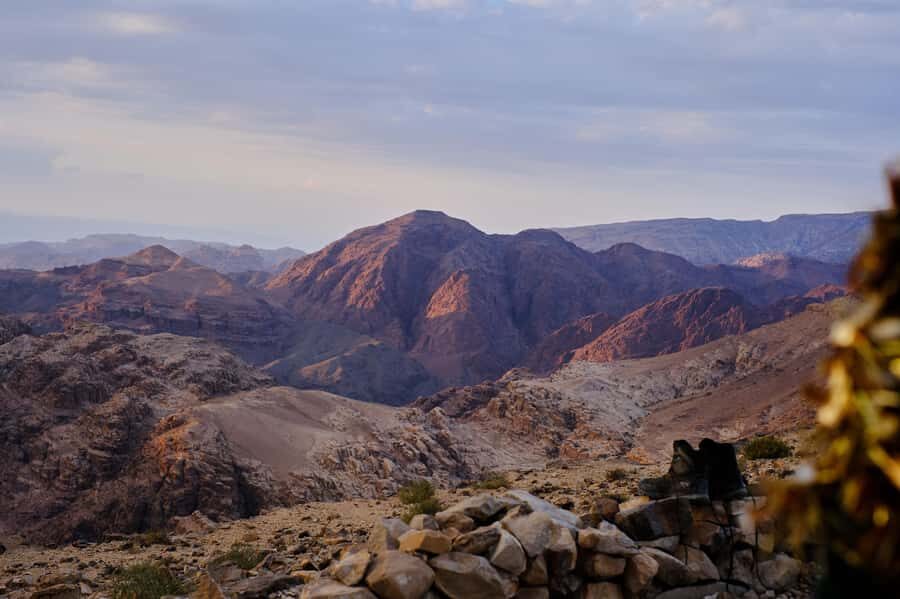
The route runs about 84 km over 4 days, with a typical day lasting 6–8 hours of hiking. Daily distance is generally 15–20 km, so plan on a strong walking day every day, not a “rest day disguised as hiking.”
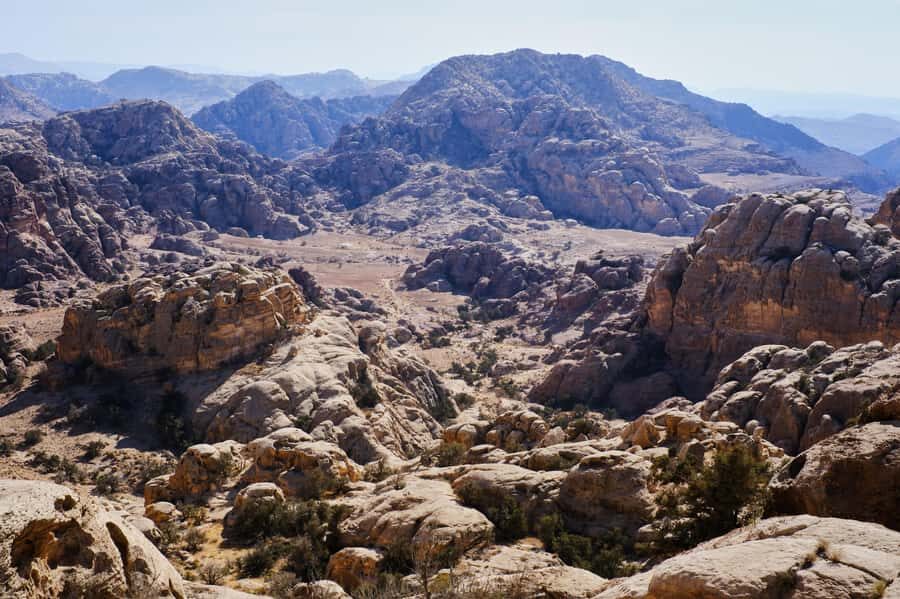
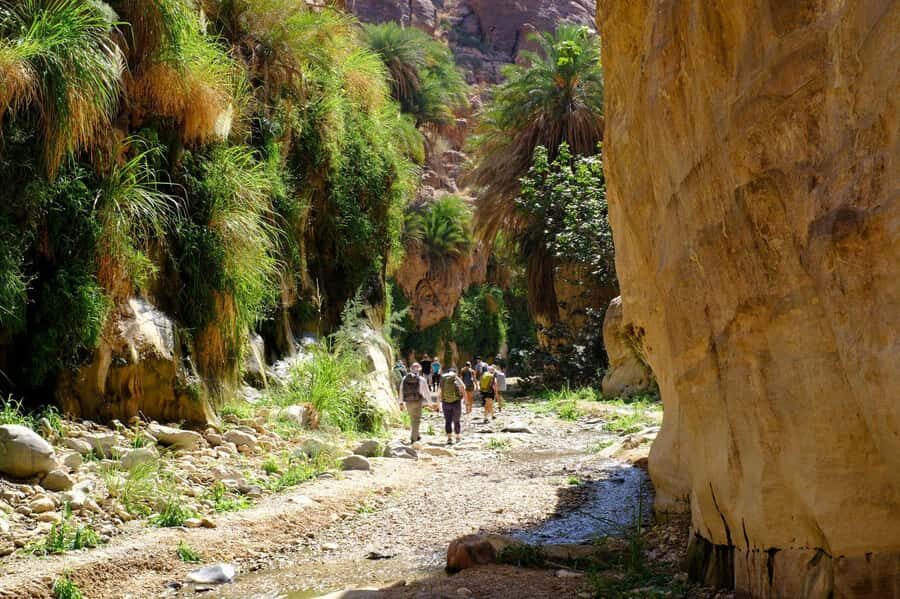
Over the first part of the trek, expect the Wadi Dana area and surrounding paths to set the tone: mountain segments, rocky footing, and canyon-like sections where shade can vanish fast. Wadi Dana is a great place to start because it gives you that sense of stepping from modern-day noise into something older and more rugged.
As the days progress, the route moves through remote Bedouin landscapes and valleys. This is where the “real wilderness” feeling kicks in. You’ll spend the night in campsites, eco-lodges, Bedouin camps, or wilderness camping, depending on how the trek is run that season. The practical takeaway: you’re sleeping outdoors often, so the air temperature swing matters.
So what makes this itinerary work for active travelers? It doesn’t just throw you into one type of scenery. You get a mix: greener stretches, then more plateau and desert character. That variety keeps the hike from turning into one long march, even though the mileage adds up.
Also, you’ll learn local culture from your guide as you go. In the best moments, it turns the trek from exercise into understanding. In the weaker moments, it can still feel like you’re mostly following footsteps. Either way, you’ll end each day with the honest payoff of camp and dinner.
Camping Nights: Tents, Stars, and Food That Makes the Walk Worth It
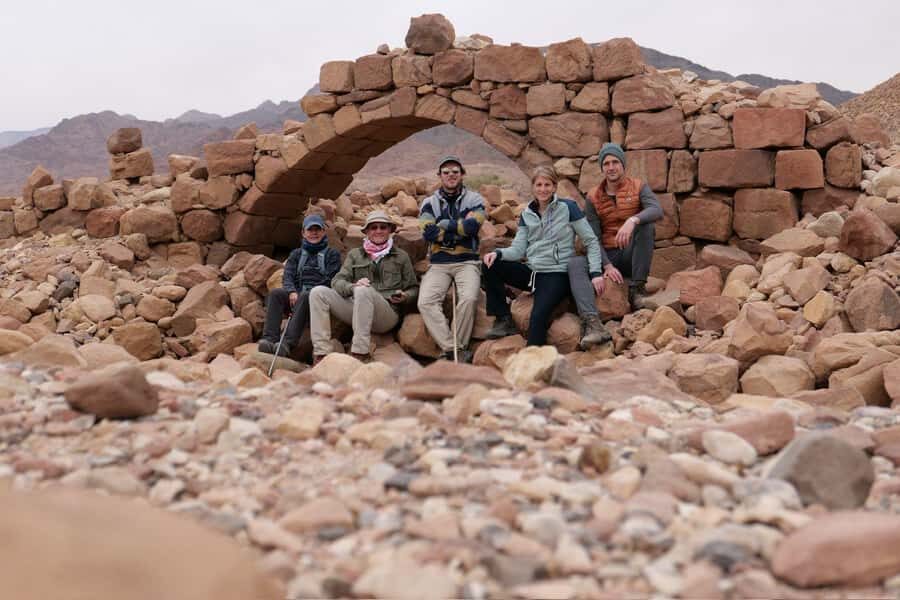
The tour is designed so you’re never left figuring out camp logistics from scratch. Tents and mattresses are included, plus you get drinking water, tea, and coffee. Meals are built into the schedule—three meals per day—and they’re traditional Jordanian dishes.
I love that you’re not just eating for fuel. After 15–20 km, good food becomes a mental reset. The reports I saw repeatedly mentioned the deliciousness of the meals cooked by the team (including Ahmed/Ahmed, who handles cooking and logistics for many departures). If you’ve ever finished a hike and realized you were basically eating crackers, you’ll appreciate having a proper meal planned.
One practical note: since you’ll camp in wild locations or simple camps, bring the right sleep setup. The tour expects you to pack a sleeping bag, and nights can get cool even when days are warm. A light fleece or layer for evening is a smart idea, not a luxury.
And then there’s the stars. When you camp away from city lights, the sky does that full-spectrum thing that photos never fully capture. It’s not just pretty; it’s calming. After days of walking in heat and stone, nighttime quiet feels like part of the experience.
How You Enter Petra: Little Petra First, Then the Main Site
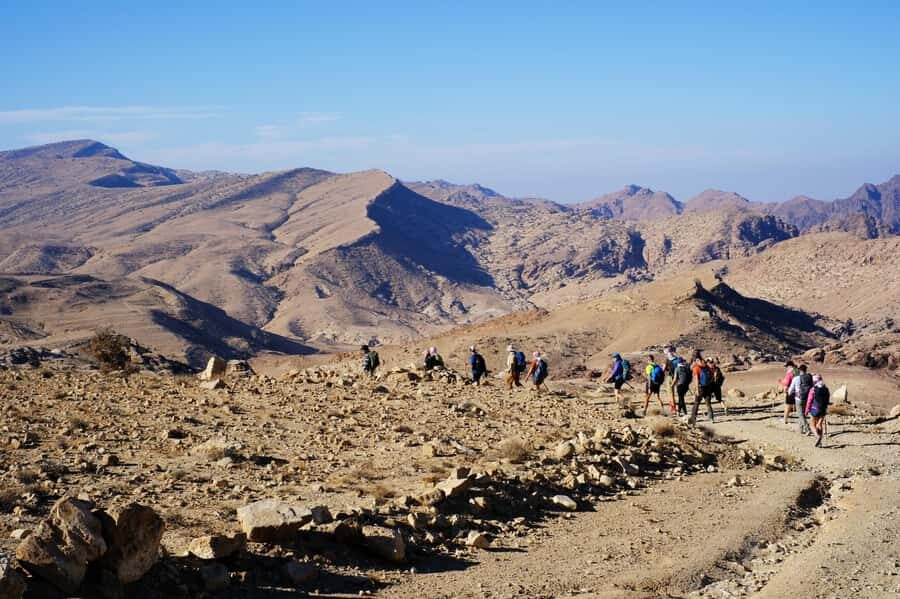
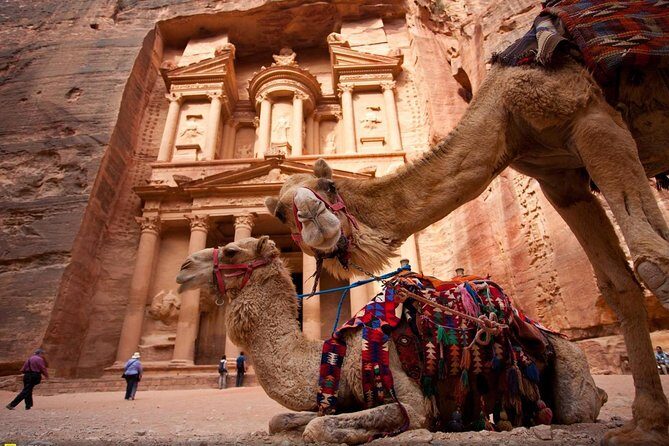
The last day is where the trek stops being “a hike” and becomes “a memory.” You arrive at Little Petra, and from there you move into Petra via a hidden back trail for that magical first view.
This is a big deal because Petra can be intense when you approach it in the usual way. The back route changes your angle and your pace. Instead of arriving already worn down by crowds and ticket-line energy, you’re arriving with your own sense of what the land has demanded from you.
You also get a full guided visit of Petra on the final day, which helps because Petra isn’t just one photo spot. It’s a huge place with details you can easily miss if you’re walking alone with a vague plan.
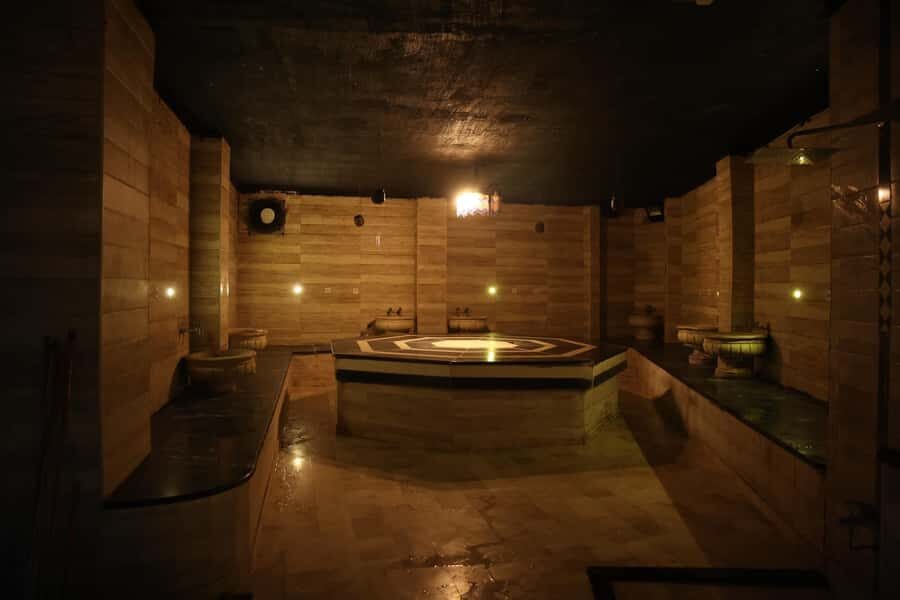
Finally, the tour includes a Turkish bath upon arrival in Petra. That’s not just for comfort. After dust, sweat, and stone steps, a reset like that can make the difference between “I survived Petra” and “I enjoyed Petra.”
Guide Style Matters: Essa and Ahmad/Ahmed, Plus Solo Traveler Realities
The guide team is a core part of this trek, and the name you’ll hear a lot is Essa (English-speaking lead) with support from Ahmed/Ahmed. One theme in the strongest reviews is how personal the experience can feel—being treated with warmth, help with the practical stuff, and plenty of banter.
For solo travelers, that matters. I saw accounts of solo female hikers feeling safe and looked after, with guides responsive and flexible when schedules changed. That’s exactly what you want on a trek where you’re tired, off the beaten path, and relying on the team to keep things running.
At the same time, there’s one clear caution from a less positive review: on some days, the guidance may feel light—more like being transported than guided. In that case, the fix isn’t to cancel; it’s to manage expectations. Ask for explanations early, tell your guide what you want (history stops, route context, pacing help), and if you need more attention, say so. A good guide can adjust when they know what you’re asking for.
Bottom line: the tour often shines because the guides are local Bedouin people who can explain culture and hospitality beyond logistics. But hiking days are hiking days, so come ready to walk and also ready to speak up when you want more.
Fitness, Footing, and Packing: What Your Body Will Need
This trek is rated moderate to challenging and is recommended for travelers with good fitness levels. You’ll hike 6–8 hours per day and typically 15–20 km. If your idea of hiking is a flat city stroll, this is a hard pivot. If you’re already doing long walks at home, you’ll feel more in control.
You’re also hiking in variable weather: warm in the day and cool at night. So bring layers, not just one T-shirt.
What to bring (from the tour):
- Sunglasses
- Hat
- Sunscreen
- Sleeping bag
- Flashlight
And I’d add the practical essentials that keep you from suffering unnecessarily (these match what the tour suggests): comfortable hiking shoes and a reusable water bottle. Since luggage transfer is provided, your main job is your daypack and your comfort while walking.
Also, there’s a “no nonsense” rule: no alcohol and no drugs.
Price and Value at $499: What You’re Paying For
At $499 per person, this isn’t a budget stroll. It’s priced like an active, guided, logistics-heavy wilderness trek. The value is in what’s bundled:
- An expert local guide
- Meals: 3 meals per day, including vegetarian and vegan options inspired by Jordanian cuisine
- Drinking water plus tea & coffee
- Camping infrastructure: tents and mattresses
- Daily luggage transfer so you hike light
- First aid kit and a welcome gift
- Turkish bath after Petra
You also get entries where specified. The tour data says Dana Biosphere Reserve entry fees are included, and the final day includes entry to Petra with a full guided visit.
What you should budget mentally (based on what’s not included): international flights, travel insurance, personal expenses, and trail snacks. That’s normal for hiking, but it can add up if you treat it like a casual weekend.
Who This Dana to Petra Trek Is For (and Who Should Skip It)
This is a strong fit for active travelers who want remote terrain and real camping, not just a checklist trip. You’ll enjoy it if you like long walks, can handle uneven footing, and you’re comfortable with the rhythm of hiking and outdoors nights.
It’s also a good choice for nature lovers. The route follows the Jordan Trail through mountains, canyons, and Bedouin valleys, with Dana’s reserve country as part of the early days. If you care about how locals live and what the land means, the cultural explanations from the team can add real depth.
It’s not suitable for children under 10, babies, or anyone with mobility issues. The data also notes it isn’t appropriate for people over 95. And if you need lots of downtime, this trek may feel too structured and physically demanding.
Should You Book Jordan Trail: Dana to Petra?
If you want a hike that builds to Petra instead of replacing it, I think you’ll like this. The combination of Jordan Trail hiking, camp nights with included gear, and the back-trail Petra reveal is the sort of “how did I get this lucky” travel that sticks. The meal setup and the included Turkish bath also make the end of the trip feel cared for, not just endured.
Book it if you’re prepared for a moderate-to-challenging hike, you pack a proper sleeping bag, and you’re the type who asks questions and sets expectations early with your guide.
Skip it if you’re looking for a gentle, fully supported walk where you’re constantly guided minute by minute. And if you’re the kind of person who hates being outdoors at night, even when it’s beautiful, you might end up frustrated instead of thrilled.
FAQ
How long is the Dana to Petra Jordan Trail trekking tour?
It runs for 4 to 5 days, depending on the option you book.
What is the hiking distance and daily time commitment?
The total distance is approximately 84 km over 4 days, with about 6–8 hours of hiking per day. Daily distances are typically around 15–20 km.
Is there an English-speaking guide?
Yes. The tour includes a live English tour guide, and it’s described as small group with limited capacity.
What group size should I expect?
The group is limited to a maximum of 15 participants.
Are meals included, and do you have vegetarian or vegan options?
Meals are included (breakfast, lunch, dinner) with traditional Jordanian dishes. Vegetarian and vegan meal options inspired by traditional Jordanian cuisine are available on request.
What camping gear is provided?
Tents and mattresses are provided. Overnight stays can include campsites, eco-lodges, Bedouin camps, or wilderness camping.
What should I bring for the trek?
Bring sunglasses, a hat, sunscreen, a sleeping bag, and a flashlight.
Does the tour include Petra entry and Dana Biosphere Reserve fees?
The tour data says national park and entry fees to the Dana Biosphere Reserve are included, and the final day includes entry to Petra with a full guided visit.