REVIEW · AMMAN
Day Tour Jerash and Amman City Tour From Amman
Book on GetYourGuide →Operated by North Amman Tourism Promotion · Bookable on GetYourGuide
Jerash in one day means you’ll feel history fast. This tour strings together Amman’s Roman-era highlights with Jerash, often considered the Middle East’s biggest, best-preserved Roman city. You’ll start in the religious heart of Amman, then work your way through ancient city layers without wrestling with buses.
Two things I like a lot: the itinerary hits major sites without wasting time, and the comfortable A/C transport keeps the day realistic. One thing to plan for: entry fees and local site guides are not included, so your final cost can rise once you’re on location.
In This Review
- Quick Reasons This Tour Makes Sense
- Jerash and Amman in One Day: Why This Combination Works
- Meeting at King Abdullah Mosque: The Day Starts With Architecture and Meaning
- Amman Citadel: Panoramic Views and Cross-Era Ruins
- Roman Theatre in Amman: 6,000 Seats and Real-World Use
- Amman to Jerash: A/C Comfort and Less Day-Trip Stress
- Jerash’s Roman City Walk: Temple of Artemis, Arches, and Plazas
- What the Tour Actually Feels Like on the Ground
- Local Guides and Entry Fees: The One Extra Cost You Should Plan For
- Guides Matter: Shadi’s On-Time Pickup and Omar’s Professional Touch
- Price and Value: Is $68 Per Person Fair?
- Tips to Make Your Day Easier in Amman and Jerash
- Who Should Book This Tour (and Who Might Prefer Another Plan)
- Should You Book This Jerash and Amman Day Tour?
- FAQ
- What is the starting point for the Amman and Jerash tour?
- Is hotel pickup and drop-off included?
- What’s included in the price?
- Are entry fees included?
- Are local guides included inside the sites?
- What languages are available for the tour?
- What should I bring for the day?
- What Roman sites are visited?
- How much does the tour cost per person?
Quick Reasons This Tour Makes Sense
- Amman + Jerash in one day so you don’t split your time or spend your vacation chasing logistics
- Roman Theatre in Amman with its 6,000-seat scale and continued use for concerts
- Jerash’s core highlights like the Temple of Artemis, arches, colonnades, and Roman plazas
- Hotel pickup and drop-off in Amman, which is a big deal if you’re short on time
- English-speaking driver plus Wi‑Fi and bottled water for a smoother ride between sites
Jerash and Amman in One Day: Why This Combination Works
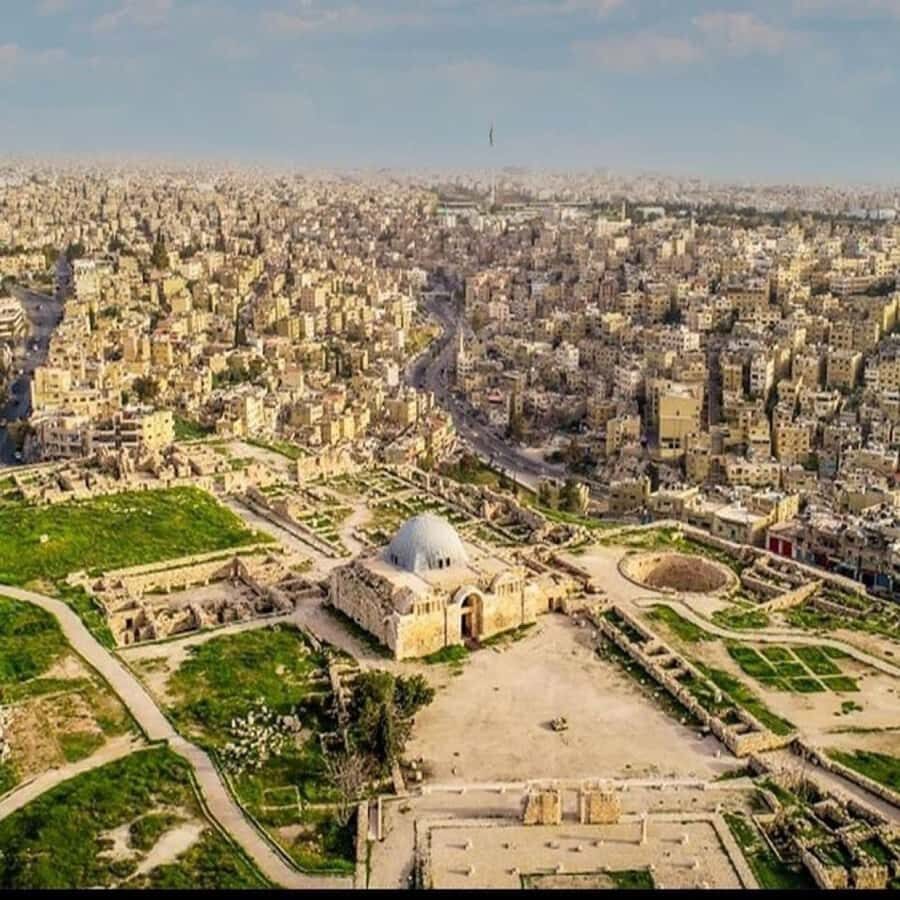
If you only have a day in Amman, this plan is practical. You get two different “Roman in Jordan” moods: Amman’s theatre-and-citadel angle, then Jerash’s full-on Roman city feel. It’s the kind of route that helps you connect the dots fast.
I also like that the day is structured around walkable, high-impact stops. You’re not just being shown monuments from the car. You’ll actually step into the sites and understand what made them important.
Finally, the biggest value is the simple stuff that ruins other day trips: pickup, air-conditioning, and a driver who speaks English. That combo matters when you’re doing a full day of sightseeing.
You can also read our reviews of more city tours in Amman



Meeting at King Abdullah Mosque: The Day Starts With Architecture and Meaning
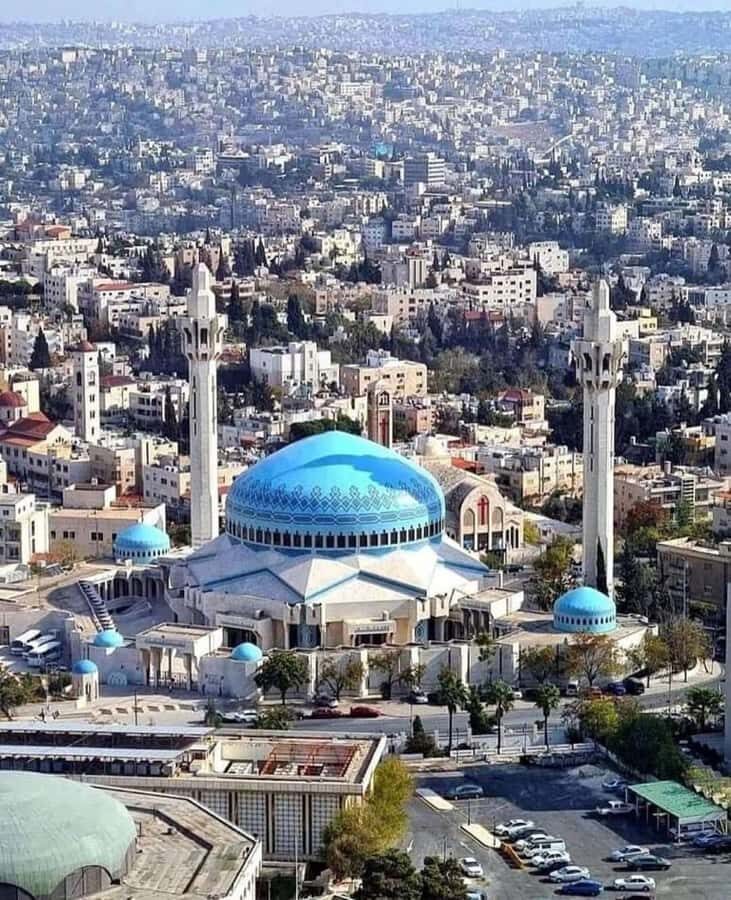
Most people think they’re signing up for Roman ruins. The tour starts at King Abdullah Mosque, and that sets the tone in a smart way. It’s a major landmark with strong spiritual significance and striking architecture, so you begin with context for modern Amman.
This is also a good mental reset before the ancient sites. Even if you’re mainly here for history, you’ll appreciate how the city’s present-day identity sits beside its past.
Wear shoes you can walk in comfortably. Mosque visits and photo stops can add up, and you’ll move around more than you expect.
Amman Citadel: Panoramic Views and Cross-Era Ruins
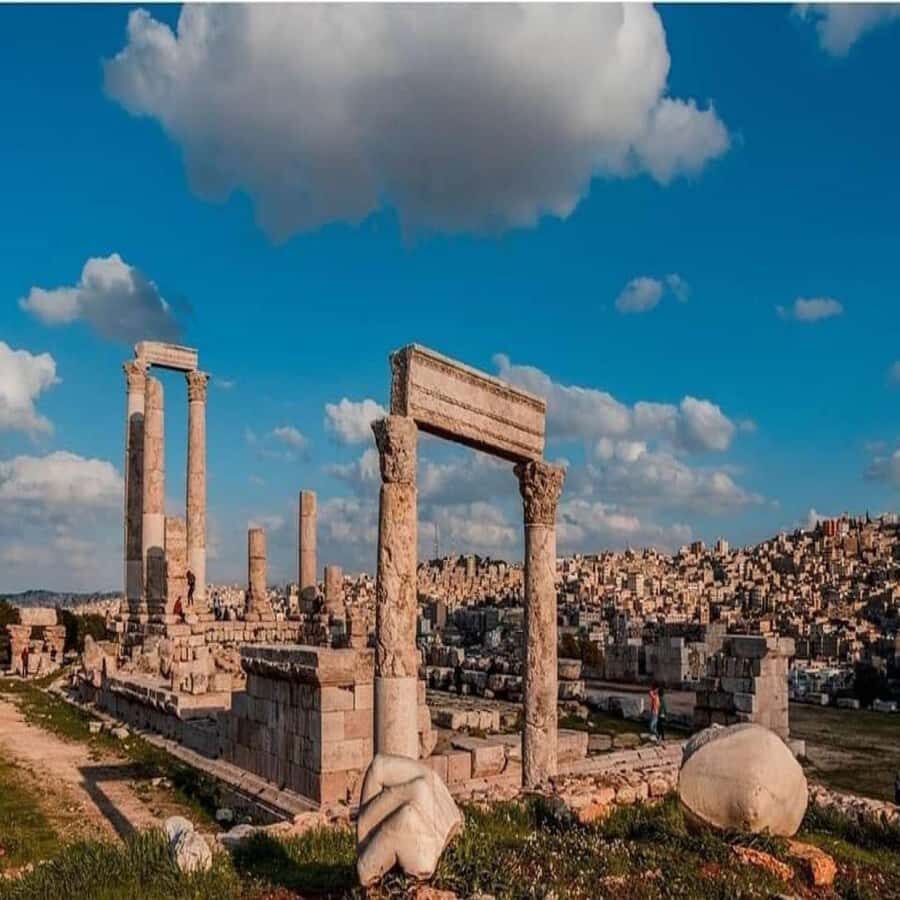
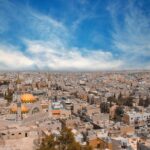
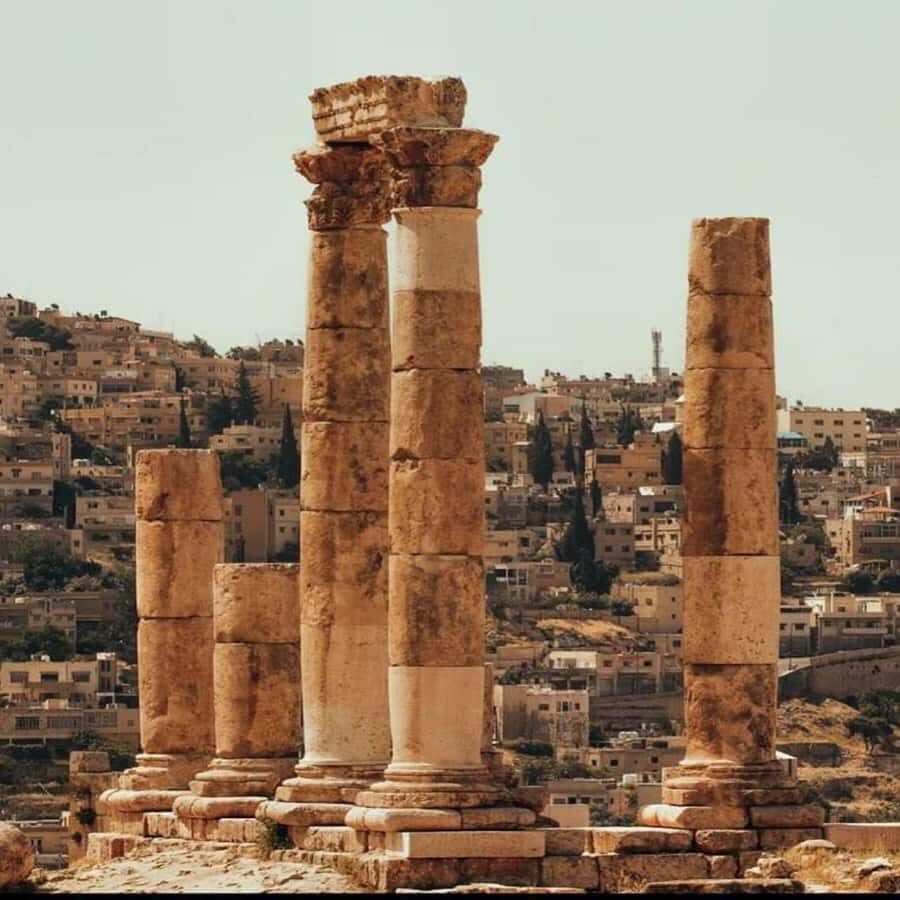
After the mosque, the next stop is the Amman Citadel, perched up on a hill. From there, you get wide views over the city, which helps you understand why people settled here again and again. The Citadel includes remains from different historical periods, so you see more than one chapter in a single glance.
I like this stop because it turns the rest of the day into something you can read. When you later see Roman sites, you’re already thinking about how civilizations layered over each other rather than treating each landmark like an isolated postcard.
One practical note: the Citadel involves walking on uneven archaeological surfaces. Comfortable footwear is the easiest “upgrade” you can make.
Roman Theatre in Amman: 6,000 Seats and Real-World Use
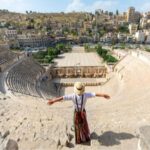
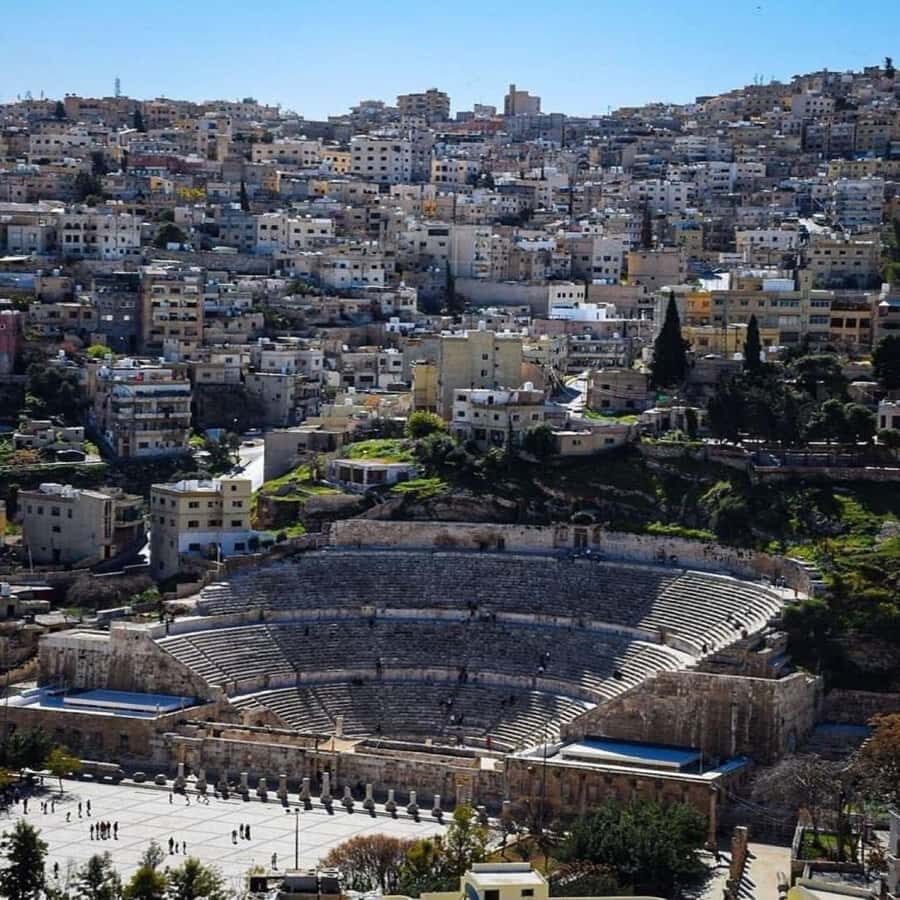
Then comes one of the tour’s most memorable Amman stops: the Roman Theatre. It’s a 6,000-seat theatre, and it’s still used for concerts. That detail matters, because it means the space isn’t just decorative ruin. It’s a functioning performance venue with ancient bones.
Even if you’re not a theatre person, you can still appreciate the engineering. Sit or stand where the audience would have been and you’ll understand why Rome invested in grand public spaces.
The downside? You may want a local guide here too, because theatres make more sense with specific explanations of how the seating, stage, and audience arrangement worked. The good news is that you can arrange this since local guides are not included.
Amman to Jerash: A/C Comfort and Less Day-Trip Stress
Getting from Amman to Jerash is part of the value. The tour includes private transportation in an air-conditioned vehicle, plus Wi‑Fi and a bottle of water. It’s a small list, but it adds up when you’re spending a full day on the move.
This is also where the “English-speaking driver” helps. You’re not stuck guessing where to stand, when to return to the car, or how the timing works between stops.
I’d call this the anti-friction feature of the tour. You get enough comfort to keep your energy for Jerash, which is the real centerpiece.

Jerash’s Roman City Walk: Temple of Artemis, Arches, and Plazas
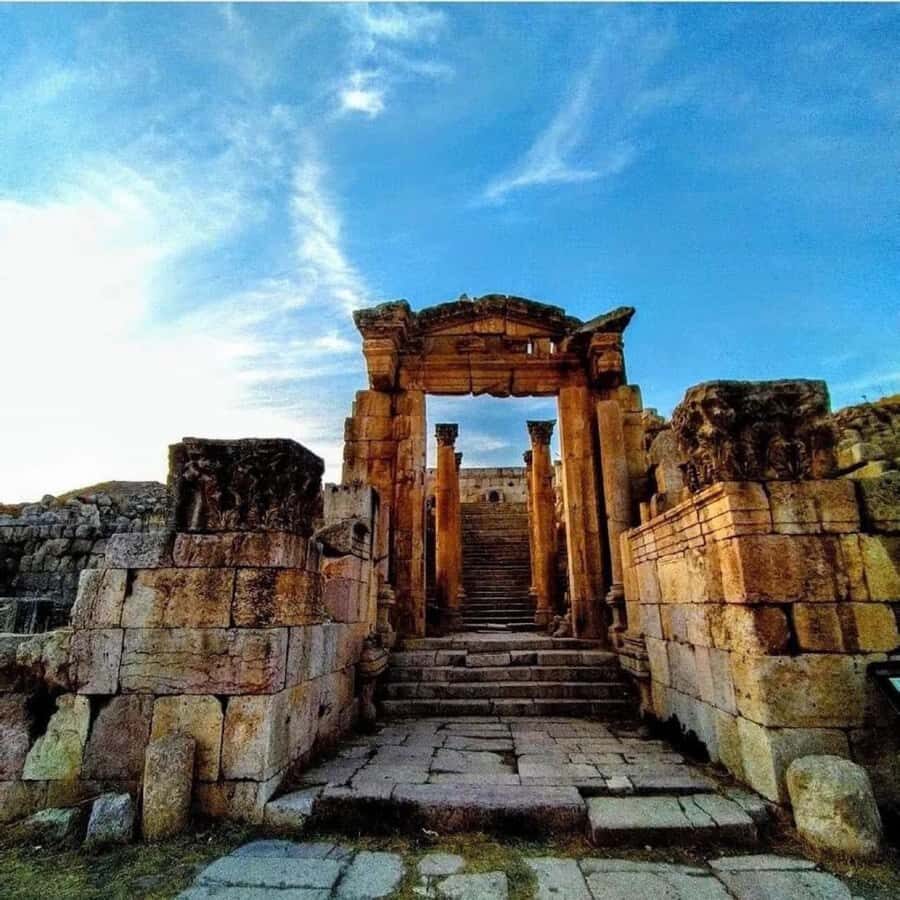
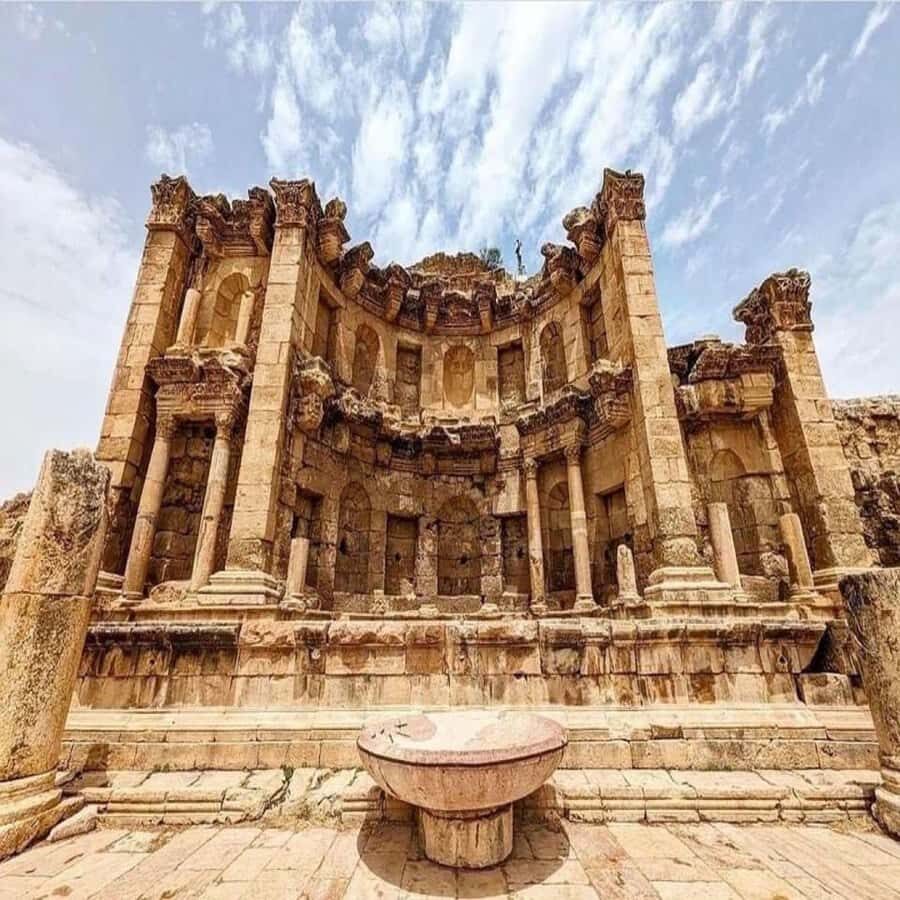
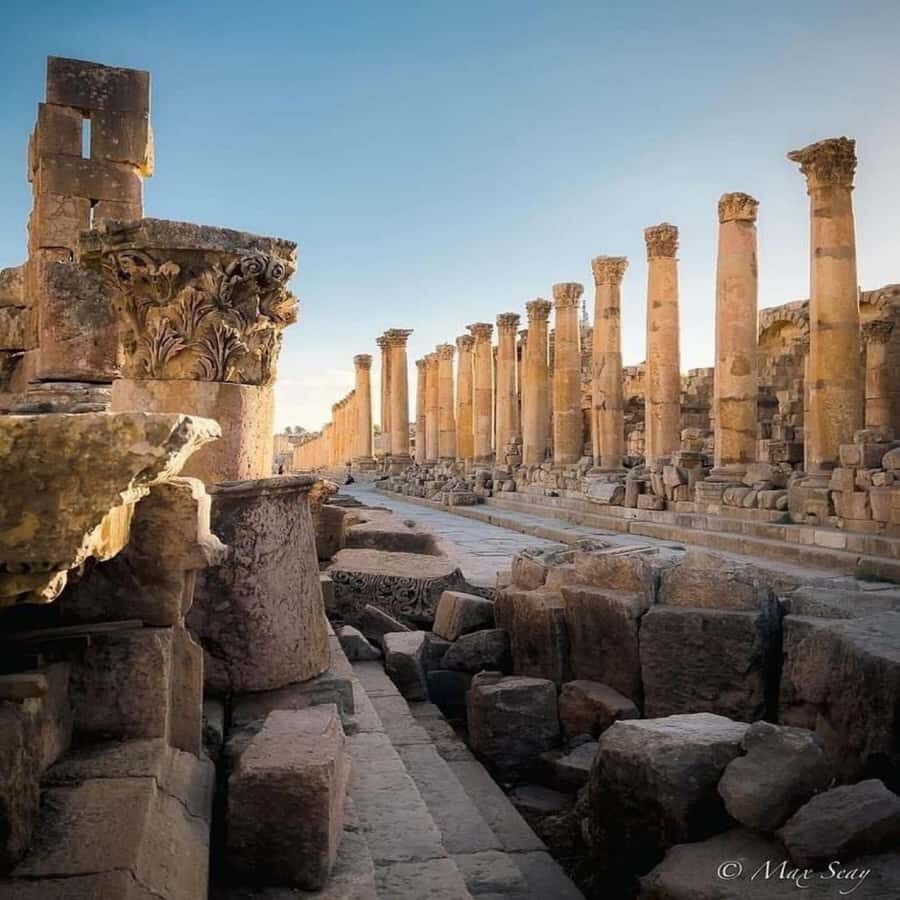
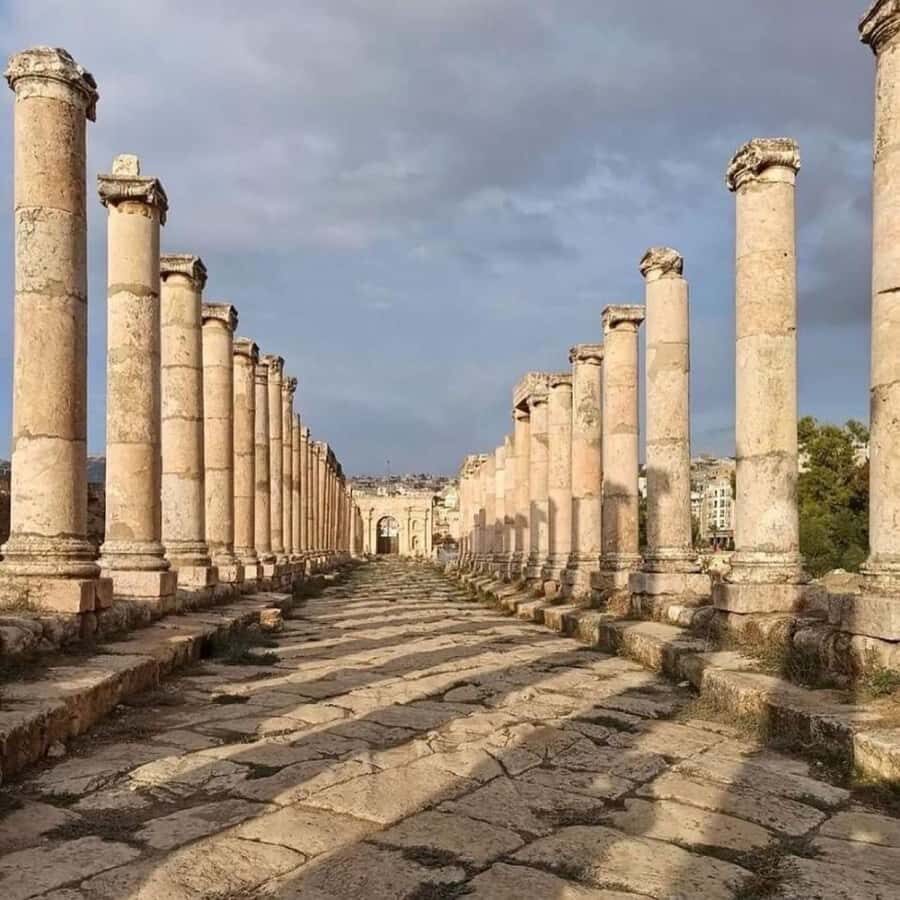
Once you arrive, Jerash does what it’s famous for. It’s one of the best-preserved Roman cities in the world, and it’s the largest Roman city in the Middle East. You’ll walk through the remains that still show the Roman urban plan: arches, colonnades, and open plazas.
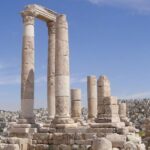
One of the main highlights is the Temple of Artemis. Artemis is the Greek goddess connected to the site, and seeing the temple area in Jerash helps you connect Greek religious roots to Roman-era city culture. You’re not just looking at columns; you’re looking at how belief and power were displayed in public space.
Then there are the big open areas and building lines that make Jerash feel like a city you could get lost in, even though it’s an organized archaeological site. That’s why many people love it: you can move at your own pace and still feel the scale.
Jerash also includes a theatre, and yes, it’s another performance space—just in a grander city context. Roman culture loved spectacle, and the ruins show you that clearly.
What the Tour Actually Feels Like on the Ground
I like the rhythm of this itinerary. It moves from a modern landmark to a hilltop archaeological overview, then into theatre spaces, and finally into Jerash’s broader city grid. By the time you reach Jerash, you’re already trained to “read” Roman architecture.
You’ll spend most of your time walking around sites, taking photos, and absorbing explanations where you can. The tour format is designed so you’re not doing constant back-and-forth travel.
If you prefer guided time to be tightly scheduled, this is usually a good fit. If you want free time to roam independently for hours, you might feel the day is structured. That doesn’t mean it’s rushed; it just has a clear flow.
Local Guides and Entry Fees: The One Extra Cost You Should Plan For
Here’s the one part you have to budget for: entry fees and local guides at the sites are not included. That’s not a dealbreaker, but it affects your final total.
Why it matters: Jerash in particular has lots of architectural details. A local guide can help you identify what you’re looking at and why it’s positioned where it is. Without that help, you’ll still enjoy the ruins, but you’ll miss some of the stories hidden in the layout.
So I recommend planning for at least two cost categories:
- Entry fees at Jerash and the Amman sites
- Local guide time once you’re at the archaeological areas
If you’re trying to keep spending tight, you can still do the basics without a guide, but I’d rather you go in with eyes open on what the “included” price covers.
Guides Matter: Shadi’s On-Time Pickup and Omar’s Professional Touch
Two guide names stand out from the experience feedback: Shadi and Omar. Their common strength is simple: they make the day feel run, not improvised.
Shadi is praised for being on time and for giving explanations about where you were going. That kind of orientation helps you enjoy the stops instead of just collecting photos. Omar is described as professional and kind, with a tour approach that makes the experience feel smooth and enjoyable, even if you’re celebrating something special.
Even if your guide differs, you’ll want to prioritize the human part. A good explanation turns Roman stones into a story you can follow.
Price and Value: Is $68 Per Person Fair?
For $68 per person, I think the value is strong if you care about logistics and comfort. The price includes private transportation, hotel pickup and drop-off, an English-speaking driver, Wi‑Fi, and bottled water.
What’s not included is what can add up fast later: entry fees and local guides. So the best way to think about this price is as the cost of getting you smoothly from stop to stop in a comfortable vehicle with a driver who can communicate.
If you were trying to arrange this alone, you’d likely spend time coordinating rides, timing, and how you’d handle site access. That time is expensive when you’re traveling. Paying for a bundled day trip often saves you energy, which is the real currency on a tight schedule.
Tips to Make Your Day Easier in Amman and Jerash
This is a “bring the basics” kind of day, and the details matter.
- Bring your passport or ID card. You’ll want it for access and verification at the sites.
- Wear comfortable shoes. Archaeological surfaces and walkways aren’t forgiving.
- Expect walking between sights. Even with transportation, this day is mostly on your feet.
- Use the included bottle water early. Plan small sips during the walk so you don’t lose time later.
Since the tour includes Wi‑Fi, your phone stays useful for maps, translation help, and quick route checks when you’re taking breaks.
Who Should Book This Tour (and Who Might Prefer Another Plan)
This works best for you if:
- You’re a first-time visitor to Amman and want the top highlights without too much planning
- You love Roman history and want Jerash’s big-name ruins in one day
- You value comfort and pickup over dealing with independent transport
It might not be ideal if:
- You want total freedom to wander without any structure
- You dislike paying extra on arrival for entry fees and possible local guidance
- You’re extremely sensitive to walking and uneven surfaces
That said, the tour’s format is built to keep the day moving efficiently, so most people with normal mobility find it manageable with good shoes and patience.
Should You Book This Jerash and Amman Day Tour?
I’d book it if you want a high-signal day: Amman’s major landmarks, a Roman theatre in a working city setting, and Jerash’s best-preserved Roman atmosphere. The included transportation and hotel pickup make it feel like someone handled the boring parts for you.
Book it with one mindset adjustment: this price covers the ride and main routing, but you still need to budget for entry fees and local guides. If you’re prepared for that, you’ll get a smooth, focused day with big payoff.
If you’re choosing between “Roman ruins somewhere” and “Roman ruins plus smart Amman context,” this tour is the clean choice.
FAQ
What is the starting point for the Amman and Jerash tour?
The tour starts at King Abdullah Mosque in Amman.
Is hotel pickup and drop-off included?
Yes. Hotel pickup and drop-off in Amman are included.
What’s included in the price?
Included items are private transportation, an air-conditioned vehicle, an English-speaking driver, Wi‑Fi, a bottle of water, and hotel pickup and drop-off.
Are entry fees included?
No. Entry fees are not included.
Are local guides included inside the sites?
No. Local guides in the sites are not included.
What languages are available for the tour?
The tour languages are Arabic and English.
What should I bring for the day?
Bring your passport or ID card and comfortable shoes.
What Roman sites are visited?
You’ll visit Jerash, the Roman Theatre in Amman (6,000-seat theatre still used for concerts), and Jerash highlights including the Temple of Artemis and the ancient theatre.
How much does the tour cost per person?
The price is $68 per person.