REVIEW · WADI RUM VILLAGE
4Hour Jeep Tour (Morning or Sunset) Wadi Rum Desert Highligh
Book on GetYourGuide →Operated by Wadi Rum Classic Tours · Bookable on GetYourGuide
Wind in the desert changes everything. This 4-hour Wadi Rum jeep tour packs a lot into a short window: Bedouin stories, tea breaks, and classic stops like Lawrence Spring and the red-sand dunes. I especially like the cultural pace, where you actually sit with a local for Bedouin tea, and the way the route lines up big sights without feeling rushed.
I also love the stop-and-go style that lets you spend enough time at each place to see details, not just pose for photos. One thing to consider: vehicle comfort can vary depending on the jeep you’re assigned, so if you’re sensitive to rough rides or older trucks, mentally plan for that.
In This Review
- Key Points at a Glance
- A 4-Hour Wadi Rum Plan That Doesn’t Overdo It
- Meeting in Wadi Rum Village: Find Odeh, Then Roll Out
- How the Route Feels: Drop-Off Stops With Time to Actually Look
- Lawrence Spring: Camel Connections and a Famous Name
- Wadi Khazali Inscriptions: Ancient Marks You Can Read With Context
- Red Sand Dunes: Panoramas and Optional Fun
- Bedouin Tea: A Culture Stop That’s Actually Part of the Tour
- Jeep Comfort: The Small-Risk Reality You Should Plan For
- What’s Included, What’s Extra, and Why That Matters
- Best Time to Go: Morning vs Sunset
- What to Pack (So You Actually Enjoy the Ride)
- Who This Tour Suits Best (and Who Should Rethink It)
- Should You Book This 4-Hour Jeep Safari in Wadi Rum?
- FAQ
- How long is the Wadi Rum jeep tour?
- Where do I meet for the tour?
- Is entry to the Wadi Rum Protected Area included?
- What’s included in the price?
- What language is the tour offered in?
- What should I bring?
- Is sandboarding included?
- Is this tour suitable for people with mobility issues or wheelchairs?
Key Points at a Glance
- Bedouin tea with a real guide adds culture right into the route, not as an afterthought.
- Lawrence Spring and Khazali inscriptions bring together Bedouin life and famous historical references.
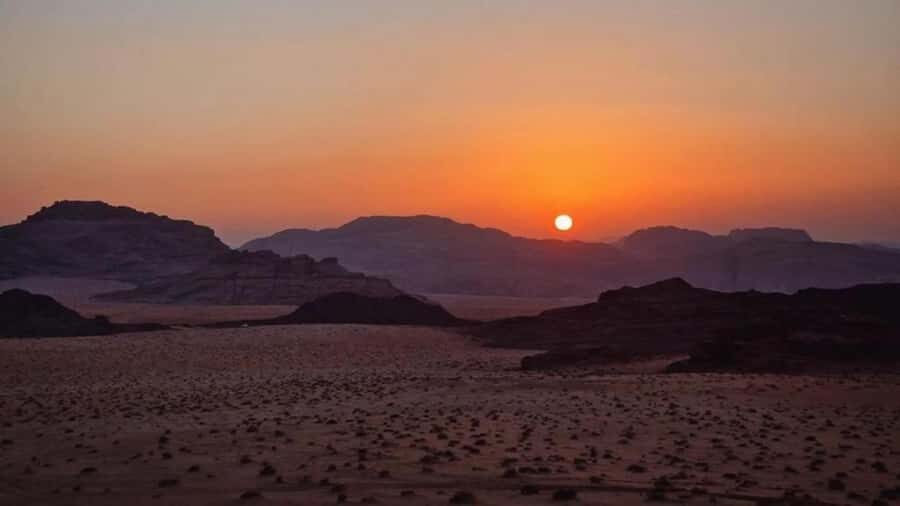
- Red sand dune viewpoints are timed well for the kind of photos you can’t get from a parking lot.
- Small-group pacing keeps the tour personal, with enough time at each stop.
- Option for canyon walking and sandboarding can appear at certain dune stops, depending on conditions.
- Protected-area entry isn’t included (7 JD), so plan for that upfront.
A 4-Hour Wadi Rum Plan That Doesn’t Overdo It
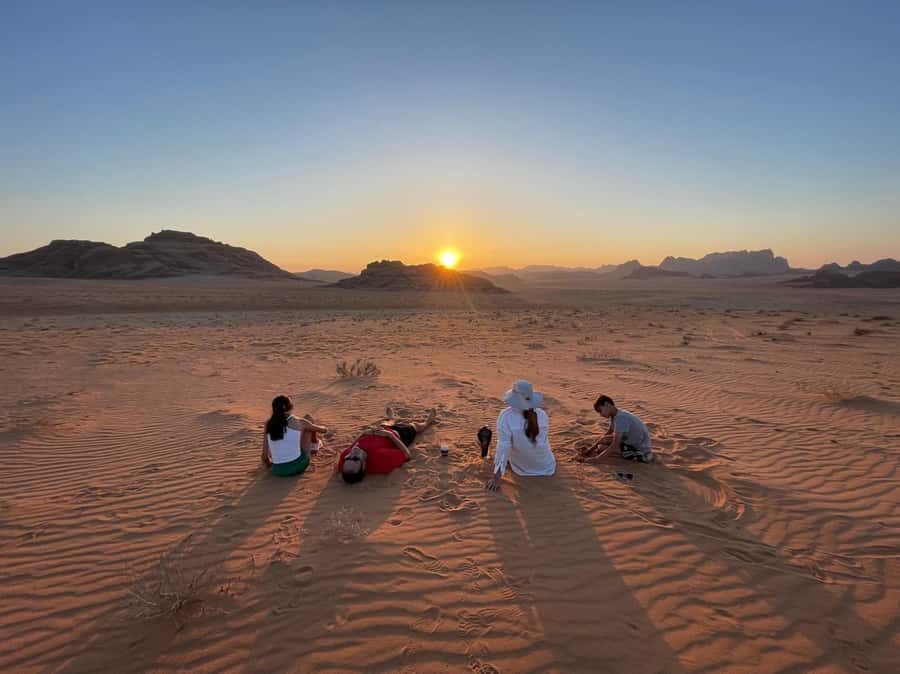
Wadi Rum is big, dramatic, and—if you don’t plan well—easy to experience from the edge of your seat. This tour’s smart because it’s built around a short, focused loop. You get enough time to see the main hits, but not so much time that you feel stuck in the car the whole day.
You’ll also notice the tour style is meant to feel like conversation, not a checklist. Your Bedouin guide tells the stories tied to each stop, and you’ll get a tea moment with local hospitality. In my book, that matters because Wadi Rum isn’t just scenery; it’s a living place with people who know every bend of the desert.
And yes, the desert can be windy. One of the reviews even warned to bring warm layers, which is good advice even if the day looks calm. The weather can make or break a short tour, and wind turns a “quick ride” into something you’ll remember—so come prepared.
You can also read our reviews of more evening experiences in Wadi Rum Village
Meeting in Wadi Rum Village: Find Odeh, Then Roll Out
Your start is the Coffee Shop in Wadi Rum Village, the first place you’ll see on your right as you enter. It sits next to a big parking lot, so you’re not left hunting around the desert for a mirage of a pickup truck.
If you can’t locate the host, the tour instructions say to ask a local for Odeh. That’s practical guidance, because in places like this, the name you’re looking for is often easier to find than the exact address.
This matters for two reasons. First, you’ll reduce stress before your tour begins (and less stress means you enjoy the ride more). Second, you’ll get the timing right for the best light at the dunes, especially on the sunset option.
How the Route Feels: Drop-Off Stops With Time to Actually Look
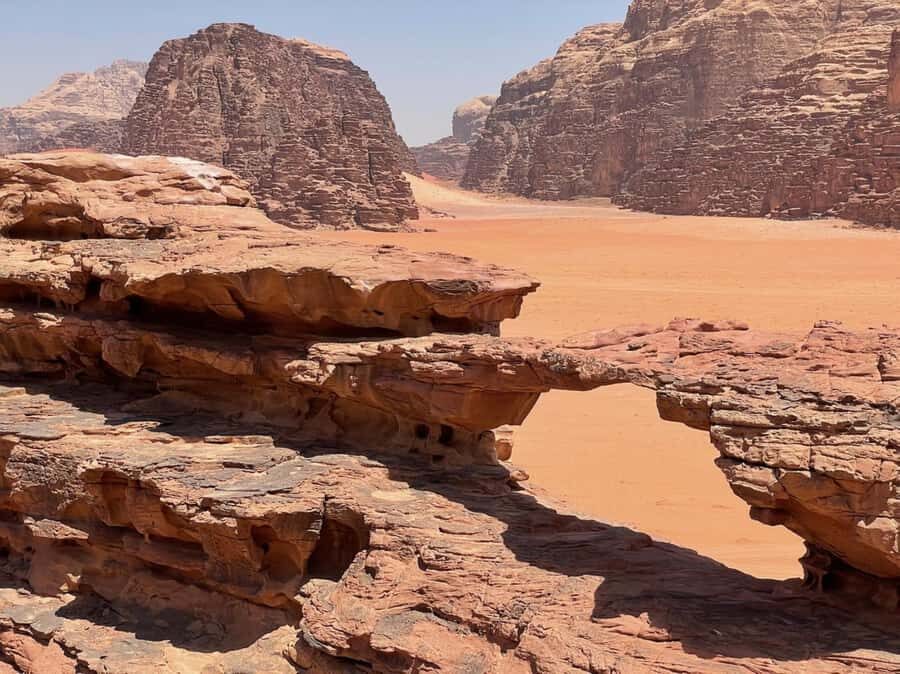
The tour is described as a small-group jeep safari, and the vibe from the feedback lines up with that. Instead of rushing past everything, the guides aim for a rhythm: drive, stop, walk or photograph, then move to the next point. That’s also why the tour can hit multiple iconic sights in just four hours.
One guide—Sabah—was called out for showing every wonderful corner of the desert and for never running out of stories. Another standout was Sultan, who gave enough time at each site and kept the tour smooth. Even if you don’t get the same personality as your guide, you can expect the same goal: you’re here to see things up close.
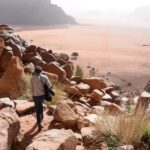
Just keep in mind that Wadi Rum is still Wadi Rum. Dirt, wind, and uneven ground can add friction. Comfortable shoes help here more than you might think, because you’ll likely step out and walk a bit at the stops.
Lawrence Spring: Camel Connections and a Famous Name
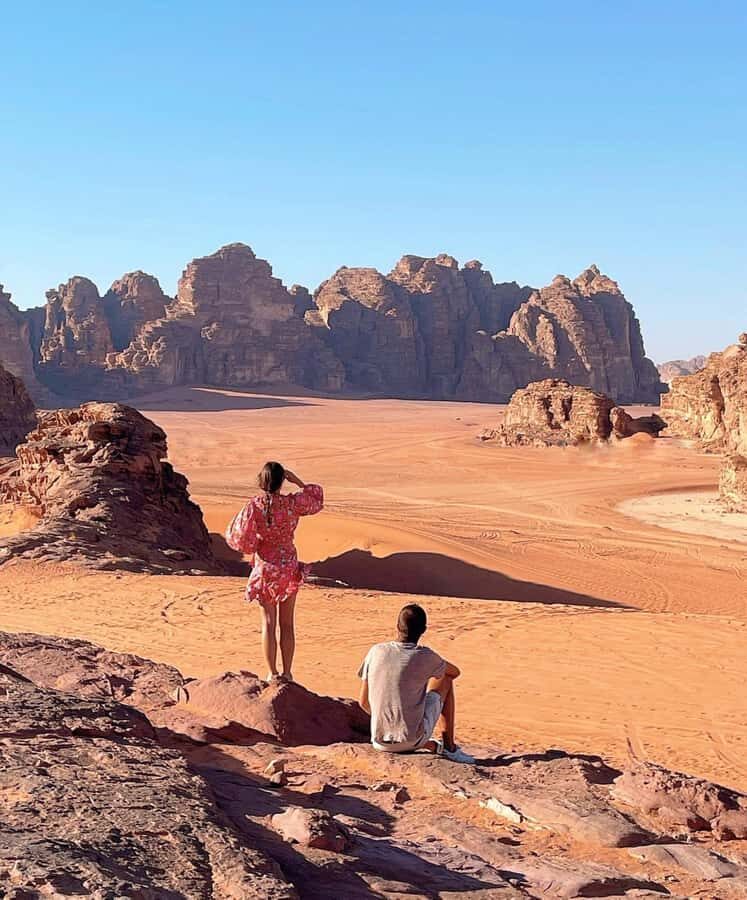
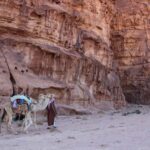
One of the most iconic stops is Lawrence Spring—named for Lawrence of Arabia. The key detail to know is that it’s associated with drinking camels, so you’re not just looking at a pretty water source. You’re seeing a spot that’s meaningful to how life moves through the desert.
When you arrive, slow down. Springs in desert regions often sit at the heart of routes people have used for generations. Your guide’s stories help you connect that geography with the human side of the place—why this point matters, who used it, and how the desert shaped those traditions.
This is also a good stop for photos that don’t look like generic “desert shots.” If camels are present, you’ll get scale and realism fast. Even without a big crowd, water points make the desert feel less empty and more alive.
Wadi Khazali Inscriptions: Ancient Marks You Can Read With Context
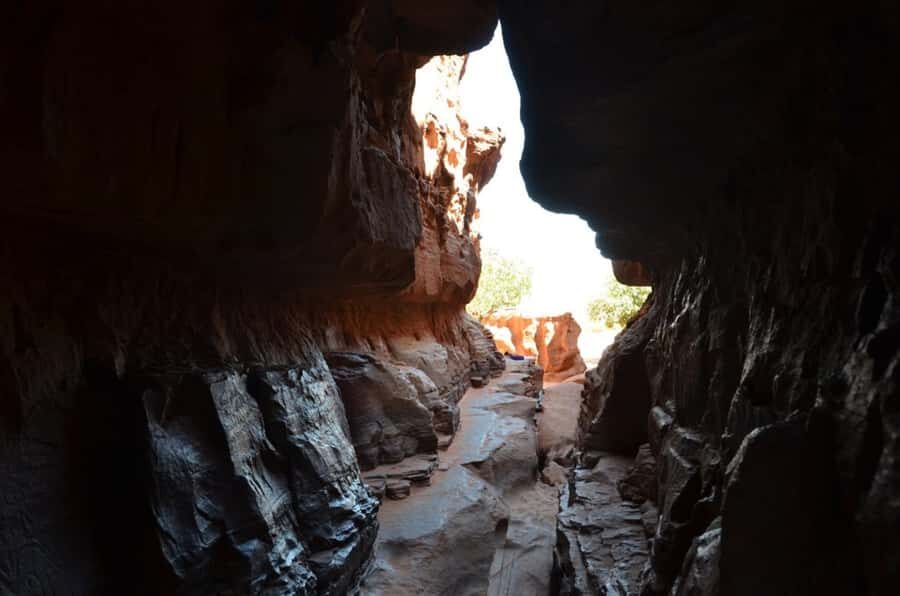
Another highlight is ancient inscriptions at Wadi Khazali. These are the kinds of things that can look like random scribbles if you’re just passing by. With a Bedouin guide’s explanation, they become evidence of older human presence—signs left behind by people who crossed and lived in this wider region long ago.
The best way to enjoy this stop is to treat it like a slow pause. Don’t rush to the next dune right away. Look carefully, listen to the story, then re-check the marks with the meaning in mind. That’s when it clicks.
A drawback to be aware of: inscriptions aren’t a “ride up, snap one photo, leave” stop. If you hate reading or you want zero walking, this might feel like less action than the dune viewpoints. Still, for most people, it’s one of the most memorable parts because it adds depth beyond the obvious colors and rocks.
A few more Wadi Rum Village tours and experiences worth a look
Red Sand Dunes: Panoramas and Optional Fun
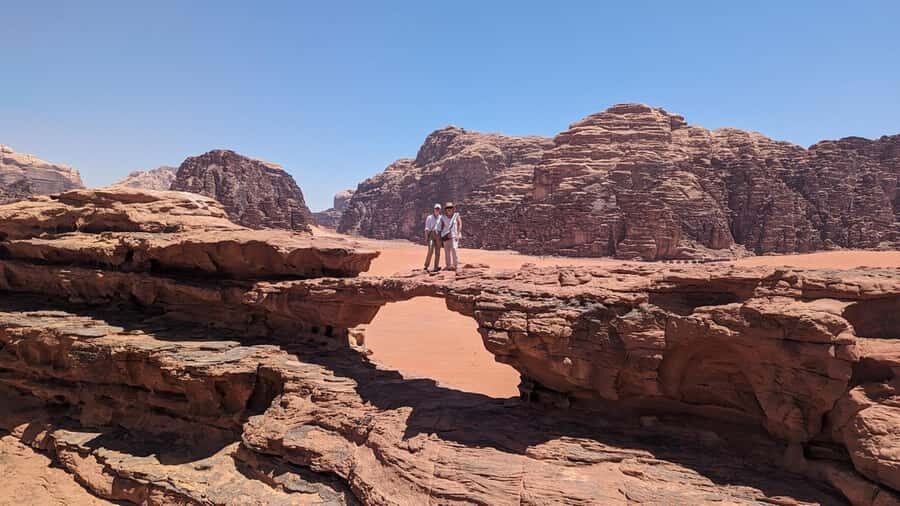
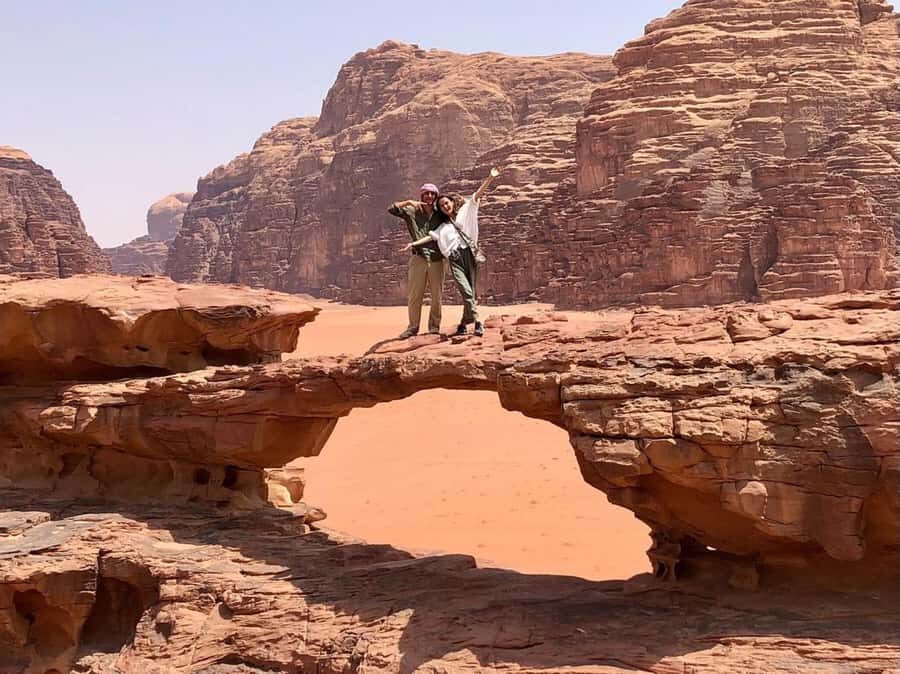
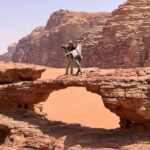
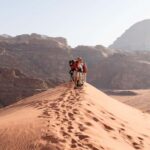
The tour wraps key views around red sand dunes, where the desert turns into a series of angles and soft shadows. This is your time for panoramic views and the photos you came for—especially if you’re doing the sunset version, when the sand warms and the scene gets more contrast.
One reviewer mentioned a canyon stop where they could walk or climb through, and at the end the guide had juice waiting. They also described an option for sandboarding down a dune. That kind of add-on is the sort of thing you’d only expect with a guide who knows the terrain and can judge timing and safety.
Two practical notes:
- Sandboarding and canyon walking are not guaranteed at every stop, but you might get a chance if conditions and the day’s route line up.
- Wear shoes you trust. Desert sand and uneven rock make flip-flops a bad idea, even if you only walk for a few minutes.
Bedouin Tea: A Culture Stop That’s Actually Part of the Tour
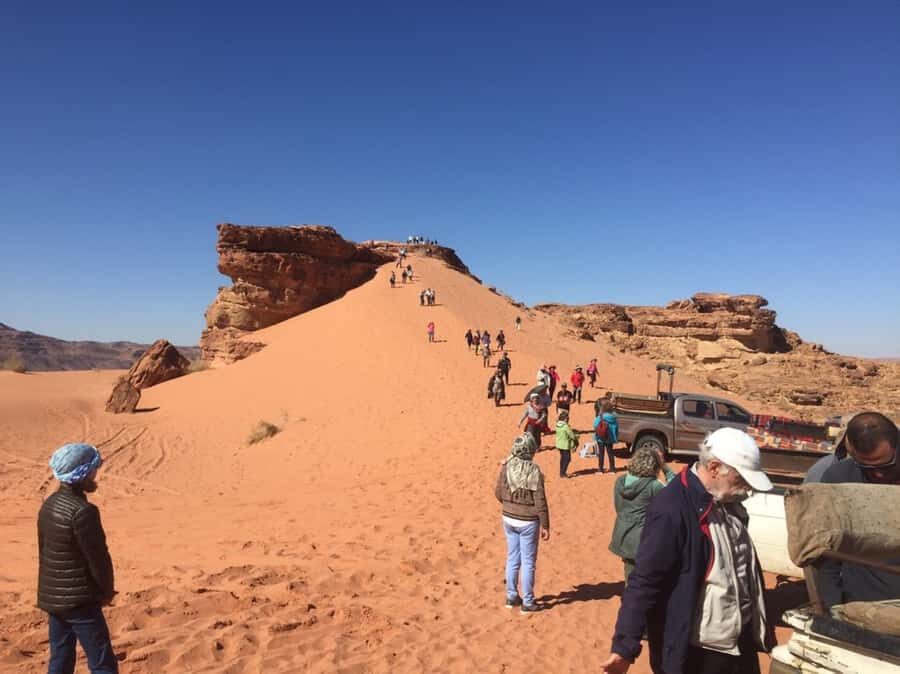
This tour includes Bedouin tea, and it’s not tacked on like a performance. The idea is you sit, drink tea, and hear stories from your local guide. It’s one of the best ways to understand Wadi Rum without turning the desert into a theme park.
Tea also gives you a natural break from the sun and wind. The included bottled water helps too, because even on shorter tours, dehydration can sneak up—especially when you’re walking a little and taking lots of photos.
When you meet Bedouin hospitality this way, the tour feels more grounded. You’re learning why specific sites matter, not just collecting pictures of places that look the same from a distance.
Jeep Comfort: The Small-Risk Reality You Should Plan For
Let’s be real: jeep safari comfort can be a mixed bag. One review was blunt about an older pickup truck—windows that didn’t close, doors that didn’t open well, a dirty interior, and breakdown concerns. The guide was still praised, but the vehicle was not.
At the same time, other reviews praised great guiding and smooth timing. So what should you do?
Plan for two things:
- You’re going to be in a desert vehicle on rough ground. Bring patience.
- If you’re the kind of person who can’t stand old cars or unpleasant interiors, message the provider ahead of time and ask what kind of jeep you’ll likely get.
You can’t erase that uncertainty entirely, but you can reduce the chances of being caught off guard.
What’s Included, What’s Extra, and Why That Matters
The tour includes:
- An experienced Bedouin guide
- Bottled water
- Bedouin tea
Not included:
- Entry to the Wadi Rum Protected Area for 7 JD
That 7 JD fee is small, but it’s still a key detail. If you don’t plan for it, you’ll lose time or energy right when you want to start enjoying the desert. I like that the tour is clear about this add-on, because it lets you budget like an adult instead of doing math on the roadside.
Value-wise, at $48 per person for four hours, you’re paying for guide time, jeep transport, and those included refreshments. In places like this, the biggest “value signal” is not just the price—it’s whether you get time at stops and a guide who can narrate the desert in a way that makes it make sense. The feedback points strongly in that direction.
Best Time to Go: Morning vs Sunset
You can book either morning or sunset. Your choice changes the feel of the dunes.
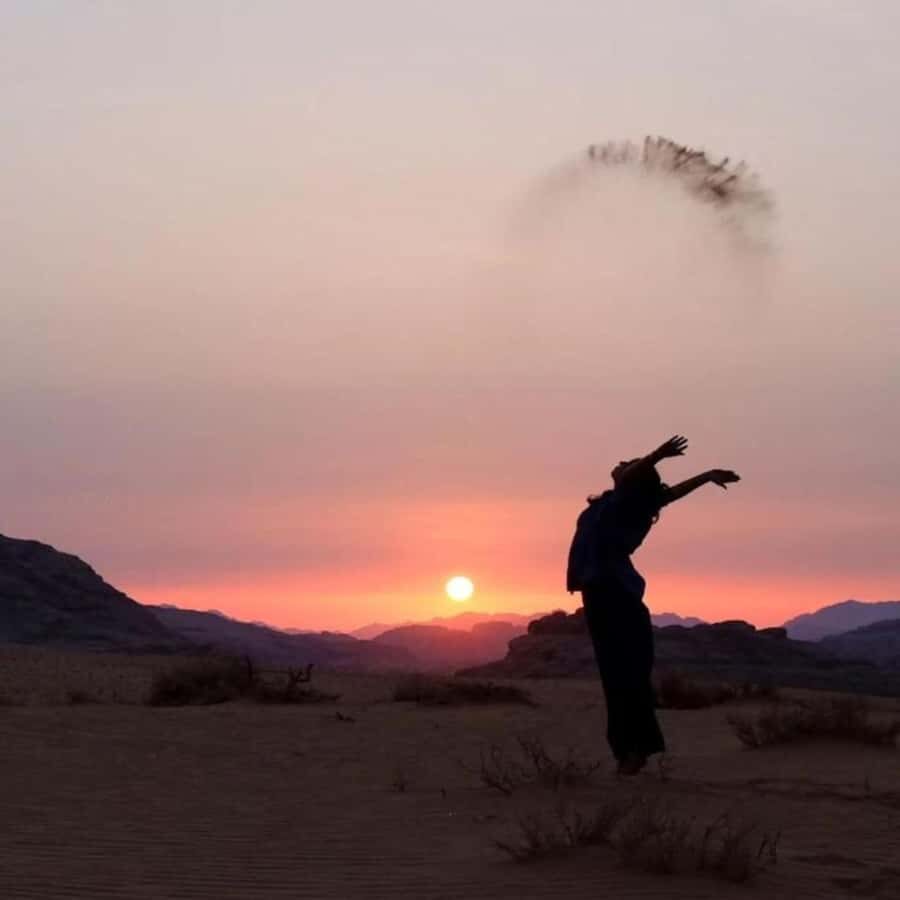
Morning tends to be easier for hiking and for walking stops like canyon segments, because the day starts cooler. Sunset brings the best lighting for sand colors and panoramic views. It’s also the moment when the desert looks most cinematic from a distance—golden tones, longer shadows, and fewer harsh highlights.
If you’re deciding between the two, pick based on your tolerance for temperature and wind. Either way, bring a warm layer. Even in short tours, that wind can flip the comfort level fast.
What to Pack (So You Actually Enjoy the Ride)
The instructions are simple: bring comfortable shoes and comfortable clothes. I’d add a few smart extras based on common desert realities implied by the ride conditions:
- A warm layer for wind (reviews specifically mention it can get windy)
- Something to protect you from dust when the jeep kicks up dirt
- Sunglasses and sunscreen, because you’ll be outside for the whole four hours
- A small water buffer isn’t required since bottled water is included, but it won’t hurt
Also note: nudity isn’t allowed. Keep swimwear out of the plan unless you’re sure about the local expectations for your specific stop.
Who This Tour Suits Best (and Who Should Rethink It)
This is a great fit if you want:
- The core Wadi Rum sights in a short window
- A small-group experience with a guide who tells stories
- Tea breaks and cultural moments, not just photos from a single pull-off
- Flexibility between nature and history, including inscriptions and springs
It’s not a great fit if:
- You have mobility impairments
- You’re using a wheelchair
- You’re over 75 (age limit applies)
- You get uncomfortable with older vehicles or rough-road conditions
If you’re in the “active but not hardcore” category—good shoes, a willingness to walk a bit at stops—you’ll likely have a very smooth time.
Should You Book This 4-Hour Jeep Safari in Wadi Rum?
I think you should book it if you want a smart first Wadi Rum experience: four hours, small-group pacing, classic stops like Lawrence Spring and the red sand dunes, plus Bedouin tea that makes the tour feel human.
I’d hesitate only if vehicle comfort is a top priority for you. One review showed how wrong an assigned jeep can go, even when the guide is good. If that’s your concern, ask about the jeep quality ahead of time and go in expecting bumpy desert travel.
If you’re flexible, this tour offers strong value for time. You’ll come away with the kind of Wadi Rum memories that aren’t just colors in a photo—they’re places tied to stories, routes, and local knowledge.
FAQ
How long is the Wadi Rum jeep tour?
It’s a 4-hour tour.
Where do I meet for the tour?
Meet at the Coffee Shop in Wadi Rum Village. It’s the first place on your right when you enter the village, next to a big parking lot. Odeh should be there.
Is entry to the Wadi Rum Protected Area included?
No. Entry to the Wadi Rum Protected Area costs 7 JD and is not included.
What’s included in the price?
The tour includes an experienced Bedouin guide, bottled water, and Bedouin tea.
What language is the tour offered in?
The tour language is English.
What should I bring?
Wear comfortable shoes and comfortable clothes.
Is sandboarding included?
Sandboarding isn’t listed as a standard included item, but one guide added an option for sandboarding at a dune stop.
Is this tour suitable for people with mobility issues or wheelchairs?
No. It’s not suitable for people with mobility impairments or wheelchair users, and it’s not suitable for people over 75 years.