REVIEW · AMMAN
The Ultimate Jordan Experience – 8 Full Days Private Tour
Book on Viator →Operated by My Fairy Trail · Bookable on Viator
Jordan is a small country with huge variety. This private 8-day loop strings together Petra, Wadi Rum, and the Dead Sea with private transport and a driver who keeps things moving. Two things I really like are how much ground you cover without the hassle of planning every leg, and the extra time you get for major sights like Petra and Wadi Rum. The main thing to keep in mind is that entrance fees and some optional activities aren’t included, so you’ll want to budget for that.
You start in Amman, then work your way through Roman ruins, crusader castles, desert scenery, and wildlife areas. Along the way, you get a licensed guide for Petra and a sunset jeep safari in Wadi Rum, which is the kind of experience that usually costs extra when you travel on your own. My only caution: the schedule is packed, and long travel days mean you’ll want to stay flexible and pace your energy.
If you want Jordan’s top hits in one focused trip, this format makes a lot of sense. It’s also a strong choice if you prefer a personalized itinerary over a big group tour. Just remember: the big ticket value here is organization plus logistics, not an all-fees-included ticket.
In This Review
- Key highlights worth your attention
- Amman in a Day: King Abdullah Mosque, Citadel, Roman Theatre, and Jordan Museum
- Jerash and Ajloun Castle plus the Al Ma’wa wildlife sanctuary
- Dead Sea float, Mt. Nebo viewpoints, and Madaba’s mosaic streets
- Karak and Shobak desert castles with Wadi Dana and Mujib Dam stops
- Petra with a licensed local guide, then overnight in Aqaba
- Sunset jeep safari in Wadi Rum and the protected-area timing
- Back to Amman: noon return plus optional desert activities
- Shaumari and Azraq wildlife, plus Umayyad desert castles
- Price and what you actually get for $1,260 per person
- Who this private Jordan tour is best for (and when it isn’t)
- Practical tips: what to pack and how to stay comfortable
- Should you book the Ultimate Jordan Experience Private Tour?
- FAQ
- How long is the Ultimate Jordan Experience private tour?
- Is this tour private or shared?
- What’s included in the price?
- Are entrance fees included?
- Is a Petra guide included?
- What’s included in Wadi Rum?
- Can I cancel for a full refund?
Key highlights worth your attention
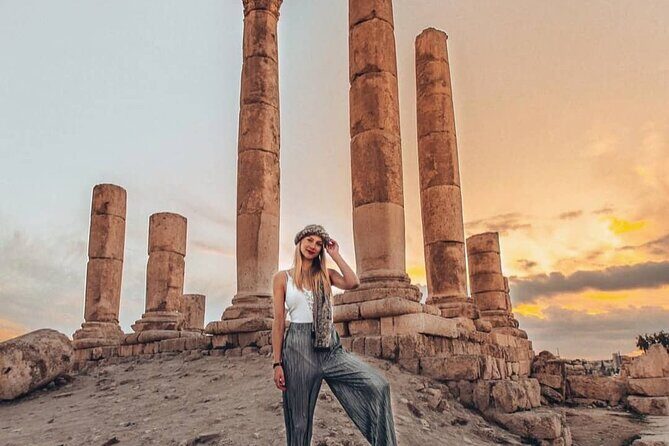
- Petra with a licensed local guide so you spend your time looking at the right details
- Wadi Rum at sunset with a 2-hour jeep safari in the protected area
- 7 nights of accommodation plus 6 breakfasts and selected lunches/dinners
- Wildlife-focused day in Shaumari and Azraq with a mix of safari-style and walk-and-watch time
- Desert castle stops such as Qasr al-Harraneh (UNESCO) and Qasr Al-Harranah
- Diya and Yousuf-style support highlighted in customer feedback, focused on responsiveness and safe driving
Amman in a Day: King Abdullah Mosque, Citadel, Roman Theatre, and Jordan Museum
Day 1 keeps it high-energy but not overwhelming. You begin at the King Abdullah Mosque, often called the Blue Mosque for its cobalt-toned mosaic work. The dome is capped by blue mosaic artistry built between 1982 and 1989, and the prayer space can hold up to 3,000 worshipers. Dress matters here: men need long trousers, and women need head covering plus covering for arms and legs.
Next up is the Citadel, a hilltop site where layers of civilizations overlap. You’ll see major landmarks tied to Roman, Byzantine, and Umayyad periods, including the Temple of Hercules, a Byzantine church, and the Umayyad Palace. It’s also a working archaeological site, with excavations ongoing since the 1920s by multiple European and Jordanian projects, and not everything is fully uncovered yet.
A short stop brings you to the Roman Theatre, designed for around 5,000 spectators. What I like is that it’s not just ruins behind a fence—the theatre is still used today for performances and entertainment. Then you wrap the city day at the Jordan Museum in the downtown Ras al-‘Ayn area, which focuses on Jordan’s cultural heritage through well-organized galleries rather than random artifacts.
Practical note: Amman is easiest when you dress for comfort and build in shade breaks, especially on hot days. Also, plan on entrance fees being extra for most archaeological and museum stops.
You can also read our reviews of more private tours in Amman
Jerash and Ajloun Castle plus the Al Ma’wa wildlife sanctuary
Day 2 is built around three different “Jordan stories”: Roman imperial grandeur, medieval defense, and modern wildlife protection.
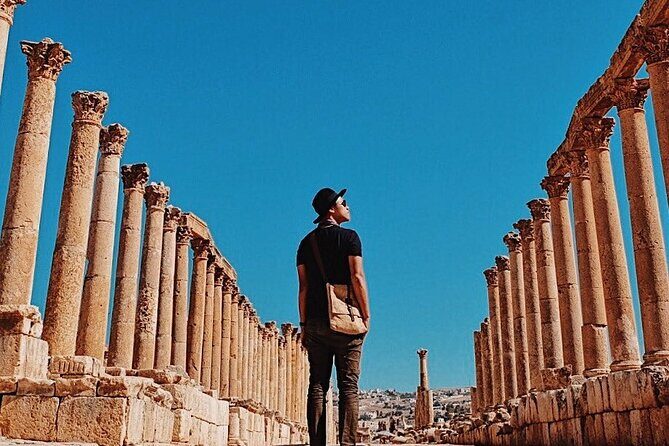
First, you go to the Jerash ruins, one of Jordan’s best-preserved Roman cities. Expect monumental ceremonial gates, long colonnaded avenues, and a mix of temples and theatres. The exposed layout can feel harsh in warm weather, so this is where you’ll want a hat and sunscreen. Plan for a solid block of time on foot, not a quick photo-and-go.
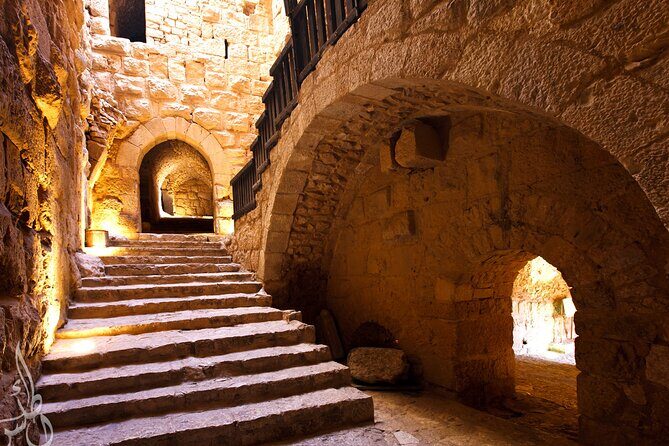
After Jerash, the trip shifts to Ajloun Castle, built in the late 12th century (1184 to 1188) by Saladin’s general ‘Izz ad Din Usama bin Munqidh. The castle sits on Mt ‘Auf, and the payoff is the view: you get Jordan Valley scenery and a sense of the wadis that fed into it. This place is also about strategy—part of a defensive chain against the crusaders, with a counterpart in the region.
Then comes the wild card (in a good way): Al Ma’wa for Nature and Wildlife. This center is supported by the Princess Alia Foundation and Four Paws and covers 140 hectares, with 75 hectares set up for enclosures. You can see that the goal isn’t entertainment—it’s shelter and care for animals, including lions, tigers, and bears (African lions, Bengali tigers, Syrian brown bears, and Asian black bears). It’s also a reminder that Jordan sits on routes that can attract illegal wildlife trafficking, so protection and enforcement matter.
If wildlife is on your wish list, this day gives you more than a quick stop. You’ll get a guided understanding of the center’s mission, and it changes the tone of the trip from stone-and-stories to living ecosystems.
Dead Sea float, Mt. Nebo viewpoints, and Madaba’s mosaic streets

Day 3 gives you a classic Jordan rhythm: one physical experience, one biblical viewpoint, and one artistic town.
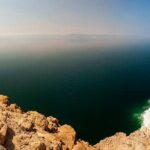
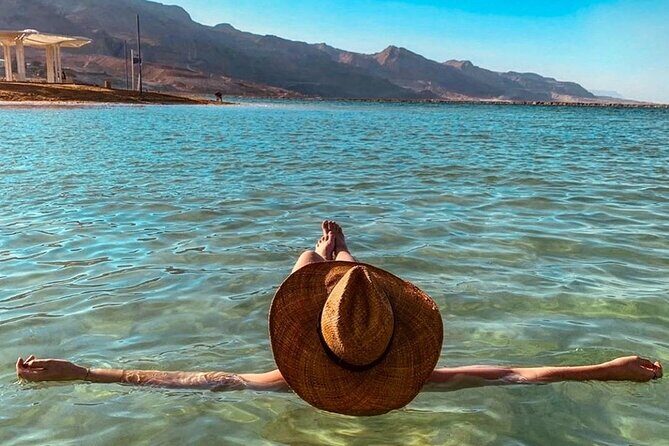
You start at the Dead Sea region, where you can float in hypersaline water and feel how different it is from any normal swim. The Dead Sea sits about 428 meters below sea level, and its saltiness helps you float. There’s also a long-running cosmetics connection—salt and minerals from the lake show up in products worldwide. The big practical detail: you’ll need to use a private beach for access to facilities like toilets and showers, and entrance fees start from 25 JD per person.
Next is Mount Nebo, a ridge tied to Moses’ view of the Promised Land in the Hebrew Bible. At about 817 meters above sea level, it’s all about the panorama. On clear days, you can see the Jordan Valley, Jericho, and even Jerusalem farther north. There’s time for lunch too, including a Lebanese style restaurant right in the area.
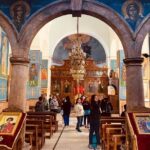
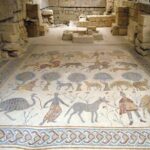
Then you roll into Madaba, famous for Byzantine mosaics. Madaba is small and easy to walk, with historic churches and ruins sprinkled among active shops and marketplaces. One of the nice things here is the day-to-day feel: it’s a working town, not just a museum set. Madaba is also home to a large Christian community and is known for community harmony between Muslim, Catholic, and Greek Orthodox residents. Food options are varied, from casual bites to a couple of nicer places.
This day works especially well if you like your vacation split between body-and-senses (Dead Sea), perspective (Mt. Nebo), and detail (mosaics in town).
Karak and Shobak desert castles with Wadi Dana and Mujib Dam stops
Day 4 is the “big views and hard history” day. You’ll see crusader-era fortresses in remote terrain, plus nature reserve scenery and a dam viewpoint stop.
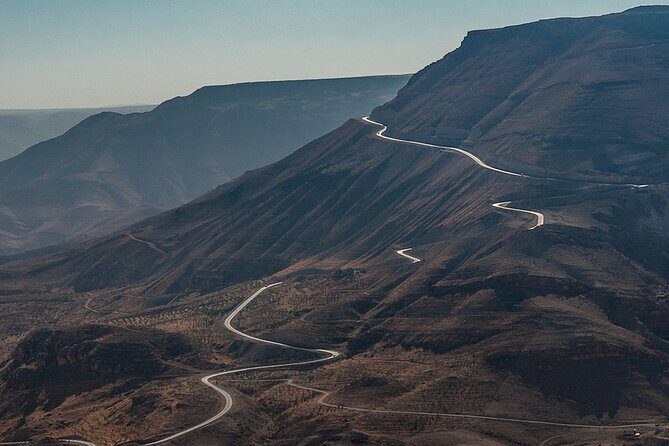
You start with a quick stop at a viewpoint connected to Mujib Dam. The dam is mainly used for irrigation, and the stop is about understanding how water management shapes the region. From there, you head to Karak Castle, a crusader stronghold from the 12th century, described as one of the largest in the Levant. It’s a fortress setting, so expect a lot of open, windy sightlines and a strong sense of how controlling height mattered.
From Karak you continue to Shobak Castle, built in 1115 under King Baldwin. Shobak feels more “out there” than many sites, which is part of why it sticks in your memory. In the castle grounds, you can explore churches and historic ruins, plus a secret passageway that leads to a spring. You’ll also see a watchtower and other features such as catacombs and carvings in both Christian and Islamic styles.
Sandwiched into the day is a stop in the Feynan area near Tafilah, positioned on the edge of Wadi Dana and with views over Wadi Araba. This is close to the Dana Biosphere Reserve, one of Jordan’s premier nature reserves with ecotourism facilities. Even if you don’t spend a full day deep in the reserve, this stop helps you understand why people visit Jordan for more than archaeology.
The only drawback to note: this is a long driving day with multiple stops. Build in hydration and don’t try to see everything at max speed. The payoff is in letting the castles and valleys slow your pace.
Petra with a licensed local guide, then overnight in Aqaba
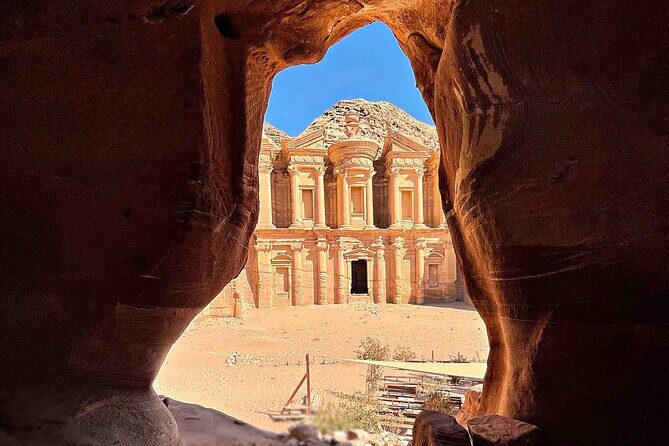
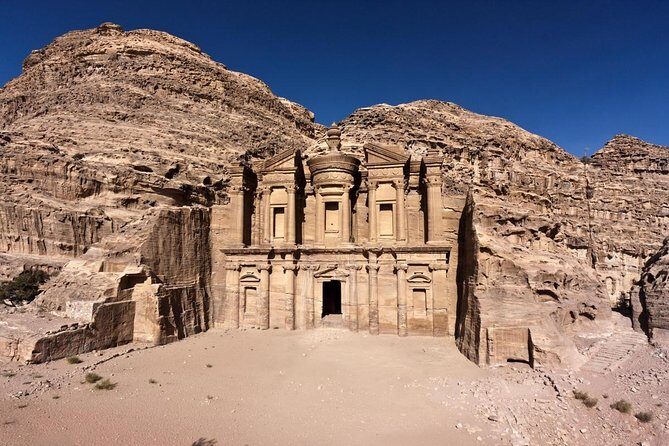
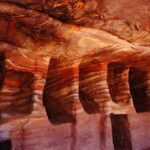
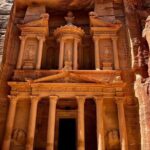
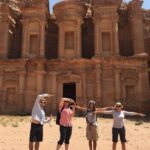
Day 5 is Petra day, and the plan includes a licensed local guide. That matters. Petra is huge, and a guide helps you focus on what’s meaningful—architecture, water collection systems, and the way the Nabataeans used the landscape.
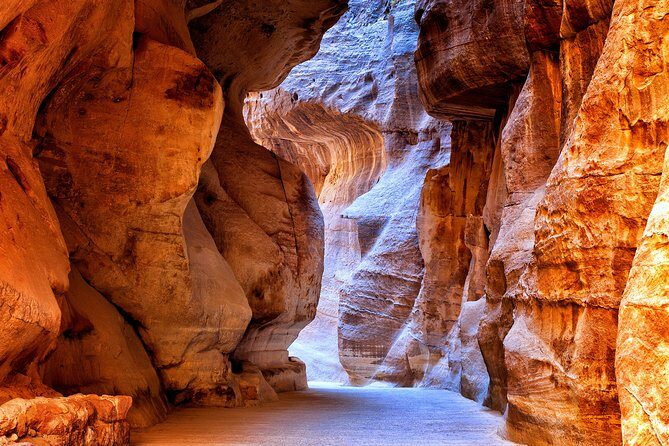
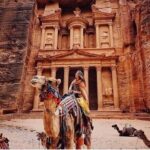
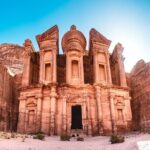
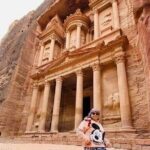
You approach Petra by taking an easy 1 km path through steep rock cliffs. The moment you enter the carved city is usually the emotional peak of many trips: you’ll see tombs carved in relief out of the rock face, plus a Roman-style amphitheatre, a Nabataean monastery, and the intricately detailed Treasury. The suggestion is to wear comfortable shoes, bring a hat, and carry plenty of drinking water.
Plan your mindset for walking. Even when parts are “easy,” Petra is still uneven terrain and long stretches of stone. If you pace yourself, you’ll enjoy the details more instead of just chasing the next highlight.
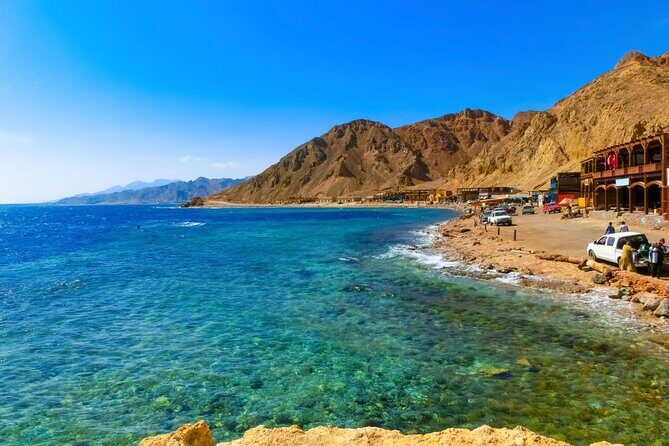
After Petra, you head to Aqaba for an overnight. Aqaba is a calmer beach city, and that night is useful because it softens the pace after Petra’s intensity. It also sets you up well for the desert day that follows.
Sunset jeep safari in Wadi Rum and the protected-area timing
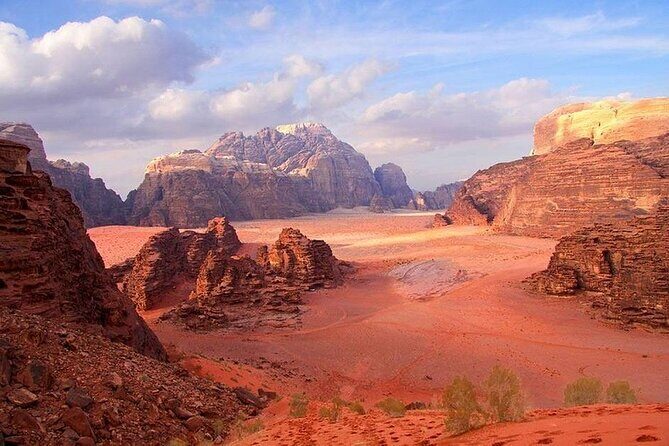
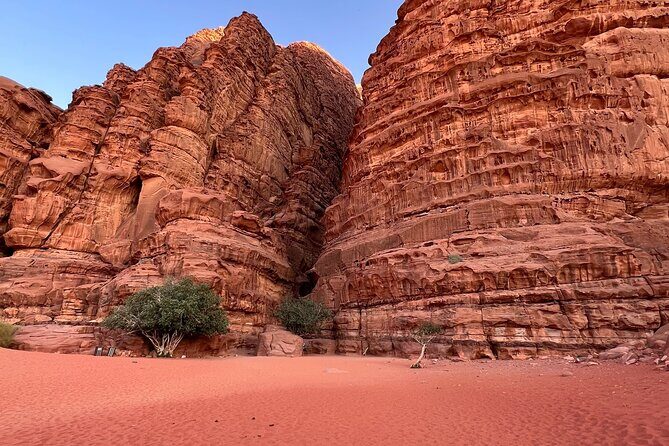
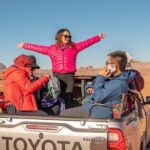
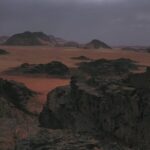
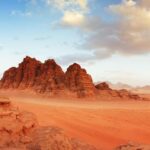
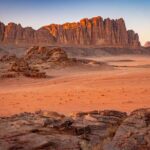
Day 6 is all about Wadi Rum. You transfer to the Wadi Rum protected area in the afternoon so you can reach before sunset time. The included 2-hour sunset jeep safari is timed for the light change that makes the desert look different minute to minute.
This is where your trip shifts from “sites” to “movement.” Instead of walking stone corridors, you’re riding across desert terrain and getting a wider sense of scale. Jeep time is also helpful if you want the experience without spending all day hiking.
Practical advice: layers help in the desert, even if the daytime feels warm. Also, use that 2-hour window intentionally—have your camera ready early, but don’t spend the entire ride filming. Some of the best desert moments are the ones you simply watch.
Back to Amman: noon return plus optional desert activities
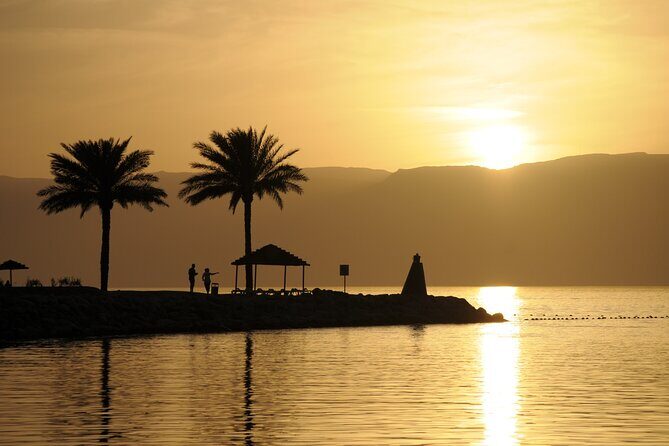
Day 7 brings you back to Amman by noon, with a half-day free period in or near desert areas. This is one of the more flexible parts of the tour. On request (with extra fees), the operator can arrange special activities such as a hike to a viewpoint mountain, a horse ride, a camel ride, a 4-hour jeep tour, or a self walk at cooler canyon areas.
What I like about giving you this block is that it lets you recover from the heavier travel days without turning the day into dead time. If you’re feeling energetic, you can add one extra adventure. If you’re tired, you can just slow down and enjoy the country at a more human pace.
A small consideration: these add-on activities cost extra, so if you want the “free time” to stay truly budget-friendly, you’ll want to choose one optional item or none.
Shaumari and Azraq wildlife, plus Umayyad desert castles
Day 8 is your final nature-and-desert-castles finale.
First is Shaumari Nature Reserve, a protected area that originally served as a breeding center for endangered or locally extinct wildlife. Today, with breeding programs supported by larger wildlife parks and zoos, it’s a working conservation site over about 22 square kilometres. Expect to see animals such as oryx, ostriches, onagers (Asian wild ass), and gazelles. The reserve offers a jeep safari option for close encounters, but that specific jeep safari tour isn’t included in the main package.
Next comes Azraq Wetland Reserve, an oasis for migratory birds. Azraq was established in 1978 and covers about 12 square kilometres. You’ll enjoy a walk along the marsh trail, including a boardwalk through dry and wet areas to a viewing platform. The trail crosses an ancient black basalt wall, likely connected to an Umayyad Caliph, and ends at a bird hide built with local mud and straw for quieter observation.
Finally, you visit desert castles tied to Umayyad-era architecture. You’ll have time at Qasr al-Harraneh (UNESCO), an exceptionally well-preserved desert castle built in the early 8th century. It served as both a fortress with garrison and as a residence for Umayyad caliphs. Two highlights here are the reception hall and the hammam, with richly decorated figurative murals.
Then there’s Qasr Al-Harranah (often associated as one of the best-known desert castles in eastern Jordan). It’s about 60 kilometres east of Amman and relatively close to the border with Saudi Arabia. Its purpose is unclear today, and the “castle” label can be misleading since the internal layout doesn’t scream military use. You’ll also notice features like wall slits, but their exact original function is debated.
Day 8 feels like the full circle of Jordan: wildlife, water, and then the human-built stories left in stone.
Price and what you actually get for $1,260 per person
At $1,260 per person, the question isn’t whether this is a bargain. The question is whether it saves you the stuff that usually costs time and stress.
Here’s what you’re paying for: private transportation, an English speaking driver, 7 nights of accommodation, and a big set of included meals (6 breakfasts plus some lunches and dinners). You also get two “money-makers” that are hard to replicate cheaply: a sunset jeep safari in Wadi Rum and a licensed local guide in Petra. For many people, that’s the real value—the trip becomes about seeing Jordan instead of coordinating logistics.
What’s not included is equally important. Entrance fees for sites and activities aren’t included, and you’ll likely spend extra on things like the Dead Sea private beach fee and optional activities (like the jeep safari in Shaumari). The operator recommends using the Jordan Pass to help manage site entry costs.
Overall, I’d call this good value if you want a high-coverage route with private control. If you’re comfortable hiring drivers yourself, building your own day-by-day schedule, and paying for separate guided experiences, you might do cheaper. But cheap usually comes with more decisions and more risk of wasted time.
Who this private Jordan tour is best for (and when it isn’t)
This tour fits best if you:
- Want major highlights like Petra and Wadi Rum without switching companies or planning every day from scratch
- Prefer traveling with a private vehicle and driver, which makes pacing easier
- Like a mix of history, nature, and wildlife in one trip
- Appreciate having a licensed guide in Petra rather than trying to wing it
It may not be ideal if you:
- Hate tight day schedules or long drives
- Want every entrance fee included up front
- Are trying to keep all optional activities at zero cost
There’s also a basic cultural consideration you should plan for: dress modestly for sites like the King Abdullah Mosque, and pack for hot sun at exposed ruins like Jerash.
Practical tips: what to pack and how to stay comfortable
Pack like you’re visiting a place where sun and stone both win.
Bring:
- Comfortable walking shoes (Petra and Jerash are not made for fragile soles)
- A hat and sunglasses for exposed ruins and desert areas
- Sunscreen and a refillable water bottle
- Modest clothing layers for religious sites (long trousers for men; head covering and full coverage for women)
For specific moments:
- At the Dead Sea, plan on using a private beach for facilities and expect the entrance fee to be extra.
- In Wadi Rum, consider a light layer for cooler desert evenings even if daytime is warm.
- For optional rides (camel or horse if you choose them), ask for guidance on what’s safe and comfortable for your comfort level.
If you follow those basics, you’ll spend more energy on enjoying Jordan and less energy on dealing with discomfort.
Should you book the Ultimate Jordan Experience Private Tour?
If your goal is a focused, high-coverage Jordan trip with private logistics, this is a strong yes. You get the country’s biggest draws—Amman history, Jerash, Dead Sea floating, Petra with a licensed guide, a Wadi Rum sunset jeep safari, and final nature-and-castle days—without you having to stitch everything together yourself.
I’d skip it or at least rethink if you’re on a shoestring and hate any “extra fees” surprises, because entrance tickets and some add-ons can add up. But if you want control, safety, and smooth pacing, this kind of private 8-day route is one of the most practical ways to see Jordan well.
FAQ
How long is the Ultimate Jordan Experience private tour?
It’s about 8 days, starting at 8:00 am in Amman, Jordan, and ending back at the meeting point.
Is this tour private or shared?
It’s a private tour/activity, so only your group participates.
What’s included in the price?
The tour includes 7 nights of accommodation, 6 breakfasts, some lunches and dinners, private transportation, an English speaking driver, a licensed local guide in Petra, and a 2-hour sunset safari desert tour in Wadi Rum.
Are entrance fees included?
No. Entrance fees for sites and activities are not included, and the operator recommends buying the Jordan Pass.
Is a Petra guide included?
Yes. Petra is covered with a licensed local guide.
What’s included in Wadi Rum?
You get a sunset jeep safari desert tour in Wadi Rum for about 2 hours.
Can I cancel for a full refund?
Yes. You can cancel up to 24 hours in advance for a full refund.