REVIEW · MADABA
Jordan Mosaic Wonders: Umm ar-Rasas, Madaba & Mount Nebo
Book on GetYourGuide →Operated by Jordan Gems Tours · Bookable on GetYourGuide
Mosaics can make a day feel timeless. This small-group trip strings together UNESCO ruins, city mosaics, big viewpoints, and then ends with a hands-on workshop where you can take something home.
I love the chance to walk around Umm al-Rasas and see how the stone floors still tell stories. I also like Madaba’s Mosaic Map, because it turns a bunch of place names into a map you can actually visualize.
The only real consideration is logistics: you’ll do a moderate amount of walking, and Mount Nebo can feel hot and bright—so bring the sun gear and wear proper shoes.
In This Review
- Key highlights you’ll care about
- Why this mosaic day trip feels like a win from Amman
- Umm al-Rasas: UNESCO mosaics you can walk through
- Church of the Apostles: mosaics inside a worship space
- Madaba’s Mosaic Map: why this city stop is more than a quick photo
- Khirbet Lumakheet: quieter ruins with strong mosaic details
- Mount Nebo: panoramic views that make the drive worth it
- The hands-on mosaic workshop: make something, not just buy a souvenir
- Transportation, comfort, and how the small group changes the day
- Price and budget reality: what $71 covers and what you should plan for
- Who this tour suits best
- Should you book Jordan Gems Tours for this mosaic day?
- FAQ
- How long is the Jordan Mosaic Wonders trip?
- Where does the tour pick up in Amman?
- What’s included in the price?
- What’s not included?
- Is the tour wheelchair accessible?
- How many people are in the group?
- Can I cancel or pay later?
Key highlights you’ll care about
- Small group size (max 3): more space for questions and slower time at the mosaics
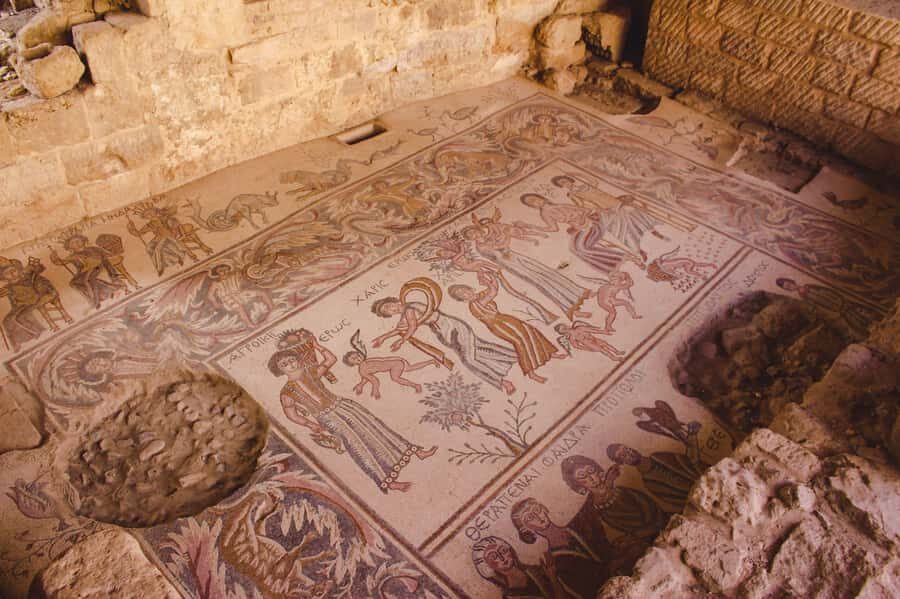
- Umm al-Rasas UNESCO site: major ancient mosaic floors in an outdoor setting
- Madaba’s Mosaic Map: a practical way to connect sites with their location
- Mount Nebo viewpoints: Jordan Valley, Dead Sea, and Jerusalem on clearer days
- A real mosaic workshop: watch the process, then make your own souvenir
- Driver flexibility: your English-speaking driver may add extra mosaic stops if your focus is mosaics
Why this mosaic day trip feels like a win from Amman
This is one of those day trips where the “value” isn’t just price—it’s how efficiently it packages a lot of wow per hour. You’re picked up in Amman, carried in an air-conditioned vehicle, and kept comfortable with onboard Wi‑Fi and water. That matters because you’re spending a full day on the go, not just hopping between monuments.
At $71 per person, the base tour covers transportation and your English-speaking driver. What it doesn’t cover is the stuff that often adds up on site—entry tickets, any guides you might want separately, and food. So I’d think of this as a well-priced structure that keeps you focused on the mosaics and viewpoints, while you budget a little extra for meals and entrance fees.
I also like that the group is limited to three participants. That’s the sweet spot for a day like this: you don’t feel herded, and your driver can actually tailor stops. In the experience I heard about, drivers like Amer and Mohammad Ghaith were friendly and proactive with explanations. Even better, if you’re especially mosaic-focused, some drivers may adjust the route to include extra mosaic churches and sites not in the standard plan.
You can also read our reviews of more tours and experiences in Madaba.

Umm al-Rasas: UNESCO mosaics you can walk through
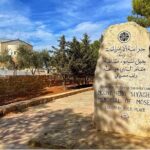
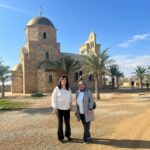
Umm ar-Rasas is the anchor stop for a reason. This is a UNESCO World Heritage site where you walk among ancient ruins and mosaic floors that have survived for centuries. What I like about this kind of place is that you’re not just looking at a panel behind glass. You’re getting the full effect of scale—how patterns spread across the ground and how the designs would have worked for people moving through the space back then.
You’ll want to take your time here. The mosaics reward slow looking: zoom out to see the overall layout, then zoom in for the repeating shapes and scenes. Your camera will come out, but I’d also give your eyes a chance to adjust so you can read the design instead of just snapping photos.
Practical note: because it’s an archaeological site, you’ll benefit from comfortable, supportive shoes. This is not a flip-flop day. A hat also helps, because even if there are some shaded sections, the open-air mosaics mean you’re exposed to sun when you step between areas.
Church of the Apostles: mosaics inside a worship space
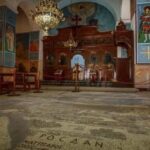
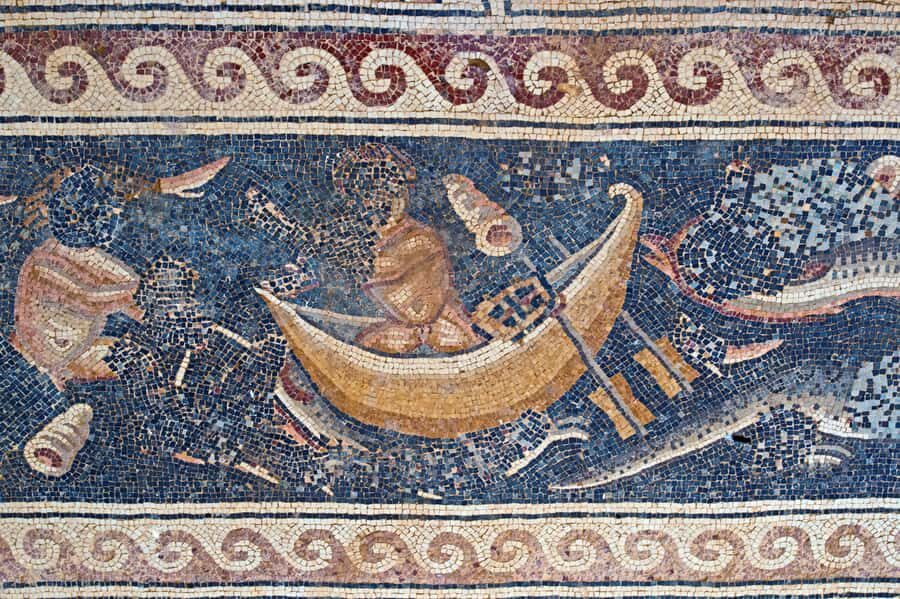
After Umm al-Rasas, you’ll head to the Church of the Apostles, where mosaic art continues the theme—more scenes, more careful craftsmanship, and a different feel than the outdoor ruins. Churches like this often make the mosaics feel more intimate. The designs are right where people would have stood and moved, and the space can make the storytelling feel closer.
This is also a good stop for photos, but I’d treat it like a respectful visit first. You’ll likely have enough time to walk around and get your bearings, then focus on the mosaic sections that catch your attention.
One helpful thing I learned from the guide behavior I heard about: drivers who know you care about mosaics can give extra context as you go. Amer and Mohammad-style explanations were praised for making the day more than just a checklist—hearing how mosaics relate to geography and faith helps you notice things you’d otherwise miss.
Madaba’s Mosaic Map: why this city stop is more than a quick photo
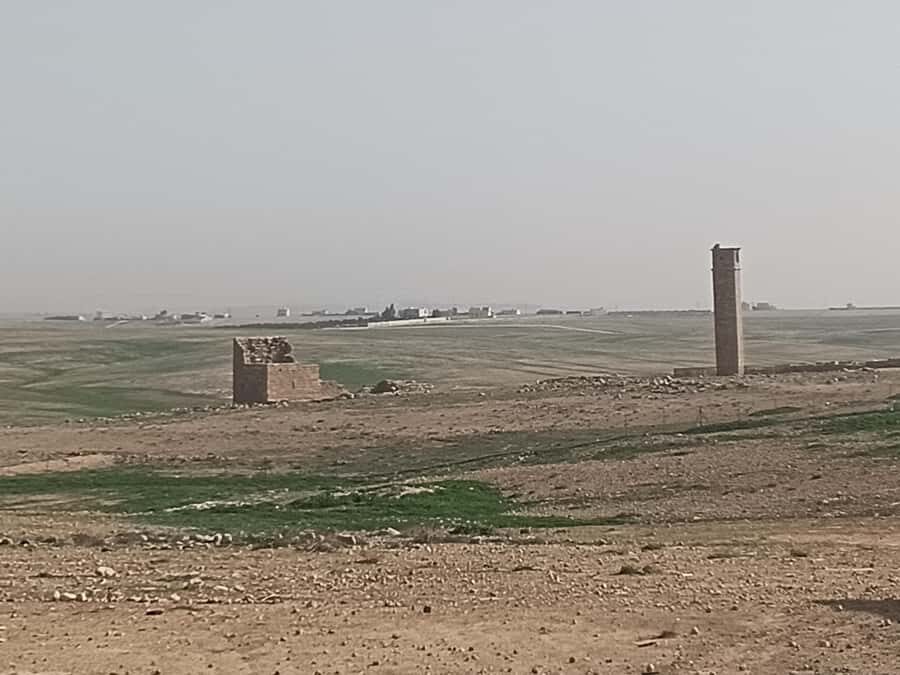
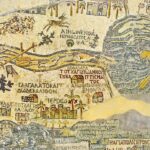
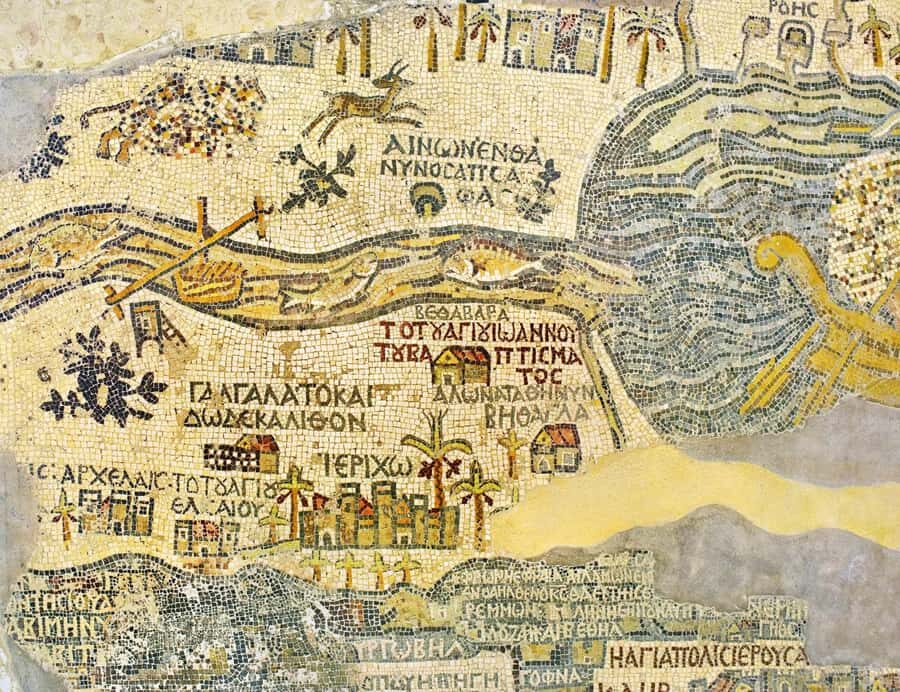
Madaba is famous as the City of Mosaics, and for good reason. Even if your time here is shorter than the bigger ruin sites, Madaba can be a turning point because the Mosaic Map helps you connect places.
When you see the Mosaic Map, it stops being abstract. You start thinking about where cities sit relative to each other and why certain areas mattered. It’s one of the few mosaic experiences where the art directly supports your understanding of the region, not just its aesthetics.
Because Madaba is known for mosaics, it also sets the tone for the rest of the day. If you’ve spent time learning by looking at floors and church scenes, the Map acts like a guide for your brain.
Timing consideration: you won’t have hours to wander the city. If you want a long break for lunch or shopping, plan to do that on your own before or after the tour, not during the fixed stops.
Khirbet Lumakheet: quieter ruins with strong mosaic details
Khirbet Lumakheet is a more archaeological-feeling stop—less of a big-ticket set piece, more of a place where you slow down and look carefully. The mosaics here (and the overall site) can feel like you’ve stepped into a calmer pocket of the day before the big viewpoints at Mount Nebo.
What I like about this phase is the pacing. After the larger known sites, Khirbet Lumakheet gives you a chance to notice how designs are preserved and how patterns might be fragmentary in spots. That can be surprisingly educational: you learn how mosaics survive, what restoration looks like, and why sometimes a partial scene still matters.
If you like mosaics, this is the moment to ask your driver questions. The best days are the ones where the explanation helps you look more sharply. In the experience I heard described, Mohammad Ghaith didn’t just drive—he added extra sites once he understood the passenger’s mosaic interest. That same attention is the difference between seeing and really understanding.
Mount Nebo: panoramic views that make the drive worth it
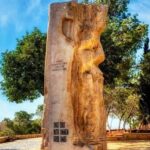
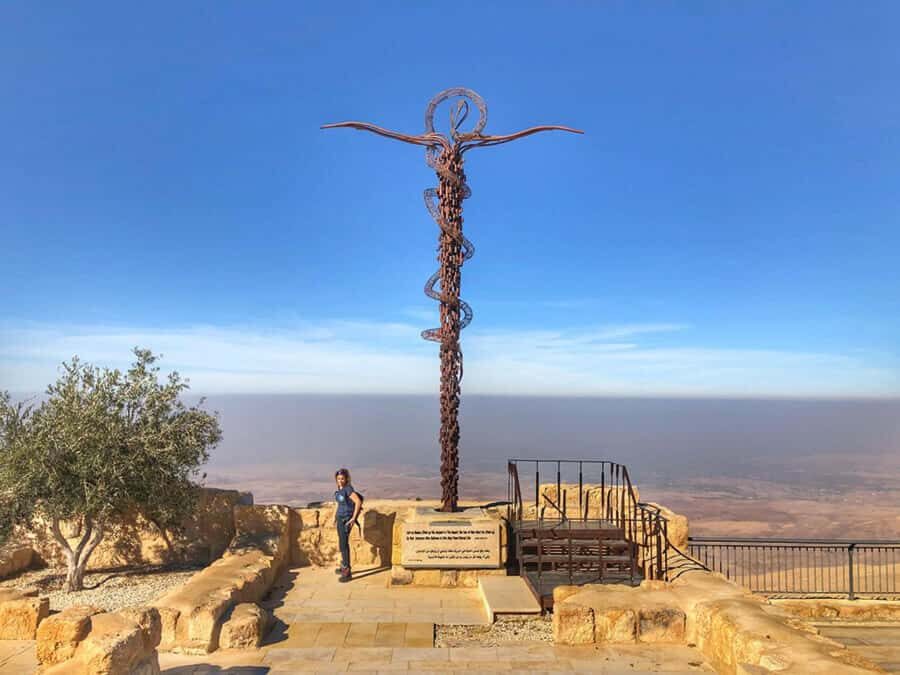
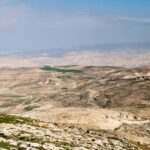
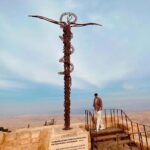
Then comes Mount Nebo, and it’s a classic Jordan payoff: views and more mosaic elements to round out the theme. From up here, you can take in the Jordan Valley, the Dead Sea, and even Jerusalem on clearer days.
I’d treat Mount Nebo like a photo-and-pause stop. The point isn’t to sprint to the viewpoint and back. It’s to stand still long enough to let the geography sink in. A good driver can help you orient what you’re seeing relative to the places you visited earlier in the day.
Wear what keeps you comfortable for sun and stairs. The tour info is clear about bringing a hat, sunscreen, and camera, and that advice isn’t generic here. Mount Nebo is where the heat can feel more direct and the wind can change how warm the air feels.
The hands-on mosaic workshop: make something, not just buy a souvenir
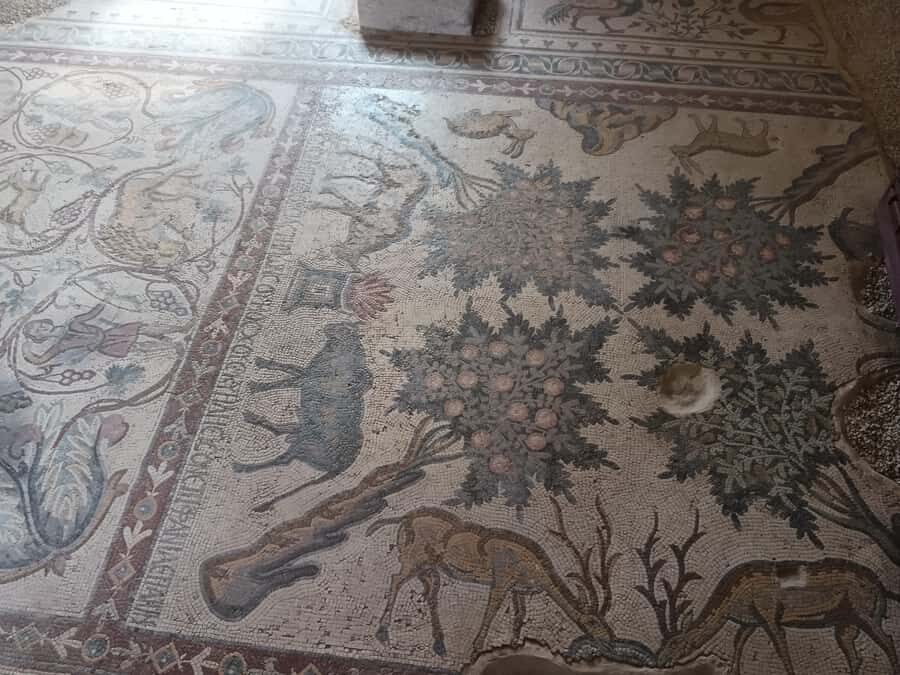
The day doesn’t end when the mosaics stop. The highlight I think most people will remember is the mosaic workshop, where you watch skilled artisans work by hand and then try your own piece.
This part matters for two reasons. First, watching gives you real respect for the process: cutting, placing, spacing—small steps that add up to a finished image. Second, doing it yourself turns the day from sightseeing into participation. Even if your first attempt isn’t perfect, you’ll understand why mosaic work takes patience.
Then there’s the souvenir angle. The workshop is designed so you can buy a mosaic souvenir that’s made carefully and is meant to be authentic. I like this approach because it avoids the worst souvenir trap: the thing that looks nice but doesn’t feel connected to your experience.
Tip: set a little time in your head to slow down during the workshop. If you treat it like a quick activity, you’ll miss the learning. If you treat it like a craft, you’ll go home with a piece you actually care about.
Transportation, comfort, and how the small group changes the day
A lot of day trips in Jordan run on autopilot. This one is built to be simpler: air-conditioned transport, water provided, and onboard Wi‑Fi so you can keep plans and messages sorted.
The small group size (limited to 3 participants) is more than a number. It changes the vibe. You’re not shouting your questions over other people. You can ask your driver to slow down at a mosaic section or clarify what a design represents. In the accounts I heard, drivers were praised for friendliness and for giving practical info about Jordan, not just reciting facts.
English support is built in through an English-speaking driver. Some drivers also speak Arabic, which is useful if you want to see signage explained or ask something in more detail.
Price and budget reality: what $71 covers and what you should plan for
Here’s the clean way to look at it.
What you’re paying for:
- Transport in an air-conditioned vehicle
- An English-speaking driver
- Wi‑Fi onboard
- Water
What costs extra:
- Entry tickets
- Guides (if you choose to hire additional interpretation)
- Food
- Personal expenses
So, if you budget entry fees and one solid meal, you’ll likely feel good about the value—especially because the itinerary is mosaic-centered, not scattered across unrelated stops. You’re basically buying a full-day plan with the logistics handled, and that’s worth money when the sites are spread out.
If you’re traveling on a super tight budget, the extra site costs and lunch can add up. But if you’re paying for convenience, and you want multiple mosaic experiences plus viewpoints in one day, this is a strong use of time.
Who this tour suits best
This is a good fit if you:
- Care about mosaic art and want to see several different sites in one day
- Like a structured day that still lets your driver respond to your interests
- Prefer a small group over a bus-and-herd experience
- Want the payoff of Mount Nebo viewpoints without doing logistics yourself
It may be less ideal if you:
- Don’t handle walking well, since there’s a moderate amount of walking across sites
- Have trouble with heat and brightness—Mount Nebo is sun-forward, so come prepared
Should you book Jordan Gems Tours for this mosaic day?
If you’re the kind of traveler who loves details—how designs repeat, how floors function, how art connects to place—this is an easy yes. The combination of Umm al-Rasas, mosaic experiences in church and archaeological settings, the Mosaic Map in Madaba, and the Mount Nebo viewpoints creates a satisfying arc. Add the workshop, and you’re not only viewing art—you’re making something.
Just go in with the right expectations: entry tickets and meals are on you, and the day involves real walking and sun. If you plan for that, you’ll likely leave with strong photos and a souvenir that actually reflects the work you saw.
FAQ
How long is the Jordan Mosaic Wonders trip?
It’s listed as a 1-day tour. Starting times depend on availability.
Where does the tour pick up in Amman?
Pickup starts from a location in Amman.
What’s included in the price?
Included are transport by air-conditioned vehicle, an English-speaking driver, Wi‑Fi onboard, and water.
What’s not included?
Entry tickets, guides, food, and personal expenses are not included.
Is the tour wheelchair accessible?
Yes, it’s marked as wheelchair accessible.
How many people are in the group?
It’s a small group limited to 3 participants.
Can I cancel or pay later?
You can cancel up to 24 hours in advance for a full refund, and there’s a reserve now & pay later option.