REVIEW · AMMAN
Jerash, Ajloun, Umm Qais Day Trip
Book on Viator →Operated by R&H VIP Transportation Services · Bookable on Viator
One day in the north, three time periods. This Jerash–Ajloun–Umm Qais trip is interesting because you’re not just seeing ruins—you’re watching Greek and Roman history hand off to medieval Islamic architecture, then finishing with jaw-dropping border views. The plan is built around a private licensed driver, with onboard Wi-Fi to keep things easy between stops.
I especially like that the pacing is flexible enough to breathe. And I like the options at each site: you can travel with just the driver, or hire local guides on the ground when you want more detail. One consideration: entry fees and local site guides cost extra, so your final total depends on how hands-on you want to be.
In This Review
- Key Highlights You’ll Feel on the Ground
- Why This North Jordan Day Trip Works Better Than “Just Driving”
- Value check: what you’re really paying for
- Pickup, Wi-Fi, and the Comfort Stuff That Changes the Day
- The private driver also acts like a buffer
- Jerash Ruins: Roman Streets, Hadrian’s Arch, and the Fun Parts to Watch For
- What to pay attention to while you walk
- Typical time on site
- Ajloun Castle: Saladin’s Fortress and the Best Chance for Big Views
- Dress like you actually mean it (bring a scarf)
- Don’t rush the tower viewpoint
- Typical time on site
- Umm Qais: Decapolis Gadara, the Museum Area, and Three-Country Views
- The biblical connection (keep it as context, not a quiz)
- Choose one trail and commit
- Consider hiring a guide here if you want context fast
- Typical time on site
- Entry Fees and Local Guides: How to Keep the Cost Predictable
- Timing, Pace, and What a 5 to 8 Hour Day Really Means
- What can slow you down (in a good way)
- What might make you feel rushed
- Who This Day Trip Fits Best
- So… Should You Book This Jerash–Ajloun–Umm Qais Trip?
- FAQ
- What sites does this day trip include?
- How long is the tour?
- Is hotel pickup and drop-off included?
- Is there Wi-Fi during the ride?
- Are entry fees included?
- Are local guides included at the sites?
- Is this a private tour?
- Is free cancellation available?
Key Highlights You’ll Feel on the Ground
- Private, door-to-door comfort with hotel pickup/drop-off and a climate-controlled vehicle
- Wi-Fi between stops plus phone charging, so the day stays low-stress
- Jerash’s best-preserved Roman feel with key sights like Hadrian’s Arch and the colonnaded streets
- Ajloun Castle’s hilltop military views and 12th-century fortress atmosphere
- Umm Qais viewpoints across three countries and a biblical connection tied to Gadara
Why This North Jordan Day Trip Works Better Than “Just Driving”
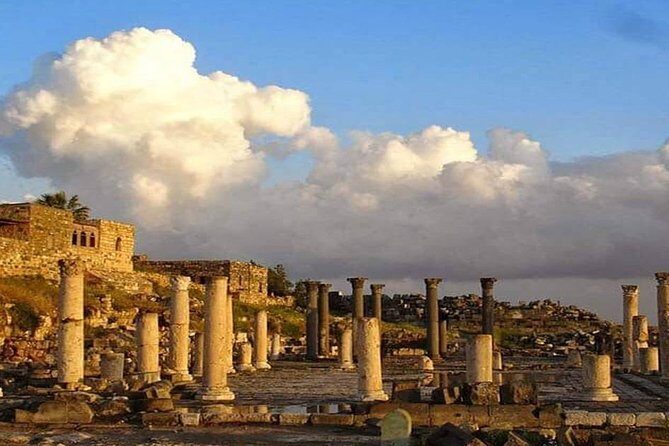
If you only have a day, this is a smart way to hit the highlights without renting a car. You get a full loop of the north—Jerash first, then Ajloun, then Umm Qais—so you don’t burn half the day figuring out routes, parking, and entry logistics.
The private setup matters. A shared tour can mean you’re stuck with other people’s timing, but here you’re with your own group only. That gives you room to slow down at Jerash when a street view catches your eye, or to spend extra minutes on the castle towers when the wind is finally calming down.
I also like the way the day is structured for choice. There’s no pre-loaded “lecture” tour baked in. Instead, you’re offered licensed English driving support and then you can hire local guides at each site if you want deeper context. You’ll feel the difference between walking the stones alone and having a guide connect them to what you’re seeing.
A few more Amman tours and experiences worth a look

Value check: what you’re really paying for
At $62 per person, you’re not paying for entry tickets (those are extra), and you’re not paying for every on-site guide (also extra). What you are paying for is the hard part: transportation, timing, and getting you to three major sites in one shot. If you’ve ever tried to stitch together a day trip from Amman with public transport or last-minute taxis, you’ll understand why that value adds up fast.
Pickup, Wi-Fi, and the Comfort Stuff That Changes the Day
The day starts with morning hotel pickup, with your English-speaking driver waiting at the lobby. That simple detail saves time and stress. You don’t have to guess where your vehicle will stop, and you’re not rushing around dragging luggage and hoping you found the right person.
The vehicle is climate-controlled, and you get bottled water onboard. There’s also Wi-Fi and phone charging during the ride. For a long day with multiple stops, these little conveniences make a real difference. You can look up what you’re seeing while you’re en route, keep maps handy, and avoid that end-of-day battery panic.
The private driver also acts like a buffer
Most days run smoothly, but plans can still shift with weather, your pace, or your interest level. With a private driver, you can ask for more time where you’re enjoying yourself and less time where you’re not. In the feedback from past guests, that flexibility shows up again and again.
You may even get useful food and timing help. One review mentions extra stops for fruit and snacks vendors, plus a driver who grabbed pastries, coffee, and ice cream along the way. You probably shouldn’t plan your schedule around treats, but it’s a nice sign that the day isn’t treated like a strict conveyor belt.
Jerash Ruins: Roman Streets, Hadrian’s Arch, and the Fun Parts to Watch For
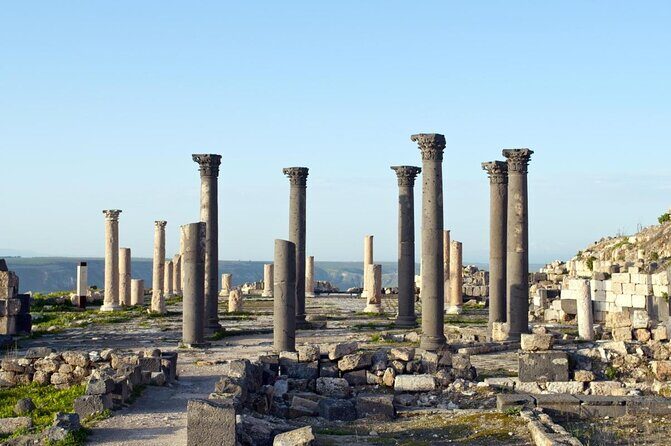
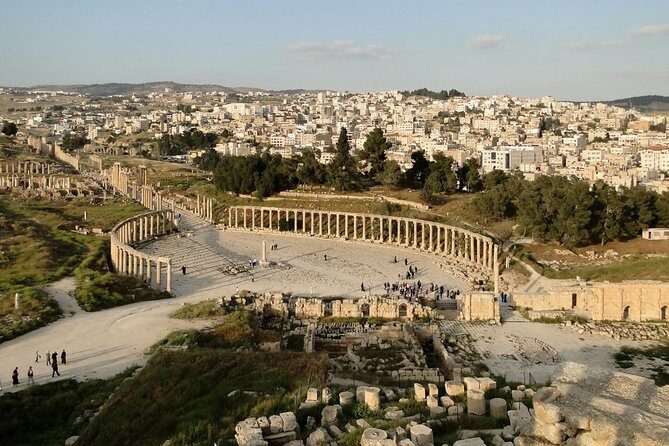
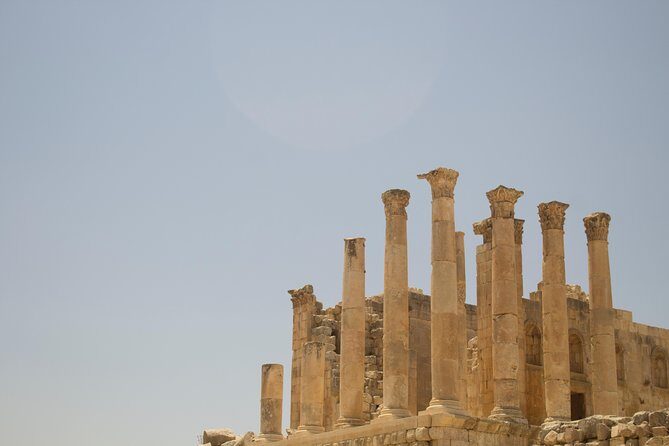
Jerash is the big Roman draw, and it’s easy to see why it’s one of Jordan’s best-preserved classical sites. You’re walking through a former Greek and Roman city with recognizable highlights: colonnaded streets, hilltop temples, public squares and plazas, and an amphitheater feel that still makes the scale hit you.
The payoff here is that Jerash doesn’t feel like a single photo spot. It’s a full walking experience. You move from one architectural feature to another—like Hadrian’s Arch—then connect it to how the city grew and changed.



What to pay attention to while you walk
If you hire a local guide at Jerash, you’ll get the story behind the stones, including how Jerash was tied to Alexander the Great’s era (founded around 331 BC) and later became part of the Decapolis cities of the east. You’ll also hear how the city lived through multiple periods: Greek federation origins, then Roman prosperity, and later Muslim and Christian rule, before changes tied to the Crusades.
Even without a guide, you can guide yourself. Look for:
- the dramatic colonnaded street layout that makes movement feel ceremonial
- the major temple areas and the amphitheater structure
- the Forum and oval plaza style areas that show planned civic life
And yes, there’s a quirky note worth keeping in mind: you might spot Star Wars–style emblems while you’re there. That’s the kind of unexpected detail that makes a ruin visit feel less like a checklist.
Typical time on site
You’ll spend about two hours at Jerash. That’s enough time to see the big features and still have room for a slow walk, photos, and one longer pause. If you’re the type who likes to read every sign, you might want a local guide so you don’t end the visit feeling like you missed the connections.
Ajloun Castle: Saladin’s Fortress and the Best Chance for Big Views
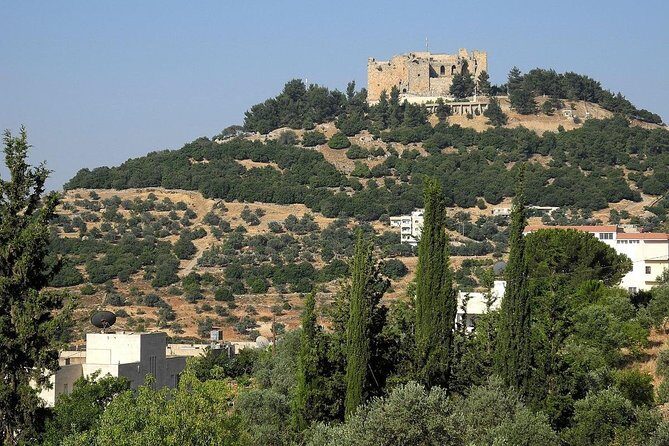
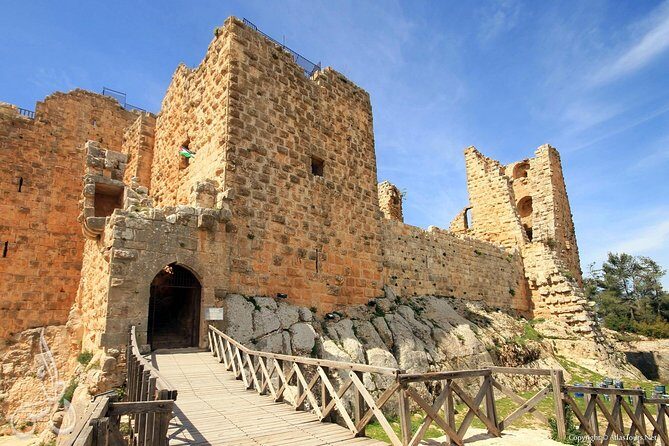
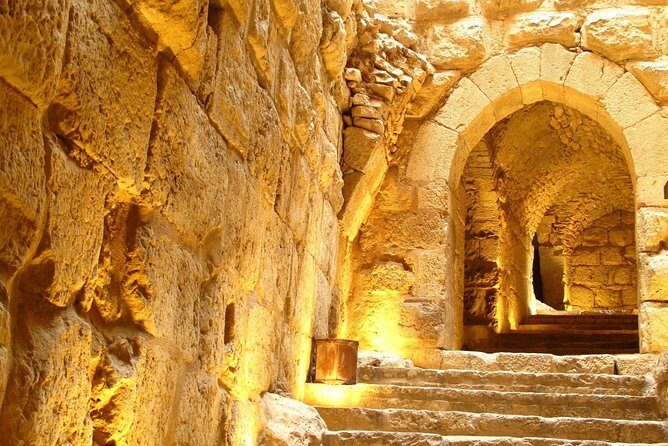
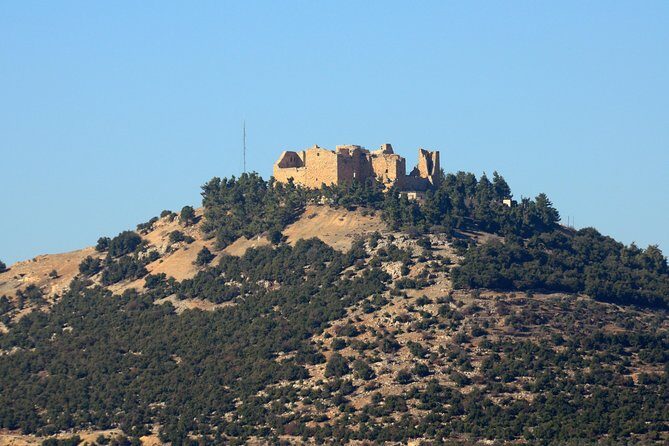
Ajloun Castle (Qala’at ar-Rabad) shifts the mood. Instead of Roman columns, you’re in medieval Arab-Islamic military architecture. This is a 12th-century fortress associated with Saladin’s forces resisting the Crusaders, and it was built to dominate the three major passages into northwest Jordan.
The experience here is part architecture, part hiking your way up. The castle sits on a hilltop, and you’ll see towers, chambers, galleries, and staircases. Even if you’re not a “castle person,” the layout makes sense as a defensive structure, not just a pretty ruin.
Dress like you actually mean it (bring a scarf)
One practical tip that showed up: pack a scarf. Ajloun can get windy and chilly at the higher altitudes. That might sound minor, but when you’re climbing and standing around for views, a scarf turns the experience from uncomfortable to enjoyable. Wear layers you can adjust.
Don’t rush the tower viewpoint
One of the best reasons to stop here is the sightlines. If you climb into a tower and take in the view, you can catch the Jordan Valley stretching toward the Dead Sea direction. It’s the kind of panoramic moment that makes the earlier centuries feel grounded—this is where geography helped determine power.
Typical time on site
Plan on about two hours. That gives you time for the climb, tower views, and a slower look at the castle structure itself.
Umm Qais: Decapolis Gadara, the Museum Area, and Three-Country Views
Umm Qais is where the day gets dramatic. This is the Greco-Roman city tied to the Decapolis network, historically linked to Gadara. You’re also dealing with a layered scene: Roman ruins in the foreground, and an abandoned Ottoman-era village in contrast behind them. That juxtaposition can make the place feel extra real—like history hasn’t been erased, it’s been left to weather.
Then you get the best payoff: views. From Umm Qais, you can see Jordan, Syria, and the Israel and Palestinian Territories. That’s not a small claim; it’s one of those viewpoints where you stop walking, look, and suddenly understand why this area mattered.
The biblical connection (keep it as context, not a quiz)
According to the Bible, Umm Qais is associated with the miracle of the Gadarene swine, where Jesus cast out demons from men into a herd of pigs. If you enjoy tying sites to text, this connection gives you an extra lens. If you don’t, you can treat it as background and focus on the ruins and the panorama.
Choose one trail and commit
Umm Qais has multiple paths (three options), and you’ll have time for just one. One suggestion that came up in feedback: if you want a route with great payoff, the Acropolis trail is often the choice. You won’t have enough time to do all paths anyway, so pick one that matches your energy level and enjoy the walk.
Consider hiring a guide here if you want context fast
At Umm Qais, hiring a local guide can be especially worthwhile. One review notes advice to pay for a guide at Umm Qais, while not necessarily doing that at the other sites. Another review highlights a local guide named Farag (shared with an Instagram handle) as a strong option for getting deeper into the site and its cultural significance.
Important: guides are at your own expense, so this is a decision you make based on how much story you want to attach to what you’re seeing. But if you want your time on the hilltop to make more sense, this is the place where a guide can help you connect the dots quickly.
Typical time on site
Expect about two hours here, including time for the museum area and a trail/slow wander. That often ends up being the most memorable chunk of the day because of the views and the way the ruins sit in the open.
Entry Fees and Local Guides: How to Keep the Cost Predictable
The price you pay for the tour covers transportation, driver services, hotel pickup/drop-off, Wi-Fi, climate control, and bottled water onboard. It does not include entry fees to the sites. It also does not include local guide fees at Jerash, Ajloun Castle, or Umm Qais.
So how do you budget this day well?
- If you want maximum value, treat local guides as optional at each stop.
- If you want the most story per minute, consider hiring guides at the places that you feel most drawn to.
- If you just want the experience of walking the ruins and seeing the viewpoints, you can skip the guides and spend that money on a better lunch.
This is also where the private driver can help. A driver can point you toward sensible time use, and some drivers offer lunch recommendations that fit your preferences. One piece of feedback mentions getting a helpful lunch suggestion that worked out well.
Timing, Pace, and What a 5 to 8 Hour Day Really Means
The tour duration is listed as about 5 to 8 hours. In practice, that range is exactly why private tours feel better. Your driver and your choices at each stop shape the day.
You’ll start in the morning with pickup, then move to Jerash for about two hours. After that comes Ajloun for about two hours. Umm Qais takes about two hours, and then you head back to Amman for a drop-off at a central location you choose.
What can slow you down (in a good way)
- hiring a local guide and letting them set the pace
- spending extra time climbing tower viewpoints at Ajloun
- choosing the route at Umm Qais and lingering for the border views
What might make you feel rushed
If you arrive with a strict photo-only plan, you’ll still cover the ground, but you could end up missing the connections that make the ruins feel like more than scenery. The most satisfying approach is to pick one stop to go slightly deeper at—either Jerash or Umm Qais—then keep the rest at a comfortable walking pace.
Who This Day Trip Fits Best
This tour is a strong fit for you if you:
- want a no-car-needed day trip from Amman to northern highlights
- like mixing eras (Roman to medieval) in one outing
- prefer private timing over shared-group schedules
- enjoy using local guides selectively, based on how much context you want
It’s also a good option if you’re the type who wants a smooth logistics day but still wants room for decisions. The Wi-Fi and charging keep you connected, while the optional guides keep the experience from turning into a scripted history lecture.
If you’re traveling with limited time and you really want three headline stops, this is the kind of day that hits the sweet spot between distance and value.
So… Should You Book This Jerash–Ajloun–Umm Qais Trip?
I think this is worth booking if you want the north in one shot without renting a car and managing time on your own. The combination of private transportation, hotel pickup/drop-off, onboard Wi-Fi, and big-ticket sights makes it a practical choice.
Book it if you’ll use the flexibility: spend enough time at Jerash to enjoy the Roman scale, bring a scarf for Ajloun’s wind and climb, and at Umm Qais plan your trail so you don’t feel like you’re sprinting through the views. If you want extra meaning, consider a local guide—especially at Umm Qais, where the payoff for context can be immediate.
If you hate paying add-ons like entry tickets and optional guides, you might feel the total cost creep up. In that case, still book only if you’re comfortable with walking the sites on your own and focusing on the visual experience.
FAQ
What sites does this day trip include?
The trip visits Jerash ruins, Ajloun Castle (Qala’at ar-Rabad), and Umm Qais (including an archaeological museum area).
How long is the tour?
The duration is listed as about 5 to 8 hours.
Is hotel pickup and drop-off included?
Yes. The tour includes hotel pick-up and drop-off.
Is there Wi-Fi during the ride?
Yes. Onboard Wi-Fi is included, along with bottled water and phone charging.
Are entry fees included?
No. Entry fees to the sites are not included.
Are local guides included at the sites?
No. Local guides at the sites are available but not included in the tour price.
Is this a private tour?
Yes. It’s a private tour/activity, so only your group participates.
Is free cancellation available?
Yes. Free cancellation is available, and you can cancel up to 24 hours in advance for a full refund.