REVIEW · AMMAN
Départ Garanti Francophone (GIR) DIMANCHE – SAMEDI
Book on Viator →Operated by Enjoy Jordan - Day Tours · Bookable on Viator
Jordan rewards you when you go in the right order.
This 7-day, French-language guided route stacks the big southern hits—Petra, Wadi Rum, and the Dead Sea—plus the “supporting cast” like Jerash, Madaba, Nebo, Karak, and Shobak/Kerak. I like that it’s designed as an efficient, round-trip sweep with transport included, and I also like the practical meal coverage (breakfasts, lunches, and dinners) so you’re not constantly hunting food on the road. The one drawback to plan for is the pace: it’s a full itinerary, so you’ll want moderate fitness for the walking days, especially Petra.
If you’re the type who likes to see a lot without constantly re-planning, you’ll probably enjoy this style of trip. I also appreciate that it’s run by Enjoy Jordan, which says it works with strong guides, drivers, and accommodations, and keeps costs down through supplier relationships. In past feedback, guides such as Audi, Jacob, Ahed, and Haithem were specifically praised for professionalism and making the group feel comfortable fast.
In This Review
- Key Things to Know Before You Go
- Why This 7-Day Jordan Route Works (Petra plus the South)
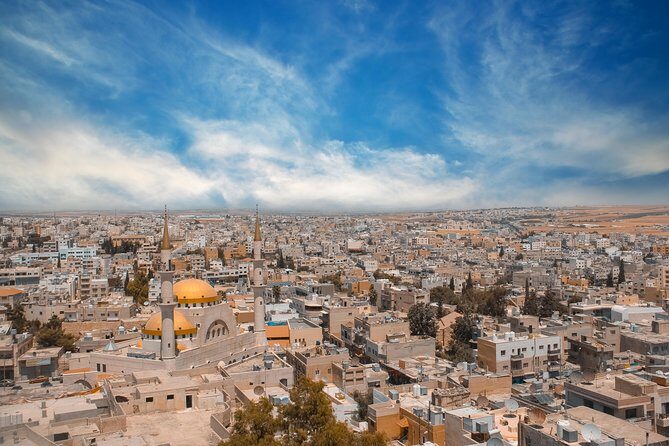
- Arrival in Amman: Airport Pickup and a Soft Landing
- Jerash Ruins and Ajloun Castle: Roman Streets and a Crusader-Era Fortress View
- Madaba Mosaics and Mount Nebo: Getting Your Bearings in Jordan’s “Old Routes”
- Karak Castle: Where Medieval Power Shows Up in Stone
- Petra Day: The Main Event, Plus a Group-Friendly Plan
- Little Petra (Al-Beidha) and Wadi Rum: Desert Time That Feels Like Its Own Trip
- Dead Sea Region: Lunch, Free Time, and a Buoyant Reset
- Price and Value at $1,335: What You’re Really Buying
- Practical Tips So the Trip Feels Easy, Not Just Full
- Should You Book It?
- FAQ
- How long is the tour?
- Where does the tour start and what time?
- Is there a francophone guide?
- Does the tour include airport pickup and transfers?
- Are meals included?
- Does it include the Wadi Rum 4×4 excursion?
- What about entrance fees—are they covered?
- Is Jordan Pass recommended?
- What is the cancellation policy?
Key Things to Know Before You Go
- One language, one guide: A francophone guide travels with the group for the sightseeing days.
- Petra plus the “extras”: You don’t just do Petra—you also get Little Petra/Al-Beidha, plus Jerash, Madaba, Nebo, Karak, and the Dead Sea.
- Real desert time: A local-style 4×4 jeep ride in Wadi Rum and a camp-style lunch, with overnight in Bedouin tents.
- Meals are built in: Breakfasts, lunches, and dinners are covered for most days, with water provided during visits.
- Costs and entrances are clearer: Entrance fees mentioned in the program are included, but you should still think about what Jordan Pass covers.
- A busy but manageable loop: Lots of driving, but it’s structured so you’re not wasting time chasing tickets and logistics.
Why This 7-Day Jordan Route Works (Petra plus the South)
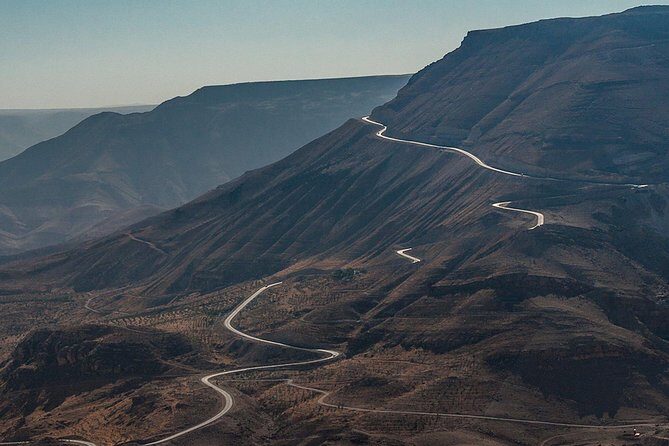
A lot of Jordan trips either focus on Petra only, or they scatter the country so much you spend more time in transit than actually seeing places. This one is built as a tight circuit: you start in Amman, head north and central for the Roman and mosaic highlights, then swing into the classics of the south—Petra and Wadi Rum—before finishing with the Dead Sea and back to the capital.
The value here isn’t just the list of stops. It’s the way the days connect. You’re not bouncing between random far-apart areas. The plan groups regions logically: Jerash and Ajloun are close enough to feel like a single theme; Madaba and Nebo tie into religious and historical viewpoints; Karak sits on the same broader corridor of medieval fortresses; and then you pivot into Petra and the desert.
The price ($1,335 per person) can feel steep at first glance. But when a tour includes a francophone guide, multiple entrance fees, a 4×4 jeep excursion, most meals, and airport assistance, the real question becomes simpler: are you paying to avoid coordination stress? For many people, the answer is yes.
You can also read our reviews of more tours and experiences in Amman.
Arrival in Amman: Airport Pickup and a Soft Landing
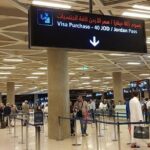
Day one is designed to reduce jet lag stress. You’re met at Queen Alia International Airport and transferred to your hotel in Amman, then you’re done for the day—dinner and overnight.
That matters more than you’d think. Amman traffic and customs can eat up time and energy. Starting with a transfer plan means you begin the trip rested enough to actually enjoy the next day’s sightseeing.
Tip: if you land early or late, don’t assume your internal clock will match the group schedule. Build a small buffer for your first night so you don’t rush yourself into museum-mode the moment you wake up.
Jerash Ruins and Ajloun Castle: Roman Streets and a Crusader-Era Fortress View
Jerash is often called Jordan’s most important Roman city after Petra, and the hype is fair. You’ll be walking through a site where the streets and architecture were preserved and restored after centuries under sand. The way the city is planned—formal, wide, and still legible—makes it feel less like you’re looking at random ruins and more like you’re reading a map of Roman urban life.
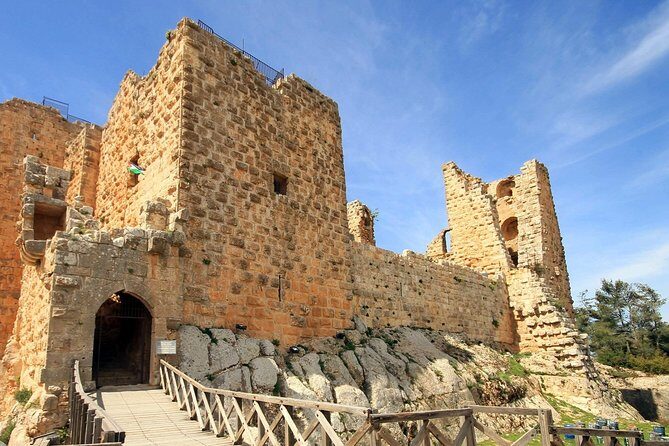
Ajloun Castle (Qala’at ar-Rabad) adds a totally different flavor: medieval defense. Built in the 12th century during Saladin’s era, it was set up to protect the region, control local iron mines, and keep crusader forces from moving toward Jerusalem. The payoff is the view from the top—back down toward the Jordan Valley area—so you leave with both history and a sense of why the location mattered.
What I like about combining these two stops is contrast. You go from Roman civic grandeur to a fortress designed to watch and control movement. It helps the day feel like more than just “more sightseeing.”
Practical consideration: both stops include walking on uneven ground. If you tend to get tired on stone steps or long stretches, bring shoes you trust and pace yourself.
Madaba Mosaics and Mount Nebo: Getting Your Bearings in Jordan’s “Old Routes”
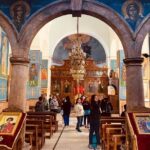
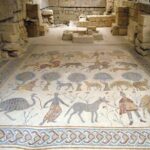
Madaba is famous for mosaics, and this stop is the reason. You’ll visit St. George’s Church, home to a famous floor mosaic often called the map of Palestine. The details are a big part of the experience: it’s not only pretty, it’s a snapshot of how people in the Byzantine era understood the region’s geography. The scale and precision—built from millions of tiny tesserae—make it feel like an art project that also served as a reference tool.
Then you head to Mount Nebo, where you get a viewpoint and a story tied to Moses and the biblical tradition. You’re at a height that turns the experience into “see the landscape from a place people once revered.” The site is also connected to the idea of where Moses’ journey ended, and that gives the visit an emotional tone beyond the simple photo-stop.
If you like heritage sites that are tied to real places (not just legends floating in the air), this is a strong day. The museums and grand monuments get the headlines, but mosaics and viewpoints are what help you understand the country’s layers.
Karak Castle: Where Medieval Power Shows Up in Stone
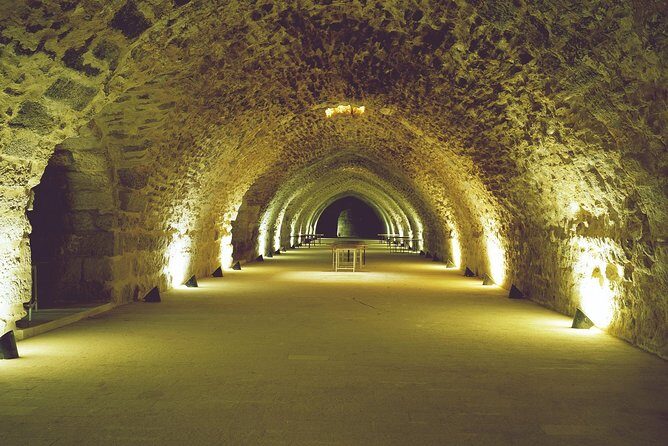
Karak Castle (often associated with the area’s historic fortress culture) is a chance to slow down and look at defense as architecture. You’ll learn about how the location functioned as a route through the region and how the fortress changed hands over time. The story includes the Crusader-era presence around Payen the Bouteiller and later figures such as Renaud de Châtillon, then the shift that followed major conflicts like the defeat at Hattin.
Even if you’re not a medieval-nerd, the physical site helps. From the fortress viewpoint, you understand why rulers wanted this kind of control. Fortresses aren’t built for vibes; they’re built so someone can see, stop movement, and hold territory.
Possible drawback: if you’ve already hit multiple history-heavy stops in the previous days, Karak can feel like one more layer of names and dates. I’d treat it like a “place you can picture” moment, not a lecture to memorize.
Petra Day: The Main Event, Plus a Group-Friendly Plan
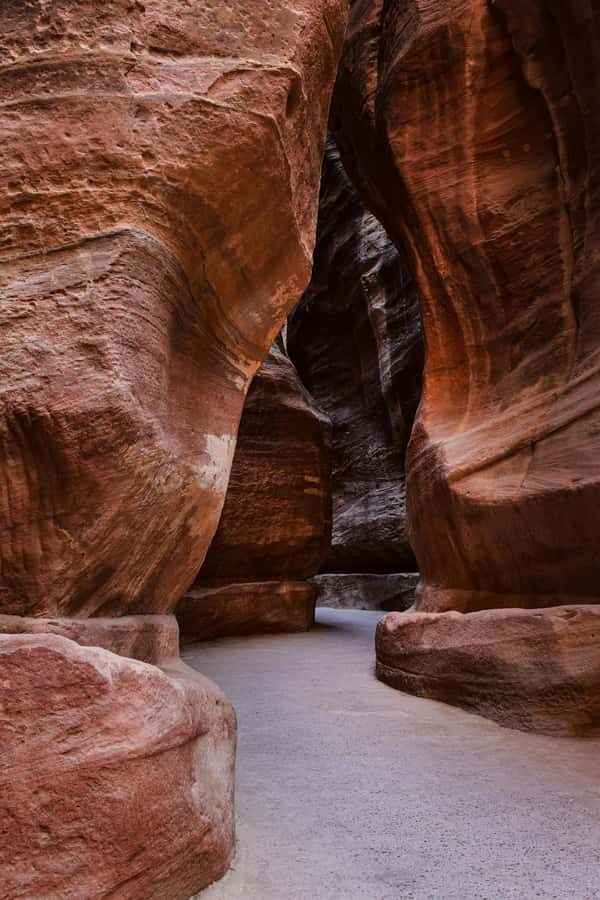
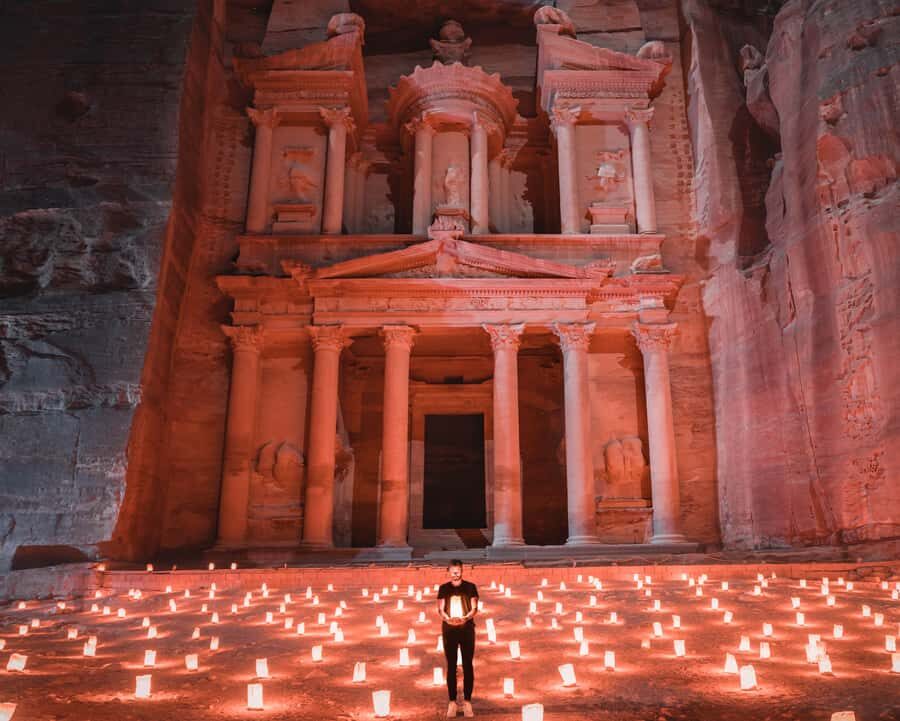
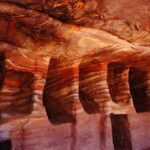
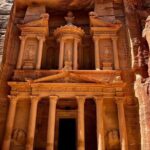
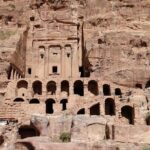
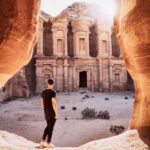
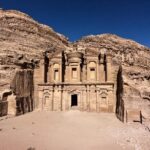
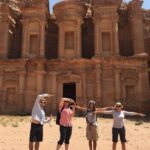
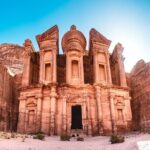
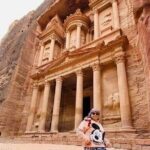
Petra is Petra. The cliffs, the carved passages, the sudden reveal—none of that is optional once you’re there. This day is structured to start you with a proper breakfast, then you enjoy time in Petra with a local lunch option built into the plan.
The big practical win is that you’re not trying to figure out everything day-of: transport and scheduling are handled, and you’re guided so you don’t waste your limited time wandering without direction. Petra rewards planning because the place is bigger than most people expect, and small choices about routes and pace make a big difference.
A note on optional add-ons: the tour doesn’t include the Petra carriage promenade. If you think you’ll want a break from walking, that’s something to consider separately so it doesn’t become a last-minute decision under time pressure.
What to plan for:
- Petra has uneven steps and long stretches of walking.
- Sun and heat can hit hard, so start earlier rather than later.
- You’ll enjoy it more if you’re willing to slow down enough to notice details in the rock and carvings.
Little Petra (Al-Beidha) and Wadi Rum: Desert Time That Feels Like Its Own Trip
After Petra’s big day, the program shifts to Al-Beidha, also known as Little Petra. That’s a smart move. It gives you a second chance to appreciate rock-cut architecture and the feel of the region without repeating every single Petra moment.
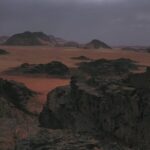
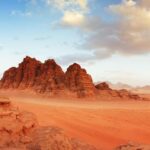
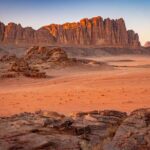
Then comes Wadi Rum, and this is where the trip stops being only “historical sites” and turns into pure environment. Wadi Rum is known for its rock formations—cliffs, peaks, valleys—and for the kind of silence that makes even short drives feel cinematic. The program includes a local 4×4 pickup jeep ride for about 1.5 hours, which is the practical way to cover the desert quickly without turning it into a hiking expedition.
You’ll also have lunch in a Bedouin camp, then dinner and overnight in Bedouin tents. That night is part of the value. Even if you don’t do “desert camping” at home, sleeping in the camp setup gives you a different rhythm than city hotels. It’s more basic than urban comfort, but it’s also the point.
Practical consideration: the desert cools down at night. Bring layers you can actually tolerate for sleeping, and don’t pack only summer-weight clothes if you’re visiting in cooler seasons.
Dead Sea Region: Lunch, Free Time, and a Buoyant Reset
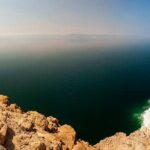
The next morning you head toward the Dead Sea region. The tour includes lunch and time for the classic experience: soaking and swimming in the Dead Sea.
The Dead Sea matters on a tour like this because it’s a reset button. After Petra and the desert, it’s a day where you can do less and feel more rested. You get a “body experience,” not only a “history experience.”
Also, this stop has a built-in local context. The Dead Sea area is known as one of the lowest points on earth, and the region has long been associated with therapeutic benefits—credited for helping with various chronic skin conditions over the centuries. You don’t have to treat it as medical tourism to appreciate it as a unique, strange natural setting.
One caution: the salt and mineral water can irritate if you have sensitive skin or get it in your eyes. Keep it simple, rinse off after, and don’t tough-guy it.
Price and Value at $1,335: What You’re Really Buying
At $1,335 per person, you’re paying for a lot of “invisible work”:
- Transport in modern, air-conditioned vehicles
- A francophone guide across the sightseeing days
- Entrance fees that are specifically listed
- A 4×4 jeep excursion in Wadi Rum (plus the camp lunch and the desert dinner/overnight)
- Most meals across the week
- Airport arrival assistance and departure transfer help
- Water provided during visits
Where your planning gets important is Jordan Pass. The trip recommends buying Jordan Pass before arrival because it can include visa entry fees and access to 41 sites in Jordan. That’s helpful, but it also means you should compare the Jordan Pass coverage against what the tour already includes as “entrance fees mentioned in the itinerary.” In plain terms: you might be double-covering some sights, or you might be saving yourself money, depending on your exact match.
If you want maximum value, this is a good strategy:
- Get Jordan Pass if it covers what you plan to see.
- Keep receipts or at least track which sites are included with the tour versus with your pass.
- Remember the tour still doesn’t include every possible add-on at Petra (like the carriage promenade).
Practical Tips So the Trip Feels Easy, Not Just Full
Shoes matter. You’ll do enough walking that blister management is not a hobby. Bring comfortable, grippy shoes.
Heat and sun planning. Petra and open-air sites don’t care about your schedule. Use sun protection, and carry water when you can.
Layers for Wadi Rum night. Desert tent nights can feel cold even if the day is warm. Bring something you can sleep in.
Food expectations. Meals are built into the program (breakfasts, lunches, dinners), so you’re not left hanging. Still, if you’re picky, bring a small snack habit for times when you’re between meals.
Respect local sites. Churches and religious viewpoints ask for modesty and calm behavior. Even when you’re excited for photos, keep it respectful.
Group size reality. The group can be up to 150. That doesn’t mean chaos, but it does mean your day may have moments where you’re queuing or moving with a larger crowd than a private tour would.
Should You Book It?
Book this tour if you want Petra and the south in one clean plan, and you value not wrestling with logistics. The included guide support, entrance coverage for listed sites, meals, and the Wadi Rum 4×4 plus Bedouin camp overnight make it a strong “time-saver” choice.
Skip it or reconsider if you hate long driving days, or if you want a slower, more flexible pace with fewer people. Petra alone is a lot, and this itinerary adds multiple additional big stops. It’s built for people who like a full itinerary and can handle moderate walking.
If you’re a first-time visitor who wants the highlights without turning your trip into project management, this one is a solid bet.
FAQ
How long is the tour?
The tour is about 7 days.
Where does the tour start and what time?
The meeting point is Queen Alia International Airport in Amman, and the start time is listed as 8:00 am.
Is there a francophone guide?
Yes. A permanent French-speaking guide is included during the sightseeing days.
Does the tour include airport pickup and transfers?
Yes. You get arrival and departure assistance, plus transfers between the airport and the hotel.
Are meals included?
Yes. The tour includes 6 breakfasts, 5 lunches, and 5 dinners.
Does it include the Wadi Rum 4×4 excursion?
Yes. You get a Bedouin-style 4×4 pickup excursion for about 1.5 hours in Wadi Rum.
What about entrance fees—are they covered?
Entrance fees mentioned in the itinerary are included.
Is Jordan Pass recommended?
Yes. It’s recommended to purchase Jordan Pass before arriving, since it includes visa entry fees and access to 41 sites in Jordan.
What is the cancellation policy?
You can cancel for a full refund up to 24 hours in advance of the experience start time. If you cancel less than 24 hours before, the amount paid won’t be refunded.