REVIEW · AMMAN
8-Night Best of Jordan Tour: Jerash, Petra with Wadi Rum and Dead Sea Overnight
Book on Viator →Operated by Zaid Tours and Travel · Bookable on Viator
Jordan can feel huge. This tour makes it manageable.
I like that you get big-name sites plus real desert time, all with a small group and an expert local driver-guide. I also like that the trip is built around the contrast of modern Amman, Roman Jerash, carved-rock Petra, then that otherworldly Dead Sea. One thing to consider: you’ll cover a lot of ground in a short window, and some Amman entrance fees are not included.
What I like most is the balance of guided structure and breathing space. You get breakfast and dinner most days, plus classic guided stops at key sites, so you’re not spending every afternoon hunting down plans. The possible drawback is that Amman Citadel, the Roman Theater, and the King Abdullah Mosque entrance fees are listed as not included, so you’ll want to budget for those if you add them.
In practice, this format works well because hotels are centrally located in the cities you stay in. I also appreciate the small-group limit, plus free Wi‑Fi on board the vehicle, which makes the long drives easier. And if you end up with a driver like Munther, who gets praised for patience and punctuality, the whole rhythm of the tour tends to feel smoother.
In This Review
- Key things I’d prioritize before you go
- Jordan in 9 Days: big sights, but not random stops
- Small Group Comfort: pick-up, English driver, Wi‑Fi, and central hotels
- Amman White City and Jerash Roman Theater time
- Madaba mosaics, Mount Nebo views, and a Crusader Castle detour
- Petra with a guided Siq walk and a first-look Treasury moment
- Wadi Rum by 4×4: Lawrence of Arabia country
- Dead Sea overnight: float time, hotel pools, and the spa add-on
- Price and what you get for $987.10 (and what costs extra)
- Who this tour fits best (and who might want changes)
- Should you book this Best of Jordan tour?
- FAQ
- How long is the tour and how many nights are included?
- What meals are included?
- Is airport transfer included?
- Do I get a guided visit at Petra and Jerash?
- What is included for Wadi Rum?
- Will I be able to float in the Dead Sea?
- Do I need a swim suit for the Dead Sea?
- Are entrance fees included for everything in Amman?
- Does the tour help with visa exemption service?
- What happens if weather is poor?
- What’s the maximum group size?
- Should you book this Best of Jordan tour?
Key things I’d prioritize before you go
- Small group size (max 9): you spend less time waiting and more time actually seeing.
- Meals built in (8 breakfasts, 8 dinners): fewer daily decisions, especially on busy sightseeing days.
- Petra guided walk with the Siq and Treasury focus: you get context, not just photos.
- Wadi Rum 4×4 time included: the desert portion is not self-guided and that matters.
- Dead Sea overnight hotel stay: you get more than a quick stop—floating and relaxing are part of the plan.
- Centrally located hotels: your time in Amman and Petra feels efficient.
Jordan in 9 Days: big sights, but not random stops
This trip is essentially a greatest-hits Jordan route, but it’s organized like a real sequence. You start in Amman, then move outward to Jerash, Petra, and the desert south—then finish with Dead Sea time and return to Amman for departure. That order helps you avoid the feeling of bouncing back and forth.
The best part is that each location has a distinct “job” in the overall experience. Amman gives you orientation and local energy. Jerash gives you Rome in stone. Petra gives you the Nabatean trading world carved into sandstone. Wadi Rum gives you scale and stillness. Then Dead Sea gives you a physics lesson: you don’t swim the usual way—you float.
You can also read our reviews of more evening experiences in Amman
Small Group Comfort: pick-up, English driver, Wi‑Fi, and central hotels
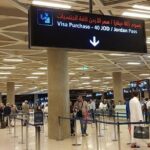
You’re picked up from your hotel in Amman for the city day tours, and arrival/departure airport transfers are included. That reduces the most stressful parts of a Jordan trip: figuring out transport right after landing and again when you’re tired.
The transport is a leisure air-conditioned vehicle with an English-speaking driver. You’re also in a small joined group service, and the limit is up to 9 travelers. In my book, that size is the sweet spot for a tour like this. You get the convenience of a group plan without the chaos of a bus full of people moving like a slow tide.
One practical plus: free Wi‑Fi on board the vehicle. Long road days can blur together, so having that simple connectivity helps you stay on top of messages and offline maps.
Hotels are an important part of the value here. Depending on the package you choose, you’ll stay in 3, 4, or 5-star options, and the stays are spread logically: 4 nights in Amman, 2 nights in Petra, 1 night in Wadi Rum, and 1 night in the Dead Sea area. The key point is that the hotels are centrally located, so your evenings feel less like “transporting yourself back to civilization.”
Amman White City and Jerash Roman Theater time
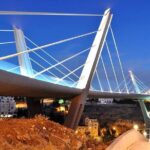
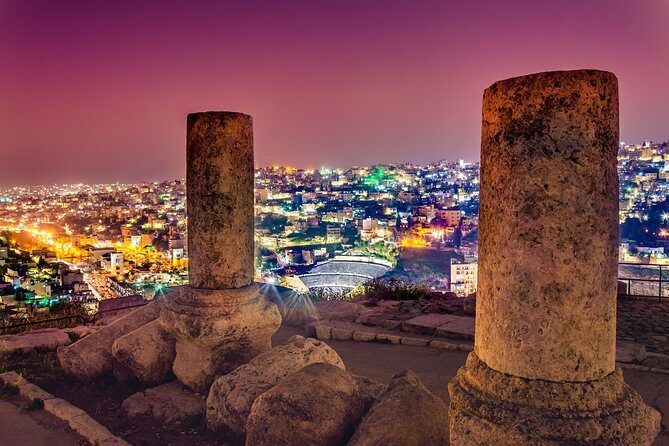
Amman works as your warm-up. After arrival and check-in, you get dinner and overnight in the city. The next day includes a panoramic tour where you pass major landmarks like the Roman Theater area and the Citadel, along with traditional markets and places of worship including the King Abdullah Blue Mosque next to parliament. You also get a look at the modern Abdali Boulevard area, so you see the full mix rather than just historic stones.
I also like the freedom built into the schedule. You get a block of time later where you can explore Amman on your own, with optional visits available on request such as the Jordan Museum or the Royal Automobile Museum. That’s handy if you want something less walking-heavy than the big day tours.
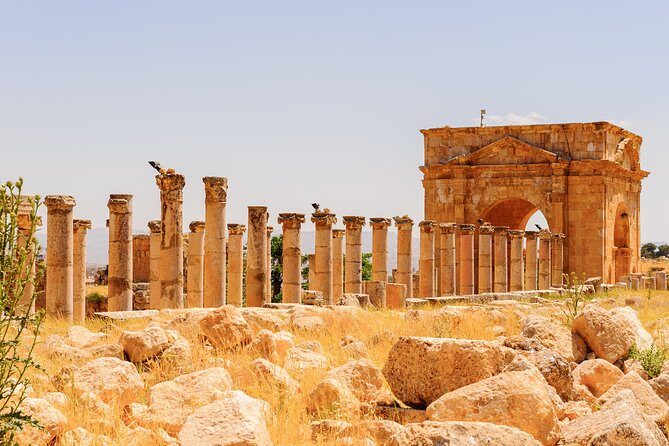
Then comes Jerash, one of the most complete and best-preserved Roman cities in the region. The guided focus is on the essentials: the colonnaded street, the oval plaza, and major temple stops like the Temple of Zeus and Artemis. You can feel the Roman design system even now—walk, pause, notice the scale, then step into the next plaza.
A practical note: the sightseeing time is set for around two hours in Jerash. It’s enough to see the major sites, but it’s not a leisurely marathon. Comfortable walking shoes matter here.
Madaba mosaics, Mount Nebo views, and a Crusader Castle detour
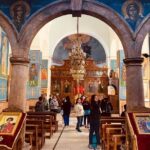
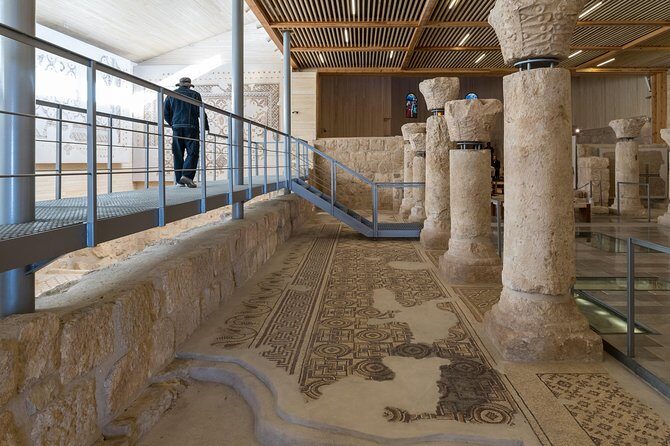
This part of the route is for people who like Jordan beyond the headline stops. Madaba is known for mosaics, and the visit includes the Saint George Church, which houses the map of the Holy Land from 571 A.D. It’s a small space, but the historical weight is real. Standing there helps you connect biblical geography to a physical place.
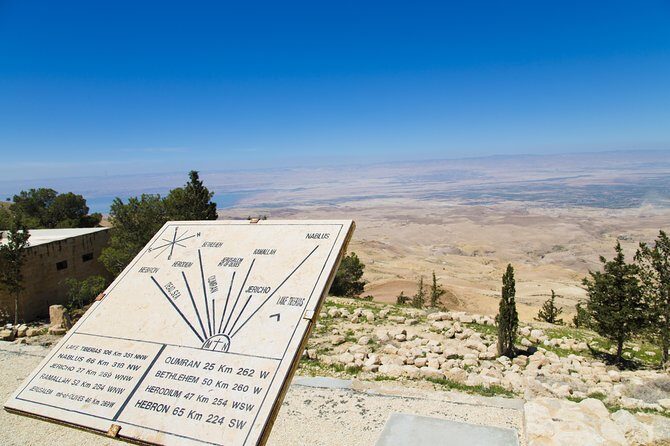
From there you head to Mount Nebo, often associated with the tomb of Moses. You also visit the Franciscan Church, and the summit offers a magnificent view of the Jordan Valley. If you like landscape viewpoints—literal ones—this is the day to take your time. The schedule gives you a short, focused window, but it’s built around that payoff.
Then you travel via the Kings Highway, sometimes described as the Silk Road for the trade of silk, perfume, and spices. The stop here is a Crusader Castle built in 1142 A.D., in Karak or Shobak. This is a nice change of pace from purely religious sites: it adds medieval power and fortification to the mix before you arrive in Petra.
Petra with a guided Siq walk and a first-look Treasury moment
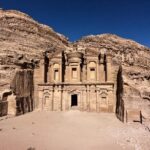
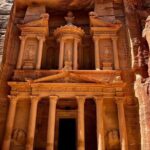
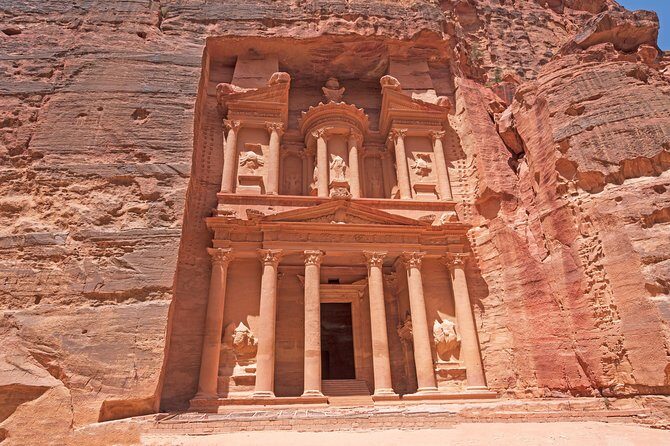
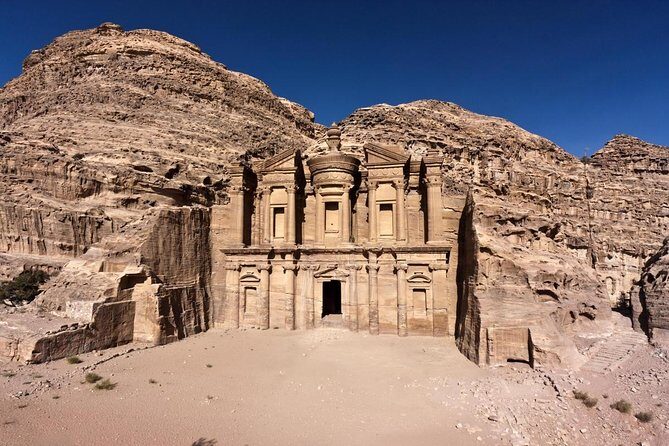
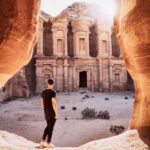
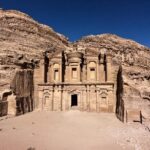
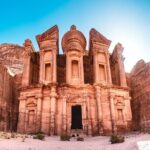
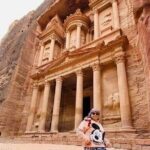
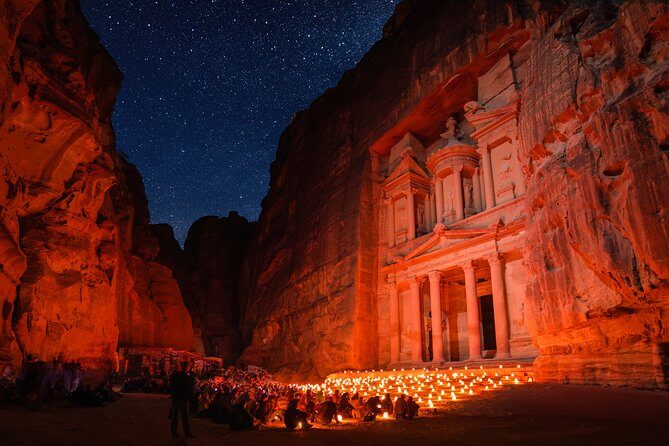
Petra is handled like the centerpiece, and it shows. You get a guided walk timed for about four hours, and it follows the classic route that most people dream about: beginning with the Siq, the narrow rock passage that channels you into the main sights. Then you reach the first major reveal: the Treasury, known locally as El-Khazneh.
What makes Petra special on this trip is not just the view—it’s the way the route is explained while you’re walking. The kind of guide you get can change the whole experience. One name that comes up often is Bassam, praised for his historical context and the way he helps people connect what they’re seeing to how the Nabateans used Petra as a trading hub.
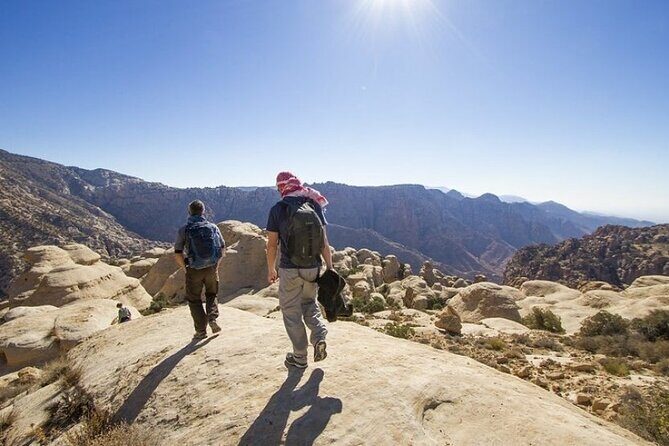
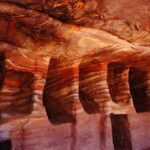
You also have time to see other rock-cut features, including the ornate tombs and the theater that once held about 3,000 spectators. The schedule includes a stop at the Byzantine church as well.
After that, you get some flexibility. You can explore on your own and, if time allows, head up toward the Monastery or the High Place of Sacrifice. If you want a calmer option, you can also check out the Petra Museum if time permits.
Real talk: Petra is not the place for casual pacing. Even with a guide, you’re walking in sun and through stone corridors. This tour gives you the structure and the highlights, but it still expects you to move.
If you want extra comfort, there’s a golf cart option at Petra available by request, which can help if you prefer not to do the longer uphill walking.
Wadi Rum by 4×4: Lawrence of Arabia country
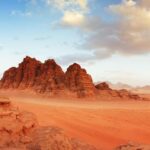
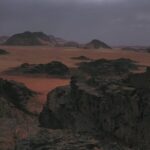
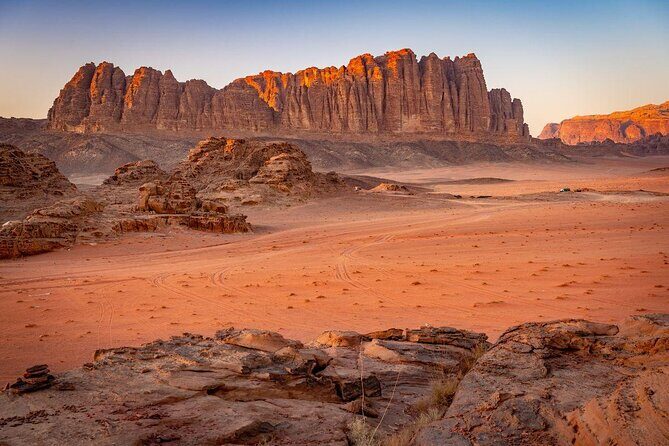
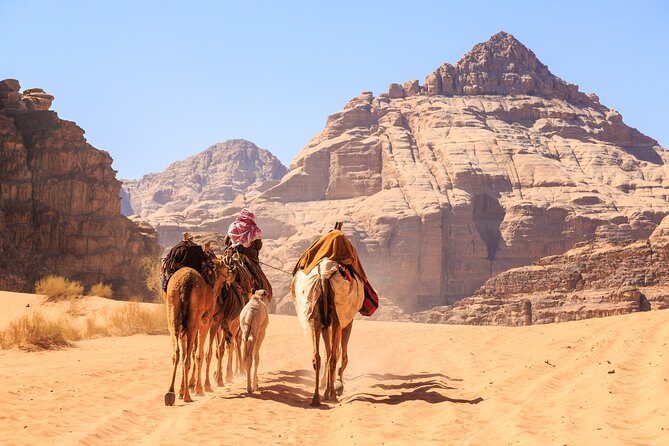
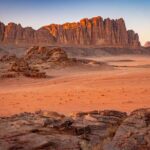
Then the trip goes south into Wadi Rum, sometimes called the Valley of the Moon. You’re taken by road from Petra, and the experience here is designed around one of Jordan’s strongest selling points: the desert isn’t a side quest—it’s a full portion of your trip.
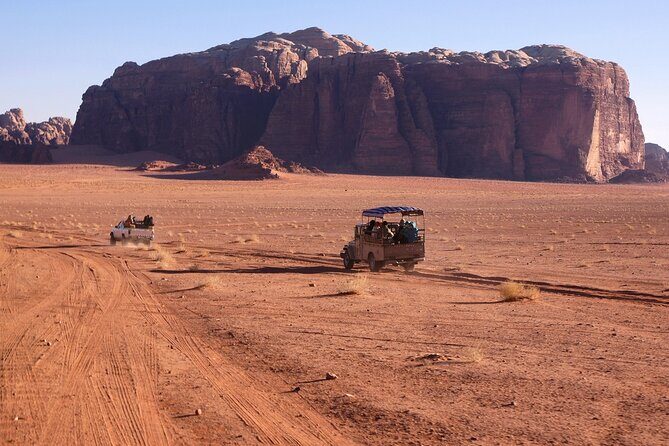
The included experience is a classic 2-hour 4×4 jeep ride through mountains, dunes, and canyons. You’ll hear about the Bedouin connection to the place, plus the T.E. Lawrence story—he’s known as Lawrence of Arabia—and the way locals named many sites after him. There’s also a film connection mentioned: scenes from Lawrence of Arabia were shot here, and more recent productions have also used the area.
Your time allocation matters. You don’t just get dropped at a viewpoint and sent back. The ride is the point: you see how the terrain changes, not just what it looks like from one spot.
On the next morning, you’ll have Bedouin breakfast and then get free time in the desert. That split—guided jeep ride plus unstructured desert time—is exactly what makes Wadi Rum feel different from most day tours.
Dead Sea overnight: float time, hotel pools, and the spa add-on
After Wadi Rum, you transfer to the Dead Sea region for dinner and overnight at your hotel. That overnight is valuable because it turns the Dead Sea from a quick dip into an actual reset. On the next day, you get breakfast, then free time at the Dead Sea to use hotel facilities.
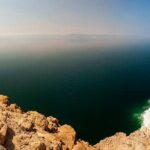
The key experience: you float. The Dead Sea is extremely salty, so you don’t swim the usual way. It’s also described as having extraordinarily high salt and mineral levels, and the schedule is built around that easy-to-understand main activity.
You’ll also want to plan for comfort. A swim suit is required, and hotel facilities include beach and pools for swimming. The spa is available, but it’s a personal expense, not included.
One detail I like: you have enough time to do this without feeling like you’re racing a timeline. The total dead sea block is set for several hours, which helps you manage the salty-water experience without rushing.
Price and what you get for $987.10 (and what costs extra)
At $987.10 per person, this price is competitive for a route that includes major sights plus an overnight in the Dead Sea area and a Wadi Rum desert night. A big part of the value is that many of the most expensive logistics are bundled: arrival/departure transfers, air-conditioned transport, and expert local guidance on the key site days.
Meals are also included: 8 breakfasts and 8 dinners. That’s not a small thing. Lunch costs add up fast in Jordan, and removing that decision every day makes the trip feel easier.
Also included: entrance fees to the sites listed in the program and the classic 2-hour Wadi Rum jeep tour. Local guides are included for Petra, Jerash, and the Saint George Church visit in Madaba (with the note that Spanish and French guides may be used based on availability).
What you should budget for:
- Lunches are not included.
- Beverages are not included.
- Gratuities are not included and are recommended.
- Amman Citadel, the Roman Theater, and the King Abdullah Mosque entrance fees are not included.
- Personal expenses and any services not mentioned.
If you use a Jordan Pass, there’s a reimbursement note: you should inform the operator so entrance fees in destination can be reimbursed. Also, Jordan Pass holders don’t require meet and assist service for visa exemption since free visa is included in the Jordan Pass.
Who this tour fits best (and who might want changes)
This works best for you if you want a structured “Jordan sampler” with the main highlights and not a travel-planning headache. You’ll like it if you enjoy guided context, especially at places like Jerash and Petra, where understanding what you’re looking at makes the scenes hit harder.
It also suits families or groups who like a clear daily plan. The small joined group size helps keep things human-sized, and centrally located hotels make evenings easier.
This may not be ideal if you want extra time at one single place. The schedule is designed for breadth—Amman plus Jerash plus Petra plus desert plus Dead Sea. If your priority is deep exploration of one site, you’d likely want a different plan with longer stays.
Also consider the practical side. Petra involves walking and stair-like routes if you choose the Monastery or High Place of Sacrifice. And the Dead Sea requires a swim suit.
Should you book this Best of Jordan tour?
I’d book it if you want maximum Jordan in one trip with guides, transport, and key entrance fees handled, plus the big emotional payoff moments: the Siq into the Treasury, the Wadi Rum 4×4, and floating in the Dead Sea after an actual overnight.
I’d hesitate if you care a lot about controlling every single entrance decision in Amman, because a few major fees in the Amman area are listed as not included. And if you’re hoping for slow travel with tons of free time in each city, you’ll want a more open schedule than this one.
FAQ
How long is the tour and how many nights are included?
The tour runs about 9 days and includes 8 nights of accommodation: 4 nights in Amman, 2 nights in Petra, 1 night in Wadi Rum, and 1 night in the Dead Sea area.
What meals are included?
Breakfast is included 8 times, and dinner is included 8 times, following the program.
Is airport transfer included?
Yes. Meet and assist upon arrival and arrival/departure airport transfers at Amman Queen Alia International Airport are included.
Do I get a guided visit at Petra and Jerash?
Yes. Petra includes a local English-speaking guide for the classic visit, and Jerash also includes a local English-speaking guide. Spanish and French guides may be used subject to availability.
What is included for Wadi Rum?
You get a classic 2-hour jeep tour by 4×4 in Wadi Rum. There is also Bedouin breakfast and additional free time in the desert.
Will I be able to float in the Dead Sea?
Yes. The experience includes free time at the Dead Sea region to enjoy floating in the salty water. Hotel facilities like beach and pools are available during the included time.
Do I need a swim suit for the Dead Sea?
Yes. A swim suit is required.
Are entrance fees included for everything in Amman?
Not everything. Entrance fees for Amman Citadel, the Roman Theater, and the King Abdullah Mosque are not included in the program.
Does the tour help with visa exemption service?
The tour includes a free visa exemption service for eligible travelers, applying to non-restricted nationalities with a minimum 48 hours stay in Jordan. You’ll need to contact the operator and send passport copies for meet and assist service.
What happens if weather is poor?
The experience requires good weather. If it’s canceled due to poor weather, you’ll be offered a different date or a full refund.
What’s the maximum group size?
The tour has a maximum of 9 travelers.
Should you book this Best of Jordan tour?
If you want a clear, high-impact route that hits Amman, Jerash, Petra, Wadi Rum, and the Dead Sea without you juggling transport and tickets, this is a strong pick. The included meals, the guided Petra and Jerash focus, and the Wadi Rum 4×4 plus Dead Sea overnight are the parts that make it feel like a complete Jordan experience rather than a rushed highlights drive.