REVIEW · AMMAN
8-Day Private Tour of Jordan, Jerusalem and Bethlehem
Book on Viator →Operated by VIP Jordan Limo · Bookable on Viator
A day like this starts with Cairo-calm, not crowds. You get a smooth, private route through Jordan’s big sights, then a full-on Holy City day in Jerusalem and Bethlehem. The pace is surprisingly sane, with one and a half days at the Dead Sea plus real time to enjoy the water instead of just posing for photos.
I really like two things here: the private, English-speaking driver who keeps the plan moving, and the way the trip balances sacred sites with downtime. When Mohammed and Emad were your points of contact, the communication was clear, and they handled requests without making everything harder. The one drawback to consider is that this itinerary also depends on the Jordan Pass and extra entrance fees, so your final cost can climb if you expect everything to be included.
In This Review
- Key Highlights You’ll Feel From Day One
- Private Jordan and Holy Land: The Smart Way to Link It All
- Arrival in Amman: Get Oriented, Then Actually Relax
- Ajlun Castle and Jerash: Jordan’s Roman-Era Surprise, Without the Rush
- Madaba Mosaics and Mount Nebo: Religious Sites With Big Sky Views
- Al‑Maghtas and Night to the Dead Sea: A Calm Turn After Busy Holy Stops
- One and a Half Dead Sea Days: Why the Schedule Works
- King Hussein Bridge to Jerusalem: The Holy City Day (With Tickets Where It Counts)
- Old City Walls and Bethlehem Museum: The Parts People Forget to Plan
- Wadi Musa to Petra: Transition Day Done Right
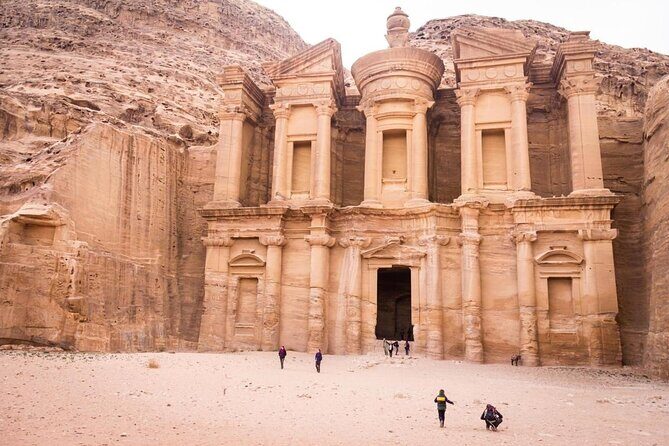
- Petra: The World Wonder Stop (And the One Thing I’d Adjust)
- Wadi Rum Sunset: Desert Theater at the Right Moment
- Flying Out: Easy Exit With Queen Alia Airport Timing
- Price and Value: What You’re Actually Paying For
- Who This Tour Fits Best
- Should You Book This 8-Day Private Tour?
- FAQ
- Do I need the Jordan Pass for this tour?
- Does the tour include accommodation?
- What’s included with the private transportation?
- Are entrance tickets included?
- Is there pickup from the airport?
- Are optional activities like camel rides or hot-air balloons included?
- What happens if I cancel?
Key Highlights You’ll Feel From Day One
- Airport meet-and-greet plus a straightforward transfer into Amman so you’re not scrambling after landing.
- Dead Sea time that’s not rushed, with hotel access for floating, swimming, and getting a massage or using facilities.
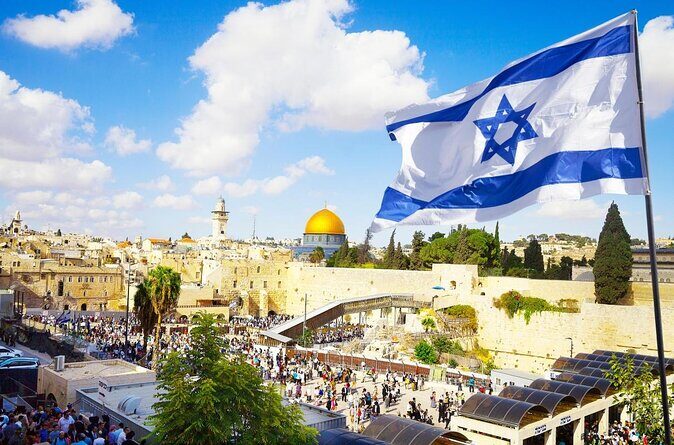
- Jerusalem’s must-see cluster in one day: Temple Mount (ticket included), Mount of Olives, and the Church of the Holy Sepulchre.
- Old City ramparts time for the big views, plus structured stops around the key holy landmarks.
- Petra with a solid chunk of time, paired with the best kind of desert payoff: Wadi Rum sunset.
- Private-only group, so the itinerary works better for couples, families, and friends who want control.
Private Jordan and Holy Land: The Smart Way to Link It All
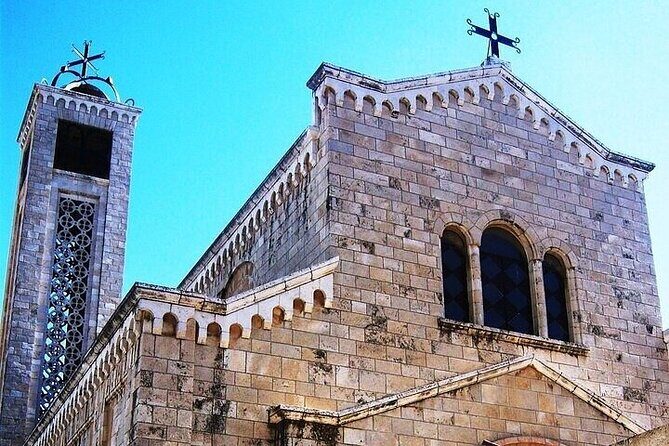
This kind of trip works best when you want two different moods in one package: Jordan’s wide-open travel days and the tighter, older-feeling streets of Jerusalem. That’s exactly what this tour does. You start in Amman, work north-to-south across Jordan, then cross into Jerusalem and Bethlehem for the big religious sites, and finish with Petra and Wadi Rum.
The private setup matters more than you might think. You’re not sharing a bus with strangers, and your driver can adjust around timing at viewpoints, entry lines, and meal rhythm. Even better, the vehicle includes free Wi‑Fi and mineral water, and you’re allowed a small or medium bag, which cuts down on hassle when you’re moving hotels and crossing borders.
Price-wise, $1,878.85 per person is not cheap. But it’s also not just for sightseeing tickets—this is a private, air-conditioned vehicle for the whole circuit with an English-speaking driver and help coordinating the day-to-day flow. The catch is that the tour does not include accommodation and guide fees unless your option says otherwise, and most attractions have entrance fees you’ll pay separately.
You can also read our reviews of more private tours in Amman

Arrival in Amman: Get Oriented, Then Actually Relax
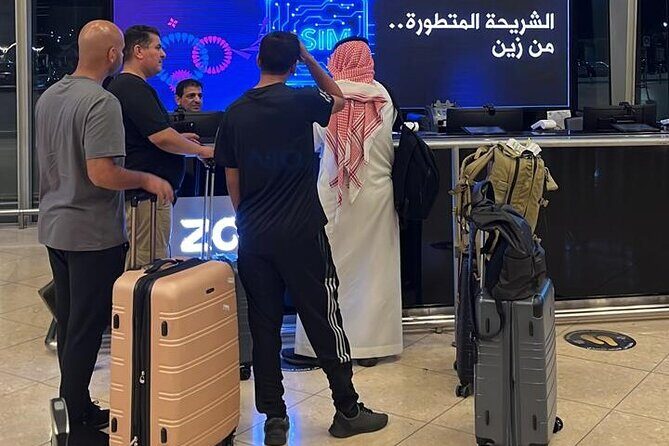
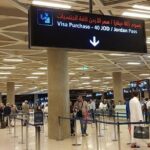
On Day 1, you’re met at Queen Alia International Airport with a sign and taken into Amman, about a 30-minute transfer. Once you check in, the rest of the day is free, which is a small but valuable design choice. Jet lag doesn’t care how exciting a plan looks on paper.
Amman is a practical base for this itinerary because it connects smoothly to the north (Ajlun and Jerash), then to central (Madaba and Mount Nebo), and on toward the Dead Sea and border crossing. If you arrive with energy, you can still do something casual in the evening. If you arrive tired, you get the gift of a quiet start.
Ajlun Castle and Jerash: Jordan’s Roman-Era Surprise, Without the Rush
Day 2 leans into two very different ruins, both worth your time.
First comes Ajlun Castle (Qala’at ar-Rabad), a 12th-century Islamic castle perched on a hill in the Jabal Ajloun area. Castles like this aren’t just scenic. They were built for control—watchpoints over routes and valleys. Even if you’re not a ruins superfan, the hilltop setting makes it easy to feel why it mattered.
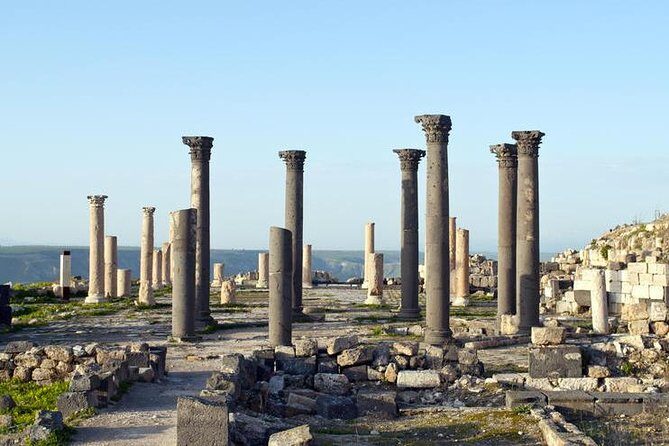
Then you head to Jerash, known for a blend of Greco-Roman and local influences. This is one of those places where the ruins feel like a city system, not scattered stones. You’ll likely love Jerash if you want architecture that reads clearly—columns, streets, and large areas designed for gatherings and processions.
A consideration: both sites are weather-dependent. The tour notes spring conditions and lush surroundings, so plan for comfort and bring layers. If you’re sensitive to heat later in the day, you’ll be glad the schedule includes a day that’s not packed with too many stops.
Madaba Mosaics and Mount Nebo: Religious Sites With Big Sky Views
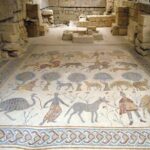
Day 3 starts with Madaba Mosaic Map, a short stop that’s easy to fit in without feeling rushed. Madaba earns its nickname as the City of Mosaics, and this is the kind of attraction that helps you picture the region’s historical geography. Even if you don’t know every reference, it gives you a visual anchor before the mountain viewpoints later.
Next is Mount Nebo, a sacred mountain around 1,000 meters high. The payoff is the view—on a clear day, you can see the Dead Sea, Bethlehem, and even Jerusalem. This is one of those moments where the landscape is literally doing work for the story. When you stand up there, the distances make sense.
Al‑Maghtas and Night to the Dead Sea: A Calm Turn After Busy Holy Stops
Still on Day 3, you visit the Baptism Site of Jesus Christ (Al‑Maghtas). This stop is listed as two hours and is followed by heading to the Dead Sea at night.
That timing can be smart. Arriving later means you avoid some of the day’s hottest light, and the Dead Sea atmosphere tends to feel more relaxed once the glare drops. The tour then lands you at the Dead Sea region hotel, where the rest of the day is about downtime.
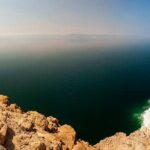
The Dead Sea is where this tour earns serious points. Instead of treating it as a photo stop, you get a full hotel-based block: you can use facilities like massages, flotation, and swimming. In a region full of walking and entry lines, this is your reset.
One and a Half Dead Sea Days: Why the Schedule Works
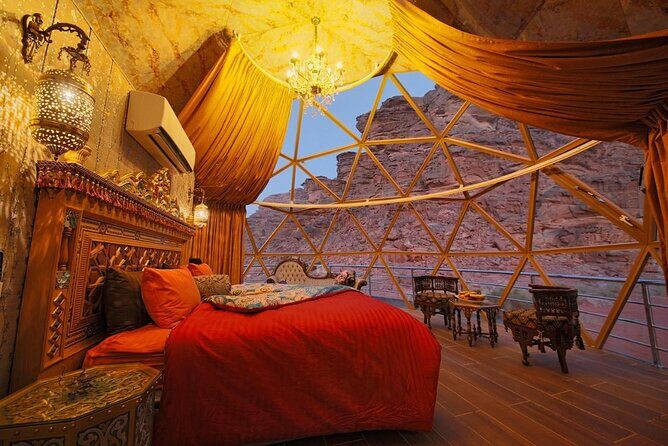
Day 4 is a leisure day entirely at the Dead Sea region. You’re in touch for the next day details and pickup time, but you’re free to choose how you want to spend it.
Here’s why this matters: most multi-country plans cram in the water but don’t give you recovery time. Your body needs it after ruins and walking days, and your mind needs it after religious-site intensity. If you want to read, soak, or just float and do nothing, this is built for that.
Practical tip: bring swim items and something easy to rinse off. Dead Sea mineral water can be great for the experience, but it also means you’ll want a plan for getting comfortable afterward. Your hotel facilities are part of the value here.
King Hussein Bridge to Jerusalem: The Holy City Day (With Tickets Where It Counts)
On Day 5, after breakfast you drive to cross toward Jerusalem via the King Hussein Bridge. You then start your Jerusalem route with several major stops designed to cover the headline locations in a single day.
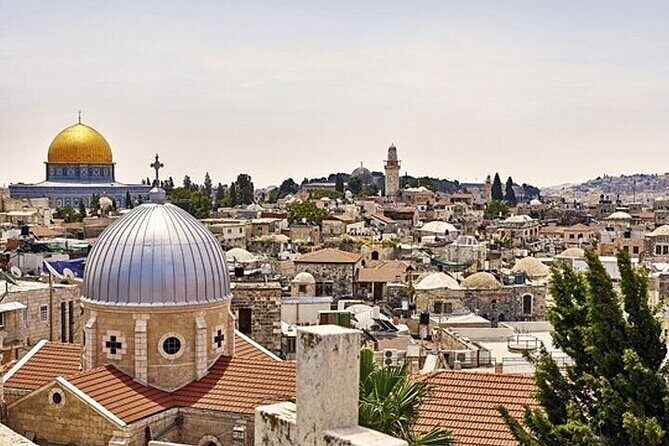
First is Mount of Olives, known for churches and for having what’s described as the oldest continually used cemetery in the world. Even if you’re not deep into religious pilgrimage, you’ll likely enjoy the panoramic views of the Old City from the peak. It’s one of those “stop and look twice” vantage points.
Next is Temple Mount (Haram Al‑Sharif). This is the one Jerusalem admission included on the itinerary. It’s also a place where different faith traditions intersect, which means you should plan to be respectful and expect rules. The visit is listed as about an hour, which is enough time to take in the main plaza and the central landmark, but not enough to treat it like a self-paced history seminar.
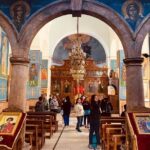
Then comes Church of the Holy Sepulchre, listed as one hour, but not included for admission. It’s described as Jerusalem’s holiest site for Christian pilgrims, tied to the crucifixion location and the end of the Via Dolorosa route. This can be crowded depending on the day and time, so having a time slot matters.
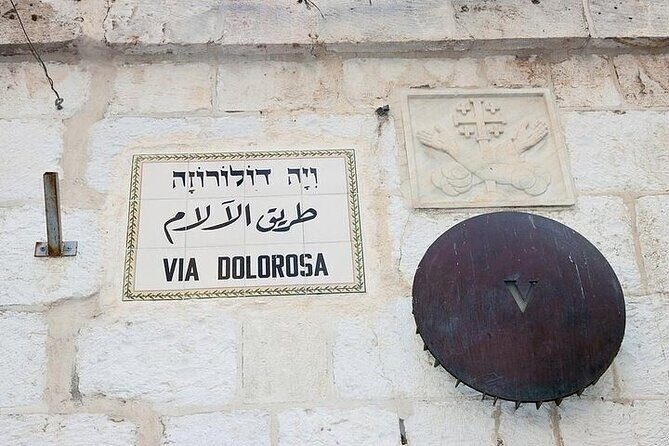
After that, you walk part of the Via Dolorosa (Way of the Cross). The route follows the Stations of the Cross. The itinerary notes that you can follow independently, and if you’re there on a Friday you can join a procession led by Italian Franciscan monks. Treat this as a slower, reflective walk rather than a checklist sprint.
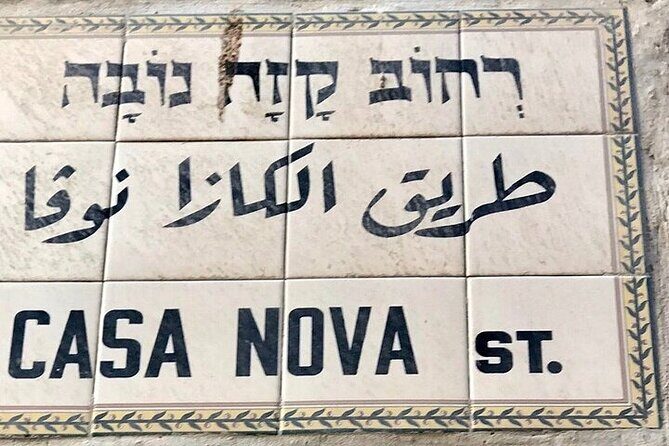
You also stop at Ma’ale HaShalom Street near Mount Zion, with access points tied to several traditions, including areas associated with the Last Supper, the Dormition, and St. Peter of Gallicantu. If you like Jerusalem as a layered city—one hill, many meanings—this segment will land well.
Old City Walls and Bethlehem Museum: The Parts People Forget to Plan
Day 5 also includes time in the Old City of Jerusalem, plus a stop that’s practical for getting your bearings: walking on the ramparts. The itinerary points out two walk options from Jaffa Gate toward Lion’s Gate or toward Dung Gate. Even a one-hour wall walk changes how the Old City feels.
Then you head to Bethlehem for the Bethlehem Museum. This is about 2 hours and is a good choice if you want context without feeling like you’re rushing to the next church entry. Bethlehem is about 10 km south of Jerusalem, and the museum stop helps you understand why this city matters historically and spiritually—especially with Christmas pilgrimage season in mind. You’re also reminded that Bethlehem connects to Old Testament references and that Rachel’s Tomb is at the northern entrance.
A consideration: Bethlehem is a different rhythm from Jerusalem. You’ll likely enjoy the museum if you want a break from constant outdoor walking and crowds, but don’t expect this stop to replace a full church-focused day.
Wadi Musa to Petra: Transition Day Done Right
Day 6 is a transfer into Wadi Musa, where you arrive for overnight near Petra. The itinerary lists it as 12 hours, with admission free, which suggests a long travel day handled by the private driver.
This is where private transportation earns its keep. You’re not trying to coordinate taxis or public transport across changing border and road conditions. You’re also not losing your whole day to logistics, because the tour builds in the movement and the overnight placement you need.
Petra needs energy. The following day is your main exploration block, so this “get there and sleep” segment matters.
Petra: The World Wonder Stop (And the One Thing I’d Adjust)
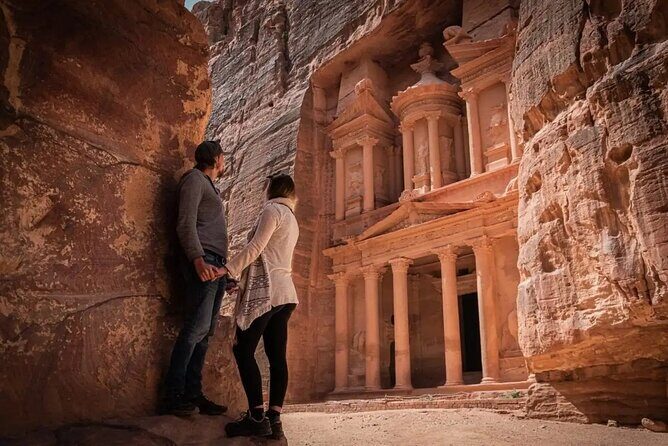
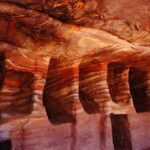
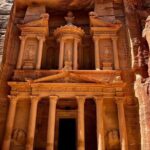
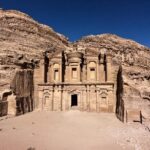
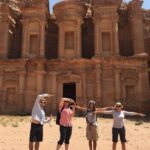
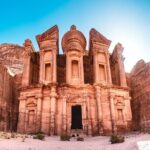
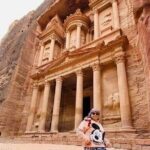
Day 7 is Petra, scheduled for about 6 hours. That’s a meaningful amount of time, and it’s long enough to see major sections without turning the day into a foot race. Petra rewards people who slow down—watching how rock-cut architecture shifts with the light.
But here’s the drawback I’d highlight: if you’re the type who likes to wander and linger, 6 hours can feel like a tight window. One review noted they wished Petra time were longer, and I think that’s fair. If Petra is the top reason you booked this trip, consider adding extra time before or after your tour block (if you can) or choosing a different tour length that gives you breathing room.
Wadi Rum Sunset: Desert Theater at the Right Moment
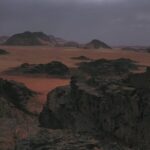
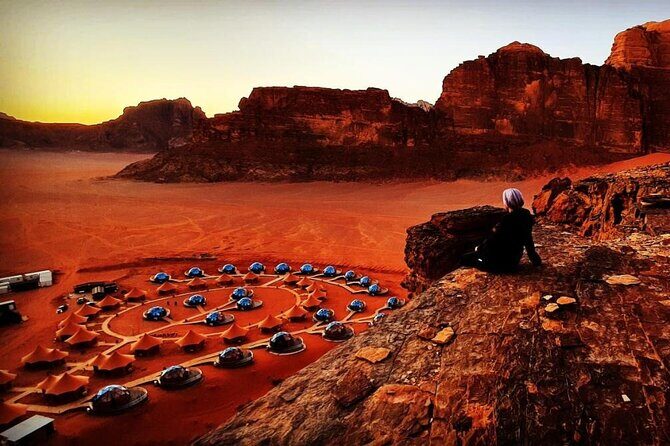
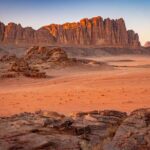
After Petra, you go to the Wadi Rum Protected Area for the Moon Valley and a memorable sunset. The itinerary lists a long time window (15 hours) and notes it’s for the kind of sunset you remember for years.
This is where the emotional payoff kicks in. Petra gives you carved stone drama. Wadi Rum gives you open sky and rock towers in wide angles. It’s also a nice change from the more structured, entrance-ticket-driven days.
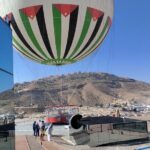
The tour does mention that optional activities like a hot-air balloon ride or camel ride are available at extra cost. So you can decide whether to keep it simple or add something more.
Flying Out: Easy Exit With Queen Alia Airport Timing
On Day 8, you drive back to Queen Alia International Airport. The itinerary gives a rough 3 to 3.5 hour transfer in the evening. It’s a clean ending: no last-minute sightseeing squeeze, just time to say goodbye and get to the airport.
Price and Value: What You’re Actually Paying For
At $1,878.85 per person, you’re paying for a lot more than entry tickets. You’re paying for:
- Private transportation in an air-conditioned modern vehicle
- An English-speaking driver
- Free Wi‑Fi and mineral water in the car
- Dead Sea downtime with hotel access for facilities
- Coordination across Amman, the Dead Sea, Jerusalem/Bethlehem, and Petra/Wadi Rum
What can change your final total is what’s not included:
- The Jordan Pass must be obtained before travel
- Accommodation and guide/optional transfers are not included unless your tour option says otherwise
- Entrance fees are mostly not included, with Temple Mount specifically noted as included
So the best way to think about the price is this: it’s strong value if you want a private, single-team logistics setup through multiple regions. It’s less of a deal if you already have hotels arranged and you’re comfortable handling transportation and ticket logistics yourself.
Who This Tour Fits Best
This itinerary makes a lot of sense for:
- Couples or small groups who want privacy and cleaner logistics
- People who want Jordan highlights plus Jerusalem/Bethlehem without switching companies
- Travelers who appreciate a buffer day at the Dead Sea
- Anyone whose priority is Petra and big-sky desert scenery (especially Wadi Rum)
If you’re the type who lives for short stops and fast museum hopping, the Holy City day may feel full. On the other hand, if you hate long travel days, the schedule does include several long movement blocks, like the Petra/Wadi Musa transition and the Wadi Rum stretch.
Should You Book This 8-Day Private Tour?
If you want an easy, private way to connect Jordan, Jerusalem, and Bethlehem—while still getting real downtime at the Dead Sea—this tour is a strong pick. The private driver setup and the Dead Sea leisure block are the parts that make the trip feel smoother and more human.
Before booking, I’d sanity-check three things:
1) What your option includes for accommodation and any guide/optional transfers.
2) How much you’re expecting to spend on entrance fees and the Jordan Pass.
3) Whether 6 hours at Petra matches your style, since some people want more time there.
If you’re good with planning entrance costs and want the rest handled privately, I’d book it.
FAQ
Do I need the Jordan Pass for this tour?
Yes. The tour requires you to obtain the Jordan Pass before your travel date.
Does the tour include accommodation?
Accommodation is not included unless your tour option specifies it.
What’s included with the private transportation?
You get private transportation in a modern air-conditioned vehicle, an English-speaking driver, free Wi‑Fi and mineral water on board, and each tourist can bring a small or medium-sized bag.
Are entrance tickets included?
Most attractions are not included. The itinerary specifically lists Temple Mount as admission included, while other stops are noted as not included.
Is there pickup from the airport?
Yes. You are met at Queen Alia International Airport with a name-sign welcome and then transferred to your Amman hotel.
Are optional activities like camel rides or hot-air balloons included?
No. Hot-air balloon and camel ride options are available at an extra cost.
What happens if I cancel?
This experience is non-refundable and cannot be changed for any reason.
If you tell me your travel month and whether you’re staying in a standard hotel or a higher-end setup, I can suggest what kind of budget to plan for entrance fees and upgrades.