REVIEW · AMMAN
8-Day Classic Private Guided Tour Of Jordan
Book on Viator →Operated by JORDAN SPECTRUM · Bookable on Viator
Jordan moves fast, and this route keeps up. From the moment you land, this is built around private guided touring that links the big Jordan stops with smooth, practical support, including airport paperwork and visa handling before you even reach the passport desks.
I especially like the way the plan protects your time: Petra and Jerash include local tour guidance, so you’re not just walking around, you’re actually making sense of what you see. The other win is the Wadi Rum 2-hour jeep excursion, which is the best way to cover real desert ground without turning the day into a slog. One drawback to think through: lunch is not included (and most dinners are), so you’ll want to budget extra or have a snack plan for travel days.
In This Review
- Key Highlights You’ll Feel on This Jordan Classic
- How This 8-Day Jordan Route Balances Big Names and Real Places
- Amman Arrival: Visa Help and a Driver You Can Spot
- Desert Castles and Azraq: Qaser Amra, Qaser Kharaneh, and Saladin’s Borderlands Feeling
- Ajloun Castle and Jerash: From Medieval Control to Roman Decapolis Glory
- Mount Nebo, Madaba Mosaics, and the Kings’ Road: Faith Meets Trade Routes
- Petra Full Day: The Siq Lead-In and Your Best Shot at Not Rushing
- Little Petra and Wadi Rum: Walking Room Plus a Proper Desert Tour
- Dead Sea by Private Beach: Float Time, Mud Therapy, and Then Wind-Down
- Hotels, Included Tickets, and the Real Value Behind the Price
- Who This Private Jordan Classic Fits Best
- Should You Book This Jordan Classic Private Guided Tour?
- FAQ
- How does the visa process work when I arrive in Amman?
- Is this tour private?
- What are the included meals?
- Do I get local guides?
- How much time is included for Wadi Rum by jeep?
- Are entrance tickets included?
- Where does the tour start and end?
- What’s the cancellation refund window?
Key Highlights You’ll Feel on This Jordan Classic
- Airport-to-hotel handoff plus visa prep right at Queen Alia International Airport, so day one stays low-stress
- Local guides in Petra and Jerash, which helps you understand Nabatean and Roman sites instead of just photographing them
- Desert Castles near Amman (Qaser Amra, Qaser Kharaneh, Azraq citadel) for an Islamic-art stop most first-timers skip
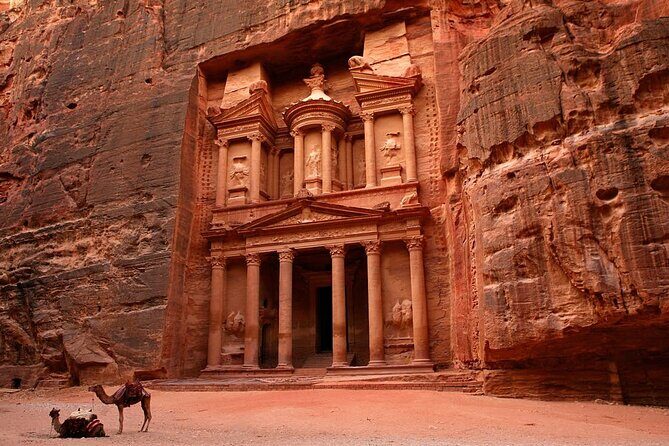
- Petra full-day focus with the Siq lead-in and time for the Treasury and major areas like the Royal Tombs and Monastery/High Place area
- Wadi Rum jeep time plus “Valley of the Moon” vibes, with room for walking and rock drawings
- Dead Sea private beach swim on the lowest point on earth, with the mud and float experience built in
How This 8-Day Jordan Route Balances Big Names and Real Places
This kind of Jordan trip can go one of two ways: either you rush through the postcard hits, or you slow down enough to understand why the places matter. This itinerary tries to do the second part without losing the first.
You start in Amman, then work outward in a logical arc: desert sites near the capital, up to Ajloun and Jerash, down the Kings’ Road area with Mount Nebo and Madaba, then the heavyweights (Petra, Wadi Rum, Dead Sea). The rhythm matters because you’re not only “collecting monuments.” You’re also seeing how different regions of Jordan shaped trade, faith, and power.
Also, the tour is private, so the day pacing and photo stops are easier to manage. That matters in Jordan where the best moments often come when the group can pause, not when everyone needs to move on a schedule.
You can also read our reviews of more guided tours in Amman

Amman Arrival: Visa Help and a Driver You Can Spot
Day one is basically about getting you settled with minimal friction.
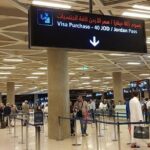
When you land at Queen Alia International Airport (QAIA), you’ll see a representative with a name tag before you hit passport control. They handle airport paperwork, help apply your visa through the agency, and then return your passport to you. After you pick up luggage, you meet your driver at the exit—again, with a matching name tag.
It’s a small thing, but it sets the tone. You’re not searching for counters, figuring out who does what, or dealing with last-minute paperwork while tired. Start-of-trip smoothness makes the rest of the days feel easier.
Practical note: the tour meeting start time is listed as 10:00 am, so plan your arrival timing with enough buffer that you’re not arriving right at the edge of the day’s logistics.
Desert Castles and Azraq: Qaser Amra, Qaser Kharaneh, and Saladin’s Borderlands Feeling
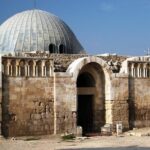
After breakfast, you head into the Jordanian desert region for three major stops: Qaser Amra, Qaser Kharaneh, and the citadel of Azraq.
What I like about this day is that it gives you a different Jordan than Petra. Yes, it’s “castle” country—but not in the medieval castle Disney way. These desert complexes were practical stations for caravans, agricultural and commercial activity, refreshment points, and outposts that helped distant rulers stay connected with local Bedouin communities.
You’ll see examples of Islamic art and architecture, plus stuccos and engravings that draw on Persian and Greco-Roman traditions. That blend is one of the most interesting themes in Jordan: cultures overlap here, and the art shows it.
If you’re short on energy, this day can still feel like a warm-up rather than a full-on endurance test. If you’re the type who loves details—ornament, stonework, and how people lived—this will be a genuine highlight.
Ajloun Castle and Jerash: From Medieval Control to Roman Decapolis Glory
Day three combines two strong worlds in a way that stays easy to follow.
First you go through pine and olive forests to Ajloun Castle (Qal’at Ar-Rabad). Built in 1184 A.D. by a general of Saladin, it helped control iron-mining activity and protect routes. It also watched key roads leading into the Jordan Valley, protecting trade between Jordan and Syria.
This stop is more than a viewpoint. You get a sense of how geography mattered—who held the roads, who guarded the passes, and why a fortress in the hills could shape commerce.
Then you continue to Jerash (Gerasa). Jerash is the kind of ancient city that feels complete: it’s been continuously inhabited for over 6,500 years, and the Romans conquered it in 63 BC, making it one of the Decapolis cities.
Jerash can be huge, so having a local guide here is a real value. It turns “wow, columns” into “I get how this city worked.” You also get context for what you’re seeing before you’re tired and just trying to remember names for photos.
Mount Nebo, Madaba Mosaics, and the Kings’ Road: Faith Meets Trade Routes
Day four is a spiritual-and-cultural day with real on-the-ground payoff.
You start at Mount Nebo, tied to Moses, the view over the Holy Land of Canaan, and a place Christians have visited as a pilgrimage destination. Even if you’re not traveling for religion, this stop works because of how it frames the region’s geography.
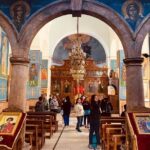
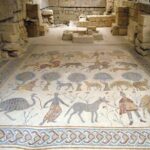
Next is Madaba, known as the city of mosaics. The main attraction is a mosaic kept in the contemporary Greek Orthodox church of St. George. Madaba is where you start to feel how art became a way to map the world—literally laying out images that help people imagine distant places.
From there you head south on the Road of the Kings, a trade route that runs about 200 miles along the ridge. Then you continue onward toward Kerak through the Wadi al Mujib canyon area.
A practical note: this day involves driving through some striking canyon scenery, but it’s not the kind of route where you want to sleep through everything. Bring a water bottle, and keep your camera ready for surprise viewpoints.
You can also read our reviews of more private tours in Amman
Petra Full Day: The Siq Lead-In and Your Best Shot at Not Rushing
Petra is the day you’ve been planning for, so the best version of Petra is the one where you feel the sequence.
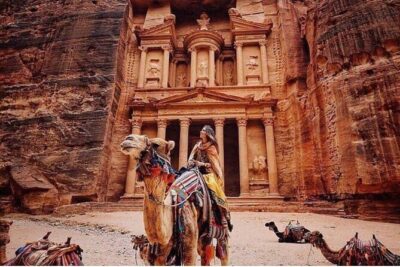
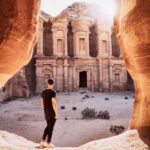
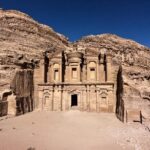
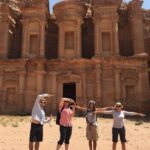
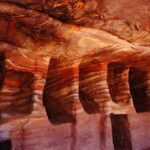
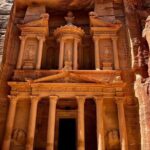
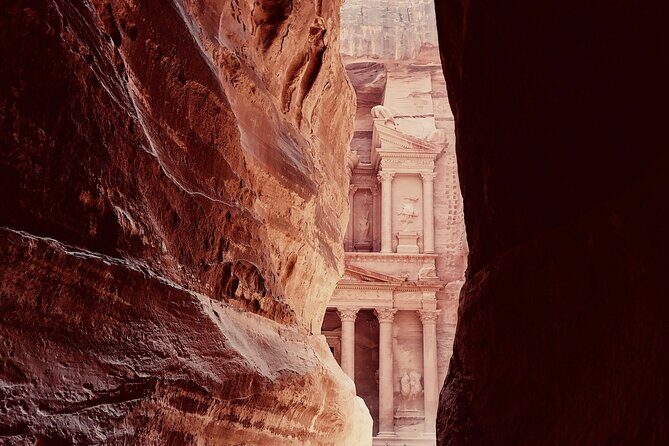
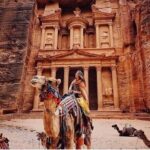
The tour’s Petra day starts with a walk of about 700 meters up to the entrance of the narrow Siq, the spectacular gorge that channels you toward the open moment where you first glimpse the Treasury (El Khazneh).
Here’s why that matters: Petra’s design is storytelling. The Siq is the slow build. The Treasury reveal is the payoff. If you rush, you miss the point.
After that, you continue through major areas such as the Royal Tombs, the Cardo, temples, churches, museums, and the Monastery/High Place of Sacrifice area. Because Petra is so spread out, the included entrance tickets and having a guide helps you choose what to prioritize without wasting time.
Drawback to consider: Petra takes time and walking. Even if you’re in good shape, you’ll likely feel it. Pace yourself early. If you start tired, you’ll end the day “surviving” instead of enjoying.
Little Petra and Wadi Rum: Walking Room Plus a Proper Desert Tour
Day six shifts from ancient city drama to desert space.
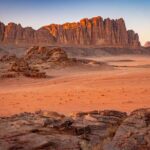
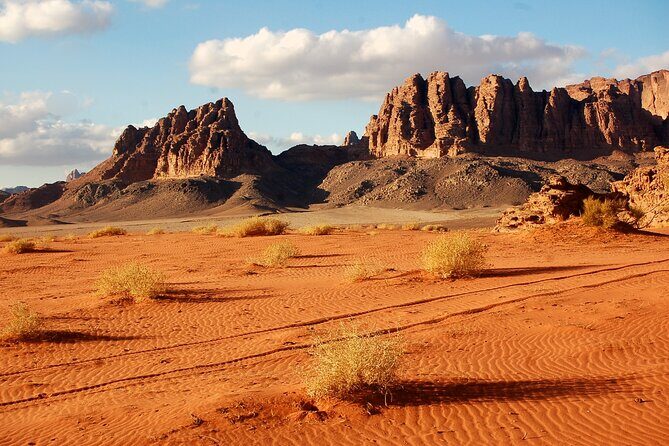
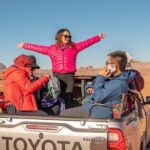
You begin with Little Petra (the Neolithic village), then continue onward to Wadi Rum. This is the big desert day of the trip, and it includes about 2 hours of jeep excursion.
Wadi Rum is described through the lens of T.E. Lawrence and also connected to Prince Faisal bin Hussein in the tour narrative. What that means for you on the ground is that the desert isn’t treated like background. It’s the main character.
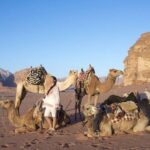
Expect monolithic rock formations rising up to 1,750 meters, plus canyons and water wells. You may also have a chance to see rock drawings said to be around 4,000 years old. There’s also mention of the “Valley of the Moon” nickname, which fits the way the light and rock shapes make everything feel otherworldly.
This day is also a good place to get your steps in at a comfortable pace. If you love walking, you can explore and slow down. If you don’t, the jeep time still gives you a “covered the highlights” feeling without forcing a long trek.
Even better, the evening plans are supported—your itinerary includes the Wadi Rum dinner as part of the package.
Dead Sea by Private Beach: Float Time, Mud Therapy, and Then Wind-Down
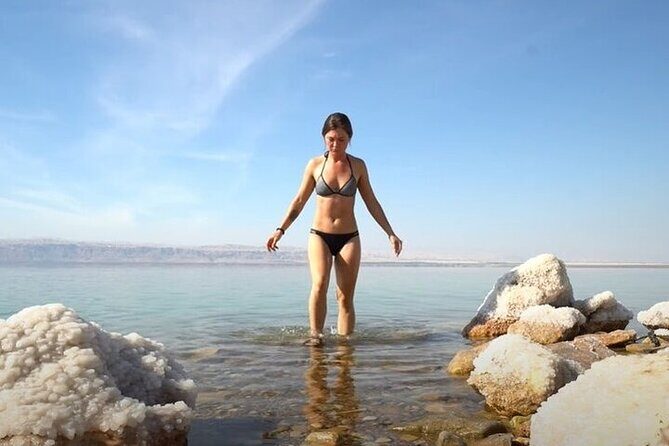
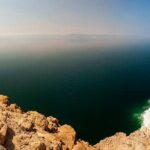
Day seven goes to the Dead Sea, the lowest point on earth at about 400 meters below sea level.
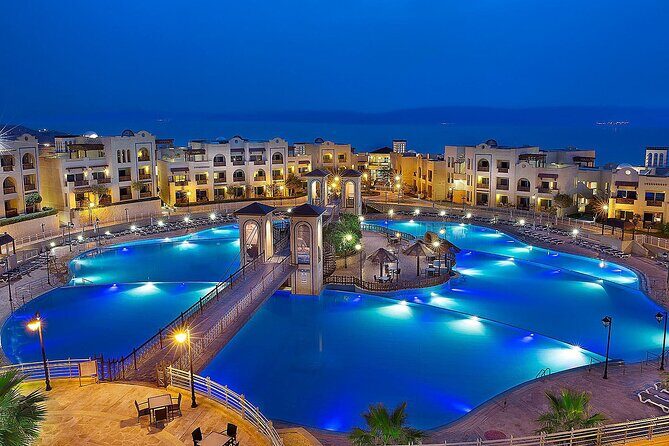
The shore on this side is described as quiet and lightly populated, and that’s exactly what you want after days of walking and sightseeing. The plan includes entry to a private beach for bathing, plus the Dead Sea mud experience and the chance to enjoy calm water where it’s virtually impossible to sink.
This is one of those experiences where your expectations matter. Don’t fight the water; relax into it. If you try to swim like normal, you’ll get tired fast. Let the buoyancy do the work.
Also, plan for a rinse afterward. Salt and mud can linger, and your skin will thank you for taking the basics seriously.
Hotels, Included Tickets, and the Real Value Behind the Price
The tour price is listed at $1,509.89 per person, for roughly 8 days. That number can feel big until you break down what’s actually included.
Here’s what you do get that reduces your “extra spending pain”:
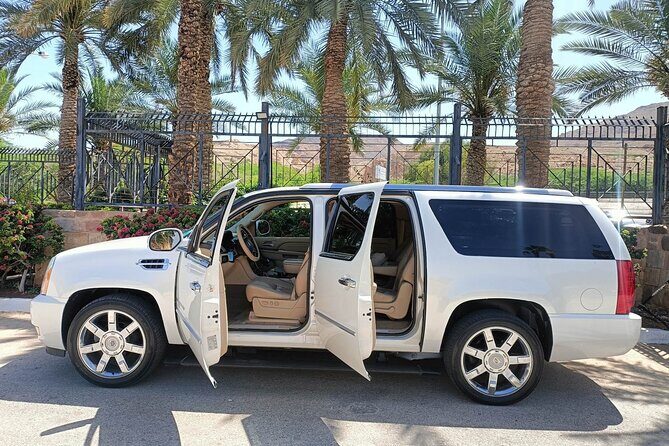
- Air-conditioned vehicle for transport
- Overnights in a double room with breakfast (BB treatment)
- All entrance tickets for the sites on the itinerary
- Local tour guides in Petra and Jerash
- About 2 hours of jeep excursion in Wadi Rum
- Dinner included (and Wadi Rum dinner included as part of the package structure)
- 24/24 support
- A free visa procedure through the agency
- Private setup: only your group
What you don’t get is equally important:
- Lunch and most meals aren’t included, aside from dinner arrangements noted above.
- Drinks for meals at hotels are not included.
- Health insurance and repatriation aren’t included.
So the value story is this: you’re paying for logistics, guide time where it counts, and the entry fees that add up fast across Petra, Jerash, and all the supporting stops.
If you’re the kind of traveler who hates coordinating, second-guessing, and ticket lines, this package can be a good fit. If you’re fine building your own route and hunting down tickets yourself, you might find cheaper. But you’ll give up some of the stress-free structure.
Who This Private Jordan Classic Fits Best
This tour makes the most sense if:
- You want a private guided experience without group pressure
- You care about understanding what you’re seeing, especially in Petra and Jerash
- You like a mix of faith sites, desert scenery, and major historic stops
- You want clear daily structure instead of planning your own day-by-day logistics
It also suits couples, small families, and anyone traveling with a schedule that needs to stay predictable. The itinerary is also built around many well-known icons, so it’s a strong first Jordan trip.
Should You Book This Jordan Classic Private Guided Tour?
I’d book it if you want Jordan to feel organized from the first handshake at QAIA to your last transfer back to the airport. The standout strengths are the airport visa/paperwork help, the local guiding in Petra and Jerash, and the way the desert days are handled with a mix of driving and time on foot.
Think twice if you have a tight food budget or hate planning for extra meals, because lunch isn’t included and you’ll want to be ready for travel days without that built-in buffer.
Bottom line: if your priority is seeing Jordan’s best hits with less hassle and better context, this is a solid choice.
FAQ
How does the visa process work when I arrive in Amman?
A representative meets you at Queen Alia International Airport before passport control to handle airport paperwork, apply the visa through the agency, and then return your passport to you.
Is this tour private?
Yes. It’s a private tour/activity, and only your group participates.
What are the included meals?
Breakfast is included for the tour days listed (7 breakfasts). Dinner is included, and a dinner is specifically included for the Wadi Rum portion. Lunch and other meal drinks are not included unless stated otherwise.
Do I get local guides?
Yes. The tour includes a local tour guide in Petra and Jerash.
How much time is included for Wadi Rum by jeep?
You’ll get about 2 hours of jeep excursion in the Wadi Rum desert.
Are entrance tickets included?
Yes. All entrance tickets for the tourist sites on the itinerary are included.
Where does the tour start and end?
It starts at Queen Alia International Airport (Amman) and ends back at the same meeting point.
What’s the cancellation refund window?
You can cancel up to 6 days in advance for a full refund. Cancel 2–6 days before for a 50% refund. Cancel within 2 days for no refund.