REVIEW · AMMAN
5 Day Tour: Amman Petra Jerash Mount Nebo Baptism site Wadi Rum & Dead Sea
Book on Viator →Operated by Jordan Private Tours and Travel · Bookable on Viator
Jordan hits hard in five days. This Amman-based route lines up Petra, Wadi Rum, Jerash, the Dead Sea, Mount Nebo, and desert castles, with a driver and lodging handled so you can focus on the sites instead of solving transport.
I love the logistics: hotel breakfasts in Amman plus one night in a Wadi Rum Bedouin camp with dinner and breakfast. I also like the on-the-road pacing—long drives, yes, but the days are structured so you still have meaningful time in each place instead of sprinting for photos.
One possible drawback: entry fees and local site guides aren’t included, so you’ll want to budget for add-ons. If you choose the small-group option, morning pickup and baggage rules are strict too.
In This Review
- Key highlights that matter
- Why this Amman-to-Jordan route is such good value
- The smart trade-off
- Day 1: Desert Castles near Amman, then the city’s Roman soul
- What to watch
- Day 2: Baptism site, Mount Nebo, and Madaba mosaics in one clean chain
- A practical tip
- Day 3: Jerash ruins plus Ajloun Castle—big awe, then a calmer view
- What could feel tight
- Day 4: Petra by the Siq to the Monastery, then Wadi Rum Bedouin camp overnight
- Wadi Rum camp reality check (it’s part of the charm)
- Day 5: 2-hour Jeep Safari, a possible Gulf of Aqaba beach stop, then the Dead Sea float
- Dead Sea tip that saves your trip
- Price and Logistics: what you’re paying for (and what you’re not)
- What you’re paying for
- Why Jordan Pass can be a smart add-on
- Included experiences that feel worth it
- The driver-led structure
- Petra’s walking time is framed well
- Wadi Rum overnight is the right kind of commitment
- Who this tour is best for
- Group vs private: choose based on your tolerance for rules
- Should you book this 5-day Jordan plan?
- FAQ
- What’s included in the price?
- Are Petra, Jerash, and other sites covered for entry fees?
- Do I need a Jordan Pass?
- Will you visit Aqaba and the Red Sea?
- How much walking is involved?
- What should I pack for the Wadi Rum overnight?
- Is the Wadi Rum camp comfortable?
- What are the pickup and rules like for the group option?
- What’s the cancellation deadline for a full refund?
Key highlights that matter
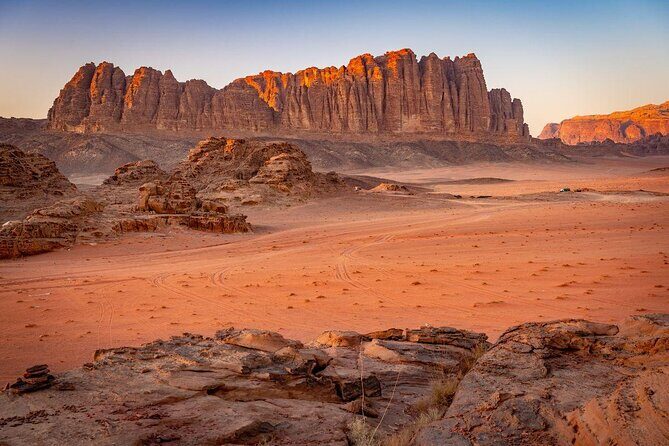
- Petra + Monastery with time to walk the main trails at a sane pace
- Wadi Rum Jeep Safari (2 hours) plus an overnight in a basic-but-well-placed Bedouin camp
- Mount Nebo and Madaba mosaics in the same day, with classic biblical-and-art stops
- Jerash and Ajloun to balance big famous ruins with a calmer castle viewpoint
- Dead Sea timing that’s designed around sunset (Aqaba only in summer months)
- Driver-led travel in an A/C vehicle, with hotel pickup/drop-off so you don’t wrestle logistics
Why this Amman-to-Jordan route is such good value
Jordan can be done DIY. But it can also turn into a full-time job: drivers to hire, timelines to manage, and too many decisions when you’re tired. This tour keeps the moving parts in one place.
At $849 per person for a 5-day, round-trip experience, the value comes from what’s already built in: transport from Amman, four nights of accommodation (3 in Amman hotels and 1 in a Wadi Rum camp), and guided movement between the big anchors—Petra, Wadi Rum, Jerash, Dead Sea. You’re paying for convenience, but also for coverage. In five days, this route hits a lot of Jordan’s “musts” without you charting the whole map.
Also, the operation’s reputation shows up in the details people care about: on-time pickup, a clean car, and drivers who help you avoid the usual tourist friction. Names I saw repeated include drivers like Khaled J, Hazem, Ahmed Habibi, Mustafa, Qutaibeh, and Achmed. That pattern matters because on this kind of itinerary, your driver’s skill and patience can make the difference between a smooth day and a stressful one.
A few more Amman tours and experiences worth a look

The smart trade-off
You’re not getting everything included. Site entry fees and local guide services are not included. So your final cost depends on how you handle Petra, Jerash, Dead Sea area entry, and whether you add local guiding at major stops. The upside is you have control over that spend. The downside is you must plan for it.
Day 1: Desert Castles near Amman, then the city’s Roman soul
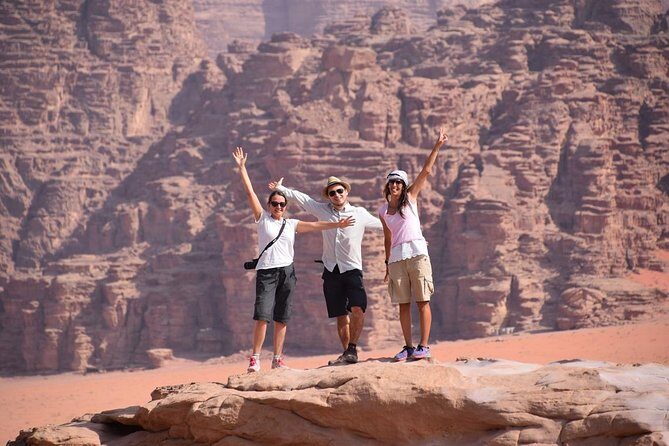
Day 1 starts early with a full day mix: desert castles and Amman history.
First come the desert castles—Qasr Amra, Qasr Al-Azraq, Qasr Al-Kharraneh. These sites are smaller than Petra and Jerash, but that’s the point. You get a different Jordan: quiet ruins out in the landscape, often less crowded, with architecture that feels like a travel time machine. Expect to move at a relaxed sightseeing pace, not a sprint.
Then you shift gears into Amman with a city tour:
- Amman Citadel
- Roman Theater and museum areas
- Downtown tour with Al-Husseini Mosque and old markets
- Lunch time is built in
This is a good way to land. If your first day was only Petra logistics, you’d feel like you arrived just to leave. Instead, you get a sense of Amman’s layers.
What to watch
Amman driving can be traffic-variable. The schedule is designed for a full day, so if you hate long days on arrival, you may want to keep your first evening low-key. Also, entry fees for those sites are not included, so plan on that day budget.
Day 2: Baptism site, Mount Nebo, and Madaba mosaics in one clean chain
Day 2 is one of the most satisfying “story-to-art” days because it strings biblical sites together with famous mosaic work.
The day’s flow is:
- Morning transfer to the Baptism site (Jordan River area)
- Tour of the site
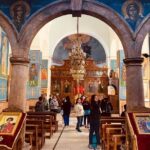
- Move to Mount Nebo, where you stop at the place associated with Moses viewing the Promised Land
- Lunch and shopping time around Madaba mosaic spots
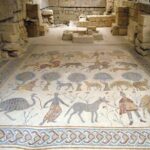
- St George’s Church and its mosaic map (dated to the 5th–6th century)
- Return to Amman in the late afternoon/evening
Madaba is a standout stop because it’s not just scenery. The mosaic map is an old-school way of seeing the world as locals understood it. And Mount Nebo adds a bigger horizon feeling, even if you’re not sure what’s sacred versus historical at first glance. The key is that it’s arranged logically: you’re not sending yourself back and forth across Jordan.
A practical tip
Wear shoes you don’t mind on uneven ground. Even when you’re not “hiking,” these stops involve walking and standing. Your tour calls this moderate walking, and it’s right.
Day 3: Jerash ruins plus Ajloun Castle—big awe, then a calmer view
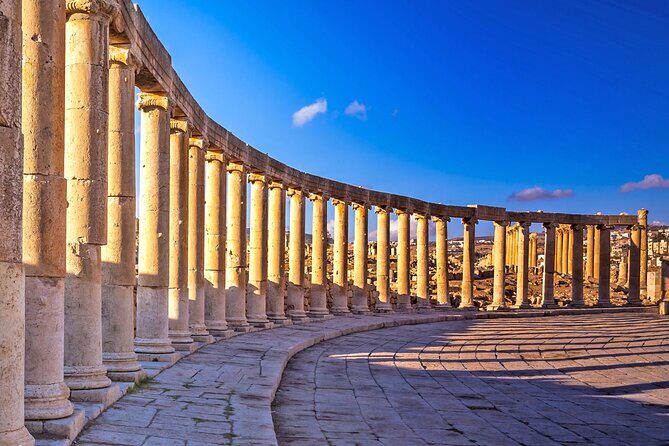
Jerash is one of those places that makes you stop talking for a moment. It’s Roman city scale without the crowds you might expect at other famous ruins.
The day looks like this:
- Pickup and drive north
- Jerash city tour
- Early afternoon shift to Ajloun Castle
- Return to Amman by late afternoon
Jerash gives you the classic ruins experience: colonnades, temples, and the feeling that someone built an entire civilization and then walked away. Ajloun Castle is a nice contrast. It’s a different kind of structure, and it tends to slow you down from the “look at everything” mode into a more viewpoint-focused visit.
What could feel tight
The day is packed into a 10-hour block. If you want to linger long in Jerash (totally understandable), you might feel some pressure. The good news is Jerash is built for wandering—so even with a set schedule, it doesn’t feel like a check-the-box museum.
Day 4: Petra by the Siq to the Monastery, then Wadi Rum Bedouin camp overnight
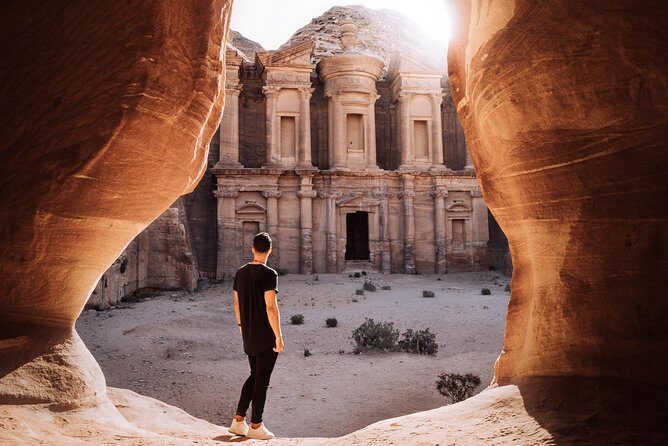
This is the day most people save Jordan for.
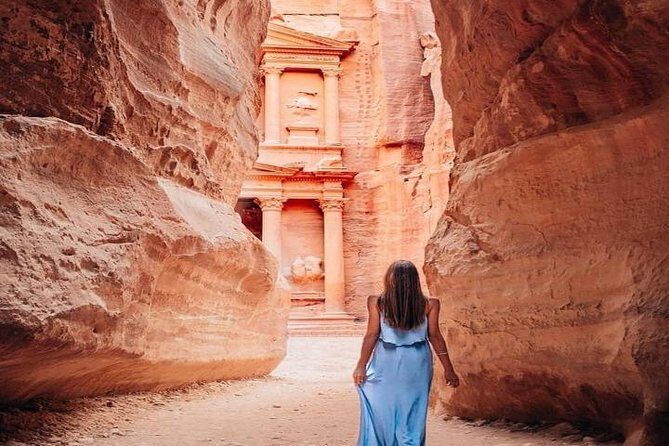
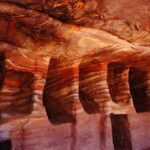
You depart Amman toward Petra via the desert highway. Then you enter Petra through the Siq, that narrow canyon approach that builds anticipation fast. The itinerary moves you through:
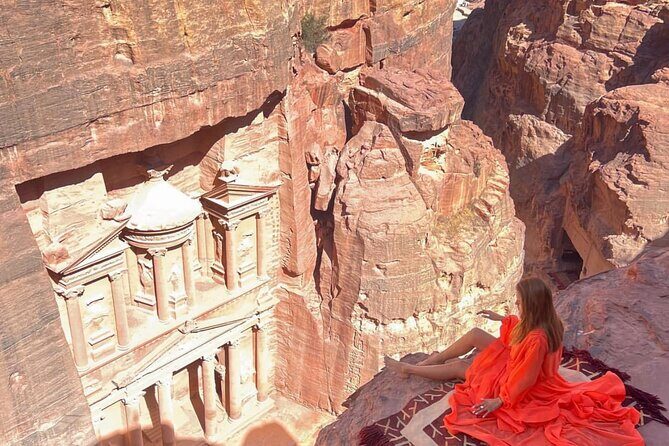
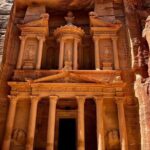
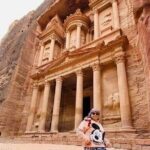
- The Treasury
- The Theater
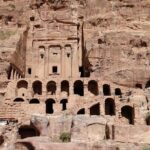
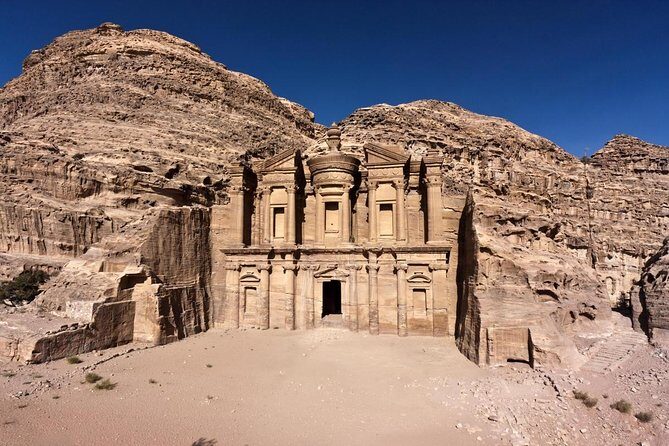
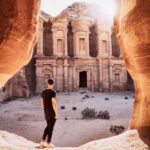
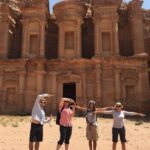
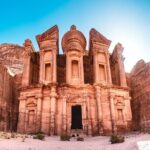
- Toward the Monastery (the big carved facade people remember)
The tour notes that you can cover the two main trails in about 4–5 hours of walking. That’s important. Petra is easy to overdo. A set time window helps you pace so you still enjoy the place, not just endure it.
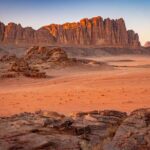
After Petra, you head to Wadi Rum and spend the night in a Bedouin camp inside the Rum reserve.
Wadi Rum camp reality check (it’s part of the charm)
This camp is described as basic but in a good location. You get tents with beds and blankets, public toilets, and a dining room/restaurant. It’s not a resort. It’s also not misery if you pack for desert conditions.
In the tour notes, they highlight cold nights in winter. So bring warm clothes even if the day feels mild. Also bring your personal items—towel and toothbrush are specifically called out.
Day 5: 2-hour Jeep Safari, a possible Gulf of Aqaba beach stop, then the Dead Sea float
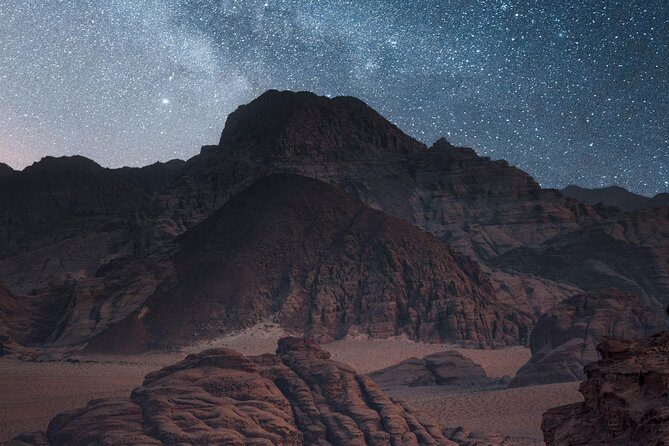
Day 5 starts with breakfast at the camp, then it’s straight into Wadi Rum.
Morning activities:
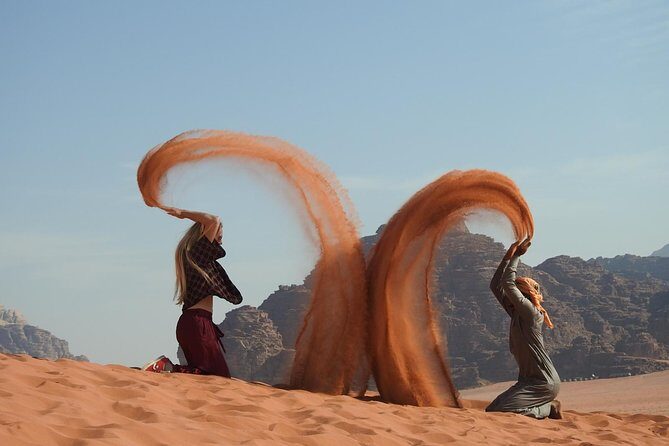
- Jeep safari (in Bedouin trucks) for about 2 hours in Rum Valley
- Bottled water included
Then comes the big timing decision: Aqaba versus just Dead Sea time.
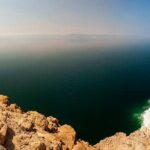
The itinerary includes moving toward the Gulf of Aqaba for a public beach stop at about 10:00, and then heading to the Dead Sea for beach time and floating. But there’s a seasonal rule: Aqaba city is skipped from November to end of March due to short day light, because they need you at the Dead Sea before sunset.
Then you head back to Amman, with drop-off around the evening depending on daylight.
Dead Sea tip that saves your trip
The Dead Sea can feel like a one-of-one activity, but it’s also easy to get sloppy with your plan and waste time. This itinerary protects the best moment by building in the sunset constraint. If you’re sensitive to timing (most people are), this helps.
Also, plan for beach conditions: you’ll want to rinse after floating. The tour includes floating time, but it doesn’t describe extra amenities there—so don’t assume everything is supplied.
Price and Logistics: what you’re paying for (and what you’re not)
Let’s talk money in a way that helps.
What you’re paying for
Included:
- English-speaking driver in a modern vehicle with A/C
- Pickup and drop-off
- Three nights in 3-star hotels in Amman, including breakfast
- One night in a Wadi Rum Bedouin camp with dinner and breakfast
- 2 hours Jeep Safari at Rum Valley with bottled water
- A room/tent setup for up to 3 travelers (single supplement extra)
Not included:
- Entry fees at the sites
- Local guide services at the stops
- Meals and other expenses (beyond the breakfasts/dinner already mentioned)
So the price covers comfort and movement. It doesn’t cover every ticket and optional guiding.
Why Jordan Pass can be a smart add-on
The tour recommends buying a Jordan Pass before arrival. It’s said to waive visa entry fees and includes entry to 41 sites in Jordan. That can directly offset some of the “not included” costs, especially for major attractions.
But don’t treat it like a magic wand: local guides are still not included, and your exact savings depend on which sites you personally enter. Still, if you like predictability, this is one way to keep your budget sane.
Included experiences that feel worth it
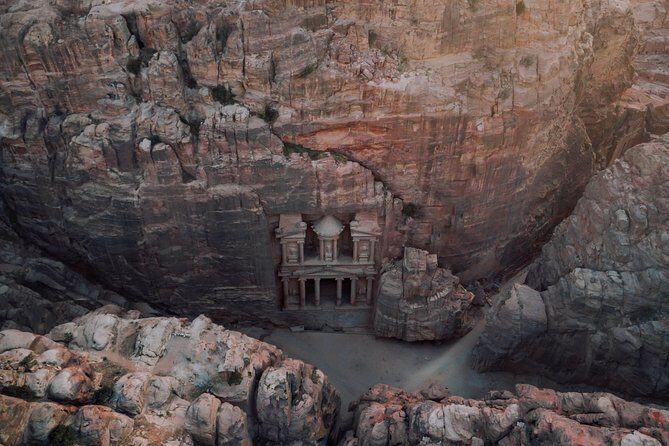
This tour earns its keep in the places that matter most on a short trip.
The driver-led structure
Having an English-speaking driver and pickup/drop-off means your days start with fewer decisions. You’re not hunting for cars, translating addresses, or trying to figure out where to stand when a taxi drops you 200 meters away from where you need to be.
In reviews, the company names and driver styles show up again and again. People talk about punctuality and drivers who help with real-world details like where to shop and where not to shop. That can spare you time and awkward moments.
Petra’s walking time is framed well
A lot of Petra trips either rush you or stretch you so thin you’re exhausted. The 4–5 hours for the two main trails gives you enough time for the big moments while still leaving energy to enjoy them.
Wadi Rum overnight is the right kind of commitment
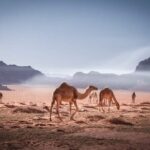
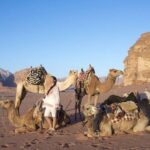
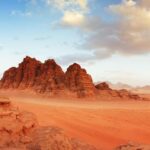
Doing Wadi Rum as a day trip is fine. But staying overnight gives you the full effect of this desert. This itinerary chooses an overnight in a camp inside the reserve—basic, yes, but that’s part of the authenticity. If your goal is photos only, you might prefer less time. If your goal is the actual desert mood, overnight helps.
Who this tour is best for
This itinerary fits best if you want:
- A smooth plan with transport and lodging handled
- Major highlights without DIY navigation
- A balance of classic ruins (Jerash, Petra) and softer stops (desert castles, mosaics)
It’s less ideal if:
- You hate any schedule pressure. The days are structured and long.
- You don’t want to manage extra costs (entry fees and local guides).
- You want a high-comfort camp experience in Wadi Rum. The camp is basic.
Group vs private: choose based on your tolerance for rules
The tour offers private or small-group options. For small groups (up to 7), the morning pickup window is tight—between 06:30–07:30—and the tour can only start from Amman city. There are also age limits for group tours (minimum 12, maximum 69) and a one medium-size bag allowance. If that doesn’t match your style, the private option is the safer bet.
Should you book this 5-day Jordan plan?
If you want Jordan’s biggest hits—Petra, Wadi Rum, Jerash, Dead Sea, Mount Nebo, and Madaba mosaics—without spending days figuring out routes, I think this tour is a strong choice.
Book it if:
- You like a ready-made itinerary and want to spend energy on sights, not logistics
- You’re okay paying some extra site fees once you arrive
- You’re fine with moderate walking and a basic camp overnight
Skip it (or switch to a private plan only) if:
- You’re very budget-focused and want everything included
- You strongly prefer flexible stop durations
- You’re traveling with lots of luggage and are considering the group option
For many people, the decision comes down to one thing: convenience versus add-on costs. This tour leans hard toward convenience, and it usually pays off in a 5-day window.
FAQ
What’s included in the price?
You get an English-speaking driver in a modern A/C vehicle, hotel pickup and drop-off, three nights in Amman hotels with breakfast, one night at a Wadi Rum Bedouin camp with dinner and breakfast, and a 2-hour Jeep safari in Rum Valley with bottled water.
Are Petra, Jerash, and other sites covered for entry fees?
No. Entry fees and local tour guides at the sites are not included.
Do I need a Jordan Pass?
The tour recommends purchasing a Jordan Pass before you arrive. It’s described as waiving visa entry fees and including entry to 41 sites in Jordan.
Will you visit Aqaba and the Red Sea?
Aqaba is only visited in the summer season. During November to end of March, Aqaba is skipped due to short day light so the Dead Sea stop can happen before sunset.
How much walking is involved?
The tour involves moderate walking, so sensible shoes are important.
What should I pack for the Wadi Rum overnight?
You’ll want personal items such as a towel and toothbrush, plus warm clothes. Nights can be cold in the desert, especially in winter.
Is the Wadi Rum camp comfortable?
It’s described as a basic camp with tents, beds and blankets, public toilets, and a dining room/restaurant. Expect simple facilities rather than a resort setup.
What are the pickup and rules like for the group option?
For the group option, you need to be ready for scheduled pickup times between 06:30 and 07:30. The group tour starts from Amman city only, and there are limitations like a minimum age of 12 and maximum age of 69, plus one medium-size bag per traveler.
What’s the cancellation deadline for a full refund?
You can cancel up to 6 days in advance for a full refund. Cancel 2–6 days ahead for a 50% refund, and less than 2 days before does not get refunded.