REVIEW · AMMAN
Italian Seat-in-Couch departure (Weekly confirmed departures each SAT & SUN)
Book on Viator →Operated by Jordan Experience tours · Bookable on Viator
Jordan hits you fast with ancient scale. In this 8-day Amman loop, I love the mix of UNESCO Petra plus the quieter ancient stops like Jerash and Madaba’s mosaic map. You also get a real on-the-ground highlight: a 1.30-hour Jeep ride in Wadi Rum. One thing to consider: because it’s a shared seat-in-coach setup and the group can be large, logistics can feel a bit rigid, and hotel transfers may take time.
What makes this tour workable is that you’re not left to figure out the basics. From arrival help at Queen Alia to English-speaking coordination at the airport on the way out, it’s built for getting you moving from sight to sight. The best experiences hinge on the guide; I saw strong results with guides like Joseph/Josef, who handled the group well and gave clear cultural context. Still, the tour’s fixed route and shared format mean you’ll want patience for timing and group management.
In This Review
- Key points before you go
- Jordan in 8 days: what this pace really means
- Amman airport arrival: where the trip either starts smoothly or drags
- Jerash and Ajloun: Roman scale, then a fortress viewpoint
- Madaba, Mount Nebo, and Kerak: mosaics, biblical viewpoints, and a Crusader castle
- Petra and Wadi Musa: the Siq walk to al-Khazneh
- Wadi Rum plus Little Petra: caravan roads in red rock
- Dead Sea region: float-time, mud, and a straightforward return to Amman
- A free day in Amman: how to use it without guessing
- Price and value: what your $692.31 actually buys
- The guide makes the difference: what you should look for
- Who should book this Jordan Experience tour (and who shouldn’t)
- Should you book this tour?
- FAQ
- How long is the tour?
- Where does the tour start and end?
- How often do departures run?
- What is the price per person?
- Is a visa included?
- What’s included for meals?
- Are entrance fees included?
- Is there a Jeep ride in Wadi Rum?
- What kind of transportation is used?
- What’s the cancellation timeframe for a full refund?
Key points before you go

- Queen Alia arrival + meet & assist with English-speaking coordination and help through entry
- Jerash + Roman theater acoustics and anti-seismic engineering details you can actually notice
- Madaba’s St. George mosaic map and a big view day from Mount Nebo
- Petra through the Siq to al-Khazneh without needing to plan the route yourself
- Wadi Rum with a 1.30-hour Jeep ride plus a stop at Little Petra
- Dead Sea time with the “mineral + mud” approach, then back to Amman for a simple finish
Jordan in 8 days: what this pace really means
This tour is built for first-time visitors who want the headline sights without juggling tickets, timing, or long-distance navigation. You’ll spend most days traveling by air-conditioned vehicle, with a schedule that takes you from one major ancient site to the next.
The upside is obvious: you don’t waste days “finding your rhythm.” In seven full touring days you cover Jerash, Madaba, Mount Nebo, Kerak, Petra, Little Petra, Wadi Rum, and the Dead Sea region, plus a free day in Amman. The downside is equally real: you’ll do a lot in a week, and there’s little time to slow down when you find something you love. If you prefer flexible travel where you can linger, you’ll probably feel the pace.
You should also plan for moderate physical fitness. The sites involve walking, steps, and uneven ground. That doesn’t mean you need to be an athlete, but comfortable shoes matter, and you should take breaks when you need them.
Finally, travel style matters: this is seat-in-coach joining others, and departures are weekly confirmed each SAT & SUN. That “shared” element is exactly how you keep the price in check, but it also affects how smooth transitions feel.
You can also read our reviews of more tours and experiences in Amman.
Amman airport arrival: where the trip either starts smoothly or drags
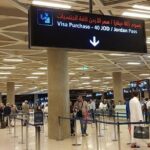
Day 1 is all about arriving, handling entry, getting your bearings, and getting into the hotel rhythm. You’ll get meet & assist at Queen Alia (arrival and departure) with an English-speaking coordinator. There’s also assistance with entry procedures, plus support that can include money exchange and organizing the group by hotels.
The practical value here is time. If you land with jet lag and confusion, having a real person guide you through the bureaucratic steps can make the first hours feel sane. The tour also includes a free visa if you provide your full passport details in advance—another small thing that can save headaches at the airport.
My caution: the shared nature of the pickup process means your group might split across several hotels. One of the negative experiences I read described a hotel-hopping start, with transfers that felt long and inefficient. You can’t control the logistics, but you can control expectations: pack a little patience for the first transfer, and keep essentials easy to reach (water, charger, meds).
Jerash and Ajloun: Roman scale, then a fortress viewpoint

Jerash is the kind of place that makes you rethink the word ruins. You enter through a monumental gate and step into what feels like a working Roman city layout. A highlight is the walk through the Oval Square ringed by columns, followed by the Roman Theater and Byzantine churches with mosaic pavements.
Here’s what I’d actually pay attention to: the Roman engineering. The tour points out how the colonnaded street columns were built to handle earthquakes, which turns “old architecture” into something you can visualize as practical problem-solving. And because Jerash has a famous festival tradition, the theater’s acoustics matter. Even outside festival time, it gives you a sense of how people once gathered here.
After Jerash, you head toward Ajloun, where you’ll visit an Islamic military castle used by forces associated with Saladin to protect the region from Crusader activity. That pairing works well: Jerash shows Roman power in stone; Ajloun shifts you into a later defensive mindset.
Time check: the day is a long one, with a full 8 hours listed for the stop. Build in a slow pace. Jerash is easy to “power-walk,” but it’s more rewarding when you take a moment in the square and look up at the scale.
Madaba, Mount Nebo, and Kerak: mosaics, biblical viewpoints, and a Crusader castle
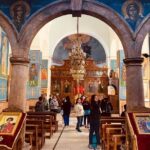
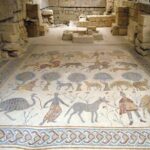
Madaba is famous for one thing: the Church of St. George and its mosaic floor showing a Map of Jerusalem. It’s not just decoration. It gives you a visual reference point for places you’ve heard about, and it makes the area feel connected instead of random stops on a route.
From Madaba you continue to Mount Nebo, associated with the story of Moses and described as the burial site location in many traditions. If the sky is clear, you get one of the strongest panoramic setup days in the whole trip: views toward the Jordan Valley, Dead Sea, and Jericho.
The key practical tip here is weather. The tour’s overall “good weather required” note isn’t just fine print; it affects visibility from viewpoint stops. Bring a light layer and plan on taking breaks if the sun is strong.
Then comes Kerak, set high on a hill and described as dominated by a major Crusader castle. What you’ll like is the change in architecture and atmosphere: compared to Roman Jerash and mosaic Madaba, Kerak feels like a fortress town perched above the landscape. You also get a sense of how trade routes and defense shaped where power lived.
The downside to this day (and this tour’s general style) is that it’s structured. You’ll hit major points rather than wandering. If you want free-form discovery, save your extra wandering energy for Amman’s free day.
Petra and Wadi Musa: the Siq walk to al-Khazneh
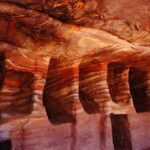
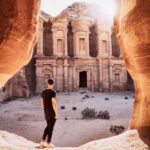
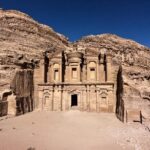
Petra is the big one, and the tour doesn’t pretend otherwise. You travel to Petra (Wadi Musa) and enter through the Siq, a narrow gorge that builds anticipation by compressing space before releasing you into the monumental view.
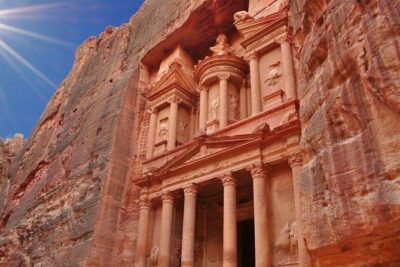
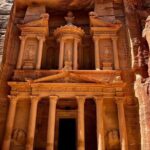
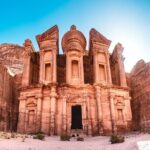
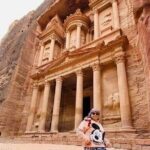
Your standout sight is al-Khazneh, the famous Treasury. The route here is classic: you’ll see the Siq lead to the centerpiece, and you’ll do it with guided framing so you understand what you’re looking at—temples, facades, tombs, and monasteries carved out of the sandstone.
The UNESCO aspect matters because it helps you understand why Petra is treated like something bigger than a tourist attraction. The city isn’t just dramatic; it’s engineered into stone over a long timeline, with Nabatean skills that are obvious once you start noticing how the architecture fits the rock.
What to consider: Petra is popular, and it’s also physically demanding compared with many other sites on the list. Even with guidance, you’ll move through uneven, sometimes crowded areas. If you’re sensitive to crowds or heat, aim to keep your morning energy strong and your hydration steady. (You do get one bottle of water daily on the vehicle, but Petra days can still require extra planning on your part.)
Wadi Rum plus Little Petra: caravan roads in red rock
After Petra comes a clever contrast day. You first visit Little Petra, which is different in purpose from Petra proper. Where Petra is tied to living and burial, Little Petra is described as a stop area for caravans coming from Arabia and the East, with carved rock caves used for travelers. The idea is simple: it’s built to handle the logistics of movement through the desert.
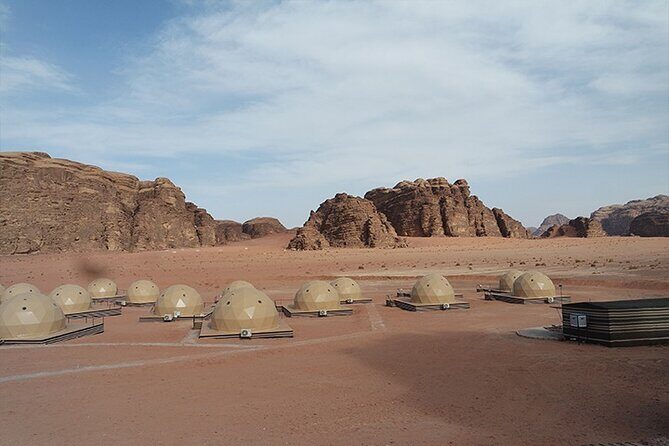
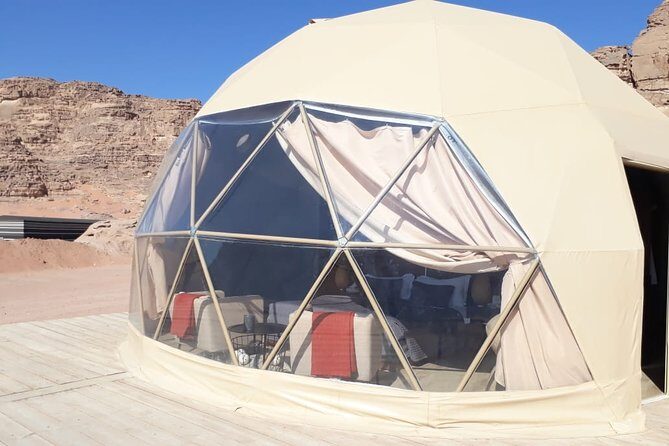
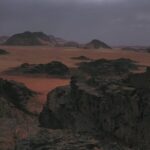
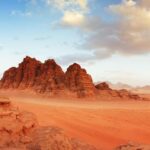
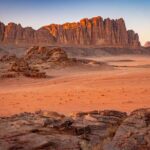
Then you head into Wadi Rum, described as an ancient passageway for caravans carrying valuable goods north toward Mediterranean ports. This is one of those places where the scenery tells a story without you needing a lecture to understand it: the mountains, rock lines, and long-distance feel naturally match the sense of travel and trade.
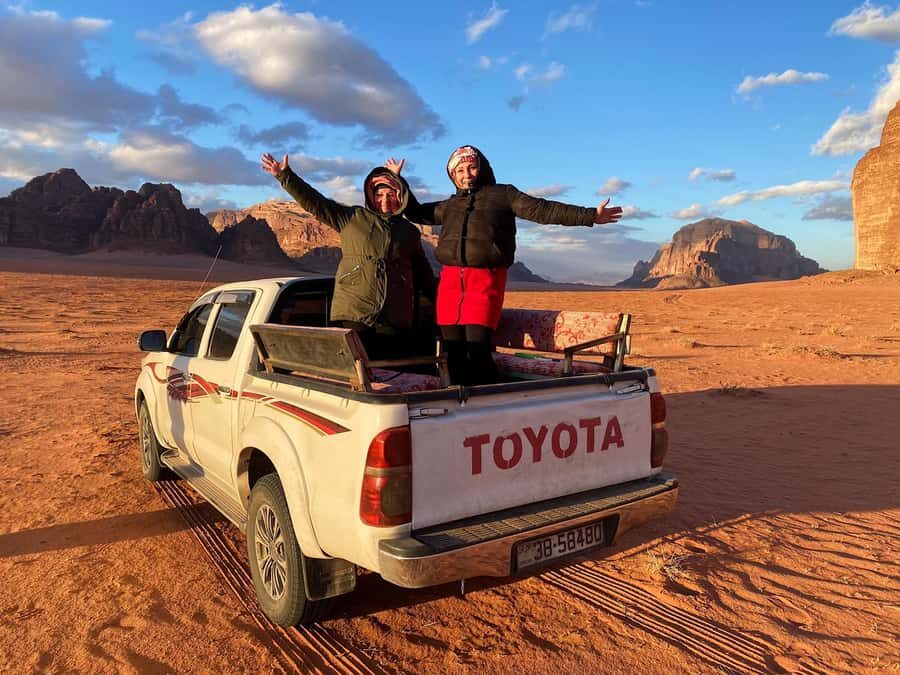
The tour includes a 1.30-hour Jeep ride in Wadi Rum, which is a big part of the value. You’re not just looking from the outside; you’re getting movement across the terrain, and that time tends to be the “I get it now” moment for many first-timers.
One practical note: Wadi Rum can be weather-sensitive. If conditions are tough, timing and comfort can change quickly. Dress smart for wind and temperature swings, even if Amman feels warm.
Dead Sea region: float-time, mud, and a straightforward return to Amman
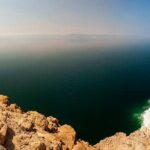
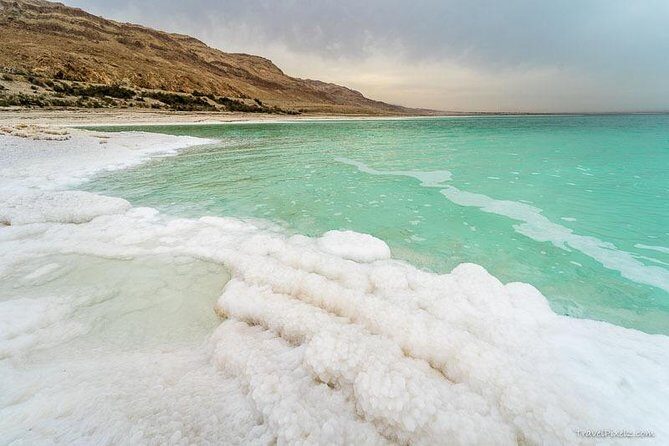
The Dead Sea day is your reset. You drive north to the Dead Sea region, described as the lowest point on Earth at about 423 meters below sea level. You get several hours of free time on the water.
This is where the tour’s included approach makes sense. The Dead Sea is known for salty, mineral-rich water, along with mud and mineral hot-spring sources. Even if you don’t treat it like a spa, the physical effect is memorable. The saltiness is extreme, so plan to protect your eyes and skin and keep the experience simple.
After the Dead Sea window, you continue back to Amman. You’ll have dinner and overnight in a hotel, which is a good recovery rhythm after a day that can be tiring in the heat.
If you’re doing this trip in a busy season, the Dead Sea stop can feel short. That’s not because it’s poorly planned; it’s because the whole week is built for volume. If Dead Sea time is your top priority, you might want more than what this schedule allows. But as a sampler, it’s a strong finish-in-the-middle highlight.
A free day in Amman: how to use it without guessing
You get a full free day in Amman. The tour frames it as time for relaxation, shopping, and discovering the capital. This is where I’d put your flexibility, because the rest of the trip is scheduled and site-driven.
Use the free time for practical things: a calmer pace in the city, a chance to repeat a spot you loved, or shopping where you can compare prices without feeling on a timeline. One caution from real experiences on similar shared tours: some people felt pressured by souvenir stops elsewhere. Amman’s free day is the cleanest moment to handle shopping your way.
If you’re coming from a structured day of big monuments, think of Amman as your palate cleanser. Eat something local, wander with a plan, and keep one eye on evening energy because your final day is an airport transfer.
Price and value: what your $692.31 actually buys
At $692.31 per person for an ~8-day trip, the value is tied to three things the tour explicitly includes:
- Transportation + coordination: air-conditioned vehicle, meet & assist at arrival and departure, and seat-in-coach transfers joining others.
- Admissions and key experiences: entrance fees for the major stops and a 1.30-hour Jeep ride in Wadi Rum.
- Meals: 7 breakfasts and 7 dinners, plus one bottle of water daily on the vehicle.
That package matters because Jordan doesn’t always stay cheap once you start buying site tickets, paying for intercity drives, and adding the “one special day” activities. By bundling entry fees and the Jeep ride, the tour reduces decision fatigue.
Where the cost can feel less controlled is outside the inclusion list. Tips aren’t included, drinks aren’t included unless stated, and personal activities are on you. Also, fixed meal plans can limit where you stop to eat during the day, especially on long sightseeing days.
A final value note: the tour size can reach 99 travelers, and it’s designed as a shared format. If smooth logistics are your highest priority, read the shared nature as a tradeoff for price.
The guide makes the difference: what you should look for
This tour’s reviews point to a common truth: the guide shapes how you experience Jordan. When the guide is strong—like Joseph/Josef, specifically named in the positive feedback—the trip can feel organized and clear, with cultural explanations that turn sights into context instead of just photos.
That said, there are also reports of weak coordination: long hotel transfers on arrival, uneven schedule adherence on some days, and group-management issues when combining groups. Since this tour can combine multiple groups (and uses seat-in-coach joining others), you should expect that the “human factor” matters.
My advice is simple. When you meet your coordinator, ask quick questions early:
- What time should we be ready the next morning?
- Where is the meeting point for pickups?
- Is there any optional shopping stop we should know about?
The more you align with the group rhythm, the less likely you’ll feel rushed or annoyed.
Who should book this Jordan Experience tour (and who shouldn’t)
You’ll probably be happy with this tour if you:
- Want a big-sight Jordan first visit without planning every transfer
- Like guided context at major sites like Jerash, Petra, and Mount Nebo
- Appreciate bundled value: entrance fees, meals, and the Wadi Rum Jeep ride are included
You might hesitate if you:
- Hate rigid schedules and prefer drifting at your own pace
- Get stressed by group logistics, hotel splits, or longer pickup windows
- Want lots of independent dining and roaming without set meal plans
If you’re traveling solo, this can work well because it’s a set group structure. If you’re traveling with family members who need lots of downtime, I’d look closely at whether the schedule pace fits your style.
Should you book this tour?
Yes—if your goal is a high-impact Jordan week with Petra and Wadi Rum handled for you, and you’re okay with a shared-group pace. The included value is real: admissions plus meals plus the Jeep ride. And when the guide is on point (Joseph/Josef has shown up in the best experiences), the cultural explanation can make the monuments feel personal.
My final practical take: treat this as a guided route through iconic places, not as a slow, customizable journey. Pack for walking, keep expectations realistic about shared logistics, and use Amman’s free day to regain control of your time. If you do that, you’ll come away with the big Jordan moments—and you won’t burn vacation days on logistics.
FAQ
How long is the tour?
It’s listed as 8 days (approx.).
Where does the tour start and end?
It starts in Amman, Jordan and ends back at the same meeting point.
How often do departures run?
The tour lists weekly confirmed departures each SAT & SUN.
What is the price per person?
The price is $692.31 per person.
Is a visa included?
A free visa is included if you receive the full passport details in advance.
What’s included for meals?
You’ll have 7 breakfasts and 7 dinners included.
Are entrance fees included?
Yes, entrance fees for all the mentioned sites are included.
Is there a Jeep ride in Wadi Rum?
Yes. The tour includes a 1.30-hour Jeep ride in Wadi Rum.
What kind of transportation is used?
You’ll use an air-conditioned vehicle and seat-in-coach transfers (joining others).
What’s the cancellation timeframe for a full refund?
You can cancel up to 3 days in advance for a full refund, and cut-off times follow local time.