REVIEW · AMMAN
7-Night Best of Jordan Tour: Jerash, Dead Sea, Petra, and Wadi Rum Overnight
Book on Viator →Operated by Zaid Tours and Travel · Bookable on Viator
Petra and the desert in one tight week. This tour strings together Jerash’s Roman streets, a private Dead Sea beach session, and a Wadi Rum overnight with 4×4 time—plus hotels in Amman and Petra—so you get Jordan’s big hits without stitching together a dozen separate bookings.
I love how the schedule includes local English-speaking guides at the stops that benefit most from context—Jerash, Petra, and the Madaba mosaic church. I also like that transport and entrance fees are built in, which keeps your days moving and reduces the usual ticket-stress.
One thing to consider: lunches aren’t included, and some Amman sights you may want to enter cost extra. If you’re the type who hates hunting for food or tickets mid-day, plan for that up front.
In This Review
- Key highlights worth planning for
- Getting to Jordan’s rhythm: Amman arrival, pickup, and orientation
- Jerash’s Roman ruins: what the guided walk really gets you
- Dead Sea floating with private access: plan for comfort and small details
- Madaba mosaics, Mount Nebo, and Karak or Shobak on the Kings Highway
- Petra: a focused classic walk through the Siq to the Treasury
- Wadi Rum 4×4 and an overnight in the desert region
- Hotels, meals, and what’s actually included in your $1,052.15
- How the pace feels: who this tour suits best
- Final call: should you book this Jordan tour?
- FAQ
- What’s included for the Dead Sea visit?
- Is Petra guided, or do I visit on my own?
- How long is the Wadi Rum jeep experience?
- Are lunch meals included in the tour price?
- Does the tour cover hotel stays?
- Are entrance fees included for the sites?
- What should I bring for the days at the sites?
Key highlights worth planning for
- Small joined group (max 9) with Wi‑Fi on board, so you still get personal attention without feeling private-car pricey
- Dead Sea private beach access, including a short float session and free time with pool and beach facilities
- Jerash guided walk through top Roman features like the colonnaded street, oval plaza, and major temples
- Petra classic guided visit with a focused 2-hour plan through the Siq to the Treasury
- Wadi Rum 2-hour 4×4 ride plus 1-night accommodation in the desert region
- 7 breakfasts and 7 dinners, but you’ll need to budget for lunch
Getting to Jordan’s rhythm: Amman arrival, pickup, and orientation
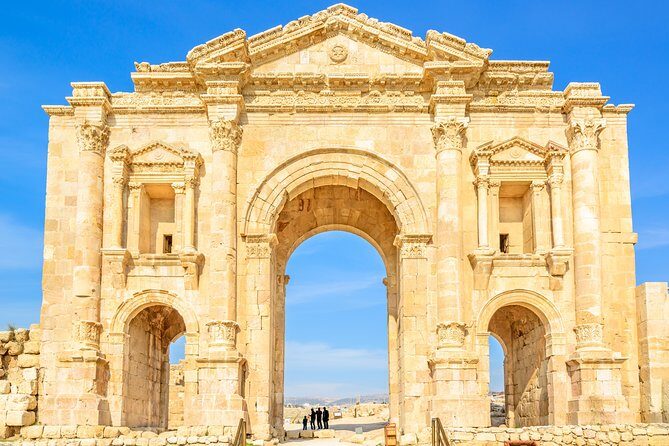
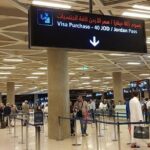
Most trips in Jordan start fast, and this one does too. After you land at Queen Alia International Airport, you’re met and assisted and taken to your Amman hotel. The first evening is dinner and overnight, which matters because the next days are packed with early starts.
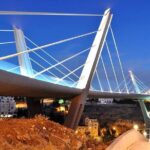
On day two, you get a panoramic drive through Amman’s old-and-new mix. You’ll pass the city center and downtown areas, including the Roman Theater area and Citadel, plus traditional markets and major religious sites like the King Abdullah Blue Mosque near the parliament. Then the route shifts toward Abdali Boulevard and the newer parts of town. Admission for this segment is listed as free, but you should treat it as a drive-by orientation rather than a full museum-style visit.
Practical tip: if you’re arriving with jet lag, use this first orientation drive to spot where you’ll want to walk later. Even if the tour isn’t about shopping or lingering, it’s how you get your bearings fast—like, which neighborhoods feel central, which roads look straightforward, and what areas feel safe to explore at slower pace.
You can also read our reviews of more evening experiences in Amman
Jerash’s Roman ruins: what the guided walk really gets you
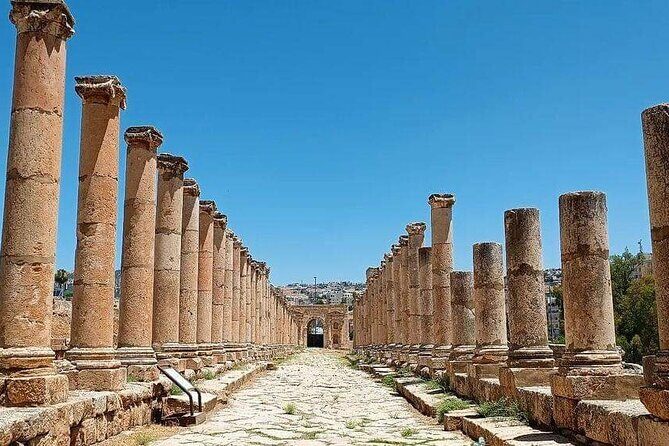
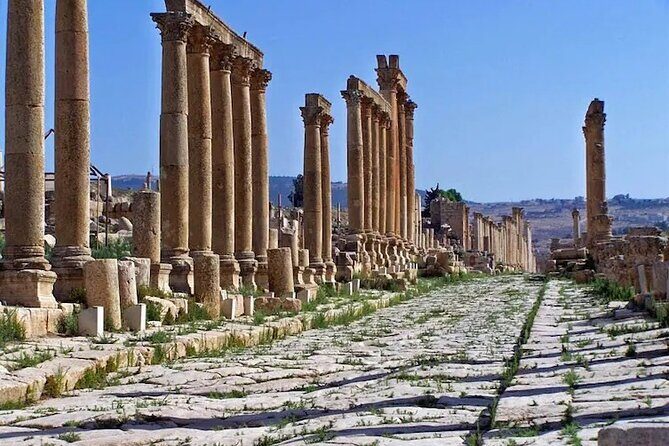
Jerash is one of Jordan’s standout Roman cities, and what makes it work on a tour is that it’s spread out but still walkable. You’ll head out from Amman and spend around two hours with a local English-speaking guide (Spanish or French guides can be used depending on availability).
The experience is built around the city’s best-preserved features: the colonnaded street, the oval plaza, and major temple ruins such as the Temple of Zeus and Artemis. You’ll also see the theaters and other significant areas—enough variety that you don’t feel like you’re just staring at columns.
Here’s why the guide matters: Roman sites can feel repetitive if you only see them as stones. With a guide, you start connecting what you’re seeing to what it likely looked like in use—how people moved through the city, where performances happened, and why certain temples sat where they did. For me, that’s the real value of a guided ruin day.
Drawback to expect: two hours in Jerash can be just enough for the highlights, not enough for slow wandering or photography marathons. If you’re the kind of person who wants to climb every possible step and linger at each viewpoint, you’ll need to balance your expectations and accept this as a curated hit.
Dead Sea floating with private access: plan for comfort and small details
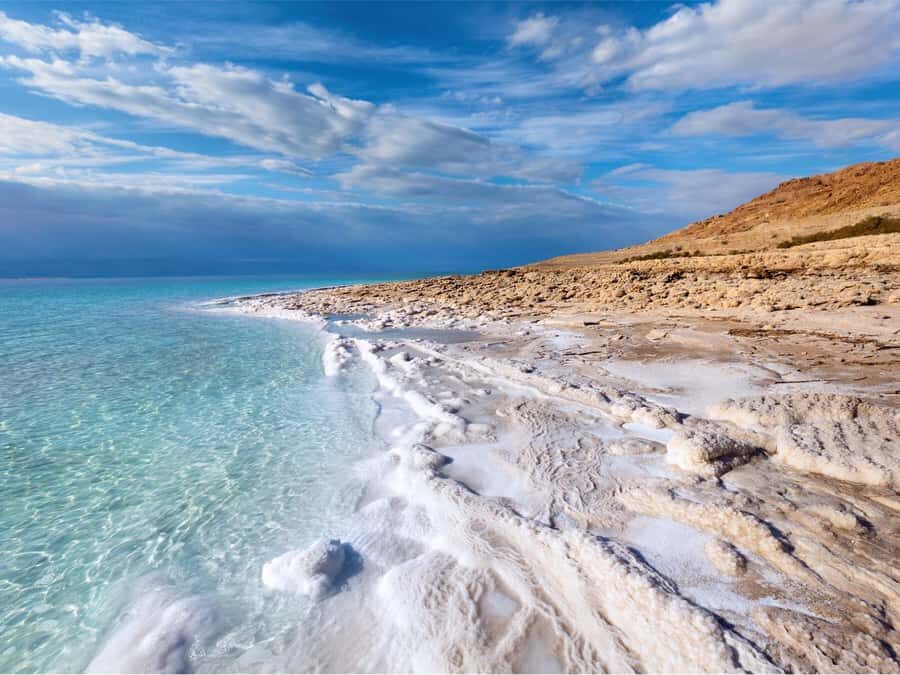
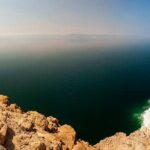
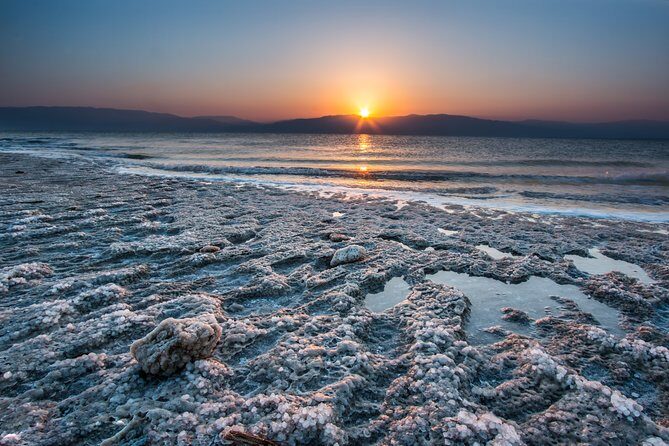
The Dead Sea day is designed around the signature moment: floating. After breakfast you travel to the Dead Sea region—the lowest point on earth at about 430 meters below sea level. The goal here is simple: wade in and enjoy a short float session in the salty, mineral-rich water. Then you get free time to use the facilities, including pool and beach access for a half day.
What’s especially helpful is that private entrance to the Dead Sea beach area is included. That usually means less waiting and smoother access than the typical DIY route where you’re hunting for the right gate and figuring out which facility you’re allowed to use.
A few practical reminders:
- You’ll need a swim suit.
- A towel isn’t included, so bring one or buy there.
- You’ll want footwear for walking around water areas, because salt and uneven surfaces can be slippery.
The Dead Sea has a smell and a sensation that people either love or instantly get used to. Either way, the half-day structure is a smart choice: long enough to do the float and soak in the novelty, but not so long you turn it into your whole day’s workout.
Madaba mosaics, Mount Nebo, and Karak or Shobak on the Kings Highway
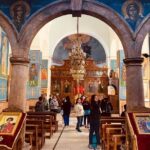
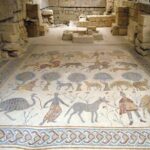
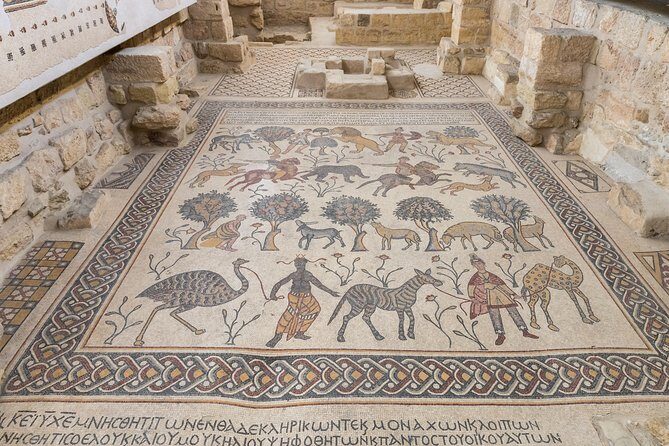
Day four layers three different kinds of Jordan experiences, and that’s the win: you don’t stay in one mood. You begin in Madaba, a city known for mosaics. You visit the Church of Saint George, where there’s a map of the Holy Land made in 571 A.D. Even if you’re not a mosaic fanatic, this kind of artifact grounds the region in a specific historical snapshot.
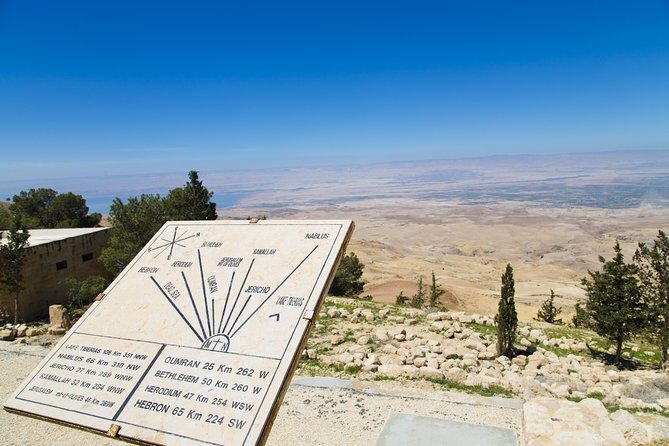
Then you go to Mount Nebo, associated with the tomb of Moses tradition. You also visit the Franciscan Church. You’re not just doing a stop for the view; you’re included in the cultural/religious context that’s tied to why pilgrims came here in the first place.
Next is Karak or Shobak, reached through the King’s Highway. You’ll see a Crusader castle built in 1142 A.D. This part of the day is a nice counterweight to Petra and Jerash. Instead of Roman or Nabatean, you shift to medieval fortification logic—strategic stonework and defensive architecture.
How to make this day work for you: wear shoes you don’t mind using on uneven ground, because castle and church areas can be harder underfoot than temple courtyards. Also, keep water handy; the day is mostly travel plus site visits.
Petra: a focused classic walk through the Siq to the Treasury
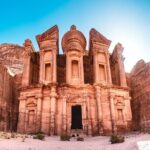
Petra is the main headline, and the tour treats it as such. You start with a breakfast, then enjoy a 2-hour guided classic visit to the Nabatean city. Petra is UNESCO-listed, and the tour plan centers on the core sequence that most people came for.
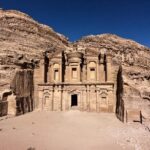
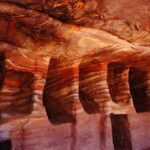
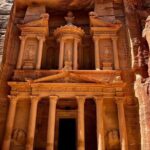
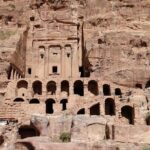
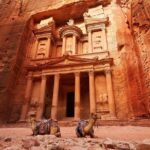
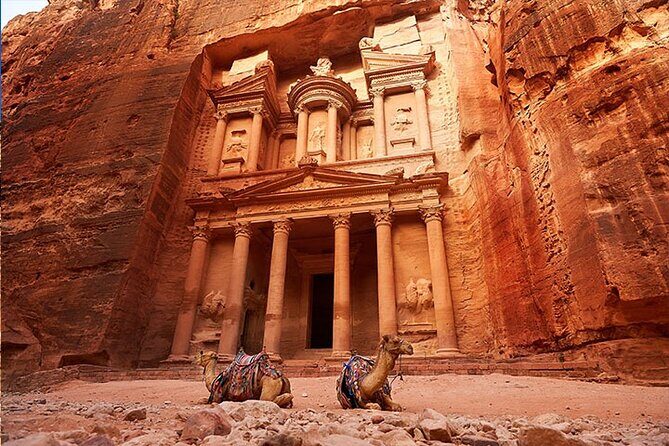
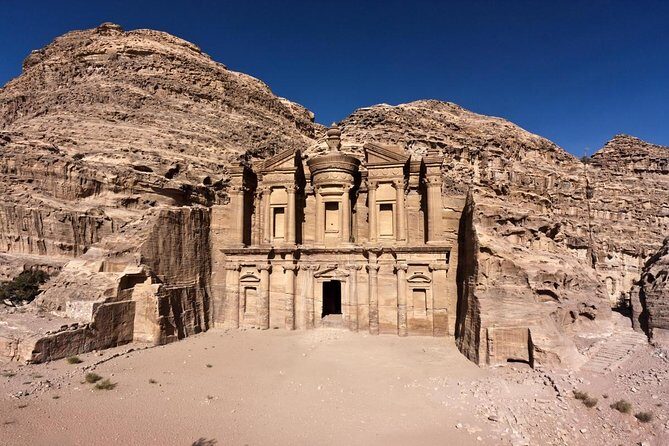
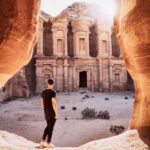
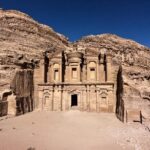
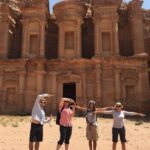
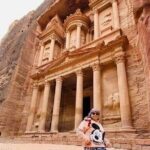
You’ll walk the Siq, the narrow high-walled gorge that leads into the heart of the city. Then comes the first big payoff: your first breathtaking glimpse of the Treasury, locally known as El-Khazneh. From there, the guide helps you see ornate tombs carved into the rock face—Petra’s signature mix of architecture and geology.
This is the part where I think the guide can make or break the experience. Petra isn’t hard because it’s physically extreme on this plan—it’s hard because it’s visually overwhelming. A good guide helps you sort the scenes you’re seeing into a mental map, so you remember the structure of the city rather than only the most famous facade.
One consideration: the Petra time included here is “classic,” not all-day exploration. You’ll return to the hotel in Petra after the guided segment. That’s good if you want to avoid exhaustion, but if you want to do extra routes (and maybe re-visit the Treasury at different light), you’ll likely need a longer self-guided day.
Wadi Rum 4×4 and an overnight in the desert region
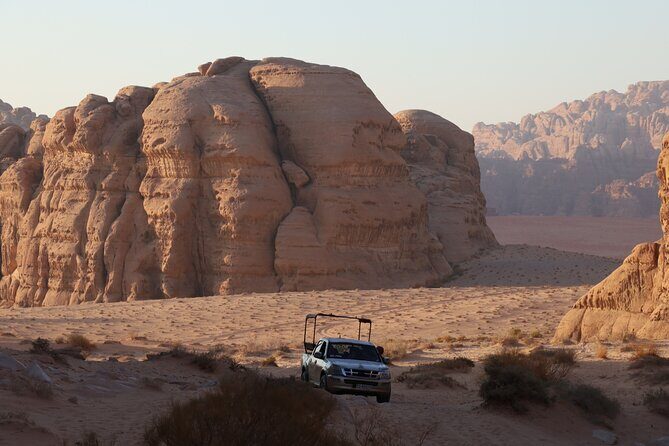
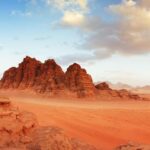
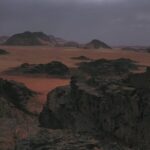
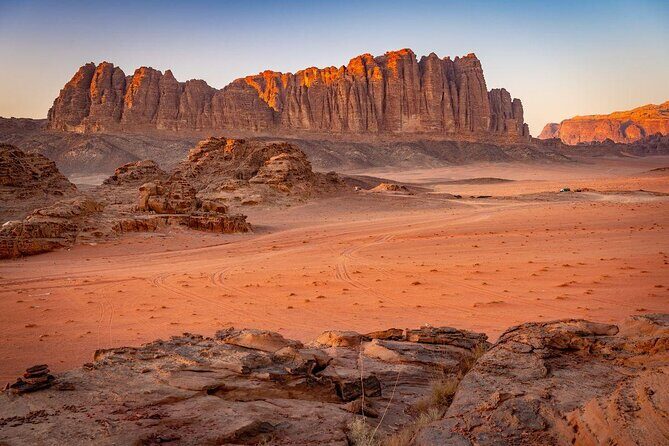
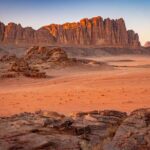
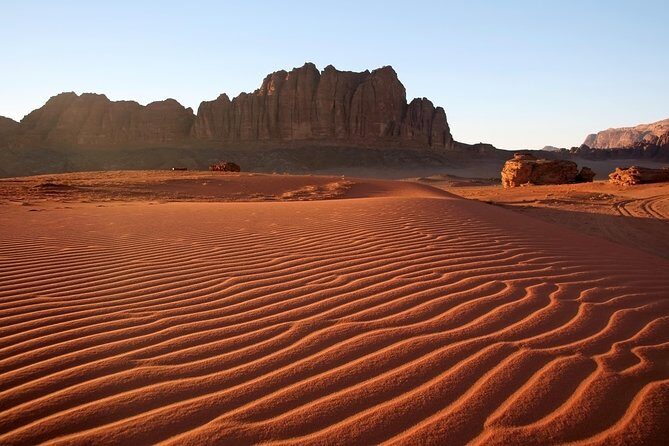
Wadi Rum is where Jordan changes pace. You travel south from Petra for the desert wilderness region known for lunar-like scenery. You’ll hear the connection to T.E. Lawrence and the Bedouin locals, plus how Lawrence of Arabia scenes were filmed here. The tour also notes that more recent movies like Star Wars: The Rise of Skywalker and The Martian were filmed in the area with Matt Damon. That pop-culture tie-in is useful because it gives you a mental visual while you’re in a place that can otherwise feel “just rocks and sand.”
The highlight is a 2-hour jeep trip by 4×4. This is the practical way to experience Wadi Rum without turning it into an all-day hike. You’ll get movement through dunes, mountains, and canyons rather than just seeing one viewpoint from the road.
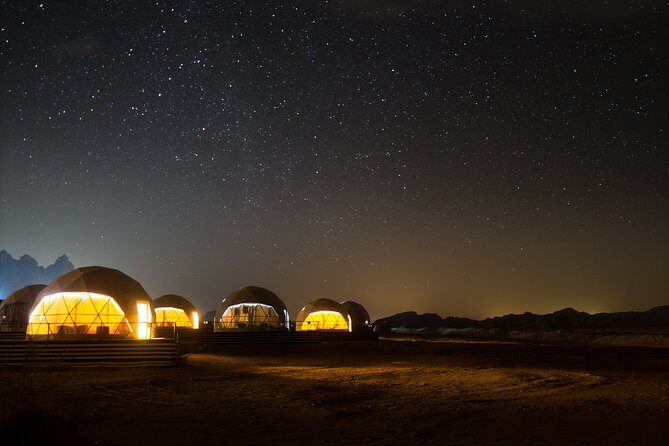
Then you stay overnight in the Wadi Rum area. The itinerary also includes Bedouin breakfast before you transfer back to Amman. Because this is a packaged tour, you should expect the day to be structured around desert timing—less about controlling your schedule, more about being in the right place at the right time.
If you care about camp comfort details (showers, room type, meal setting), this is the one day where it’s worth confirming what your specific accommodation looks like before you go. Overnight standards can vary even within the same broad category.
Hotels, meals, and what’s actually included in your $1,052.15
Let’s talk value in real terms. You’re paying $1,052.15 per person for a trip that includes:
- 7 nights of accommodation: 4 nights in Amman, 2 nights in Petra, 1 night in Wadi Rum
- Transport by air-conditioned vehicle with an English-speaking driver
- Local guides at key sites (Jerash, Petra classic, and the Madaba church visit)
- Entrance fees to the mentioned sites, plus the 2-hour Wadi Rum jeep tour
- Dead Sea private beach access and the included floating session
- 7 breakfasts and 7 dinners
- Meet-and-assist on arrival and airport drop-off on departure
In other words, you’re not just buying sightseeing. You’re buying logistics: hotels, tickets, and guided context.
What can catch people off guard is what’s missing:
- Lunches aren’t included. This means you’ll want to budget for midday food daily during the days you’re in transit or at sites.
- Some Amman entry fees are not included (Citadel, Roman Theater, and King Abdullah Mosque). The tour may show you these from outside during the panoramic drive, but if you want to go inside, you’ll pay.
- Beverages and gratuities are not included.
Also keep in mind that most local hotels in Jordan don’t offer alcohol, except 5-star franchise hotels. If that matters to you, tell the operator before booking so you don’t end up stuck in a dry hotel situation.
Group size is limited to a maximum of 9 travelers, using a seat in coach – small joined group service. That’s a sweet spot: enough structure to run smoothly, small enough that you’re not swallowed by a huge bus crowd.
How the pace feels: who this tour suits best
This is a “see the highlights” tour, not a slow, deep dive into one region. You’ll move through Amman, Roman Jerash, the Dead Sea float, the biblical/topographic stops around Madaba and Mount Nebo, medieval fortifications at Karak or Shobak, then Petra, then Wadi Rum.
This fits you best if:
- You’re first-time Jordan and want a top-sights checklist that still includes guides
- You want guided Petra and Jerash rather than figuring everything out alone
- You like structure: pickup, transport, entry fees, and hotel stops already arranged
- You’re okay with limited lunch freedom because lunches aren’t included
It may feel tight if:
- You want lots of independent time in Petra or Amman
- You dislike day-to-day scheduling and prefer to linger for hours
- You’re strongly food-specific and prefer full flexibility (since only breakfast and dinner are included)
Final call: should you book this Jordan tour?
I’d book this tour if you want the big Jordan hits—Jerash, Dead Sea, Petra, and Wadi Rum—with minimal planning headaches. The strongest reason is the package structure: transport plus entrance fees plus key site guides, and hotels lined up across Amman, Petra, and the desert night.
I would think twice if you hate paying extra for lunch every day, or if you’re hoping Amman includes full inside access to major sites like the Citadel and Roman Theater. Also, if your top priority is camp-level comfort at Wadi Rum, confirm details so you’re not surprised by what’s included with your specific accommodation.
If you like a well-run route with “enough time to feel it,” this one is a solid value for your week in Jordan.
FAQ
What’s included for the Dead Sea visit?
The tour includes private entrance to the Dead Sea beach area, a short floating session from the beach, and free time to use the facilities such as the pool and beach.
Is Petra guided, or do I visit on my own?
Petra includes a local English-speaking guide for a classic guided visit, covering the Siq and key highlights like the Treasury and carved tombs.
How long is the Wadi Rum jeep experience?
You get a 2-hour trip by 4×4 local jeep in Wadi Rum, plus 1 night accommodation in the Wadi Rum area.
Are lunch meals included in the tour price?
No. The tour includes breakfast and dinner, but lunches are not included.
Does the tour cover hotel stays?
Yes. You get 7 nights of accommodation: 4 nights in Amman, 2 nights in Petra, and 1 night in Wadi Rum.
Are entrance fees included for the sites?
Yes, the tour includes entrance fees to the mentioned sites, as well as the classic 2-hour jeep tour at Wadi Rum.
What should I bring for the days at the sites?
Bring a swim suit, comfortable walking shoes, sun screen, and a hat. Also note that a towel in the Dead Sea isn’t included.